
How to Choose Necktie Interlining?
This article explains what necktie interlining is, common materials and weights, construction options (single/double layer, brushing), color characteristics, and practical tips for choosing the right interlining for different tie styles.
What Is Necktie Interlining?
Necktie interlining (Also known as tie interlining) is the hidden layer inside a tie that gives it body, weight, knot stability, and shape retention. Unlike many garment interlinings, most necktie interlinings are sew-in (not fusible) — they are constructed to be stitched into the tie’s lining so the tie keeps a natural roll and long-lasting resilience.
What Are Typical Weights and Construction Rules?
-
Weight (GSM / grams per square meter): Common ranges for necktie interlining are 200–450 g/m².
-
Typical frequently used weights: 260 g, 280 g, 360 g.
-
>200 g: interlinings are often double-layered (for fuller, heavier ties).
-
≤200 g: typically single-layer, used for slimmer or lighter ties.
-
-
Single vs Double Layer: Double-layer constructions add body and heft for wide or classic ties; single-layer works for slim or lightweight designs.
What Materials Are Used?
Common fiber compositions you mentioned (and widely used in trade) include:
-
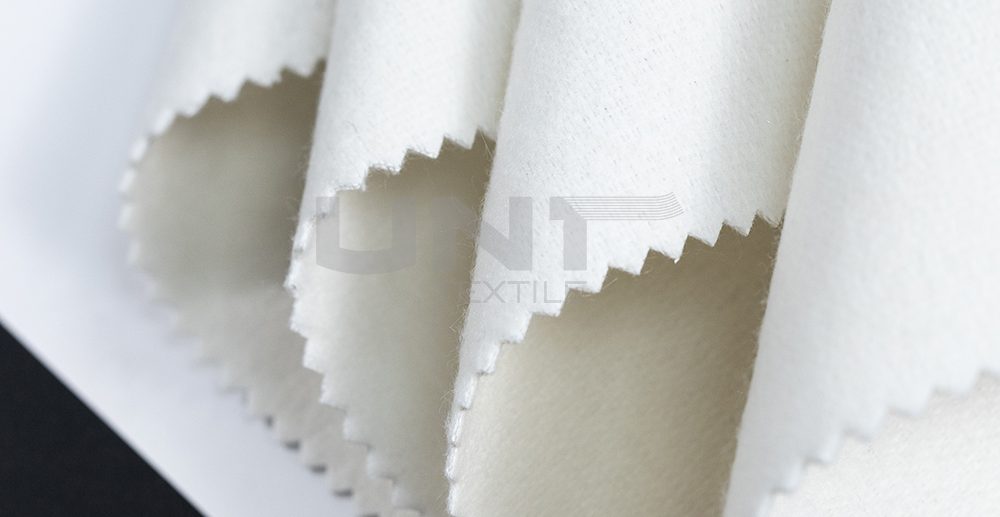
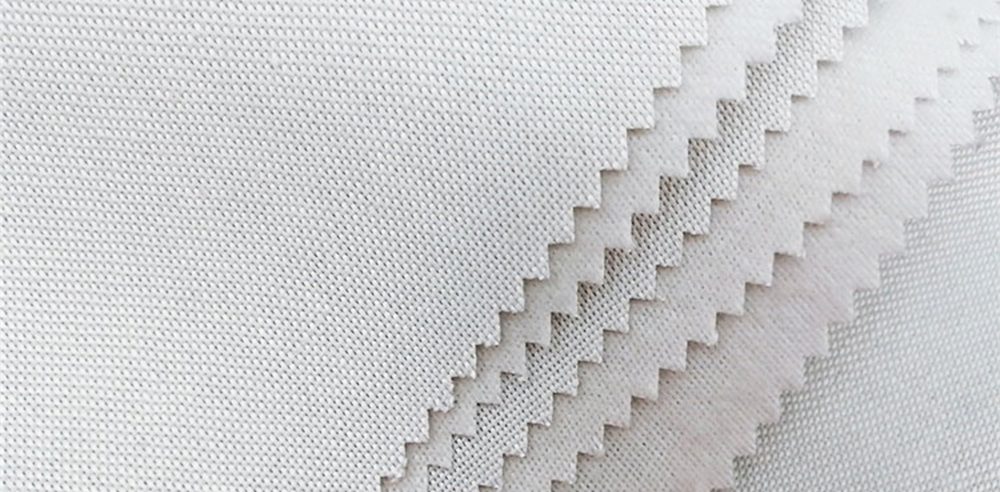
100% Polyester — cost-effective, consistent, white in color.
-
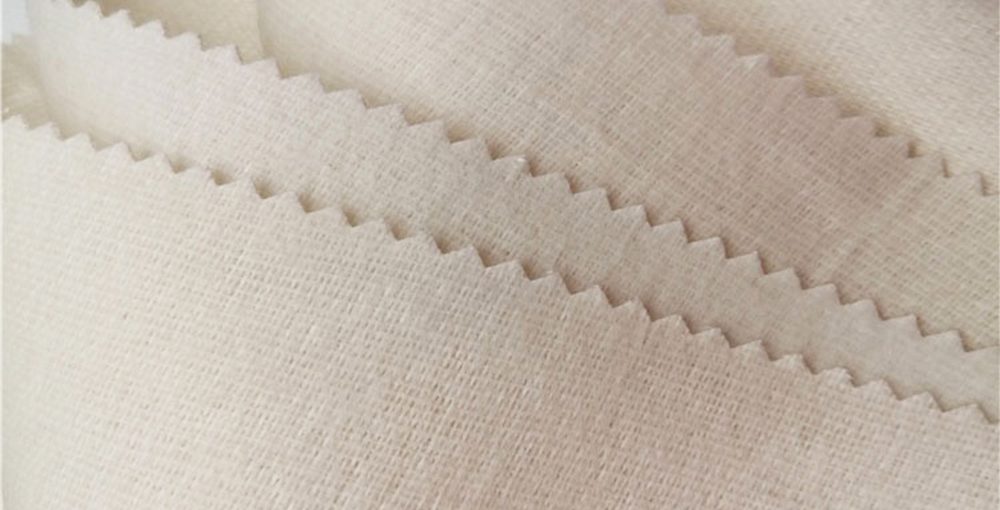
100% Wool — natural resilience, tends to be yellowish in hue.
-
100% Camel/Hair Wool (e.g., “qing mao” / rabbit/wool blends) — (you called 晴毛) — natural look and feel.
-
Blends: Wool/Polyester, Camel-Wool/Polyester, Polyester/Viscose — blends balance cost, hand, and resilience.
Practical notes: fully polyester interlining is usually bright white; full-wool interlining often appears yellowish; wool/polyester blends typically show a slightly warm (yellowish) tone.
What Surface Treatments and Finishes Exist?
-
Brushing / Nap Options:
-
Single-sided brushed, double-sided brushed, or unbrushed.
-
Brushed surfaces (one or both sides) change hand-feel and how the interlining accepts glue or stitches and influence the tie’s final texture and knot behavior.
-
-
Color & Dyeing: Some interlinings are supplied in natural shades (off-white to yellowish) or bleached/whitened versions; color choice affects the visible lining tone when the tie is opened or when linings are light.
Why Are Necktie Interlining Choices Important?
-
Knot Shape and Stability: Heavier and double-layer interlinings make fuller knots that hold better.
-
Drape & Roll: The interlining determines how the tie rolls and hangs—too stiff and the tie looks bulky; too soft and it collapses.
-
Longevity: Natural fiber interlinings (wool, hair blends) recover well and last through repeated wear.
-
Compatibility with Outer Fabric: Match interlining weight and stiffness to the shell fabric (silk, wool, linen) for a balanced look.
How to Choose Based on Tie Style
-
Classic / Wide Silk Ties: Use double-layer (≥260–360 g), wool or wool-blend interlining for rich fullness.
-
Slim Contemporary Ties: Choose single-layer (≈200–260 g) polyester or lightweight wool blends for a sleeker profile.
-
Knit or Casual Ties: Lighter single-layer interlinings or soft woven options retain casual drape.
-
Formal / Bespoke Ties: High-quality wool or wool blends (natural fibers) for superior knot recovery and hand feel.
Practical Tips for Manufacturers & Makers
-
Sample First — Always produce knock-offs with candidate interlinings to test knot, roll, and washing behavior.
-
Consider Color Matching — If tie lining may be visible, choose interlining color to avoid unwanted shading.
-
Mind Sewing Technique — Sew-in interlinings require precise stitching and edge finishing to avoid lumps.
-
Storage & Conditioning — Store interlining rolls in dry conditions; pre-condition materials if needed to stabilize dimensions.
-
Communicate Specs — Ask suppliers for exact GSM, composition, width, and whether product is single/double layer and brushed.
FAQ (Frequently Asked Questions)
Q: Is fusible interlining commonly used in ties?
A: No — most necktie interlinings are sew-in. Fusible interlinings are generally avoided because they can affect the natural roll and hand of a tie.
Q: What weight should I choose for a silk tie?
A: For classic silk ties, a double-layer interlining at ~260–360 g gives a proper fullness and knot stability.
Q: Does wool interlining yellow over time?
A: Wool interlining often has a natural yellowish tone initially; it generally retains its color but proper finishing and lining choice can minimize visible hue.
Q: Should the interlining be brushed on one side or two?
A: Single-sided brushing may be enough for many designs; double-sided brushing gives a loftier hand and can influence how the tie feels around the knot.
Q: How wide are interlining rolls for ties?
A: Tie interlining is often narrower than garment interlinings; widths vary by supplier—small roll widths are common for tie production to reduce waste.
Why Choose Shanghai Uneed Textile Co., Ltd.
At Shanghai Uneed Textile Co., Ltd., we supply professional necktie interlining tailored for tie makers and brands:
-
Broad Material Range: 100% polyester, 100% wool, wool/polyester blends, polyester/viscose, and specialty hair blends.
-
Weights & Constructions: Single and double-layer options in common weights (200–450 g/m²), customized to your tie style.
-
Brushing & Finishing: Single/double brushing and color options to match your design needs.
-
Sew-in Specialist: Products are meant for sewn construction — we advise on stitching and finishing best practices.
-
Technical Support & Sampling: We provide samples for knot, roll, and wash testing before bulk orders.
continue reading
Related Posts

Shirt collar interlining helps a collar keep its shape, stiffness, and smooth appearance. This article explains the types, materials, and how to choose the right shirt collar interlining.
-
This article explains cotton interlining, its structure, properties, and why it is mainly used in shirt and collar interlining applications.
-
This article explains how to use fusible interlining correctly, including preparation, fusing steps, common mistakes, and practical tips.
.png)