
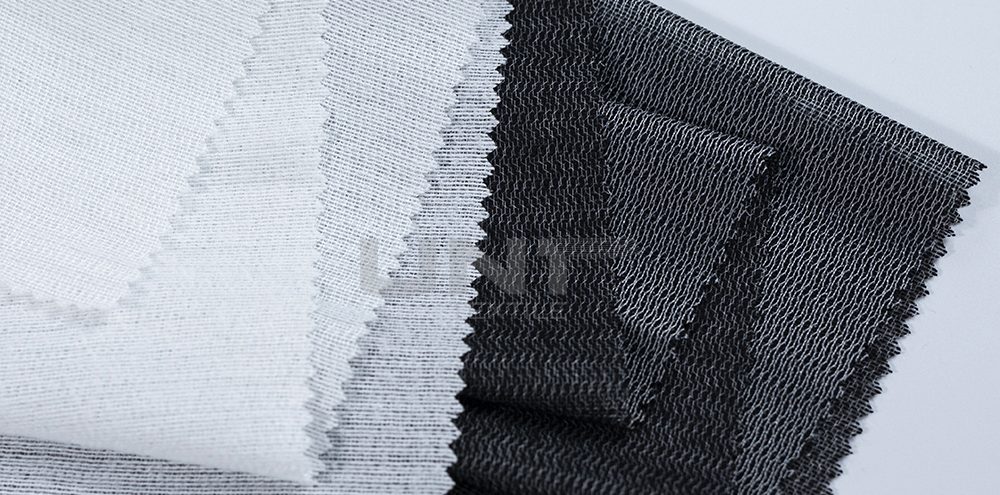
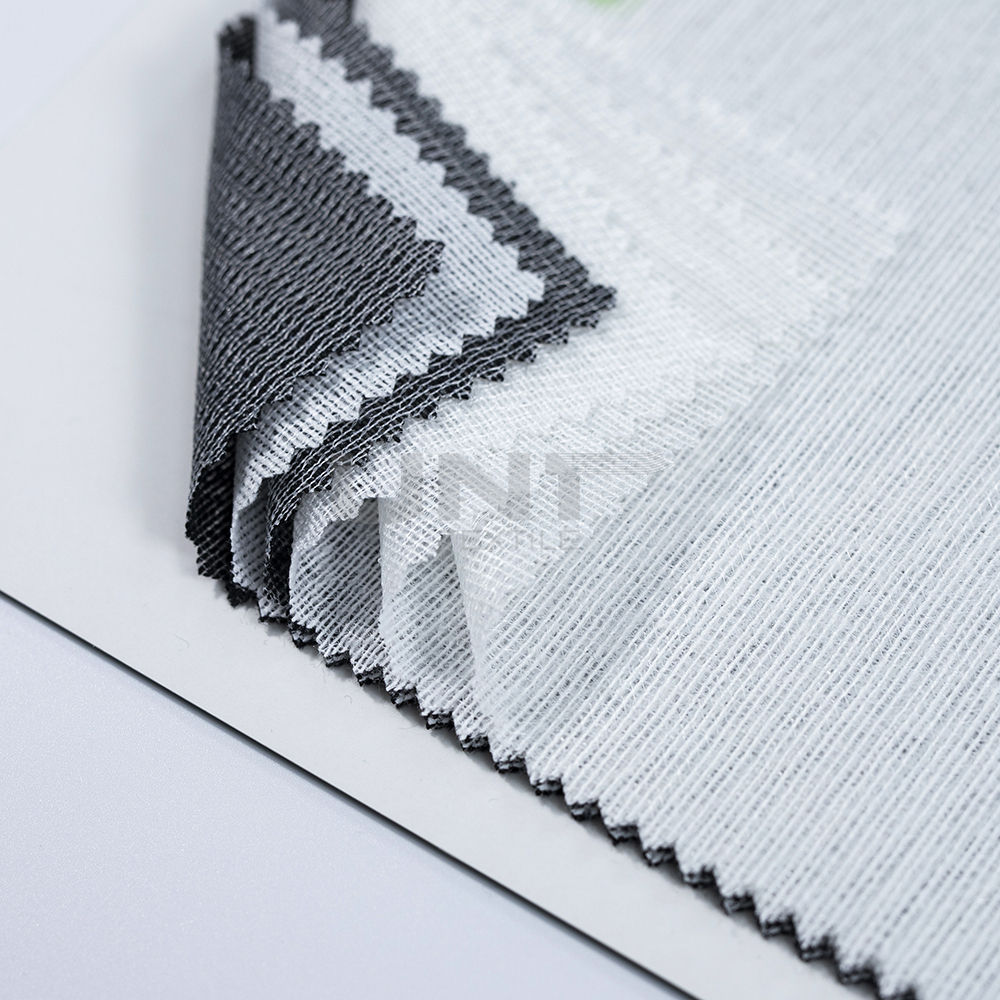
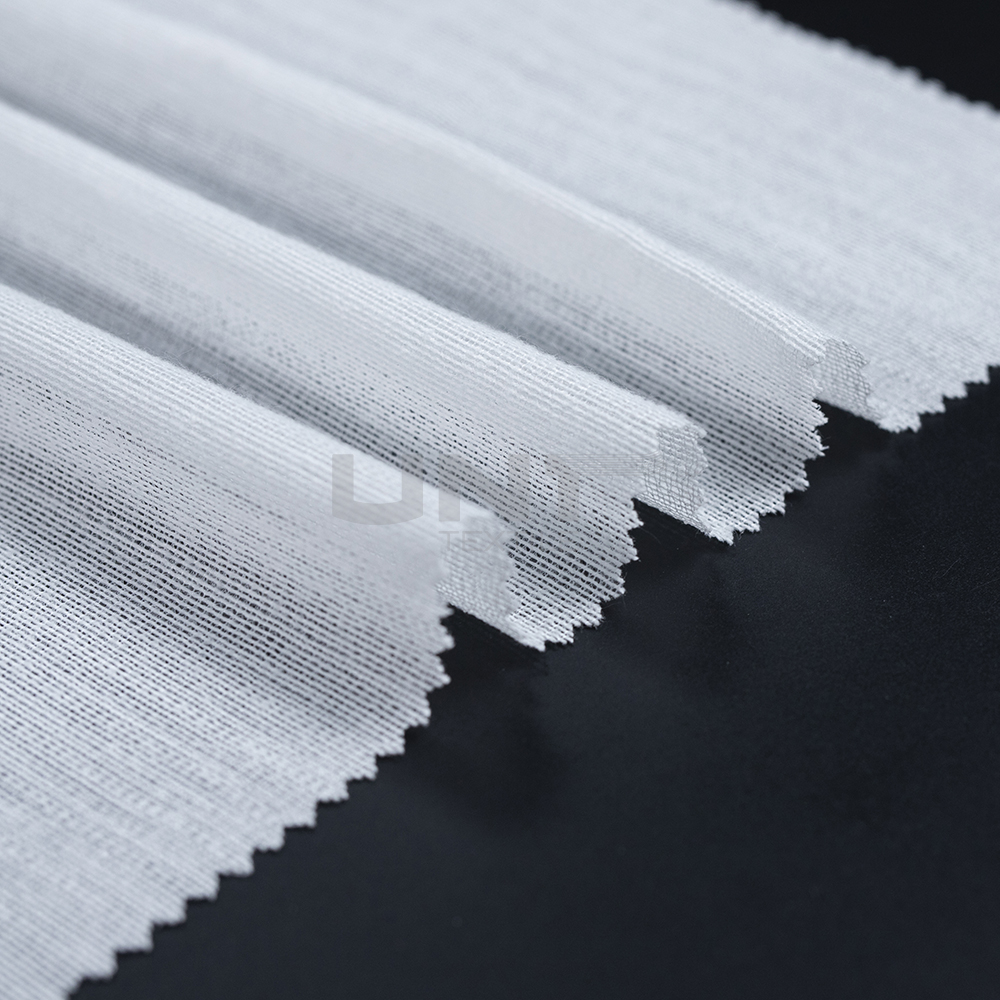
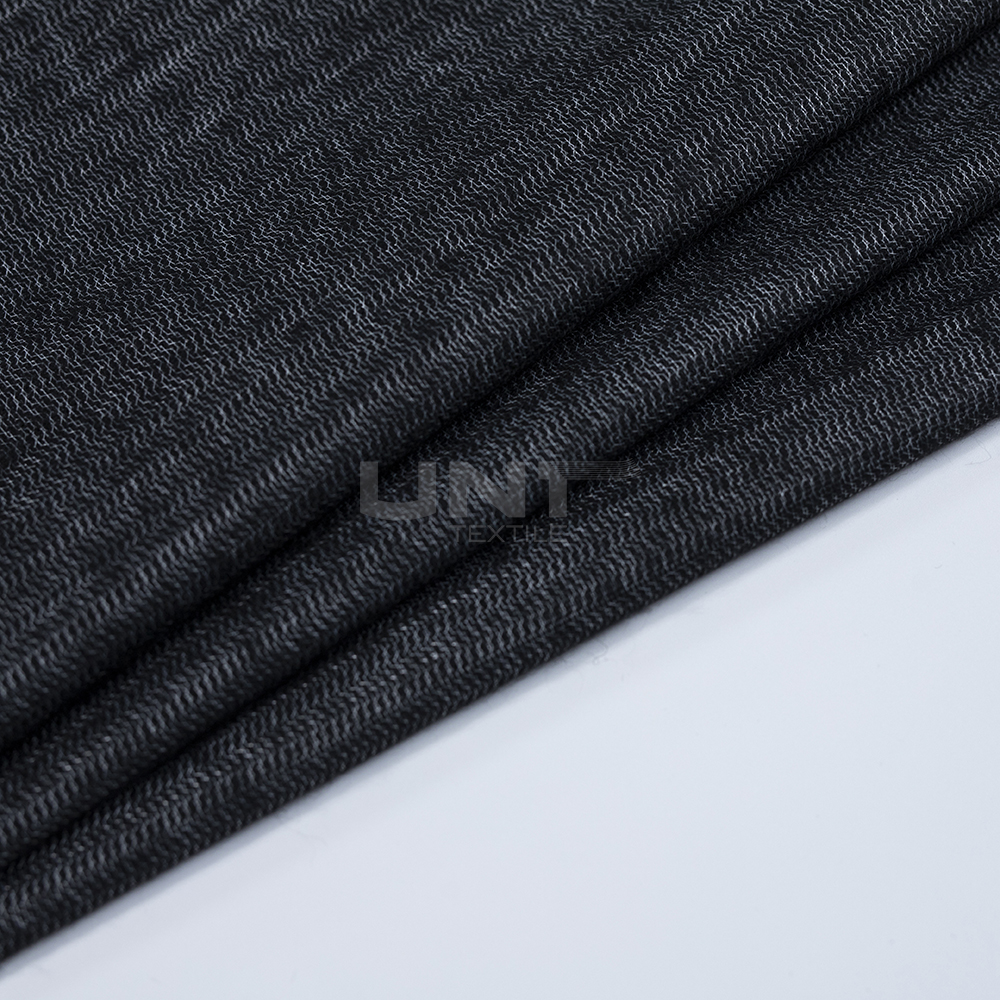
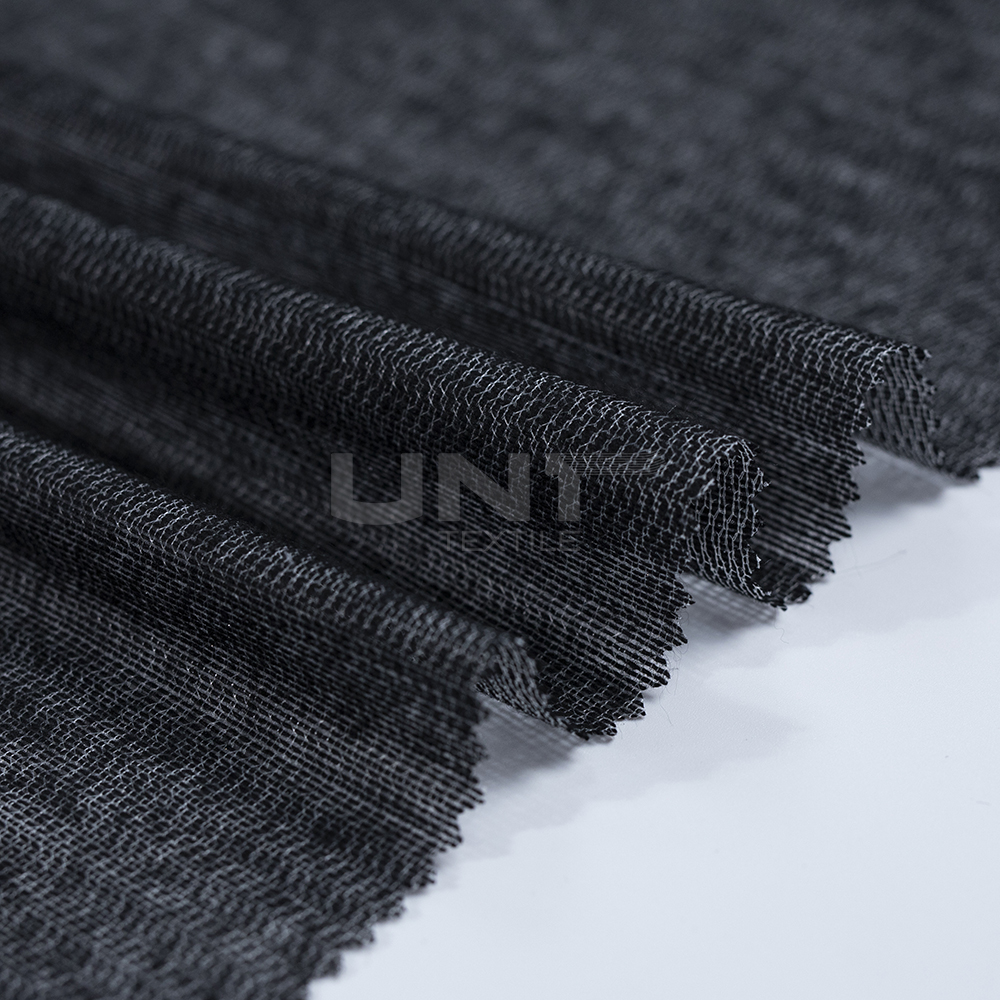
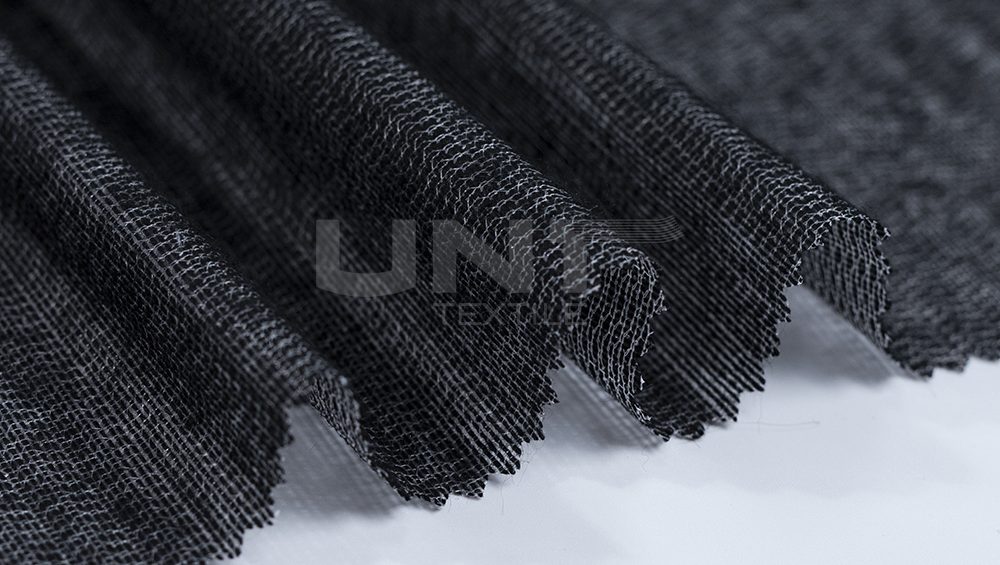
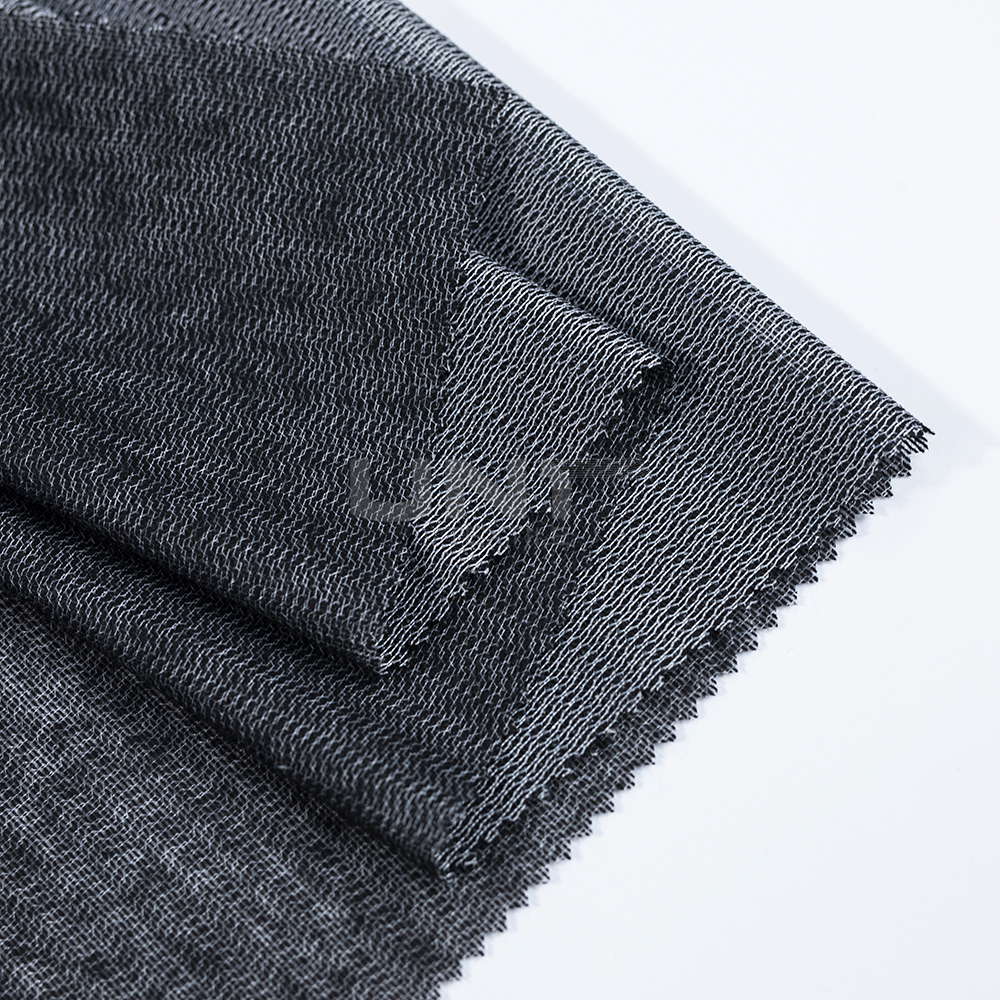
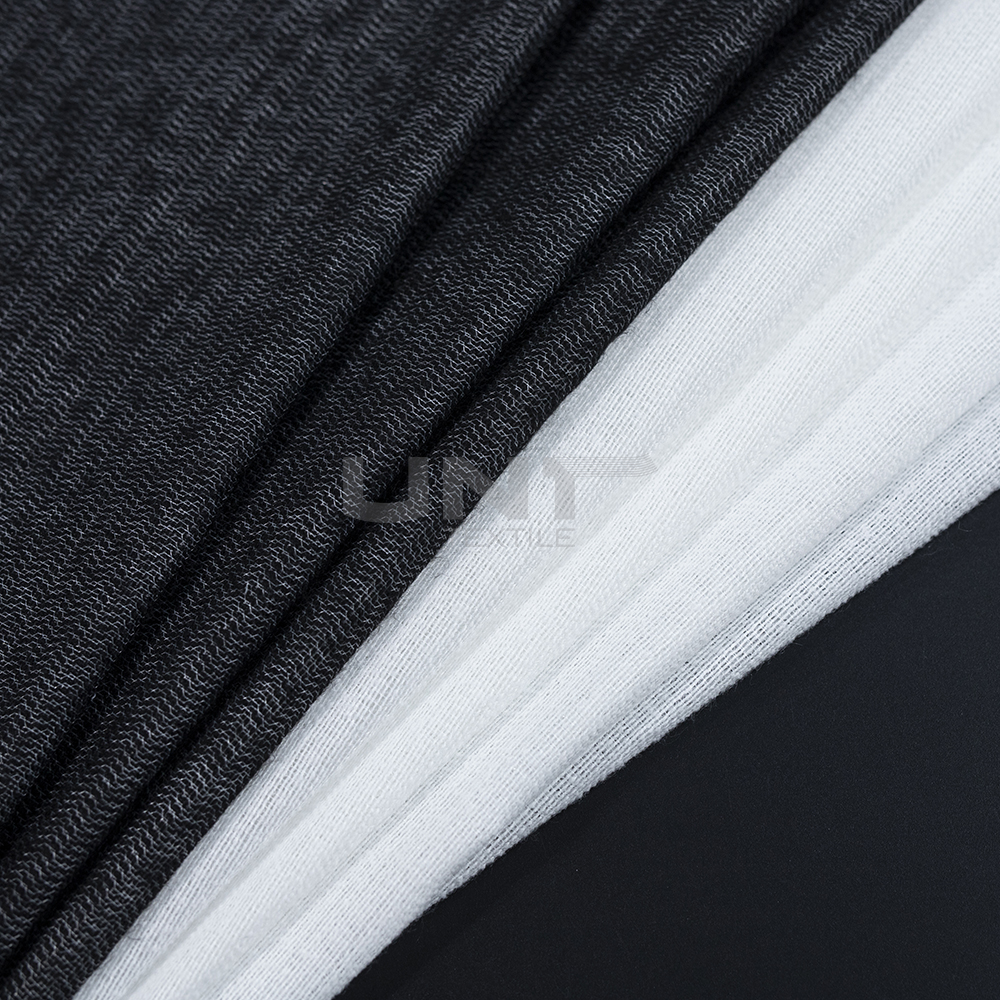
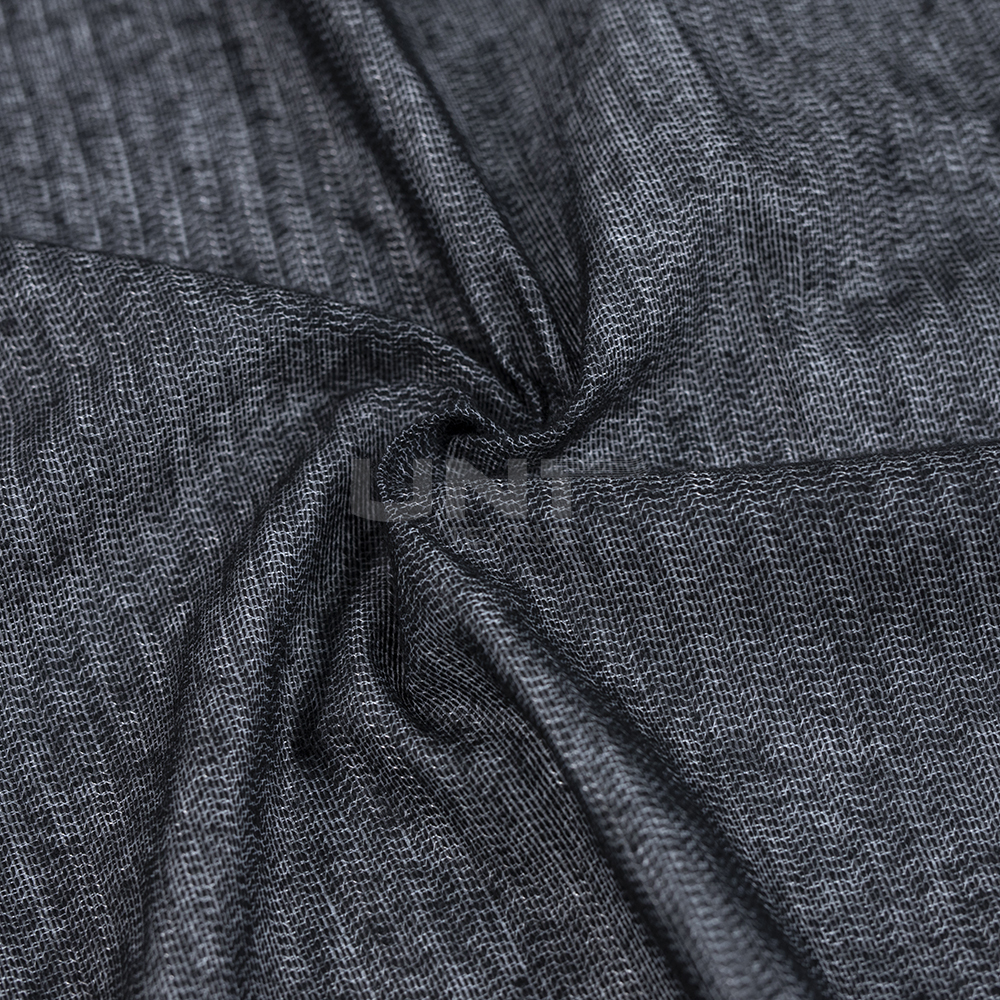
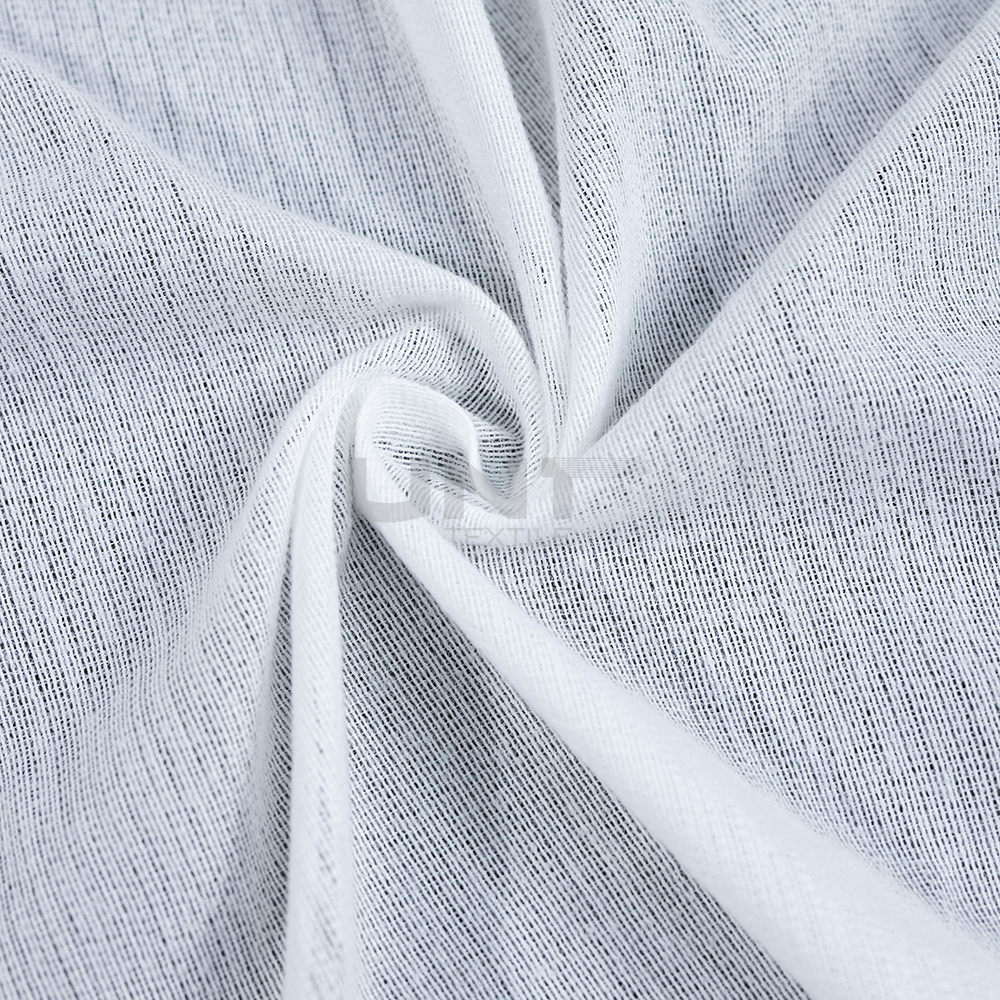
Weft Insert Napping Interlining
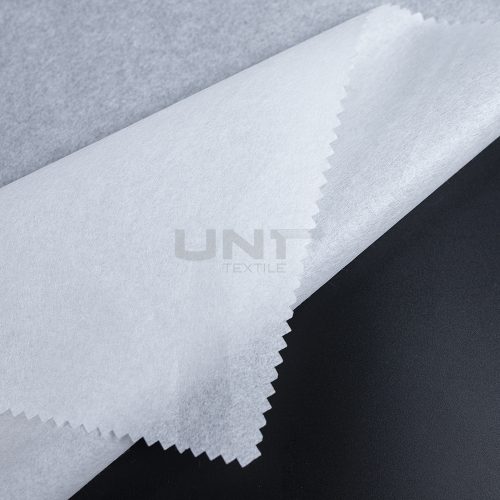
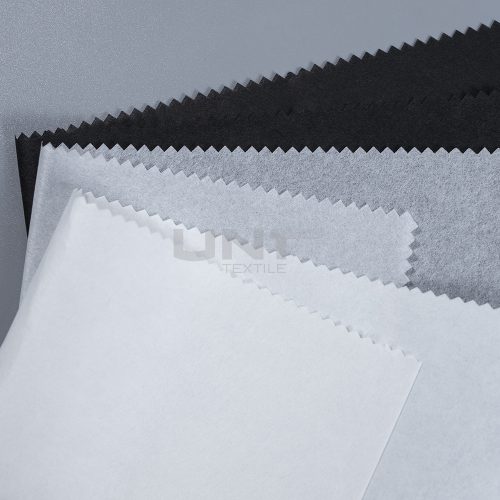
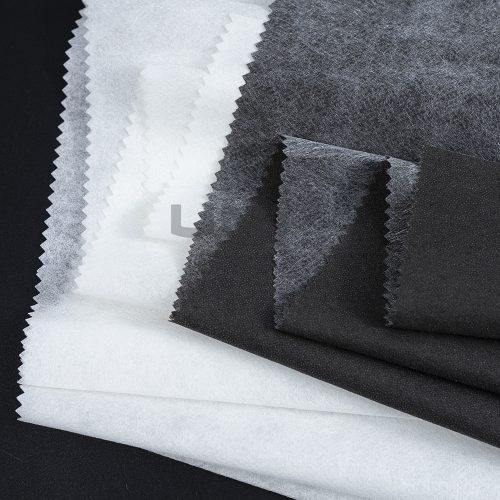
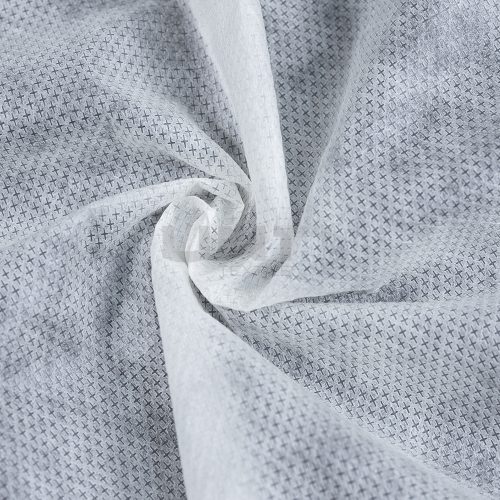
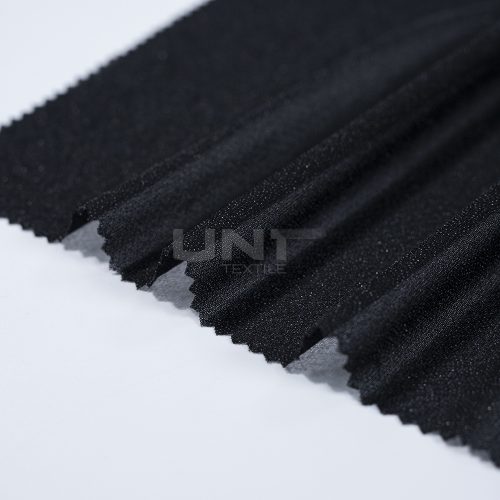
Our Weft Insert Napping Interlining is the perfect choice for overcoats with low washing requirements. It features a unique brushed effect that retains the soft feel and elasticity of weft-insert interlinings, while also delivering exceptional comfort after fusing.
Our manufacturing process is focused on softness, ensuring this interlining complements premium overcoat fabrics to create a tailored, luxurious finish.
product introduce
1. Product Advantages
In garment manufacturing, some parts of clothing require strong support but still need to remain comfortable and flexible. Weft insert napping interlining is designed to meet this need. It combines the stability of inserted yarns with a soft napped surface, creating an interlining that provides structure without making the garment feel stiff.
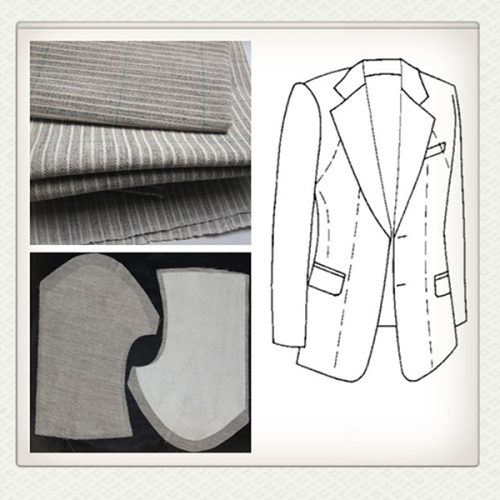
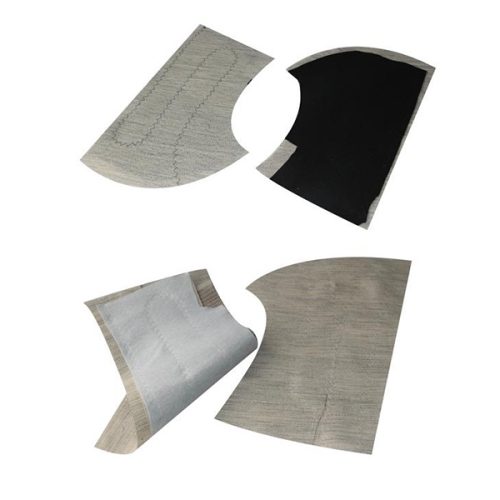
This type of interlining is commonly used in jackets, coats, and suits where certain garment sections must hold their shape. The inserted weft yarns help improve dimensional stability, while the napping process gives the fabric a softer surface.
Another advantage is its balanced performance during the fusing process. When heat and pressure are applied, the adhesive coating bonds well with the outer fabric. After fusing, the garment part becomes more stable and maintains its intended shape.
Garment manufacturers also appreciate that this interlining works well with many medium-weight fabrics. It can provide enough support for structured garments while still keeping a natural look and feel.
2. Structure and Performance Characteristics
The structure of weft insert napping interlining is slightly different from regular woven or knitted interlinings.
During production, additional weft yarns are inserted into the base structure. These yarns increase the stability of the fabric, especially in the crosswise direction. This helps garment parts maintain their shape during cutting, sewing, and wearing.
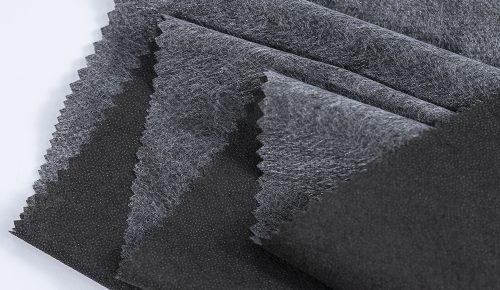
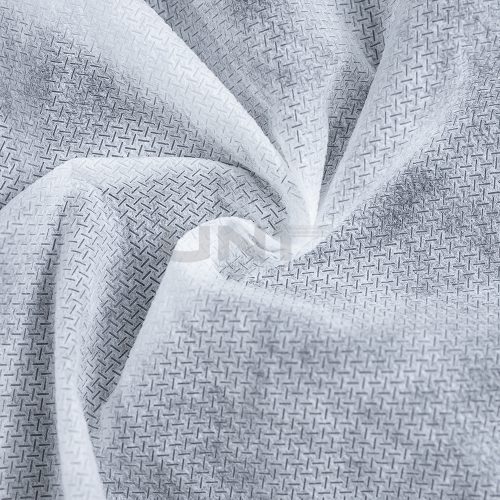
After the base fabric is produced, the surface may go through a napping process. This treatment raises fine fibers on the surface, giving the fabric a softer texture. The napped surface can also improve the bonding effect during the fusing process.
Because of this combination of structural stability and surface softness, this interlining is often selected for garments that require both support and comfort.
3. Functional Treatments & Surface Finishing Options
Depending on the garment application, several finishing options can be applied during production.
Adhesive coating options
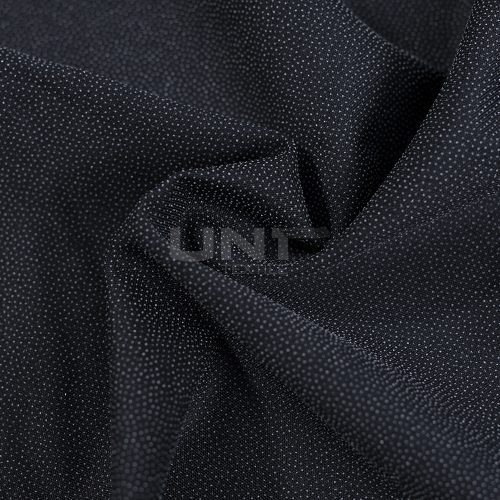
Different adhesive powders or pastes can be applied to the back side of the fabric to match different garment fabrics.
Soft finishing treatment
Additional finishing can improve the hand feel, making the interlining more suitable for fashion garments.
Dimensional stabilization
Heat setting helps control shrinkage and improves stability during garment processing.
Customized adhesive dot patterns
Different dot sizes or coating densities can be selected depending on bonding requirements.
These options allow manufacturers to choose an interlining that fits their production process and fabric type.
4. Common Applications of Weft Insert Napping Interlining
This interlining is mainly used in garments where shape retention and moderate support are important.
Typical applications include:
-
suit fronts
-
jacket panels
-
coat fronts
-
lapels
-
collars
-
structured fashion garments
Because of its supportive structure, it works especially well in garments where the front panels need to maintain a clean and stable shape.
At the same time, the napped surface helps keep the garment comfortable rather than overly rigid.
5. FAQ
Q1: What does “weft insert” mean in interlining fabric?
Weft insert refers to additional yarns inserted across the fabric during production. These yarns help improve the stability and strength of the interlining.
Q2: What is the purpose of the napping process?
Napping raises fine fibers on the surface of the fabric. This creates a softer surface and can also help improve bonding during the fusing process.
Q3: Is this interlining suitable for lightweight garments?
It is usually better suited for medium-weight garments such as jackets, coats, and suits where additional support is required.
6. Why Choose UNT
UNT focuses on supplying interlining materials for garment manufacturers around the world. Our products are developed with practical garment production needs in mind.
We offer stable supply and consistent product quality so customers can maintain reliable production schedules. Different fabric structures, weights, and coating options are available to match a variety of garment styles.
Our team also supports customization when manufacturers need specific specifications or performance requirements.
With experience in garment accessory materials and responsive technical support, weboss works with apparel producers who require dependable interlining solutions.
additional information
| Material | Polyester/Viscose |
|---|---|
| Width | 90cm, 150cm |
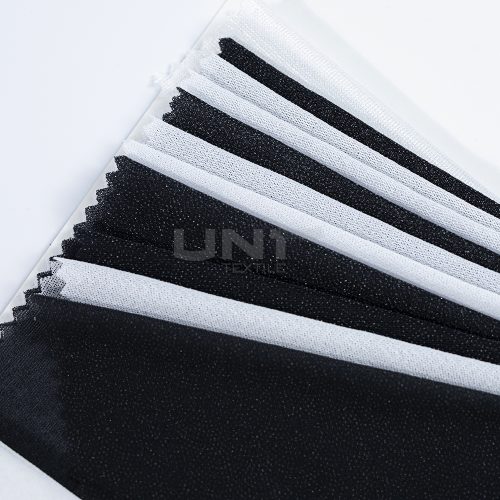
| Color | White, Optical White, Black |
| Weight | 60gsm – 160gsm |
| MOQ (Minimum Order Quantity) | 500 meters |
| Certificates | OEKO-TEX, SGS |
| Price | 0.3 – 1.8 USD per meter |
| Packaging | PE plastic bag and Nylon bag; the roll packed by transparent strong plastic bag, the outside by strong woven polybag. |
| Transportation | By sea, air, or express |
| Payment Terms | L/C, D/A, D/P, T/T, Western Union |
| Delivery Time | 7-15 days |
| Monthly Production | 1,000,000 meters |
| Roll Length | 100 meters per roll |
| Adhesive Types | Brushed coating with weft-inserted yarn for enhanced softness |
| Thermal Properties | Fusing temperature range: 120-140°C |
| Washing Properties | Suitable for low water-wash garments, retains softness and texture post-fusing |
| Shrink Resistance | High shrink resistance, ensuring long-lasting quality for coats and heavy fabrics |
| Surface Finish | Brushed surface for excellent handfeel and visual appeal |
| Applications | Perfect for overcoats and garments requiring low wash durability and superior post-fusing handfeel. |
Stay Ahead With UNT Updates

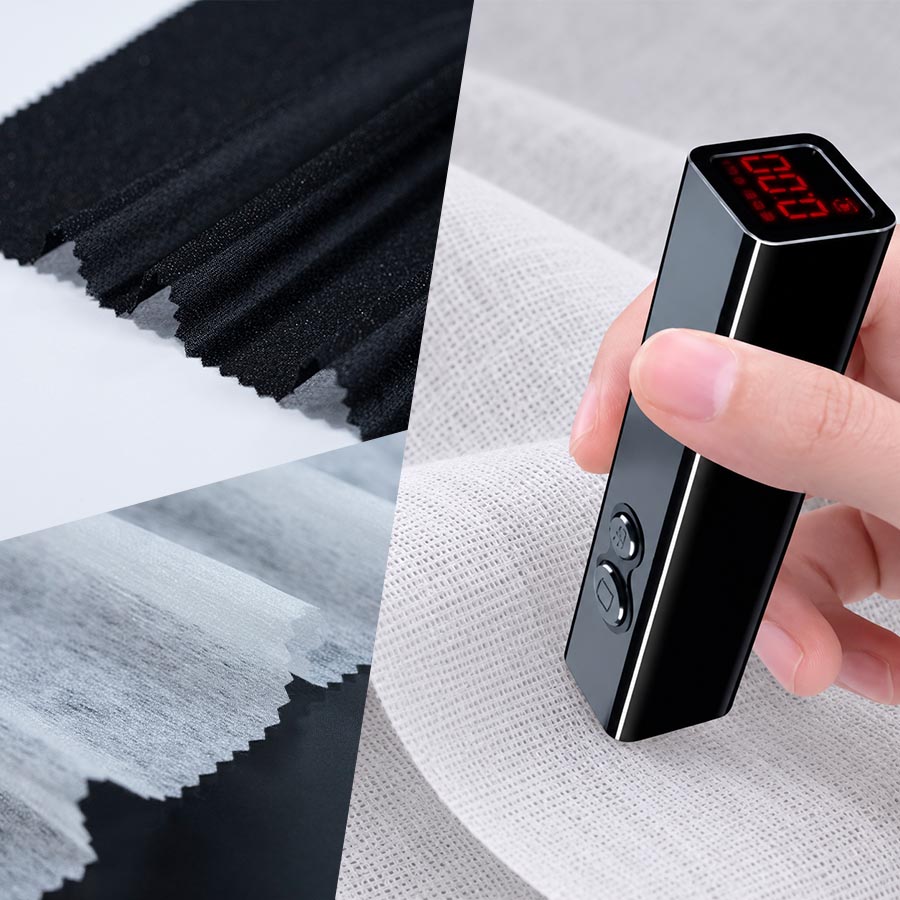
Fluorescence testing for interlining checks fluorescent whitening agents and helps buyers meet garment quality requirements.
-
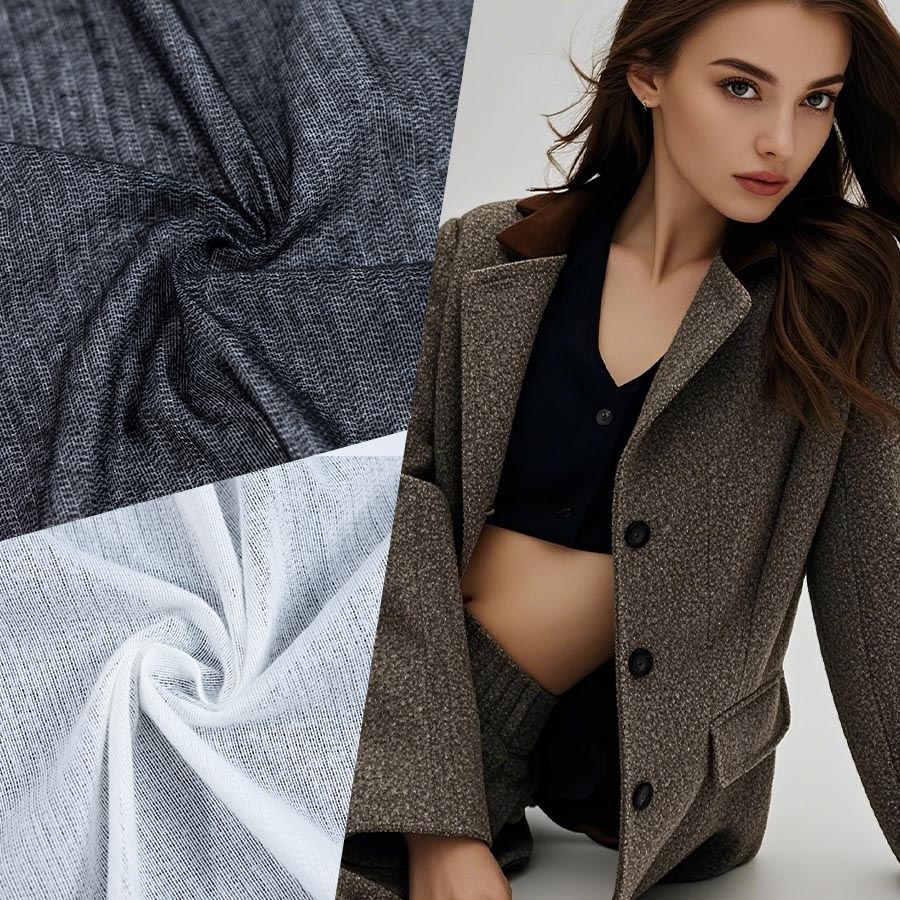
Interlining for wool coats should add shape without making the fabric stiff. Compare woven, napped, and hair interlining options.
-
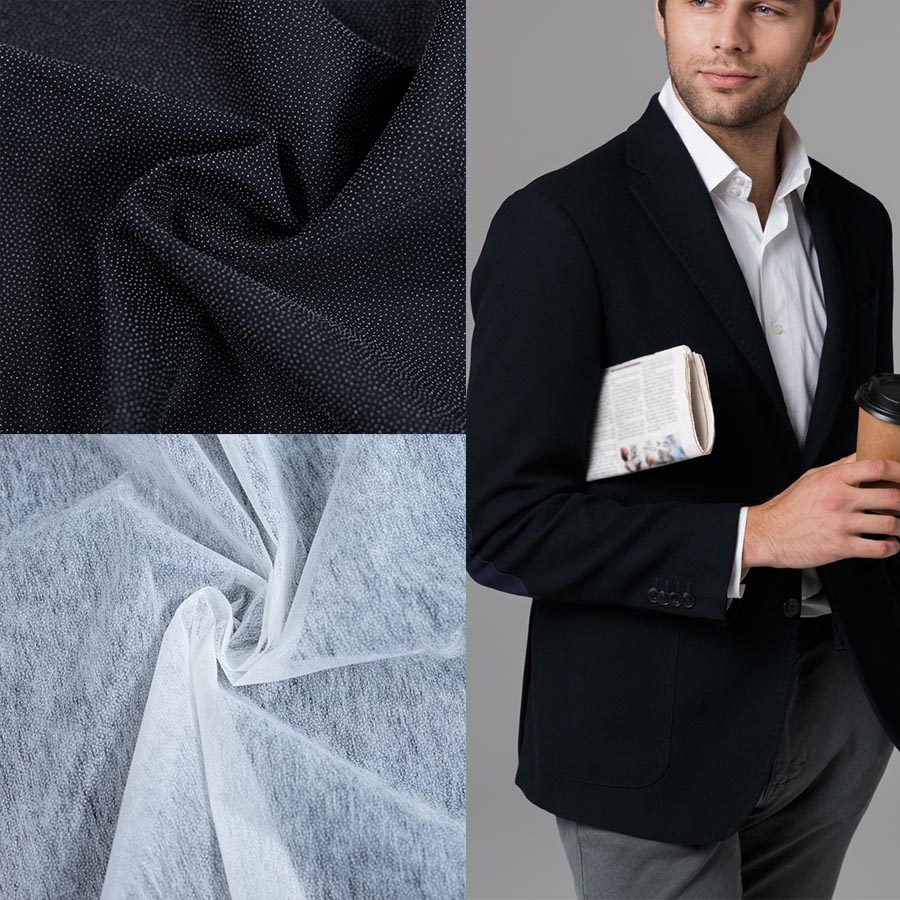
Microdot fusible interlinings use fine adhesive dots for smooth bonding, soft hand feel, and clean garment appearance.
.png)