
How Do You Choose Suit Interlining?
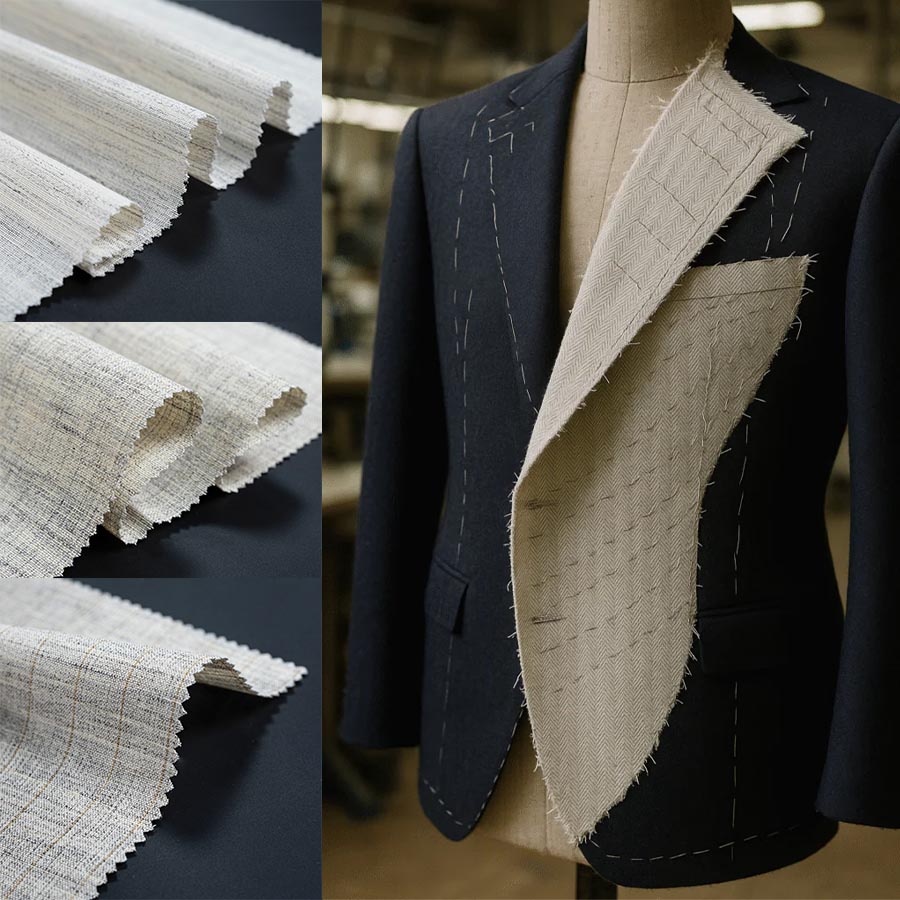
A suit needs structure, but it should not feel like a rigid shell.
The front needs to stay clean. The lapel should roll naturally. The chest needs enough support to hold its shape when the jacket is worn.
This is why choosing suit interlining is different from simply selecting a heavy interfacing.
The correct material depends on the suit construction, outer fabric, required hand feel, care method, and whether the interlining will be fused or sewn into the garment.
What Does Suit Interlining Do?
Suit interlining sits inside the jacket and supports areas where the outer fabric cannot hold its shape alone.
It is commonly used around:
- jacket fronts;
- lapels;
- chest areas;
- collars;
- facings;
- other structured sections.
Its job is not only to add stiffness.
A good suit interlining should help the jacket maintain shape while allowing the fabric to move naturally with the wearer.
This balance is especially important in tailored suits.
Which Types of Suit Interlining Are Common?
There are two main directions: fusible interlining and sew-in interlining.
| Type | Main Character | Typical Suit Use |
|---|---|---|
| Woven Fusible Interlining | Stable and efficient for production | Fused suit fronts, collars and facings |
| Knit Fusible Interlining | Softer and more flexible | Lightweight or softer suit fabrics |
| Nonwoven Fusible Interlining | Available in different weights and hand feels | Selected suit parts and cost-sensitive production |
| Hair Canvas | Structured with natural movement | Half-canvas and full-canvas suits |
The right type depends strongly on how the jacket is constructed.
Fusible Suit Interlining
Fusible interlining has hot melt adhesive applied to one side.
During production, heat and pressure bond it to the suit fabric.
This method is widely used because it is efficient and gives garment factories good control during bulk production.
Woven fusible interlining is often selected when the jacket needs stable support while keeping a fabric-like structure.
Knit constructions may be considered when more flexibility is needed.
For fusible products, the important points are not only GSM and stiffness. Buyers should also check:
- adhesive dot pattern;
- coating amount;
- fusing temperature;
- pressure;
- fusing time;
- shrinkage;
- wash or dry-cleaning performance.
A suitable base fabric can still give poor results if the adhesive or fusing conditions do not match the shell fabric.
Hair Canvas for Tailored Suits
Hair canvas is a traditional sew-in suit interlining.
Instead of bonding the entire layer to the outer fabric, it is built into the jacket through tailoring and stitching.
This construction is commonly associated with half-canvas and full-canvas suits.
Hair canvas helps create shape through the chest and lapel while allowing the jacket front to move more naturally.
Different hair interlining constructions can use cotton warp yarns together with hair fibers and other blended weft materials.
For buyers, the main points to compare are:
- fabric construction;
- weight;
- firmness;
- resilience;
- thickness;
- hand feel.
The material should suit both the shell fabric and the style of the finished jacket.
Full Fused, Half Canvas or Full Canvas?
The suit construction affects the type and amount of interlining required.
Full Fused Suit
A fusible interlining is bonded through much of the jacket front.
This construction is efficient for mass production and helps maintain a clean shape.
Half Canvas Suit
Hair canvas is mainly used through the upper front and chest area, while fusible materials may be used elsewhere.
It combines traditional internal structure with more efficient production.
Full Canvas Suit
A larger canvas structure extends through the jacket front.
This type relies more heavily on sew-in materials and tailoring construction.
There is no single construction that is correct for every suit.
The decision depends on price level, design, production method, and the hand feel the brand wants.
How Should Suit Fabric Affect Your Choice?
The outer fabric should always be considered before confirming interlining.
Lightweight Suit Fabric
Heavy or firm interlining can easily overpower a light shell fabric.
A softer woven or knit fusible product may give a more natural result.
Wool and Wool-Blend Suit Fabric
These fabrics are commonly used in tailored jackets.
Depending on the suit construction, woven fusible interlining, hair canvas, or a combination of the two may be used.
Stretch Suit Fabric
If the outer fabric has stretch, a very rigid support layer can restrict movement.
A compatible knit or flexible construction should be considered and tested.
What Should Be Tested Before Production?
For suits, the final appearance matters more than how the interlining feels by itself.
The material should be tested with the actual shell fabric.
Important checks include:
- hand feel after fusing;
- peel strength;
- bonding strength;
- shrinkage;
- dimensional stability;
- tensile and breaking strength;
- surface appearance;
- fusing temperature, pressure and time;
- wash or dry-cleaning performance;
- fluorescence where required.
For tailored suits using hair canvas, buyers should also evaluate how the canvas behaves in the finished chest and lapel construction.
A complete jacket panel test can provide more useful information than a small fabric swatch.
Common Suit Interlining Problems
The Jacket Front Feels Too Hard
The interlining may be too firm, too heavy, or have too much adhesive.
The Lapel Does Not Roll Naturally
The support material may not match the jacket construction or required hand feel.
Bubbling Appears After Fusing
Possible causes include unsuitable adhesive, incorrect fusing conditions, or different shrinkage between the outer fabric and interlining.
The Jacket Loses Shape After Care
The interlining and shell fabric may react differently to washing, steaming, or dry cleaning.
Testing before bulk production helps reduce this risk.
Common Questions About Suit Interlining
Is hair canvas better than fusible interlining?
Not always. Hair canvas is suitable for tailored constructions, while fusible interlining offers faster and more efficient production.
Can a suit use both fusible interlining and hair canvas?
Yes. Half-canvas constructions commonly combine different support materials in different parts of the jacket.
Which suit interlining is suitable for wool fabric?
Woven fusible interlining and hair canvas are both commonly considered. The final choice depends on the jacket construction and required hand feel.
Should suit interlining be dry-cleaning tested?
If the finished suit will be dry cleaned, the interlining should be evaluated under the expected care conditions.
Can suit interlining be customized?
Yes. Material, weight, width, color, hand feel, adhesive dot pattern, coating and packaging can be customized according to the order.
Why Choose UNT for Suit Interlining?
UNT supplies woven fusible interlining, knit and nonwoven options, as well as hair canvas for different suit constructions.
Production covers woven base fabric preparation, finishing and adhesive coating for fusible products, as well as hair canvas weaving and finishing for sew-in applications. OEM and ODM are available.
Testing can include peel strength, bonding strength, tensile and breaking strength, shrinkage, dimensional stability, fusing performance, dry-cleaning or wash performance, and fluorescence.
- Samples: normally within 3 days
- Stock orders: normally 3–7 days
- Customized orders: normally 7–15 days
- OEKO: SH001 285226
- GRS: BVC-TE-00011147-GRS-2602-50007497-V1.0
Certificate applicability can be confirmed according to the specific product.
Contact Us
Shanghai Uneed Textile Co., Ltd
TEL: +86-21-33608891
FAX: +86-21-33608892
Email: info@uneed-tex.com
continue reading
Related Posts

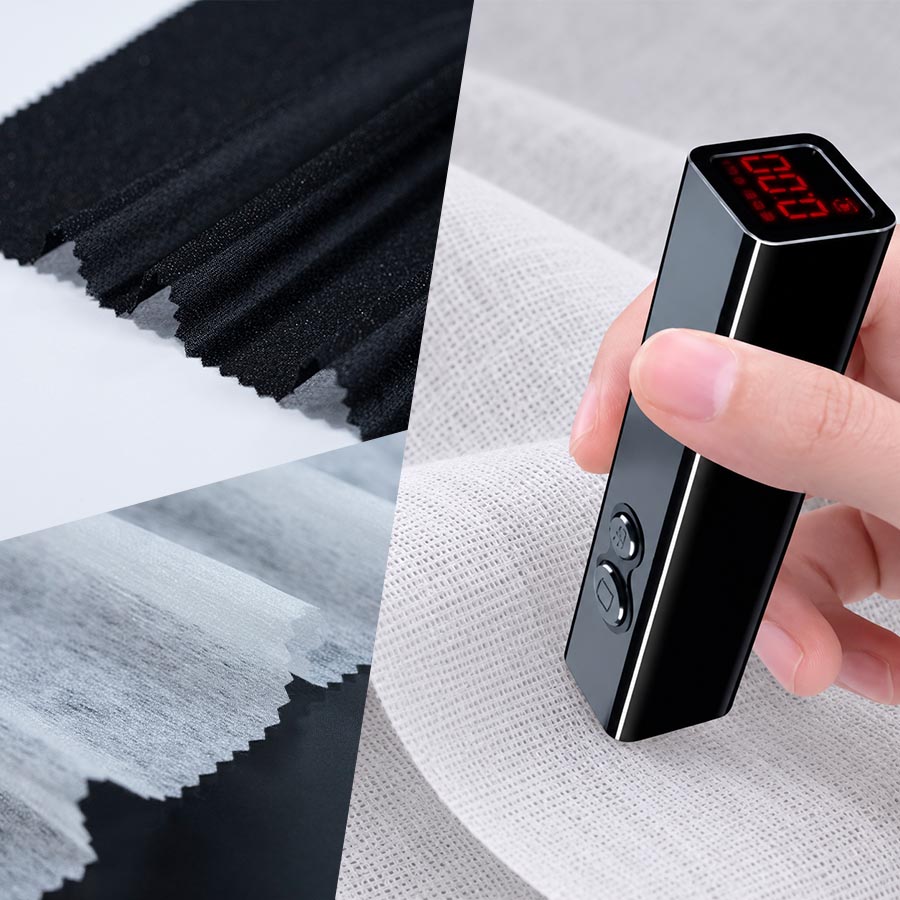
Fluorescence testing for interlining checks fluorescent whitening agents and helps buyers meet garment quality requirements.
-
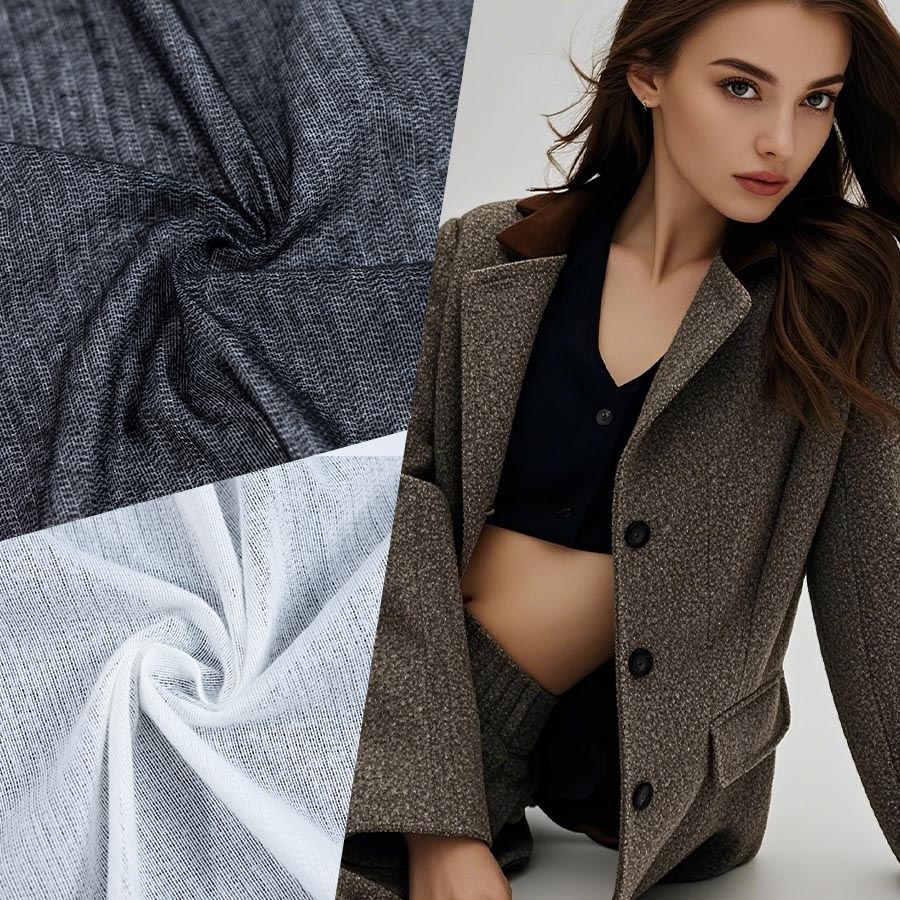
Interlining for wool coats should add shape without making the fabric stiff. Compare woven, napped, and hair interlining options.
-
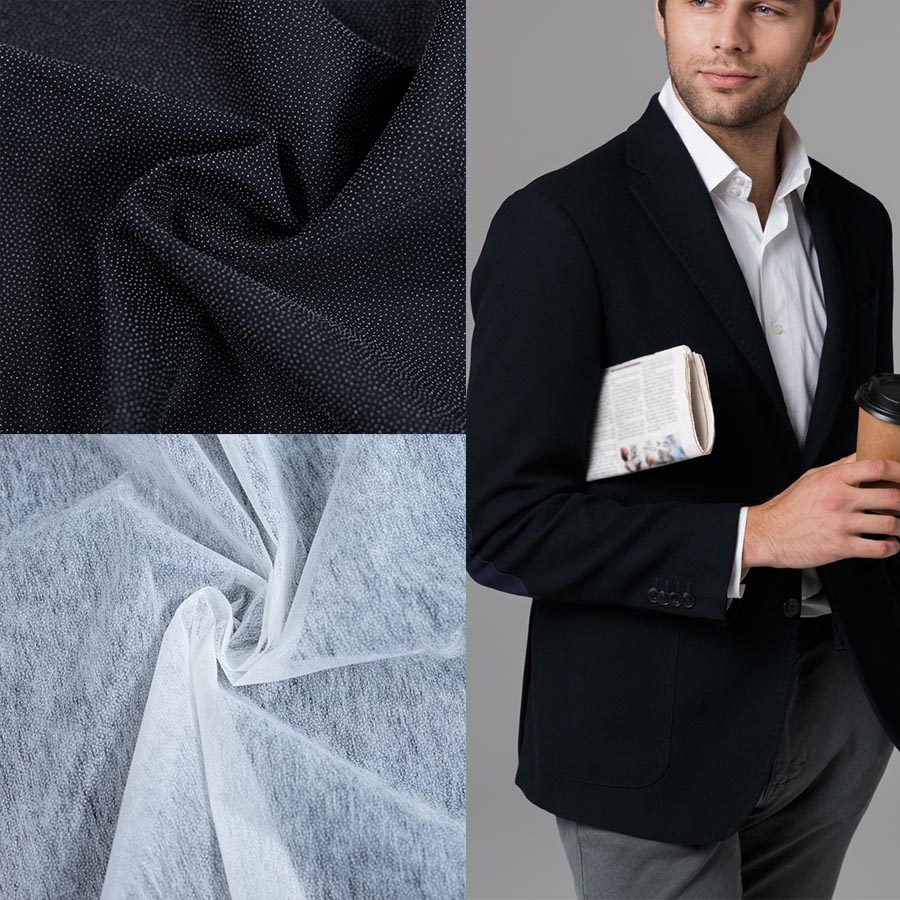
Microdot fusible interlinings use fine adhesive dots for smooth bonding, soft hand feel, and clean garment appearance.
.png)