
Hot Melt Adhesive Web
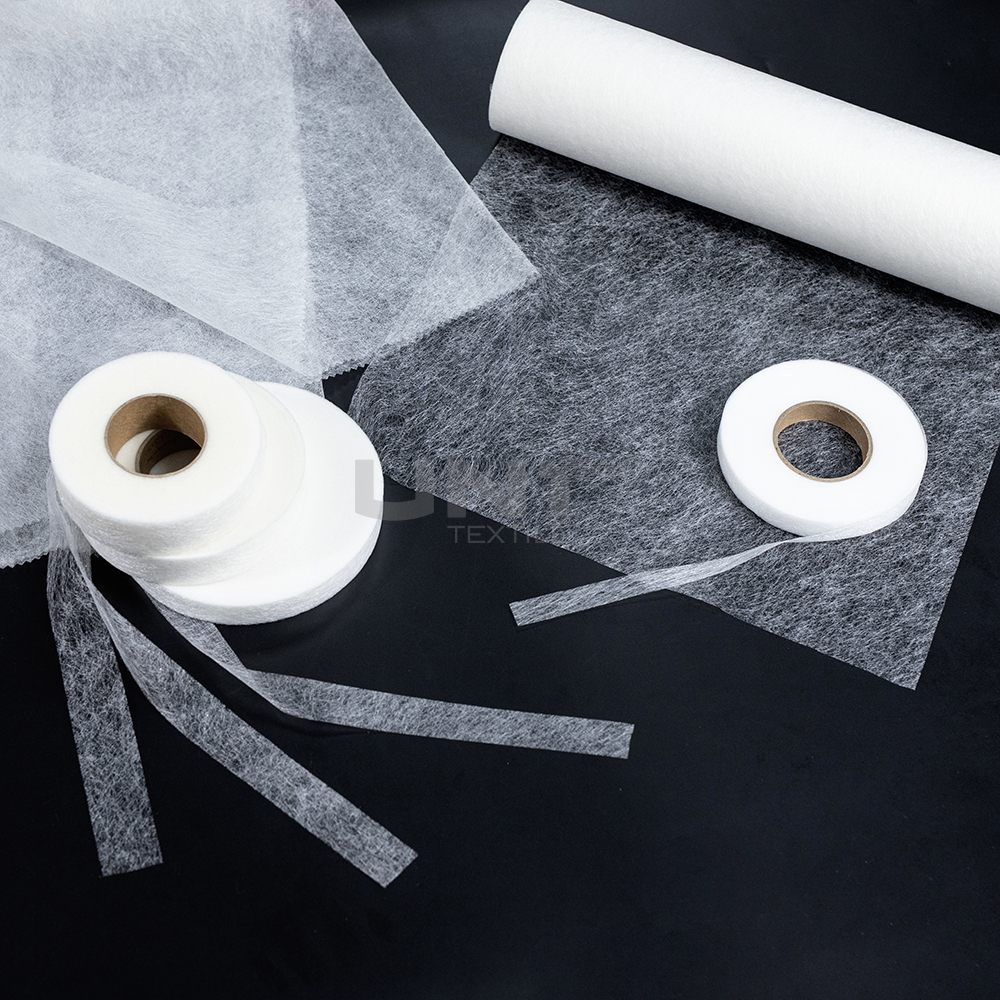
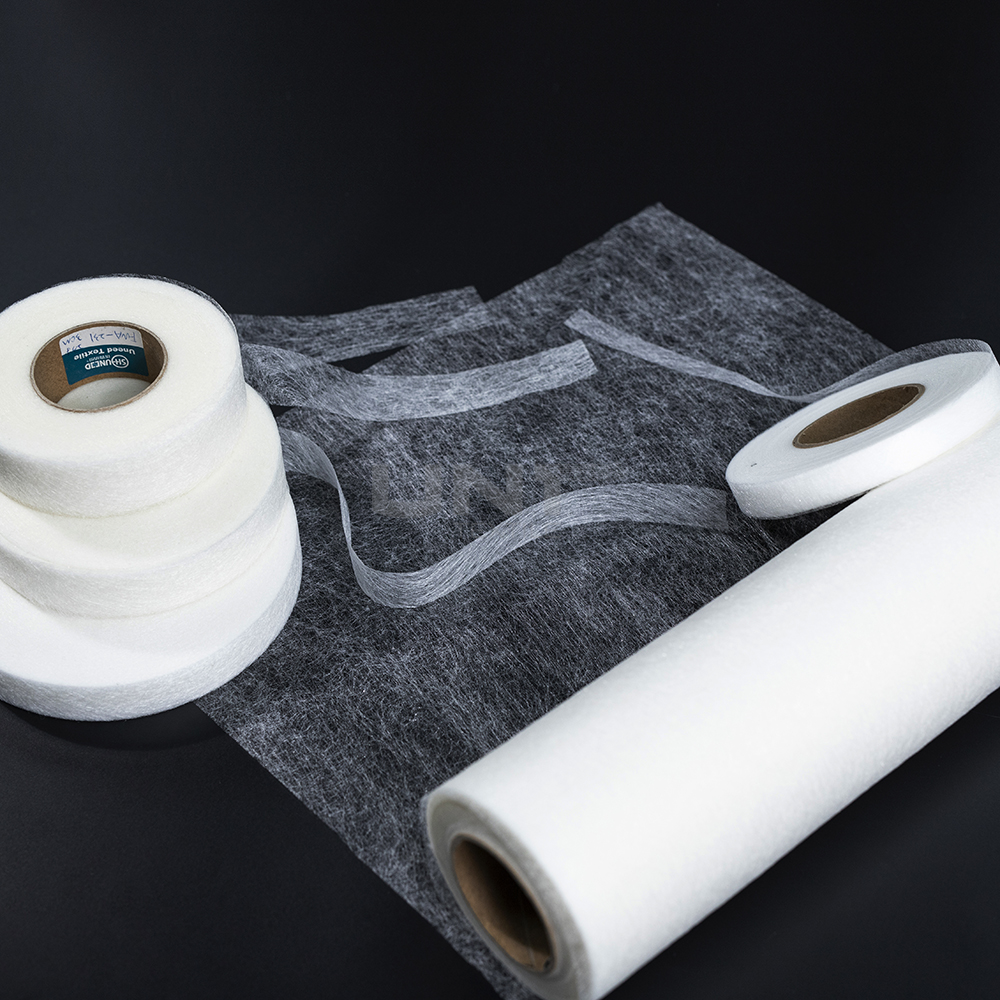
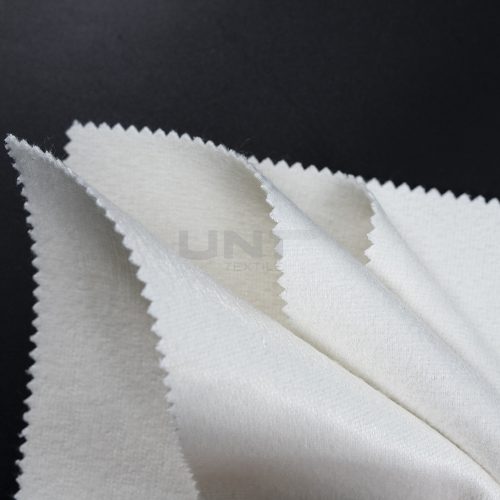
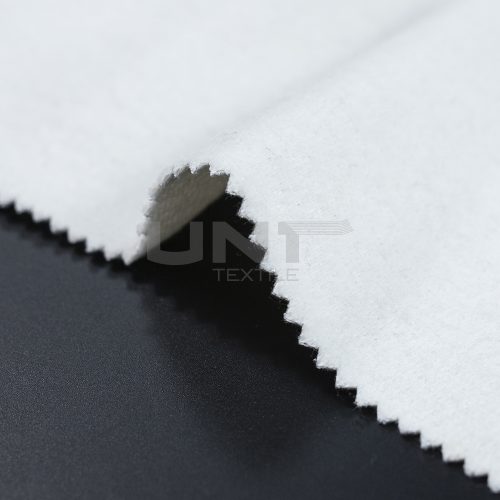
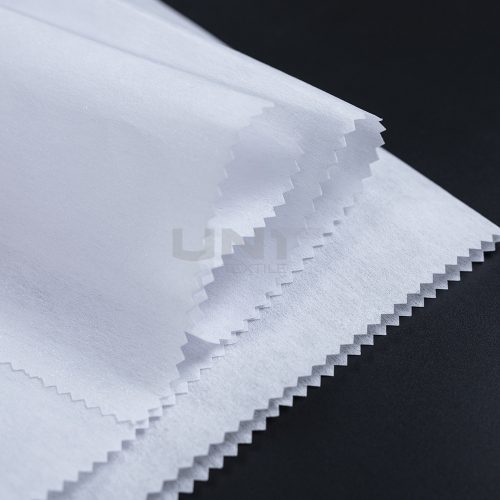
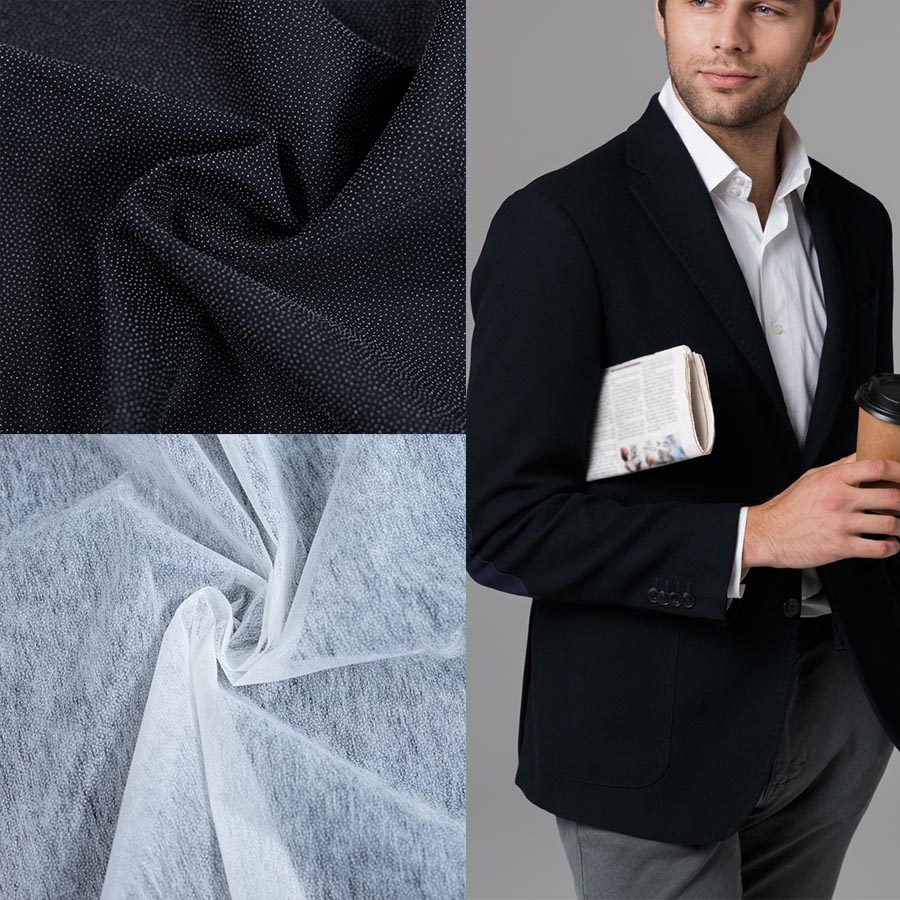
Hot Melt Adhesive Web is a versatile bonding material used widely in high-grade clothing, embroidery, leather fabrics, and various textile applications. It offers strong adhesive properties that work with a variety of fusing processes, ensuring durability and a smooth finish.
Available in PA, EVA, PES, and TPU materials, this adhesive web easily adapts to diverse fabric types and bonding needs. Its lightweight, web-like structure makes it simple to apply and seamlessly integrate into your manufacturing process.
product introduce
Hot Melt Adhesive Web Product Highlights:
- Versatile Material Options: We offer a range of materials (PA, EVA, PES, and TPU) tailored for various applications, from elastic fabrics to delicate textiles.
- Strong Bonding: It provides reliable adhesion, with strength exceeding 20N/2.5cm, making it perfect for high-stress fabric areas.
- Efficient Production: With low melting points (85°C–125°C) and quick pressing times (15–20 seconds), it helps optimize production efficiency.
- Resistant to Wear: It has excellent resistance to water, dry cleaning, and washing, ensuring long-lasting performance in garments and accessories.
1. Product Advantages
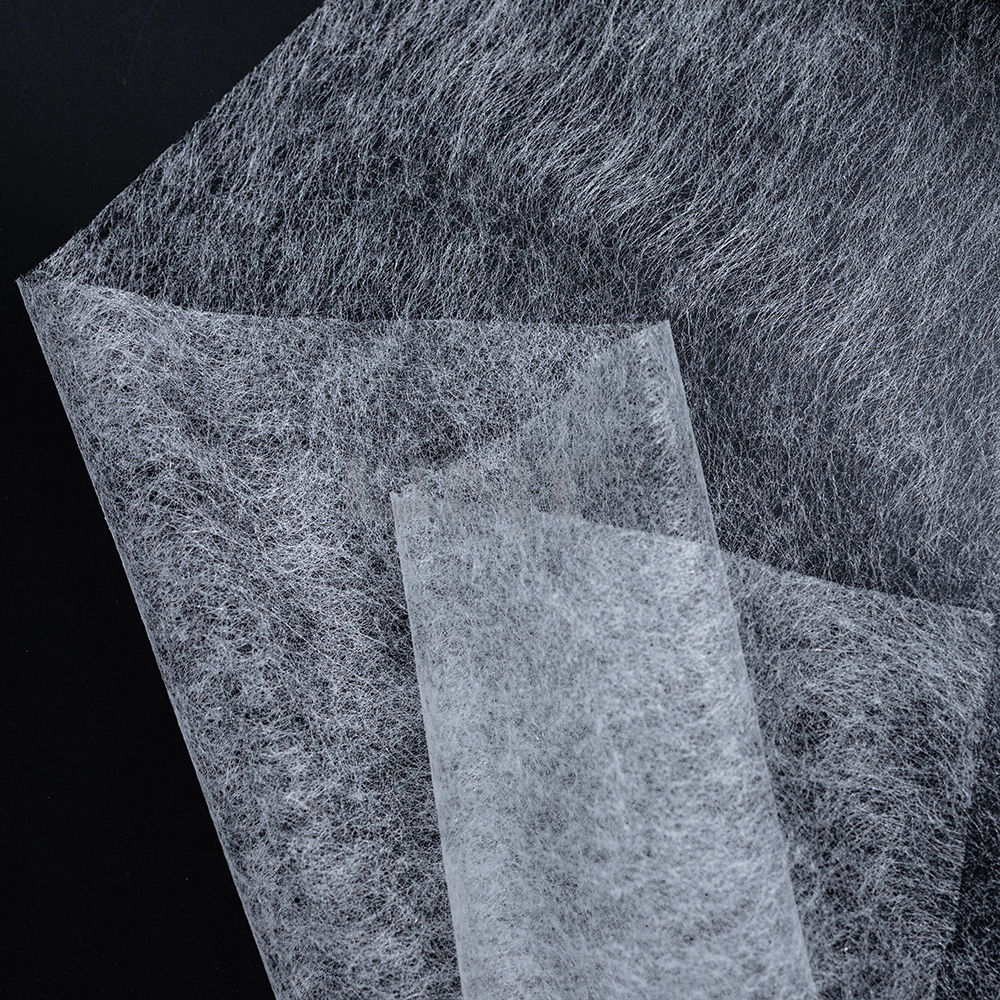
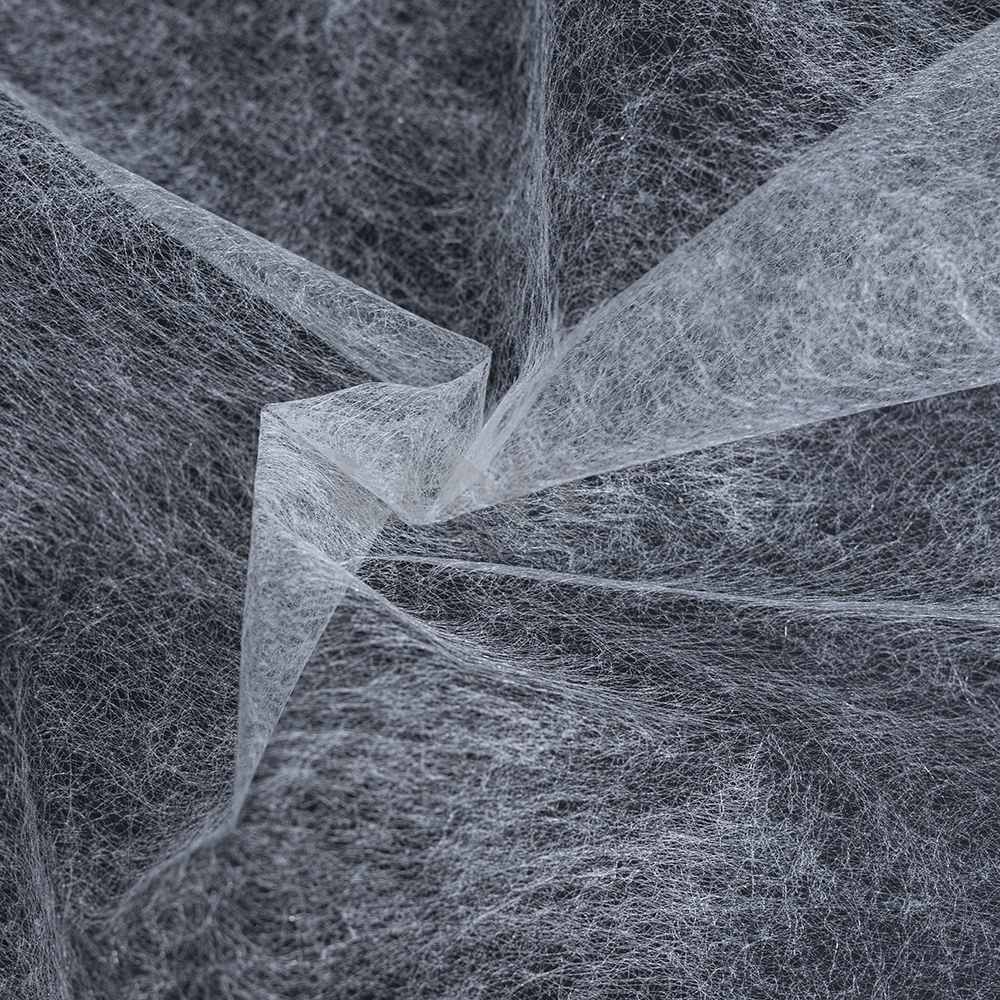
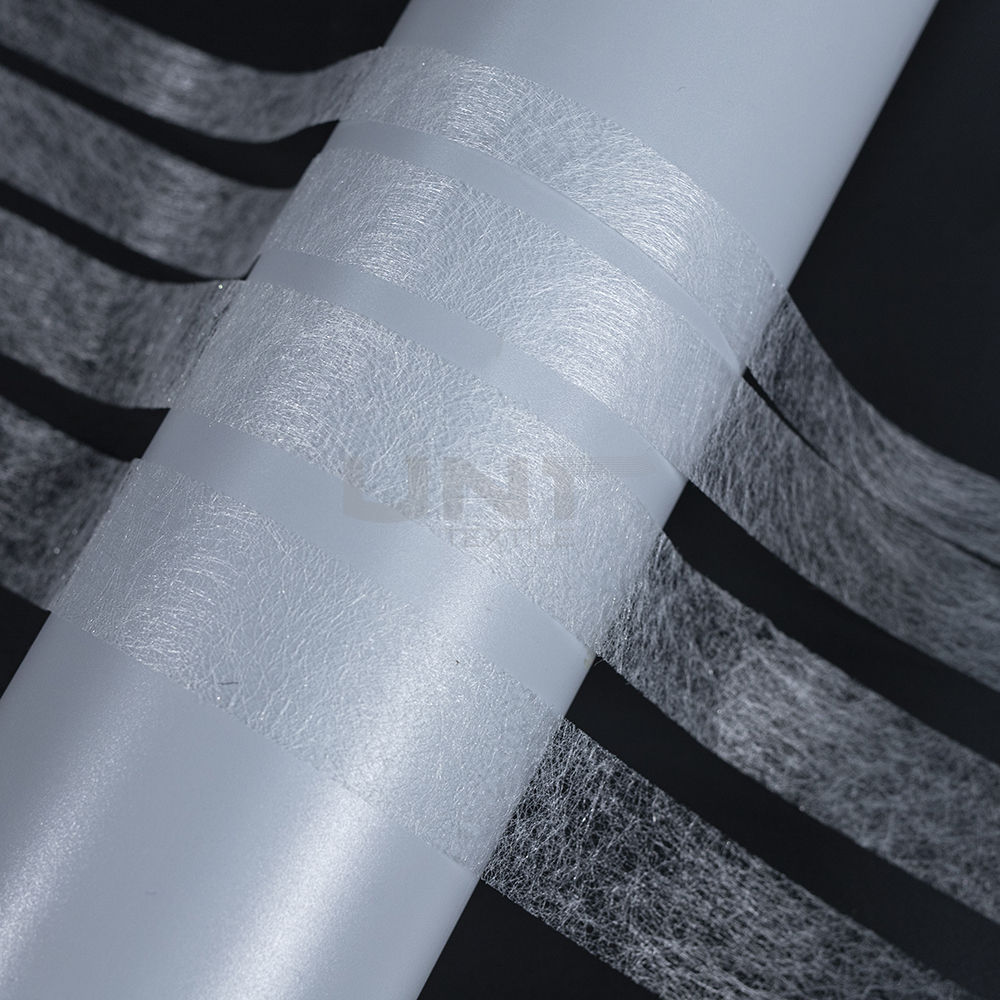
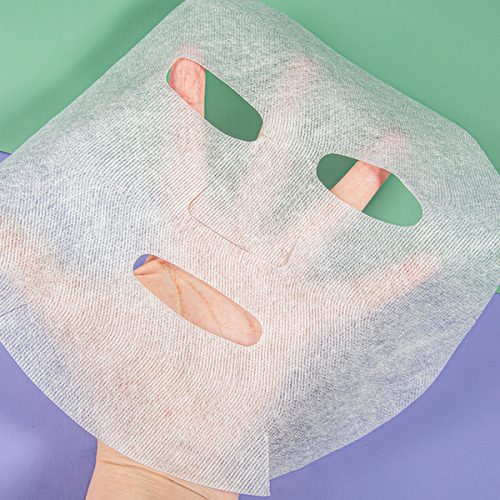
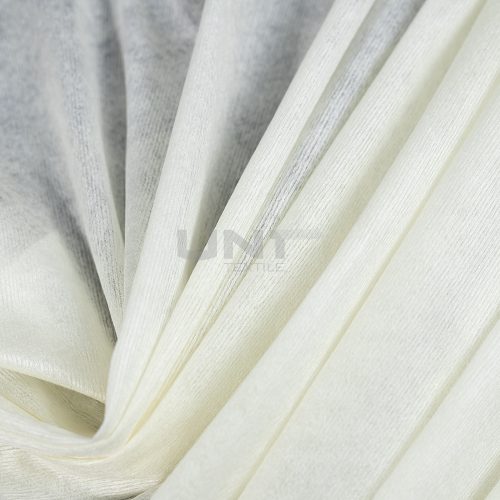
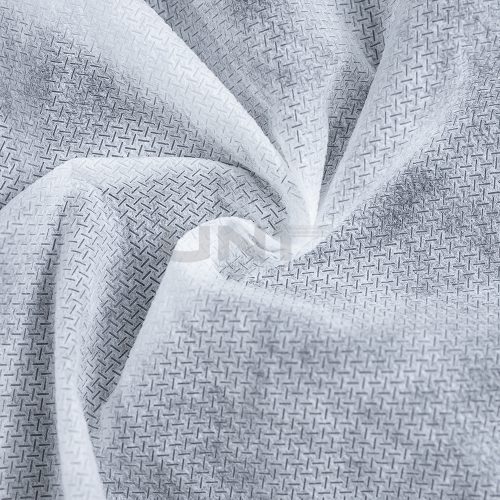
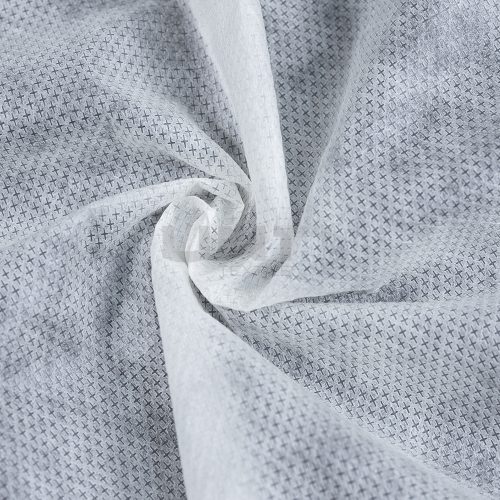
Hot melt adhesive web is a lightweight bonding material widely used in garment manufacturing and textile lamination. Unlike adhesive films, this material has an open fiber structure that looks similar to a thin nonwoven web. Because of this structure, it allows air and moisture to pass through more easily after bonding.
In practical production, this makes a noticeable difference. When adhesive film is used in some fabrics, the bonding area may become slightly stiff. Adhesive web, on the other hand, usually keeps the fabric softer and more flexible after lamination. For garments or textiles that require comfort and breathability, this can be an important advantage.
Another reason manufacturers like adhesive web is its uniform bonding performance. During the heat pressing process, the adhesive fibers melt and spread between the layers of fabric. This helps create a stable bond while still maintaining the natural texture of the outer material.
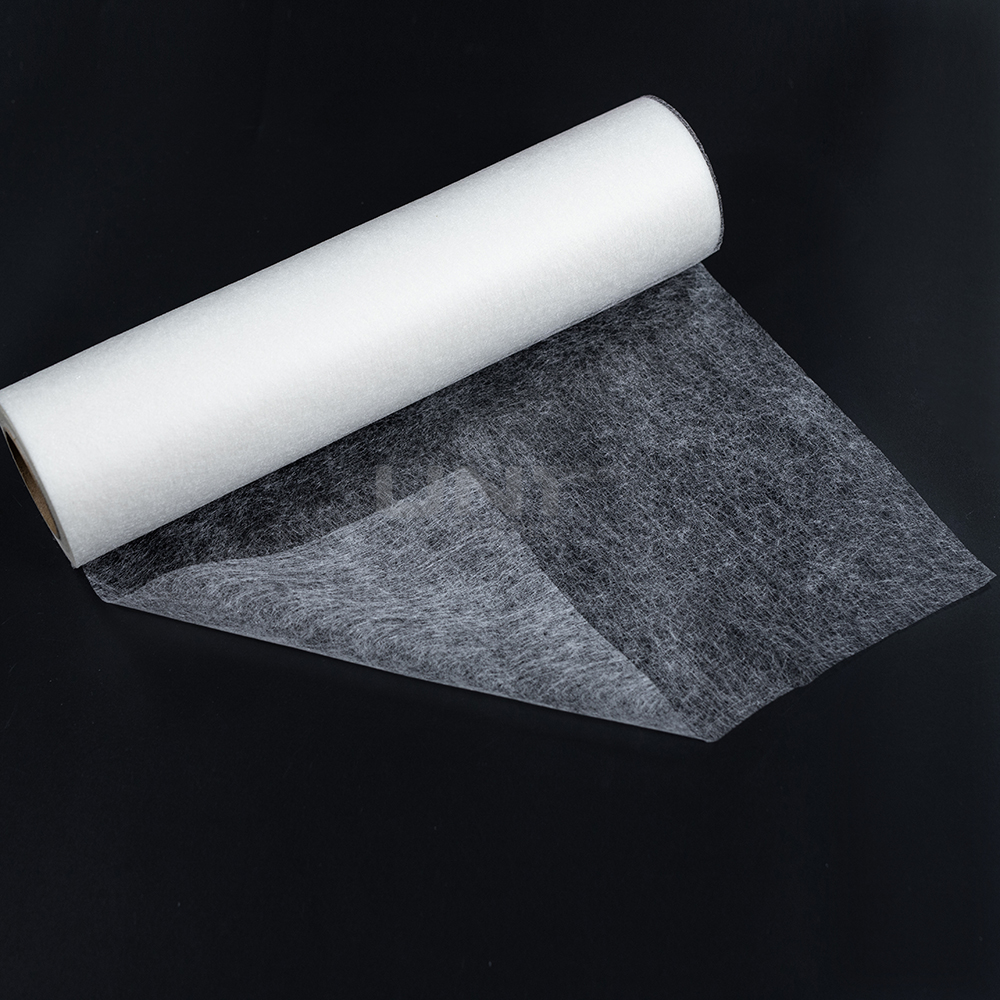
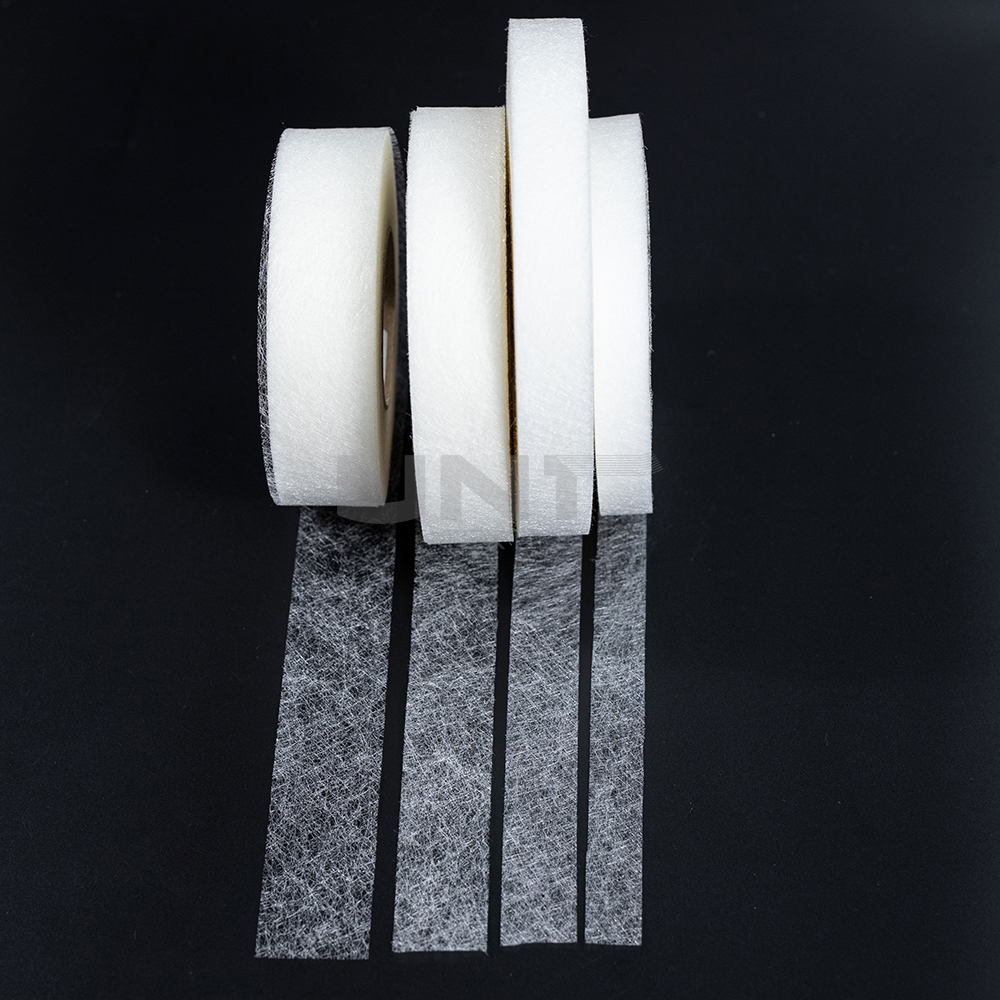
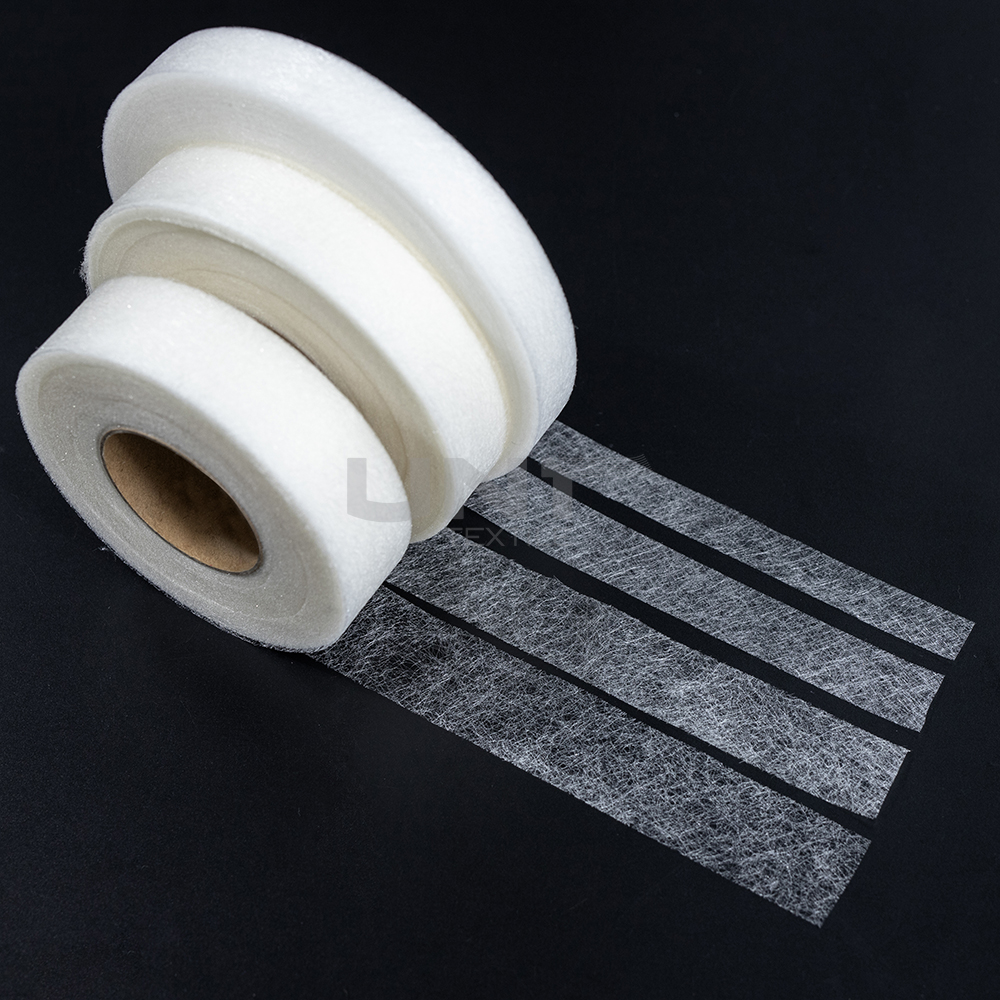
The web structure also makes it easier to handle during cutting and positioning. It can be supplied in rolls or sheets and works well with different lamination processes used in textile factories.
Because of these characteristics, hot melt adhesive web is often chosen when manufacturers want reliable bonding but do not want to sacrifice softness or flexibility in the finished product.
2. Hot Melt Adhesive Web vs Hot Melt Adhesive Film
Both adhesive web and adhesive film are commonly used bonding materials in textiles and garment accessories. They serve the same basic purpose, which is to join two materials together through heat and pressure. However, their structures are quite different.
Adhesive film is a continuous sheet of adhesive material. It usually provides strong bonding strength and is often used in applications where durability and waterproof performance are important.
Adhesive web has a fiber-like structure that forms a thin mesh. Because of this open structure, it tends to be more breathable and flexible after bonding. The bonded area often feels softer compared with film-based lamination.
In garment manufacturing, adhesive web is frequently used when the fabric needs to remain lightweight and comfortable. Adhesive film may be preferred in applications that require stronger sealing or waterproof bonding.
Both materials have their place in textile production, and the choice usually depends on the fabric type and the intended use of the finished product.
3. Functional Treatments & Material Options
Hot melt adhesive web can be produced using different polymer materials depending on the bonding requirements.
PA (Polyamide) adhesive web
Often used in garments and textiles that require good wash resistance and reliable bonding performance.
PES (Polyester) adhesive web
Commonly used in apparel lamination because it provides stable bonding and good compatibility with many fabrics.
EVA adhesive web
Provides lower melting temperature and flexible bonding performance.
TPU adhesive web
Suitable for applications where elasticity or flexibility is important.
Customized thickness and weight
The adhesive web can be produced in different weights to match different lamination requirements.
These material options allow manufacturers to select the most suitable adhesive web for their fabrics and production processes.
4. Common Applications of Hot Melt Adhesive Web
Hot melt adhesive web is used in many textile and garment manufacturing processes where two layers of material need to be bonded together.
Common applications include:
-
garment interlining lamination
-
bonding of collar and cuff materials
-
textile lamination for fashion fabrics
-
bonding of foam and fabric layers
-
shoe and bag materials
-
automotive textile lamination
-
embroidery patch bonding
Because the adhesive web keeps the bonded area relatively soft and breathable, it works well in applications where comfort and flexibility are important.
5. FAQ
Q1: What is the difference between adhesive web and adhesive powder?
Adhesive powder is usually scattered between fabric layers before pressing, while adhesive web is supplied as a thin sheet. The web structure makes it easier to control the bonding area during lamination.
Q2: What temperature is required for bonding adhesive web?
The bonding temperature depends on the adhesive material used. Different polymers such as PA, PES, or EVA have different melting ranges.
Q3: Can adhesive web be used with different types of fabrics?
Yes. It can be used with many materials including polyester fabrics, cotton fabrics, nonwoven materials, and foam laminations.
6. Why Choose UNT
UNT supplies hot melt adhesive materials and garment accessory solutions to manufacturers in the textile and apparel industry.
We focus on providing stable product quality and consistent supply so customers can maintain reliable production schedules. Our adhesive materials are available in different polymer types, weights, and widths to match various lamination requirements.
UNT also supports customization when customers require specific bonding characteristics for their fabrics.
With industry-focused experience and responsive service, UNT works with manufacturers who need dependable adhesive solutions for garment and textile production.
additional information
Stay Ahead With UNT Updates

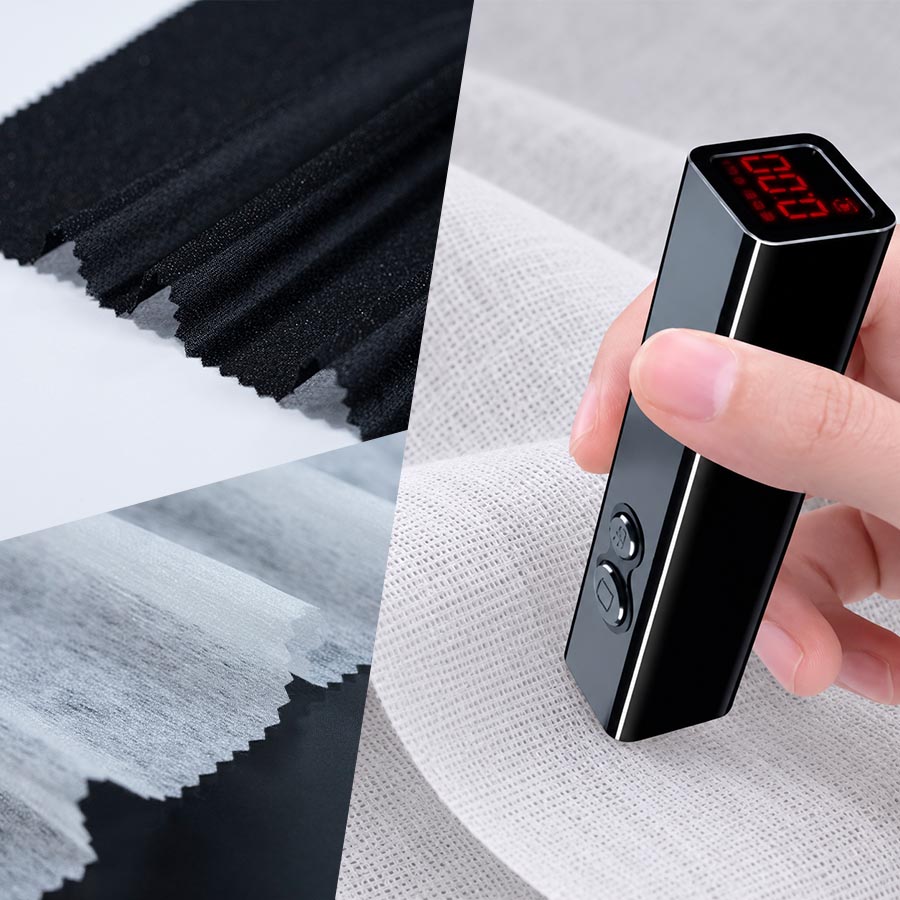
Fluorescence testing for interlining checks fluorescent whitening agents and helps buyers meet garment quality requirements.
-
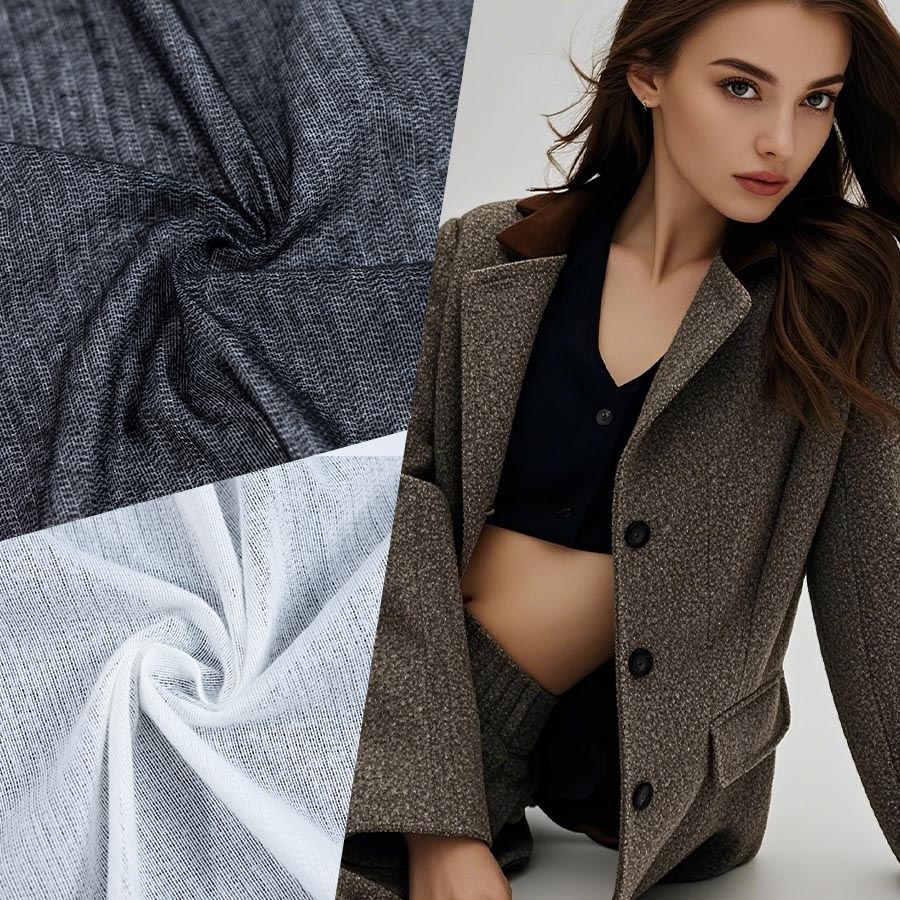
Interlining for wool coats should add shape without making the fabric stiff. Compare woven, napped, and hair interlining options.
-
Microdot fusible interlinings use fine adhesive dots for smooth bonding, soft hand feel, and clean garment appearance.
.png)