
How Do You Choose Coat Interlining
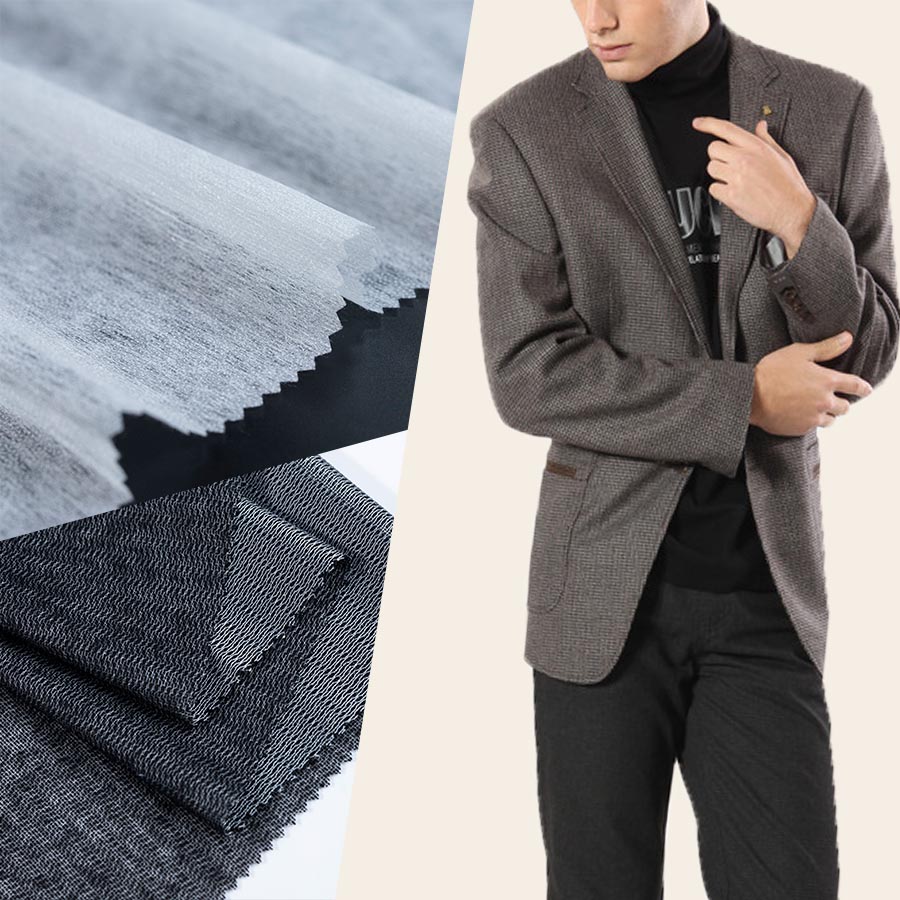
A coat usually uses heavier fabric than a shirt or lightweight jacket, but that does not mean the interlining should simply be heavier too.
If the coat interlining is too firm, the garment may lose its natural drape. If it is too soft, the front, collar, or lapel may not have enough support.
The right choice depends on the coat fabric, construction, required hand feel, and care method.
For buyers, matching the interlining to the finished garment is more important than choosing only by GSM.
What Does Coat Interlining Do?
Coat interlining is placed inside selected parts of a coat to provide structure and shape.
Common areas include:
- coat fronts;
- collars;
- lapels;
- chest areas;
- facings;
- cuffs;
- some pocket areas.
Its purpose is not simply to make the coat stiff.
A good interlining should support the garment while allowing the outer fabric to keep the intended appearance and movement.
This is especially important for wool, wool-blend, and other heavier coat fabrics.
Which Types of Coat Interlining Are Common?
Different coat styles may use different interlining constructions.
| Type | Main Character | Common Coat Application |
|---|---|---|
| Woven Interlining | Stable and fabric-like | Coat fronts, collars and facings |
| Weft Insert Napping Interlining | Fuller, softer surface | Coats with lower washing requirements |
| Nonwoven Interlining | Available in different weights and hand feels | General coat production |
| Hair Interlining | Structured with natural movement | Tailored coats and formal outerwear |
| Knit Interlining | Softer and more flexible | Lightweight or softer coat fabrics |
There is no one type that works for every coat.
The outer fabric should always be tested together with the interlining.
Why Is Hand Feel Important for Coats?
Coat fabrics are often thick, soft, brushed, or textured.
If the support layer is too rigid, it can change the original character of the fabric.
For example, a soft wool coat may need enough body to keep its front shape, but the customer may still expect a soft and natural touch.
This is why buyers should check the combined hand feel after fusing, not only the interlining roll.
In some coat applications with lower washing requirements, weft insert napping interlining can be considered. Its napped surface helps create a fuller hand feel and can work well with heavier outer fabrics.
Woven, Nonwoven or Hair Interlining?
The choice depends on the coat construction.
Woven Interlining
Woven interlining is often used when the coat needs stable support.
It can be suitable for fronts, collars, and other structured areas.
The weight and hand feel should match the outer fabric.
Nonwoven Interlining
Nonwoven products provide more options in weight and price.
They can be used in general coat production when the required structure is not extremely high.
Chemical bond, thermal bond, or other nonwoven constructions may be selected depending on the finished hand feel.
Hair Interlining
Hair interlining is mainly used in tailored coats and structured garments.
Instead of being fully fused to the shell fabric, it can be sewn into the garment structure.
This allows the coat to maintain shape while keeping more natural movement.
Fusible or Sew-In Coat Interlining?
Fusible interlining is widely used in industrial coat production.
Heat and pressure activate the adhesive and bond the interlining to the outer fabric.
It is suitable when:
- production efficiency matters;
- the coat fabric can tolerate fusing heat;
- stable bonding is required.
Sew-in interlining may be preferred for traditional tailoring, hair canvas construction, or fabrics that do not perform well under heat and pressure.
The production method should be decided before the interlining is selected.
What Should Be Tested Before Bulk Production?
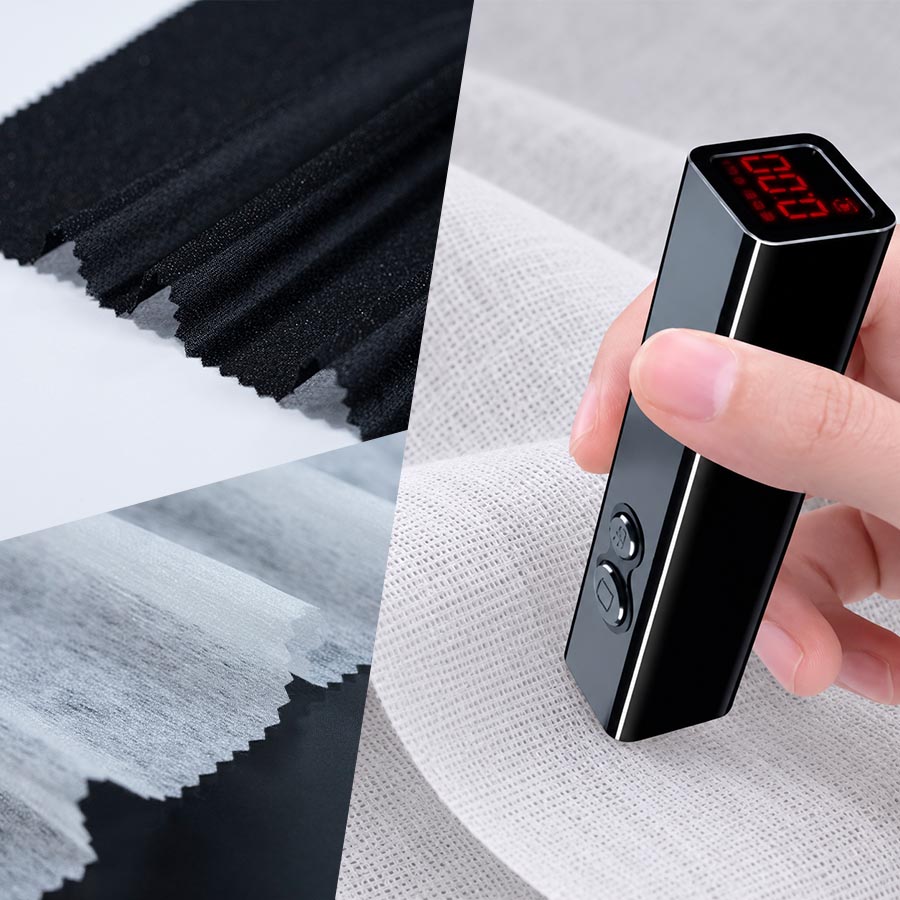
Coat fabrics can react differently during fusing, so sample testing is important.
Hand Feel
Check whether the coat still feels natural after the interlining is added.
Peel Strength
For fusible coat interlining, bonding strength should be checked after the sample has cooled.
Shrinkage
The interlining and outer fabric should have compatible dimensional change.
Different shrinkage can cause bubbling or distortion.
Surface Appearance
Check for:
- bubbling;
- adhesive marks;
- surface flattening;
- fabric texture changes;
- uneven bonding.
Care Performance
The sample should be tested according to the actual coat care method.
For washable coats, check the result after washing. For garments intended for dry cleaning, the appropriate care test should also be considered.
Common Problems with Coat Interlining
The Coat Becomes Too Stiff
The interlining may be too heavy, too firm, or have too much adhesive for the shell fabric.
A different construction may work better than simply reducing GSM.
The Surface Bubbles
Possible causes include unsuitable fusing conditions, shrinkage differences, or poor bonding compatibility.
The Coat Front Loses Shape
The interlining may not provide enough support for the outer fabric.
This often becomes more visible after wearing or cleaning.
Common Questions About Coat Interlining
Is coat interlining always heavier than jacket interlining?
No. The correct weight depends on the coat fabric and required structure.
Which interlining is suitable for wool coats?
Woven, weft insert napping, or hair interlining may be considered depending on the coat construction and hand feel.
Can nonwoven interlining be used in coats?
Yes. Suitable nonwoven products can be used when their weight, stiffness, and bonding performance match the outer fabric.
Should coat interlining be tested before production?
Yes. Testing with the actual outer fabric helps confirm hand feel, bonding, shrinkage, and surface appearance.
Can coat interlining be customized?
Yes. Material, weight, width, color, hand feel, adhesive coating, glue dot pattern, roll length, and packaging can be adjusted according to the order.
Why Choose UNT for Coat Interlining?
UNT supplies woven, nonwoven, weft insert napping, and hair interlining for different coat constructions. Production can be customized for GSM, width, color, hand feel, adhesive coating, glue dot pattern, roll specification, and packaging. OEM and ODM are available.
Testing can include peel strength, bonding strength, tensile and breaking strength, shrinkage, dimensional stability, fusing performance, wash or care performance, and fluorescence.
- Samples: normally within 3 days
- Stock orders: normally 3–7 days
- Customized orders: normally 7–15 days
Available certification includes OEKO (SH001 285226) and GRS (BVC-TE-00011147-GRS-2602-50007497-V1.0), subject to product applicability.
Contact Us
Shanghai Uneed Textile Co., Ltd
TEL: +86-21-33608891
FAX: +86-21-33608892
Email: info@uneed-tex.com
continue reading
Related Posts

Fluorescence testing for interlining checks fluorescent whitening agents and helps buyers meet garment quality requirements.
-
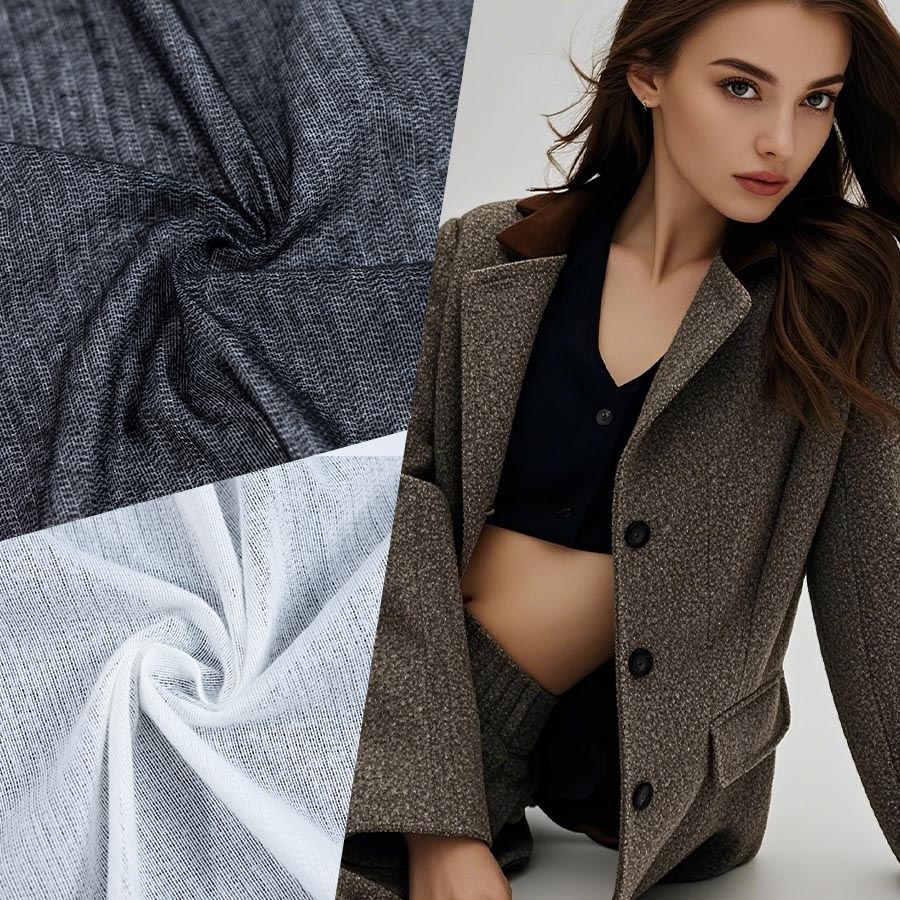
Interlining for wool coats should add shape without making the fabric stiff. Compare woven, napped, and hair interlining options.
-
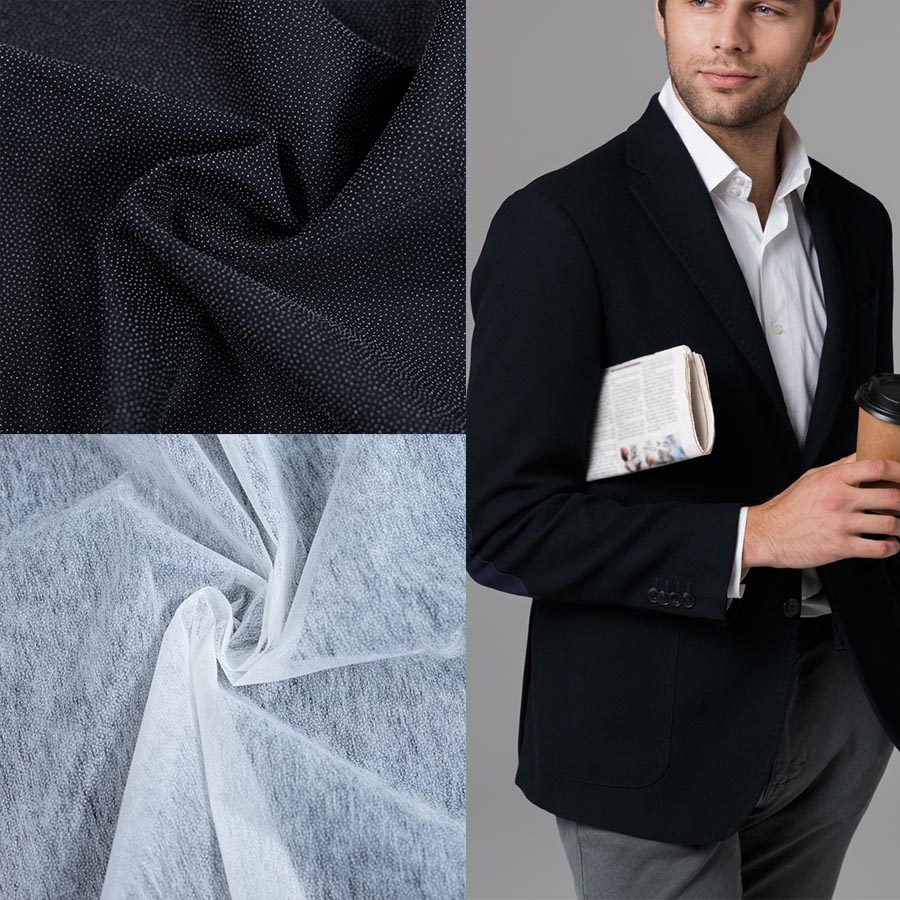
Microdot fusible interlinings use fine adhesive dots for smooth bonding, soft hand feel, and clean garment appearance.
.png)