
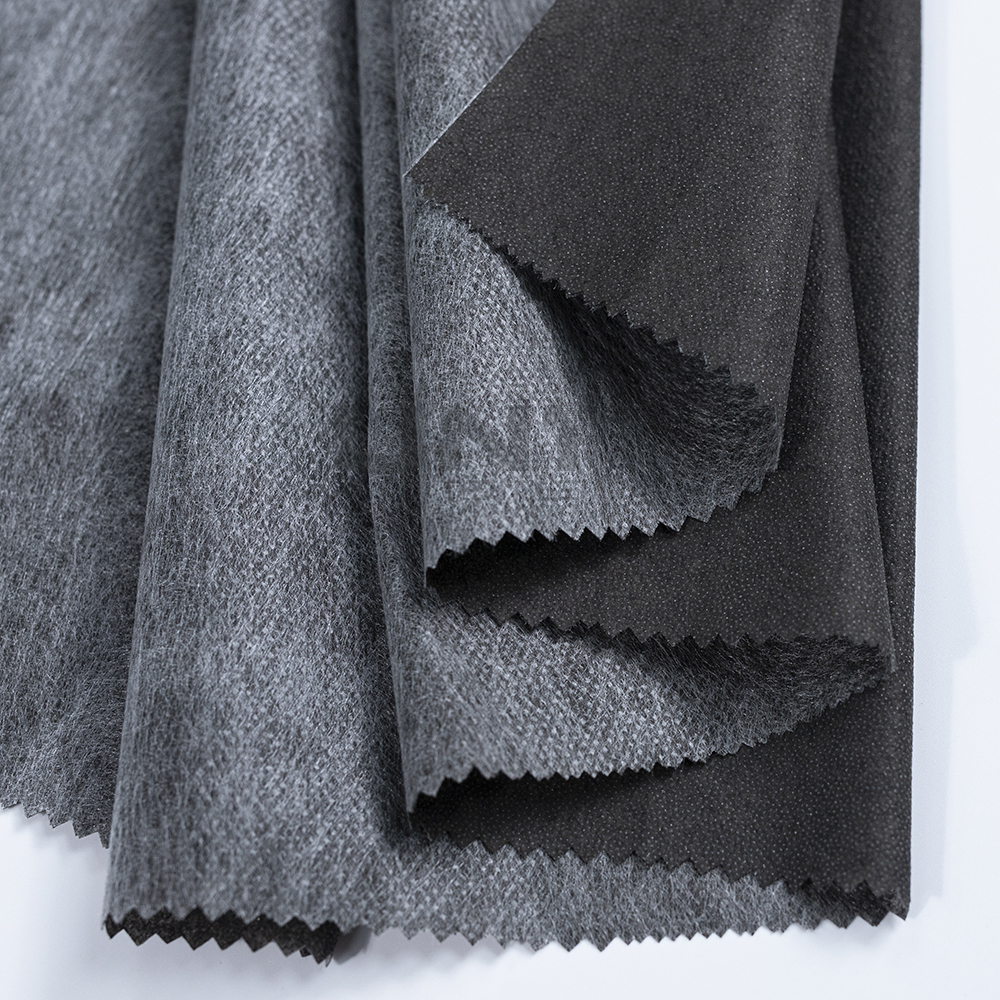
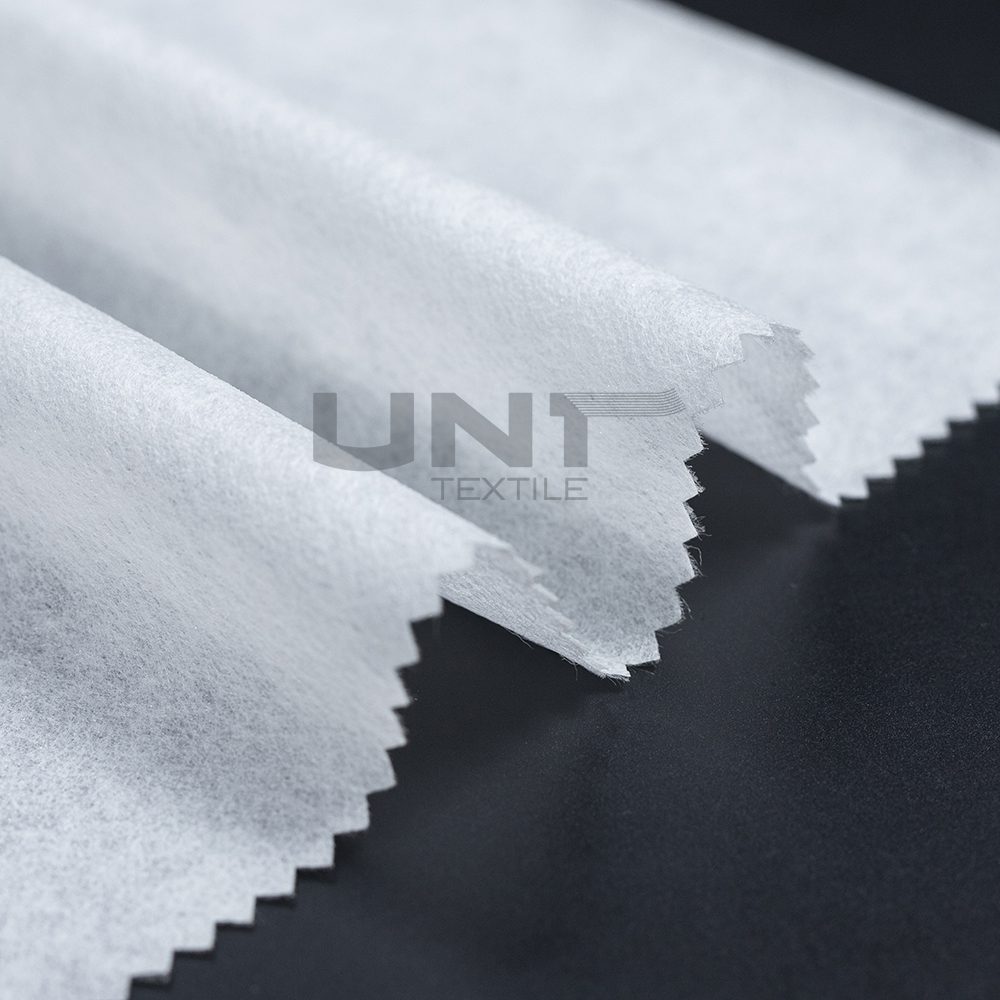
Elastic Nonwoven Interlining
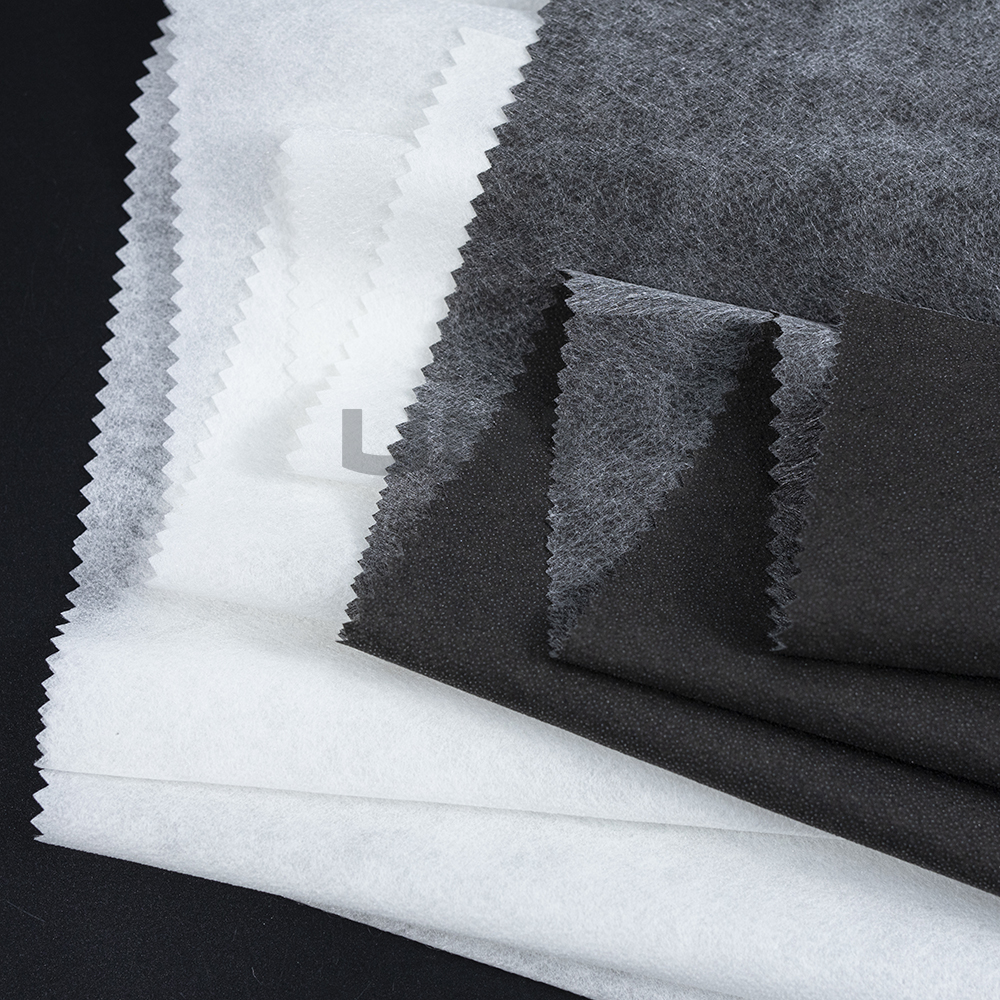
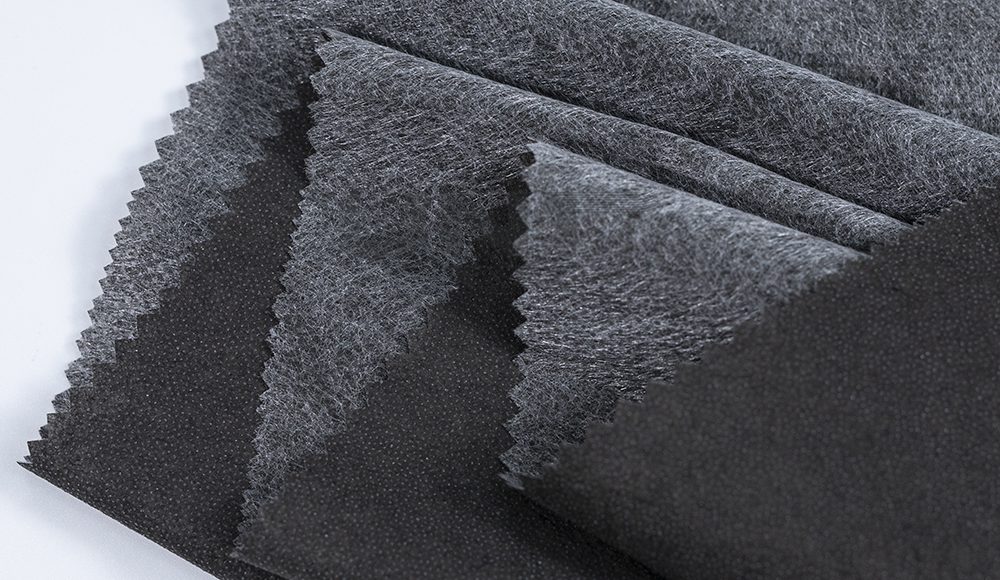
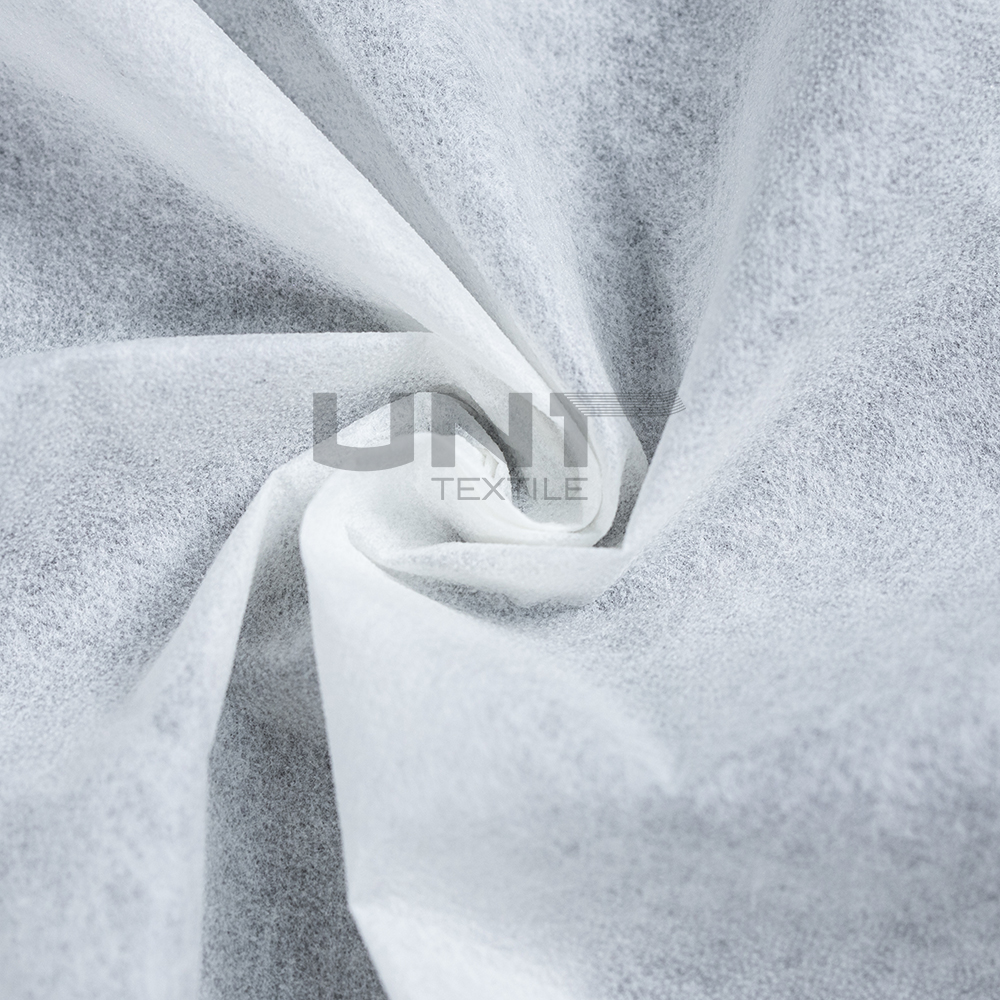
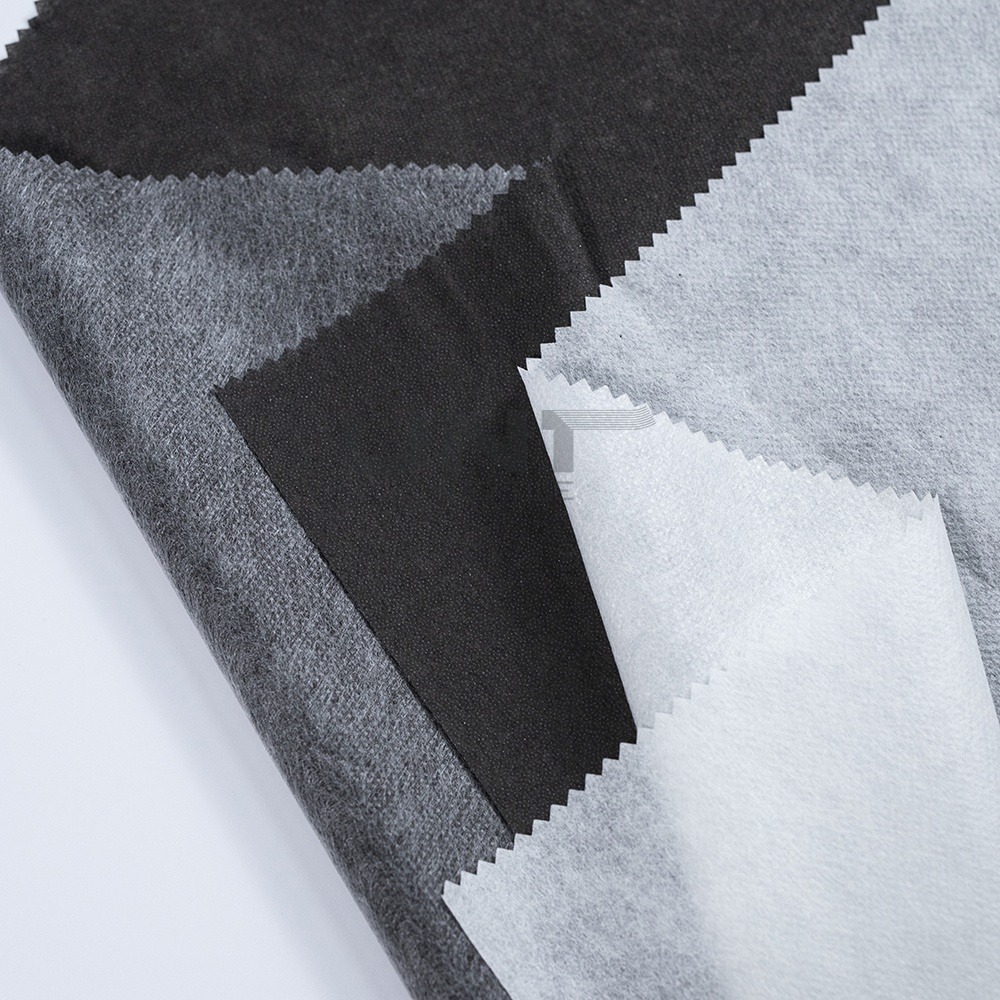
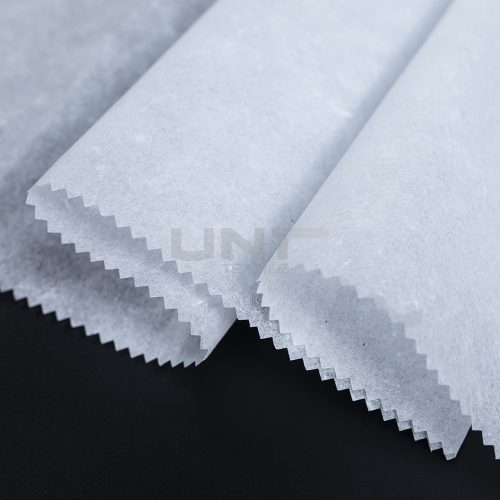
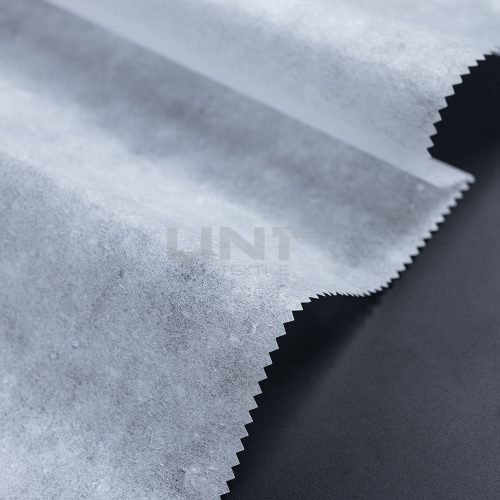
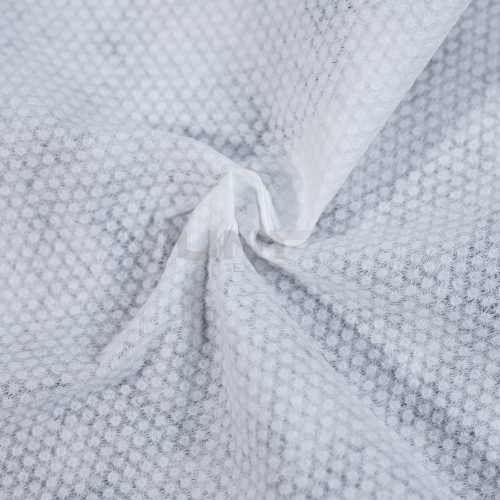
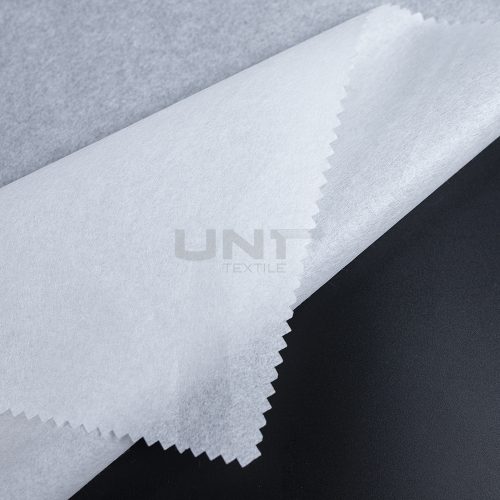
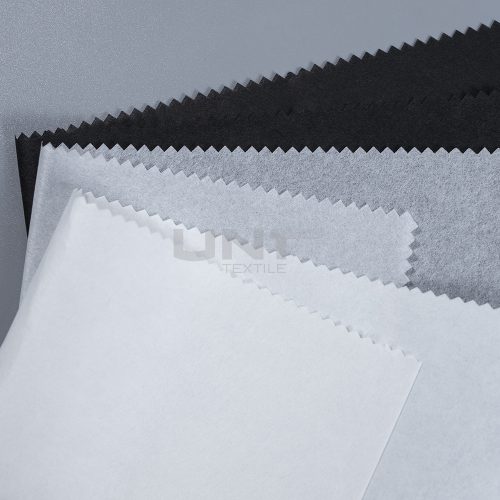
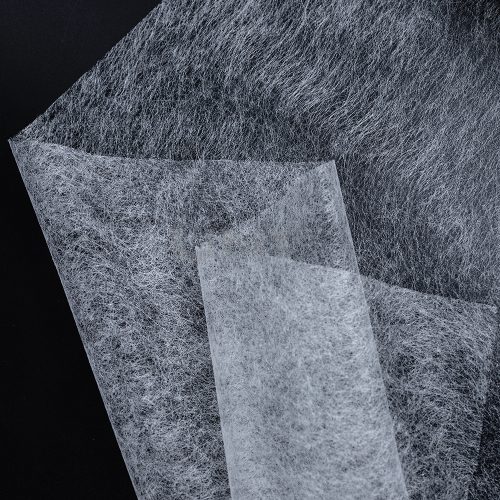
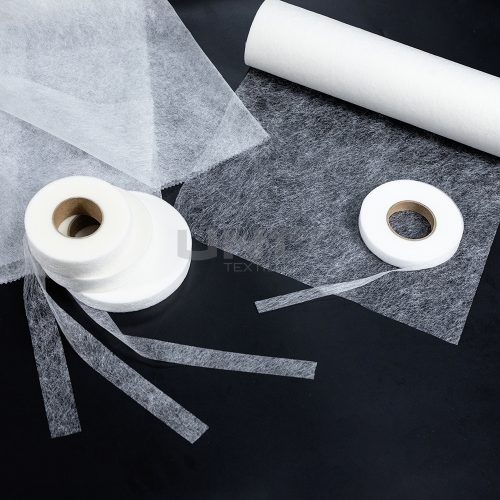
Elastic Nonwoven Interlining is a specialized interlining designed for garments that need both flexibility and resilience. It offers excellent elasticity and recovery properties, making it the perfect choice for stretchable and activewear fabrics. This product ensures that garments hold their shape and provide enhanced comfort, even in the most dynamic applications.
product introduce
Elastic Nonwoven Interlining Product Highlights:
- Exceptional Elasticity: It provides superior stretch and recovery, ensuring the interlining moves seamlessly with the fabric during wear.
- Comfort and Flexibility: This interlining enhances garment comfort by adapting to body movements without compromising durability or shape.
- Adaptable to Stretch Fabrics: It’s designed specifically for use with stretchable materials like knits and elastane blends, making it perfect for sportswear and casual attire.
- Lightweight and Breathable: Our interlining adds support while maintaining the fabric’s natural feel, making it ideal for lightweight and breathable garments.
1. Product Advantages
Elastic nonwoven interlining is designed for garments that need support but still require a certain level of stretch. In modern clothing, many fabrics already contain elastic fibers, especially in sportswear, casual wear, and stretch garments. If a normal rigid interlining is used in these fabrics, the garment may lose flexibility and feel uncomfortable.
This type of interlining helps solve that problem. Because the material has a certain level of elasticity, it can move together with the outer fabric instead of restricting it. When the garment stretches during wearing, the interlining stretches as well, which helps maintain comfort and garment shape at the same time.
Another practical advantage is better compatibility with stretch fabrics. When manufacturers work with materials such as stretch cotton, knit fabrics, or fabrics containing spandex, elastic interlining helps maintain the natural movement of the garment. The finished clothing keeps its structure while still allowing flexibility.
The fabric is also easy to process in garment factories. It can be cut, fused, and sewn in a similar way to other nonwoven interlinings, so it fits well into existing production lines. For manufacturers producing stretch garments, elastic nonwoven interlining is often a practical choice.
2. Elastic Interlining vs Regular Nonwoven Interlining
In traditional garments made from woven fabrics without stretch, regular nonwoven interlining usually works well because the garment structure does not need to stretch.
However, modern apparel often uses stretch fabrics. If a rigid interlining is applied to these materials, the garment may feel tight in certain areas, especially around collars, plackets, or waist sections.
Elastic interlining is developed to match these fabrics. Instead of restricting the fabric movement, it allows the garment to stretch more naturally. This keeps the garment comfortable while still giving the necessary support in key areas.
For clothing that includes elastic or stretch fabrics, this type of interlining is often a better match.
3. Functional Treatments & Surface Finishing Options
Elastic nonwoven interlining can be produced with different treatments depending on garment manufacturing needs.
Adhesive coating options
PA or PES adhesive coatings can be applied to create fusible interlining suitable for different fabrics.
Soft finishing treatment
Additional finishing can improve the flexibility and hand feel when used with stretch fabrics.
Anti-static treatment
Helps reduce static electricity during cutting and sewing processes.
Shrinkage control treatment
Heat-setting processes improve dimensional stability during garment processing.
Customized weight and width
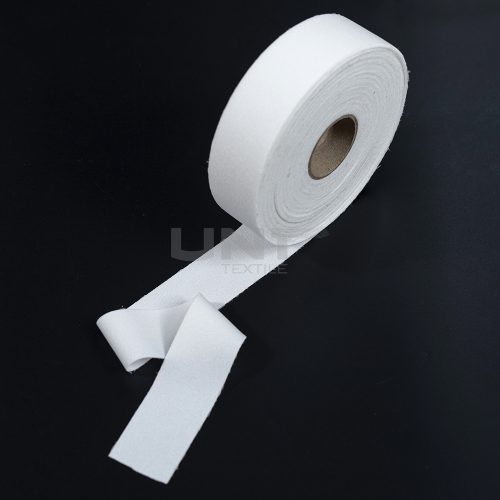
Different fabric weights and roll widths can be produced according to garment requirements.
These options allow garment manufacturers to select specifications that work best with their fabrics.
4. Common Applications of Elastic Nonwoven Interlining
Elastic nonwoven interlining is mainly used in garments that require flexibility together with structural support.
Typical applications include:
-
stretch shirts
-
casual apparel
-
sportswear
-
knit garments
-
stretch waistbands
-
fashion garments made with elastic fabrics
In these garments, the interlining helps maintain garment shape while still allowing the fabric to move naturally.
5. FAQ
Q1: What materials are used to produce elastic nonwoven interlining?
Most products are made from polyester fibers combined with elastic components, which provide both stability and flexibility.
Q2: Can elastic nonwoven interlining be fused to fabrics?
Yes. Many products are coated with adhesive so they can bond to fabrics through heat pressing.
Q3: Is this interlining suitable for knit fabrics?
Yes. Because it has a certain level of elasticity, it works well with knit fabrics and other stretch materials.
6. Why Choose UNT
UNT focuses on supplying garment interlining materials to apparel manufacturers around the world.
We provide stable product quality and consistent supply so customers can maintain reliable production schedules. Our interlining products are available in different weights, widths, and adhesive coating options to match various fabrics.
UNT also supports customization when customers require specific specifications for their garments.
With industry-focused experience and responsive service, weboss works with manufacturers who need dependable interlining solutions.
additional information
| Material | 100% Polyester / Polyester + Spandex |
|---|---|
| Width | 90cm, 100cm, 150cm |
| Color | White, Optical White, Black |
| Weight | 30gsm – 70gsm |
| MOQ (Minimum Order Quantity) | 500 meters |
| Certificates | OEKO-TEX, SGS, GRS |
| Price | 0.4 – 2.5 USD per meter |
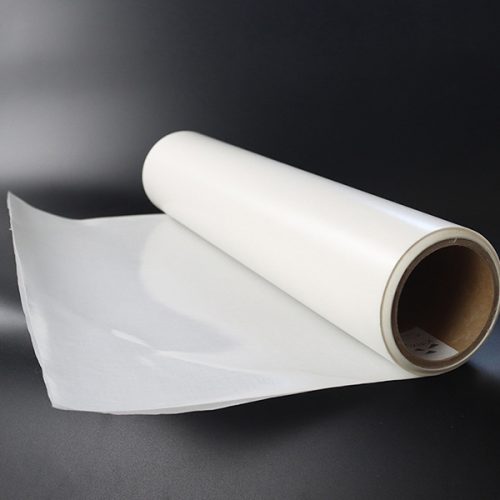
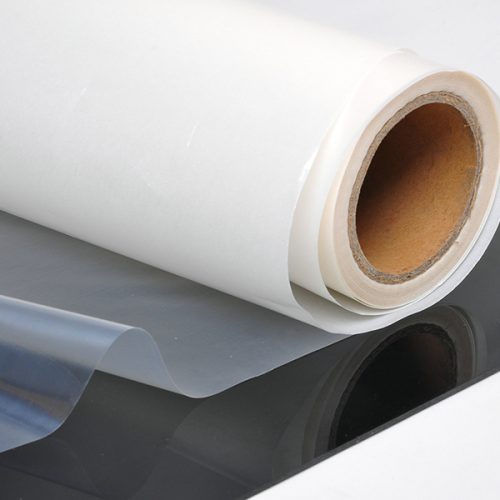
| Packaging | PE plastic bag and Nylon bag; the roll packed by transparent strong plastic bag, the outside by strong woven polybag. |
| Transportation | By sea, air, or express |
| Payment Terms | L/C, D/A, D/P, T/T, Western Union |
| Delivery Time | 7-15 days |
| Monthly Production | 1,000,000 meters |
| Roll Length | 100 meters per roll |
| Elastic Properties | High stretch and recovery, suitable for stretchable and fitted garments |
| Features | Lightweight, high elasticity, durable bonding, excellent hand feel, compatible with various fabrics. |
| Applications | Sportswear, casual wear, stretchable garments, and fitted applications requiring elasticity and resilience |

Stay Ahead With UNT Updates

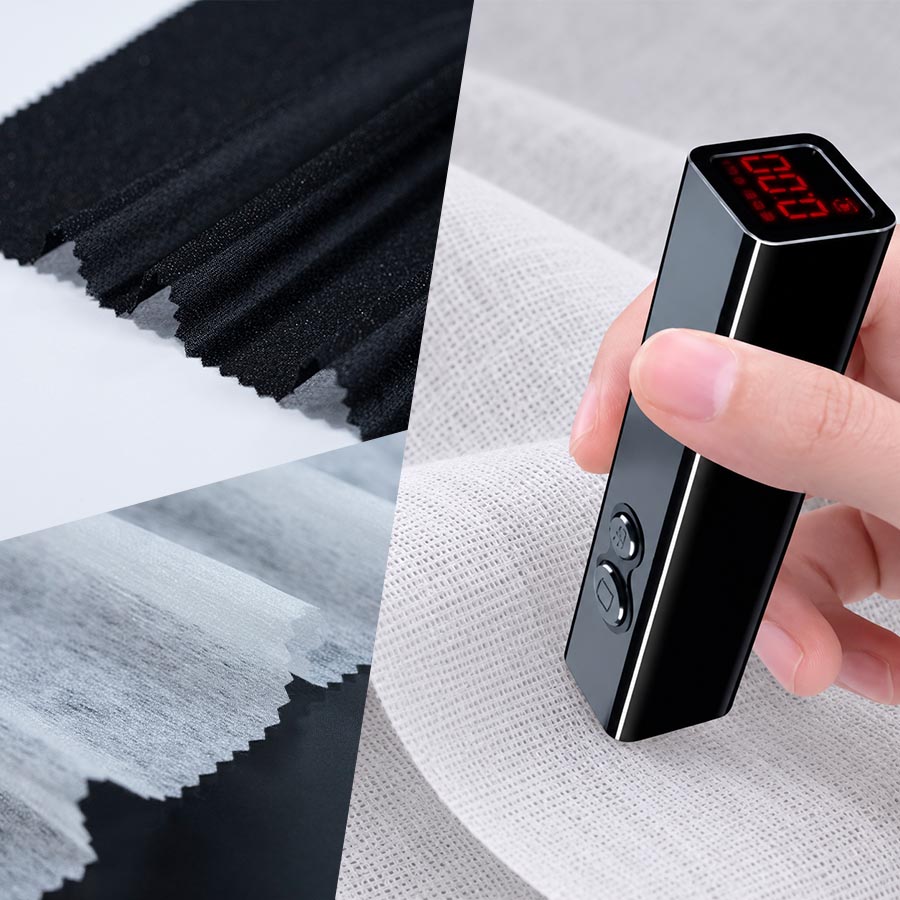
Fluorescence testing for interlining checks fluorescent whitening agents and helps buyers meet garment quality requirements.
-
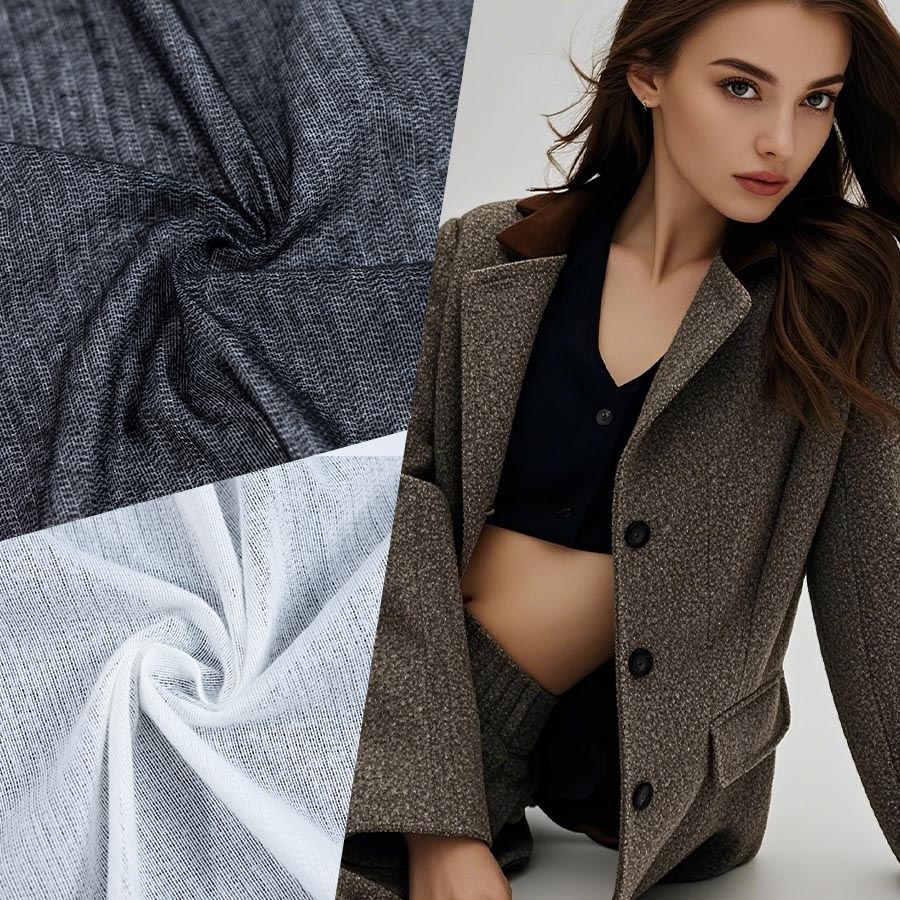
Interlining for wool coats should add shape without making the fabric stiff. Compare woven, napped, and hair interlining options.
-
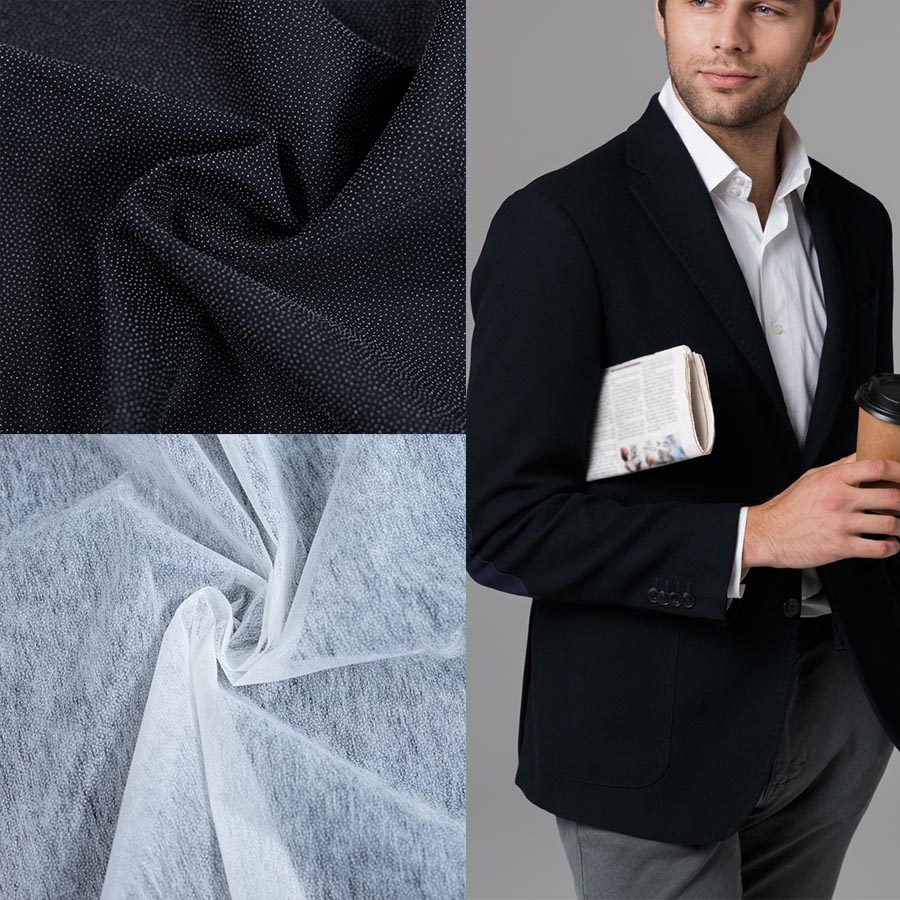
Microdot fusible interlinings use fine adhesive dots for smooth bonding, soft hand feel, and clean garment appearance.
.png)