
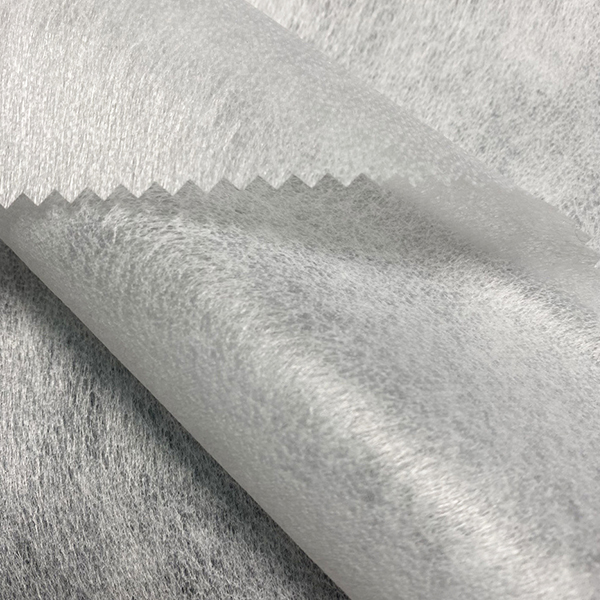
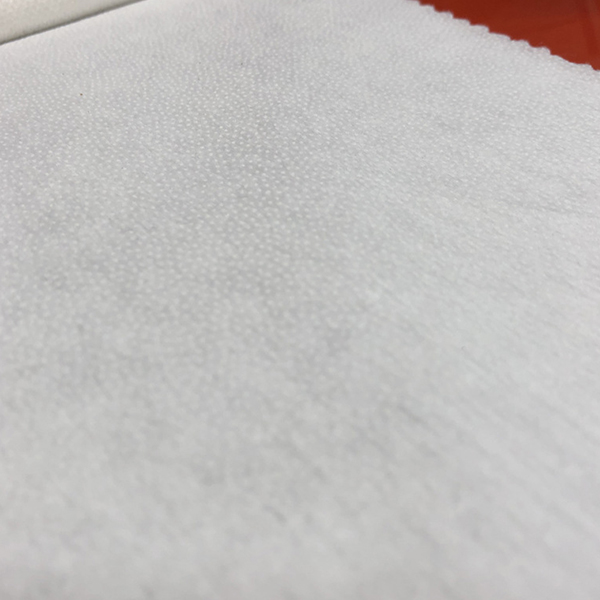
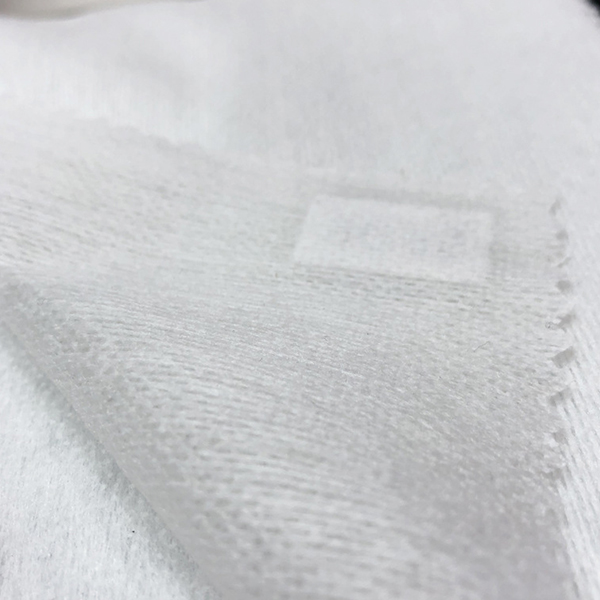
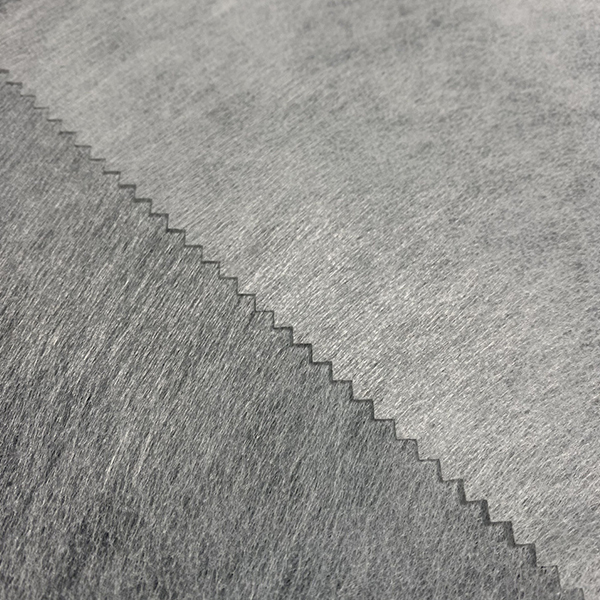
Spunlace Nonwoven Interlining
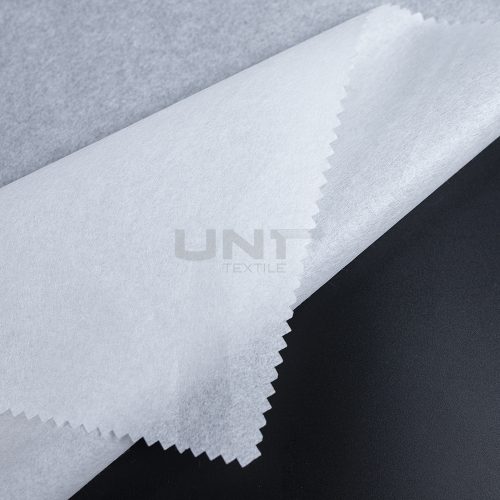
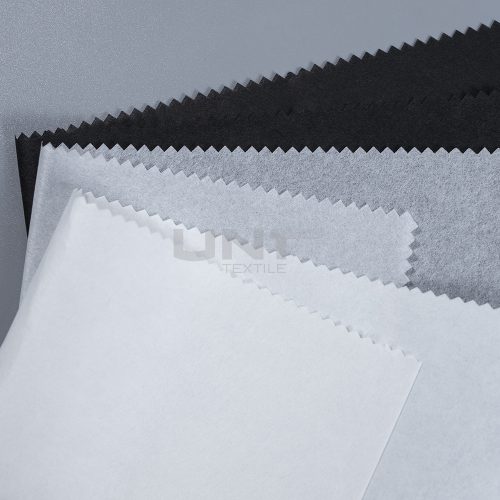
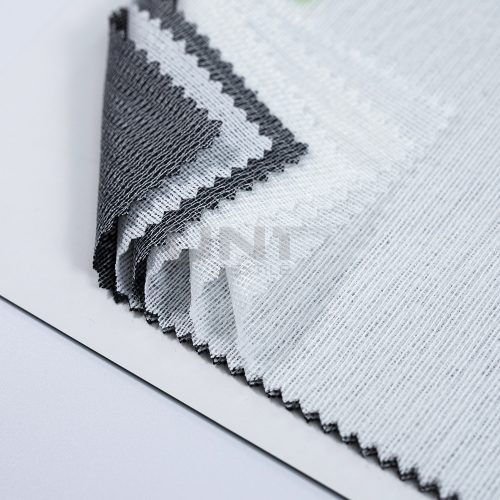
Our Spunlace Nonwoven Interlining is crafted using high-pressure water jet bonding, which gives it excellent softness, strength, and an eco-friendly quality.
It’s a perfect choice for fashion garments like blouses, lightweight dresses, and jackets. With its superior adaptability to delicate fabrics and high breathability, this interlining is ideal for any application that needs a smooth finish and lightweight reinforcement.
product introduce
Spunlace Nonwoven Interlining Product Highlights
- Soft and Flexible: This interlining provides exceptional softness and flexibility, which gives lightweight and delicate garments enhanced comfort.
- Eco-Friendly Bonding: Manufactured with a chemical-free process, it supports sustainable and environmentally friendly practices.
- Strong and Durable: It offers robust support and stability without compromising on comfort and the fabric’s natural flow.
- Versatile Application: This fabric is suitable for a wide range of uses, from fashion apparel to industrial textiles.
1. Product Advantages
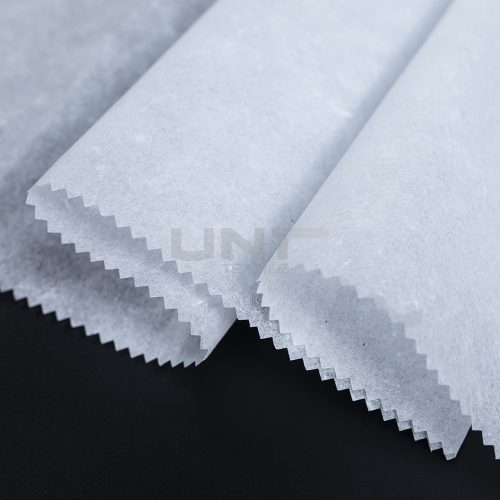
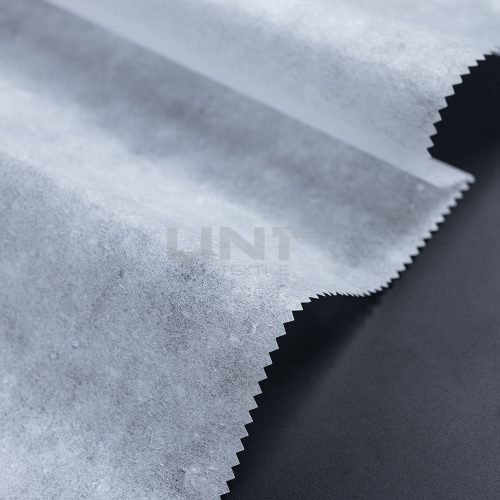
Spunlace nonwoven interlining is known for its soft hand feel and flexible structure. It is produced through a high-pressure water jet process that entangles fibers together to form a fabric without using chemical binders. Because of this production method, the material usually feels softer and more natural compared with some other nonwoven interlinings.
One of the main advantages is comfort. The fabric has a textile-like touch, which makes it suitable for garments where softness matters. When fused to outer fabrics, it can provide support without making the garment feel stiff.
Another benefit is good breathability. The fiber structure created by the spunlace process allows air to pass through the fabric more easily. This can help improve the overall comfort of the finished garment, especially in clothing that is worn close to the body.
Spunlace interlining also performs well during the fusing process. When coated with adhesive, it can bond evenly to different types of fabrics. After fusing, the garment parts maintain their shape while still keeping a natural drape.
Because of these characteristics, many garment manufacturers choose spunlace interlining when they want both support and comfort in the final product.
2. Spunlace Interlining vs Traditional Nonwoven Interlining
In garment production, several types of nonwoven interlining are available. Spunlace interlining is often compared with other structures such as chemical bonded or thermal bonded nonwoven interlining.
The main difference lies in how the fibers are connected. Spunlace fabrics are created by entangling fibers with high-pressure water jets. This process produces a fabric that feels softer and more flexible.
Chemical bonded interlining, on the other hand, uses resin binders to hold fibers together. This can provide stronger structural support but sometimes results in a firmer hand feel.
For garments where comfort and softness are important, spunlace interlining is often preferred. It helps maintain garment shape while still allowing the fabric to move naturally.
3. Functional Treatments & Surface Finishing Options
Spunlace nonwoven interlining can be produced with different treatments depending on garment requirements.
Adhesive coating options
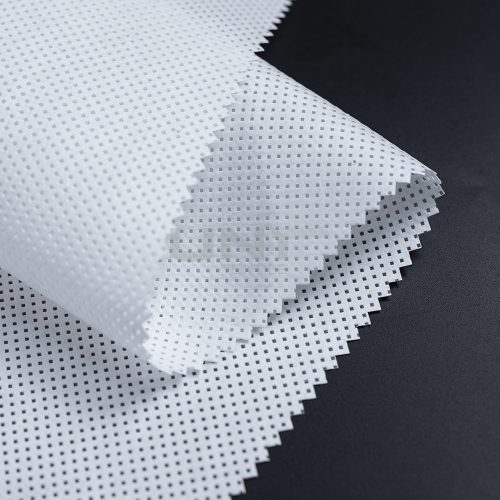
PA, PES, or other adhesive powders can be applied to create fusible interlining suitable for different garment fabrics.
Soft finishing treatment
Additional finishing can further improve the hand feel when used with lightweight apparel.
Anti-static treatment
Helps reduce static electricity during garment production and wearing.
Hydrophilic or hydrophobic treatment
Surface treatments can adjust the moisture behavior of the fabric depending on application needs.
Customized weight and width
Different GSM levels and roll widths can be produced according to garment production requirements.
These options allow garment manufacturers to select interlining that matches their fabric and production process.
4. Common Applications of Spunlace Nonwoven Interlining
Because of its soft and flexible structure, spunlace nonwoven interlining is used in a variety of garments.
Common applications include:
-
shirt collars
-
cuffs
-
plackets
-
blouse fronts
-
dresses
-
lightweight jackets
-
fashion garments
It is particularly suitable for garments where both structure and comfort are required. The interlining supports the fabric while still allowing the garment to keep a natural drape.
5. FAQ
Q1: What fibers are commonly used for spunlace interlining?
Most products are made from polyester fibers or polyester blends. Some versions may also include viscose fibers to improve softness.
Q2: Can spunlace interlining be used as fusible interlining?
Yes. Many products are coated with adhesive so they can bond with garment fabrics through heat and pressure.
Q3: Is spunlace interlining suitable for lightweight garments?
Yes. Because the fabric is soft and flexible, it works well in shirts, blouses, and other lightweight apparel.
6. Why Choose UNT
UNT supplies a wide range of interlining materials for garment manufacturers and apparel brands worldwide.
We focus on providing stable product quality and reliable supply so customers can maintain consistent garment production. Our interlining products are available in different weights, widths, and adhesive coating options to match various fabrics.
UNT also supports customization when customers require specific specifications for their production needs.
With industry-focused manufacturing experience and responsive service, weboss works with garment producers who require dependable interlining solutions.
additional information
| Material | 100% Polyester / Polyester + Viscose / 100% Viscose |
|---|---|
| Width | 90cm, 100cm, 150cm |
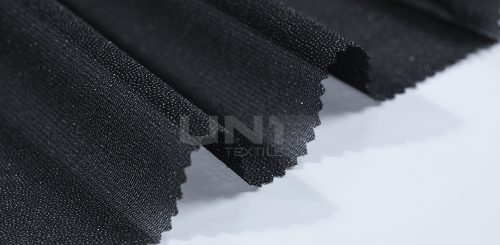
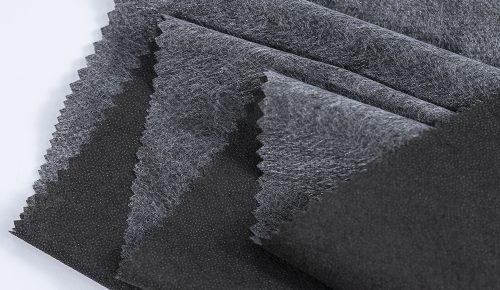
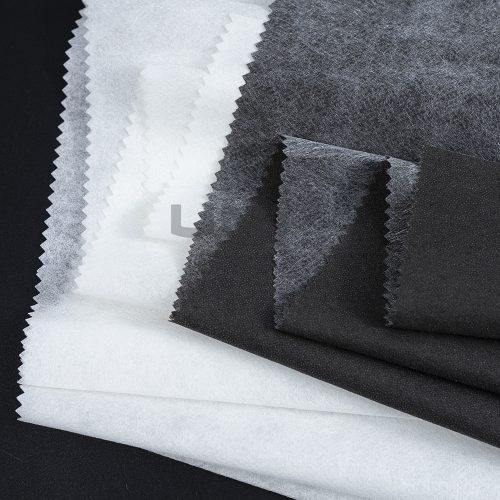
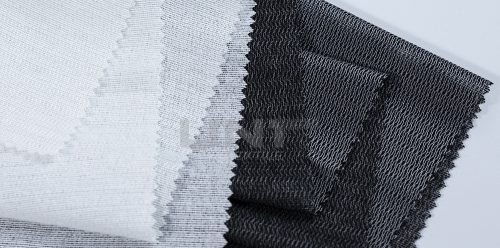
| Color | White, Optical White, Black |
| Weight | 30gsm – 100gsm |
| MOQ (Minimum Order Quantity) | 1000 meters |
| Certificates | OEKO-TEX, SGS, GRS |
| Price | 0.3 – 1.5 USD per meter |
| Packaging | PE plastic bag and Nylon bag; the roll packed by transparent strong plastic bag, the outside by strong woven polybag. |
| Transportation | By sea, air, or express |
| Payment Terms | L/C, D/A, D/P, T/T, Western Union |
| Delivery Time | 7-15 days |
| Monthly Production | 1,000,000 meters |
| Roll Length | 100 meters per roll |
| Hand Feel | Soft, medium soft, and firm options available to suit different garment applications |
| Features | Excellent bonding performance, high absorbency, durable, breathable, and compatible with delicate fabrics |
| Applications | Lightweight garments, medical applications, wipes, masks, and hygiene products requiring breathable and soft materials. |
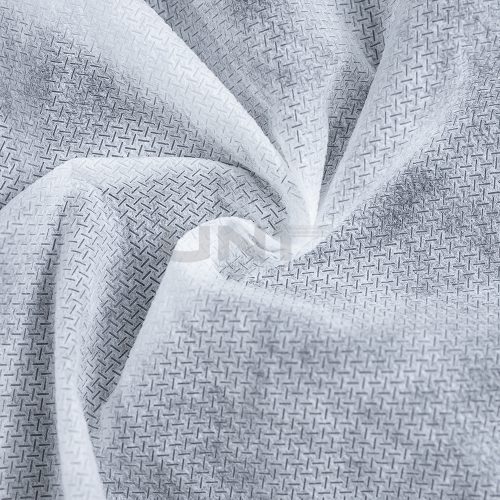
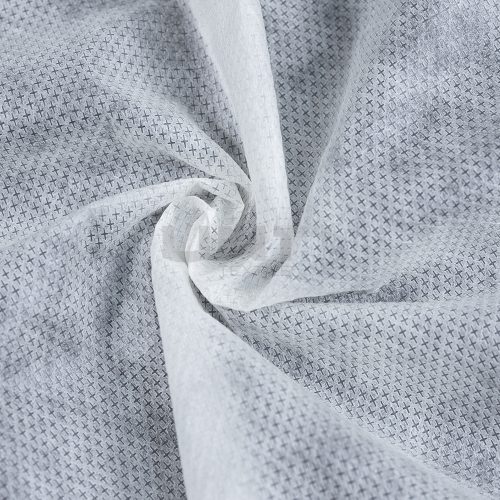
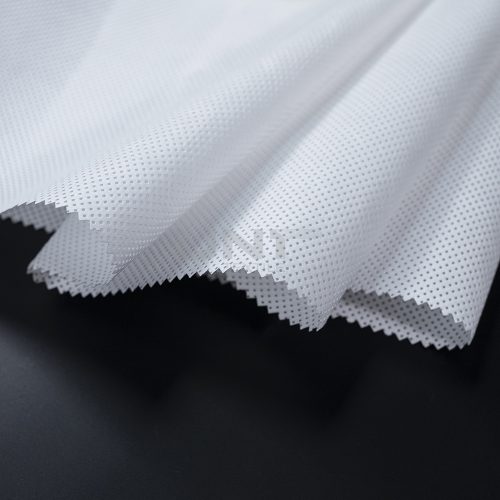
Stay Ahead With UNT Updates

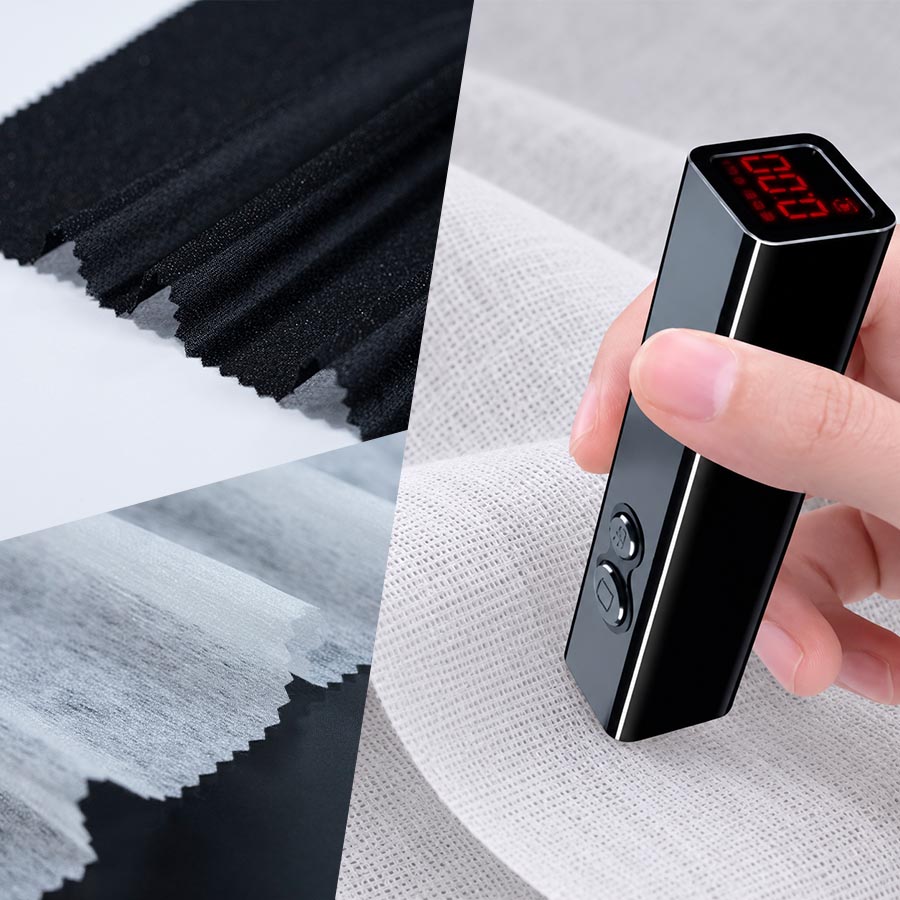
Fluorescence testing for interlining checks fluorescent whitening agents and helps buyers meet garment quality requirements.
-
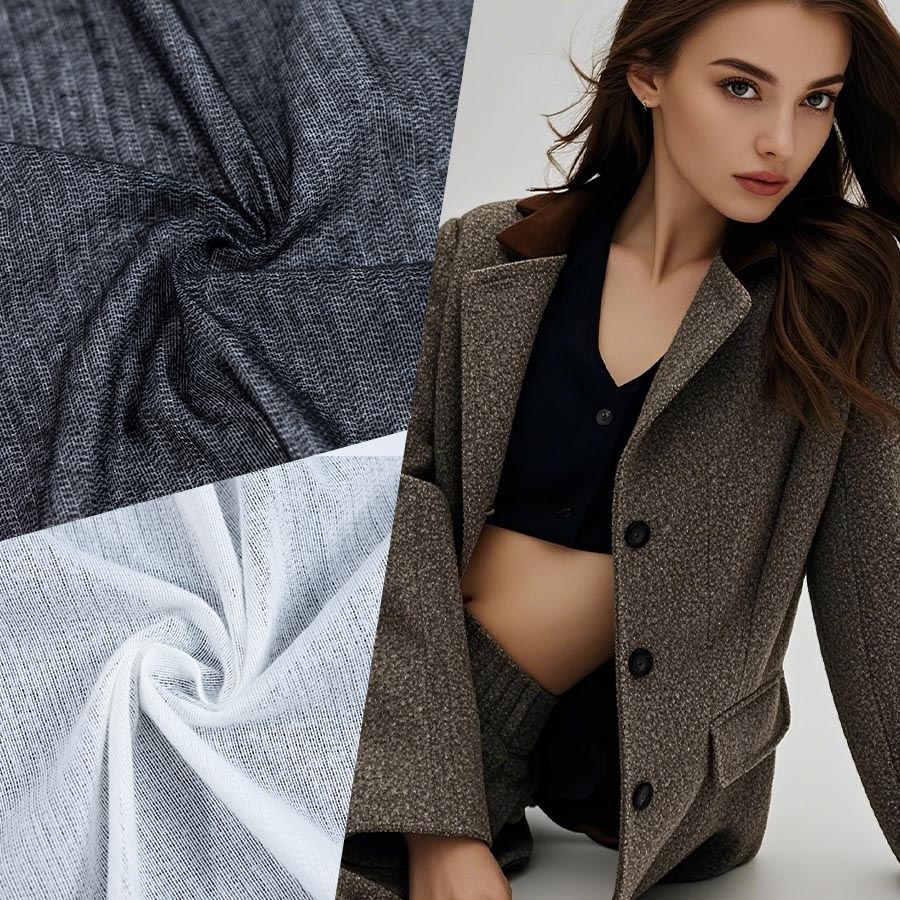
Interlining for wool coats should add shape without making the fabric stiff. Compare woven, napped, and hair interlining options.
-
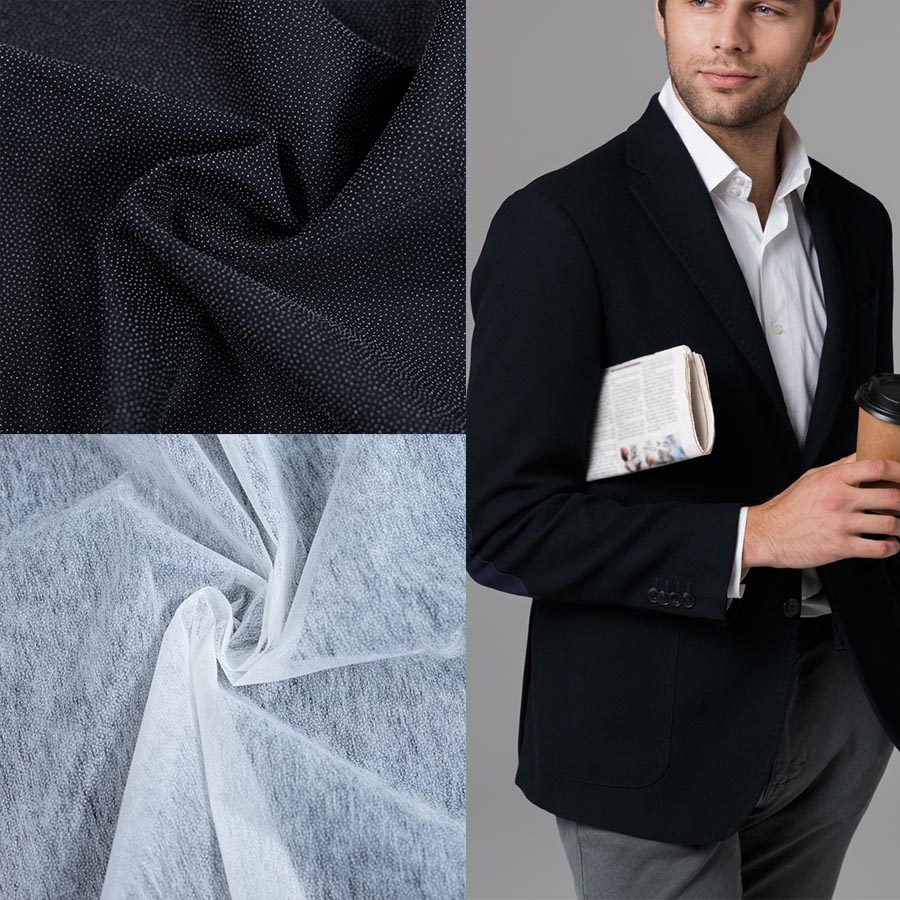
Microdot fusible interlinings use fine adhesive dots for smooth bonding, soft hand feel, and clean garment appearance.
.png)