
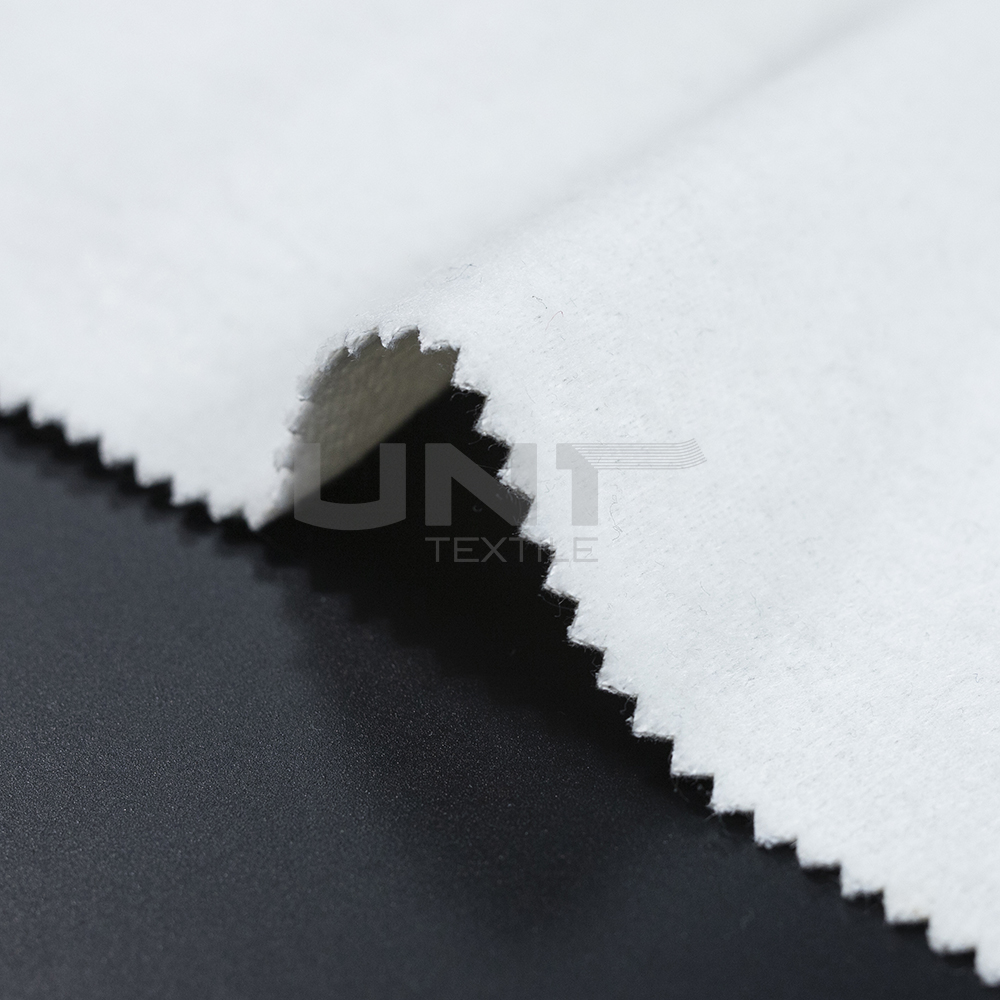
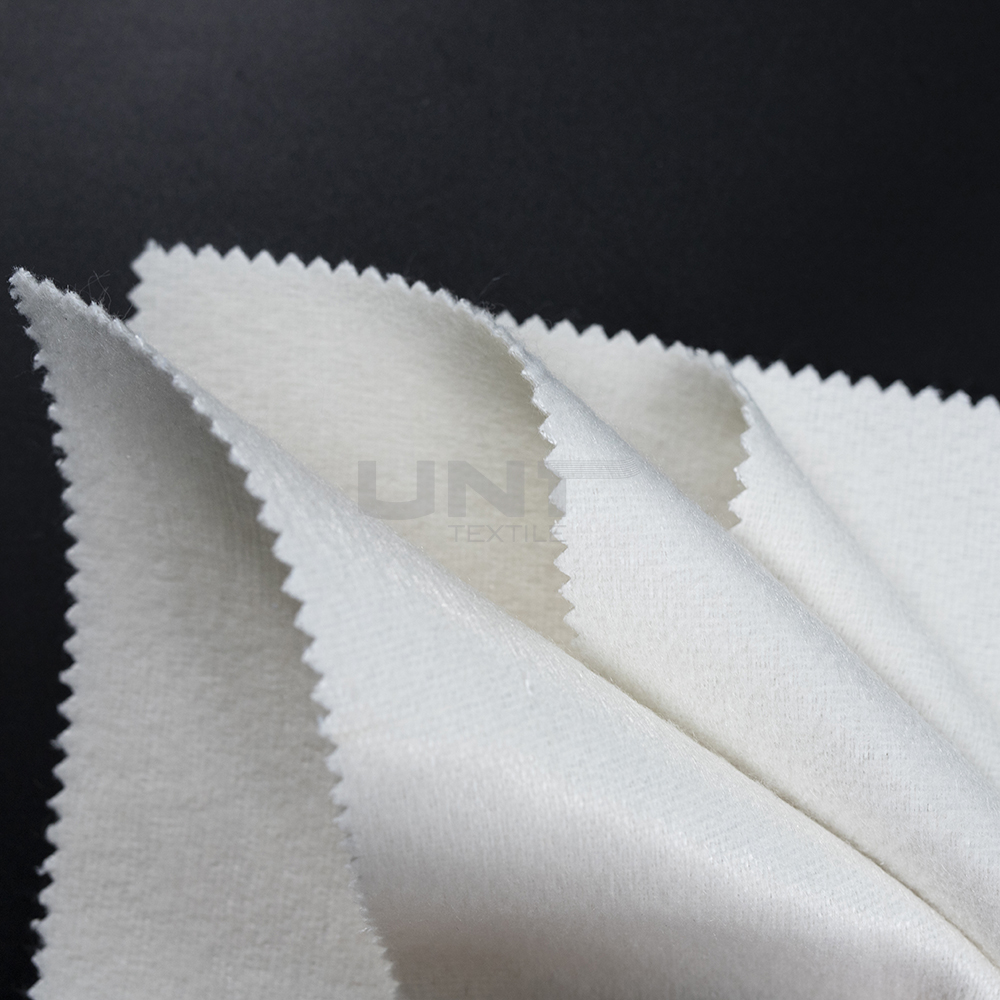
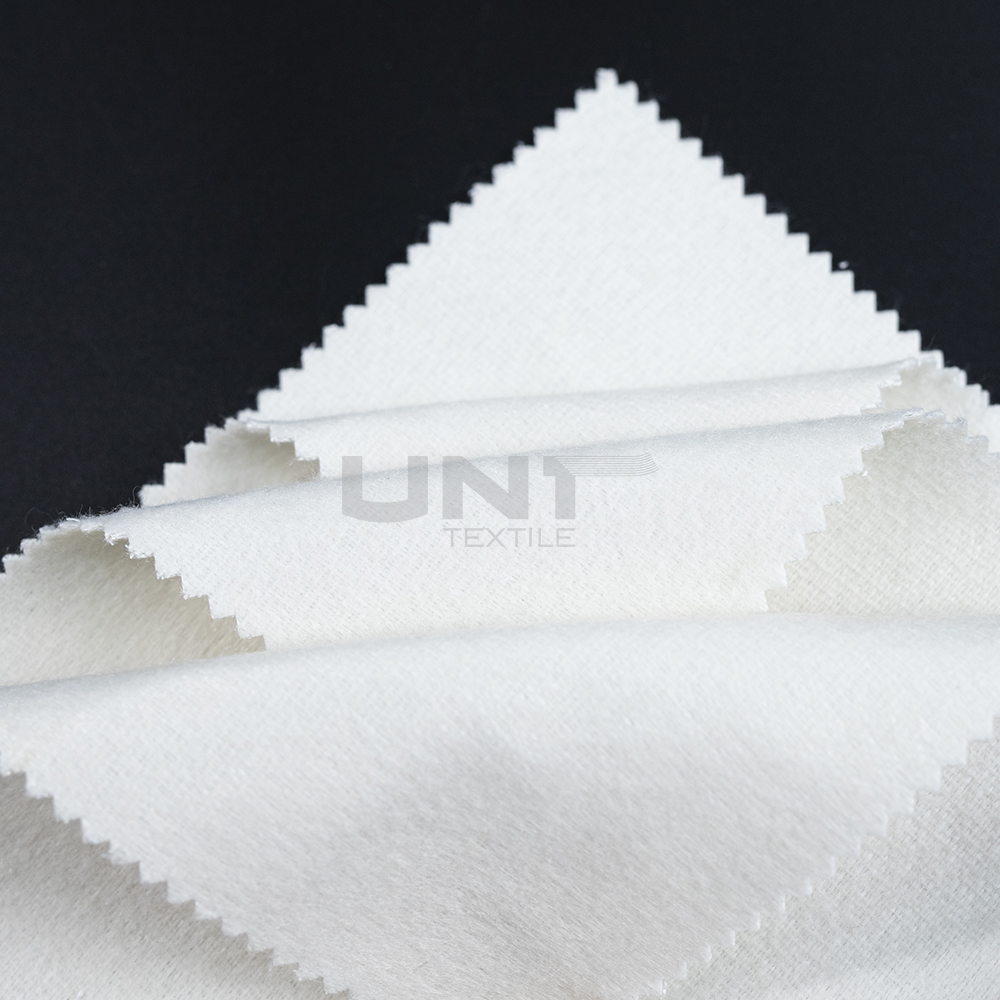
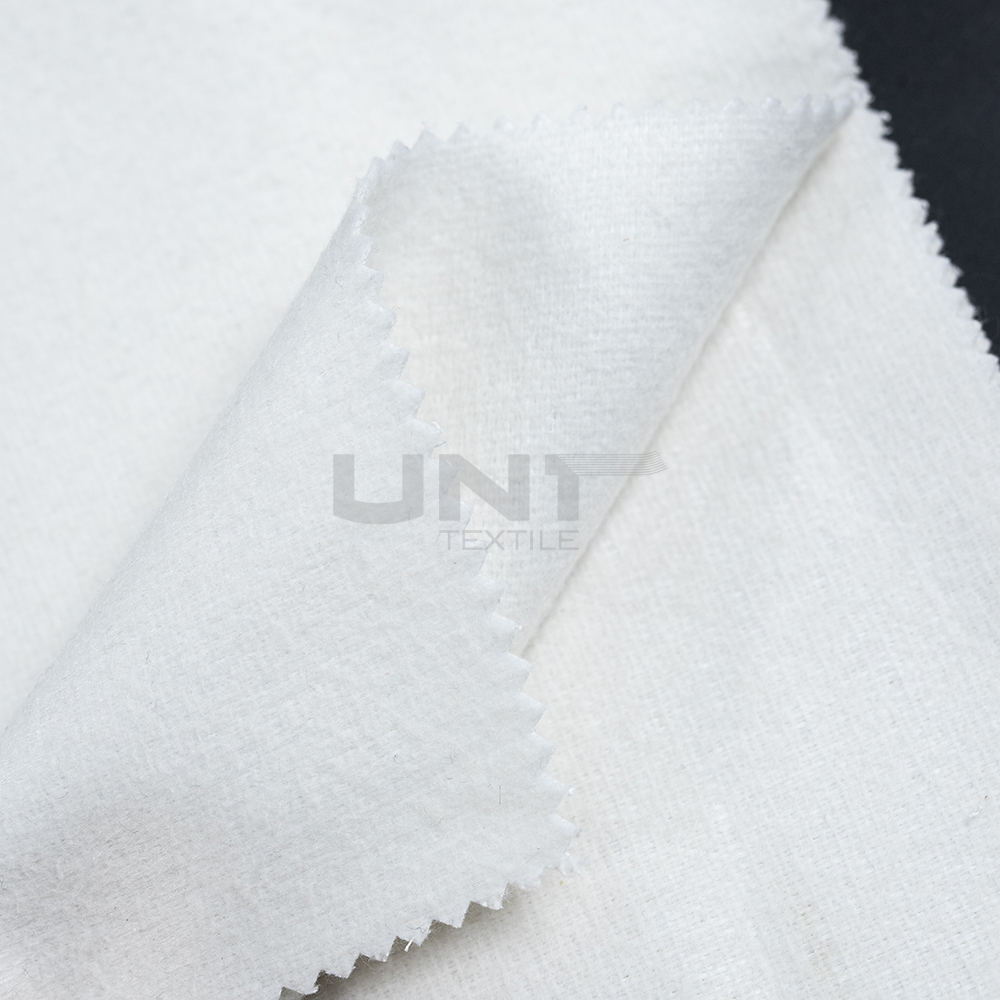
Tie Interlining
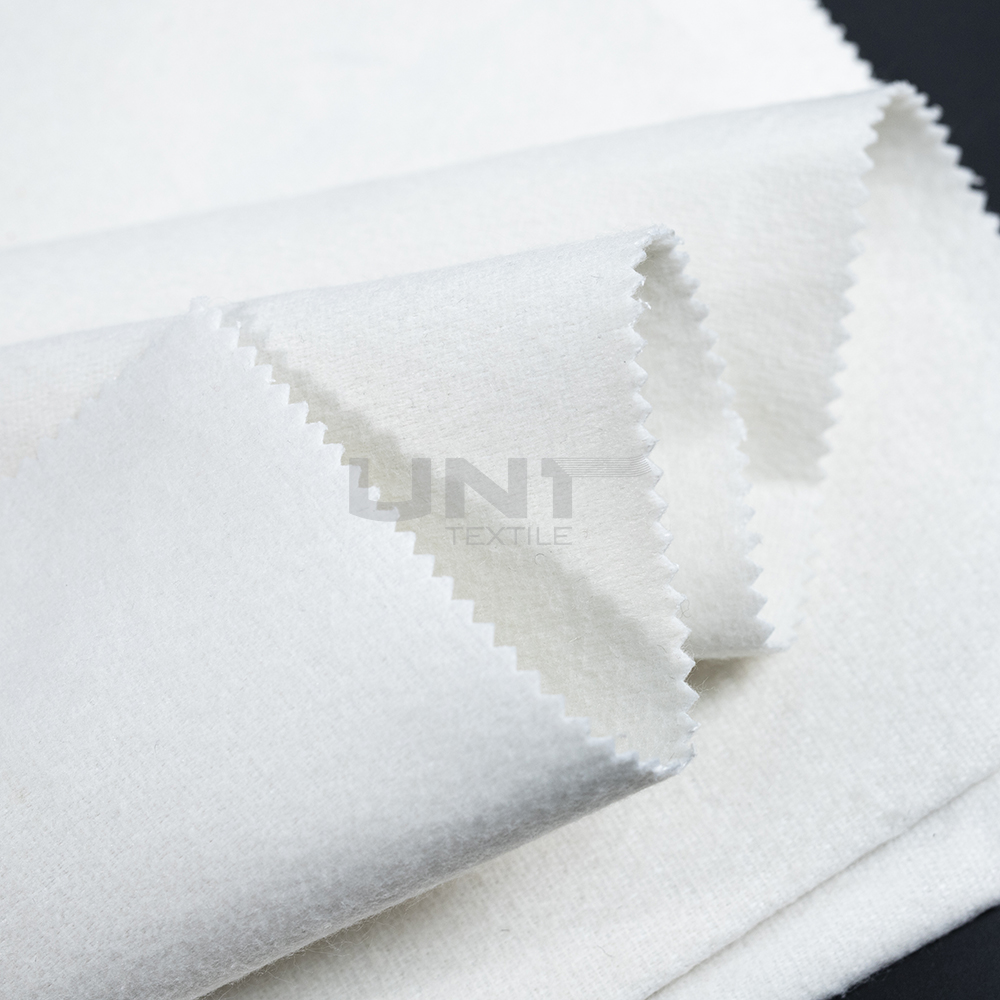
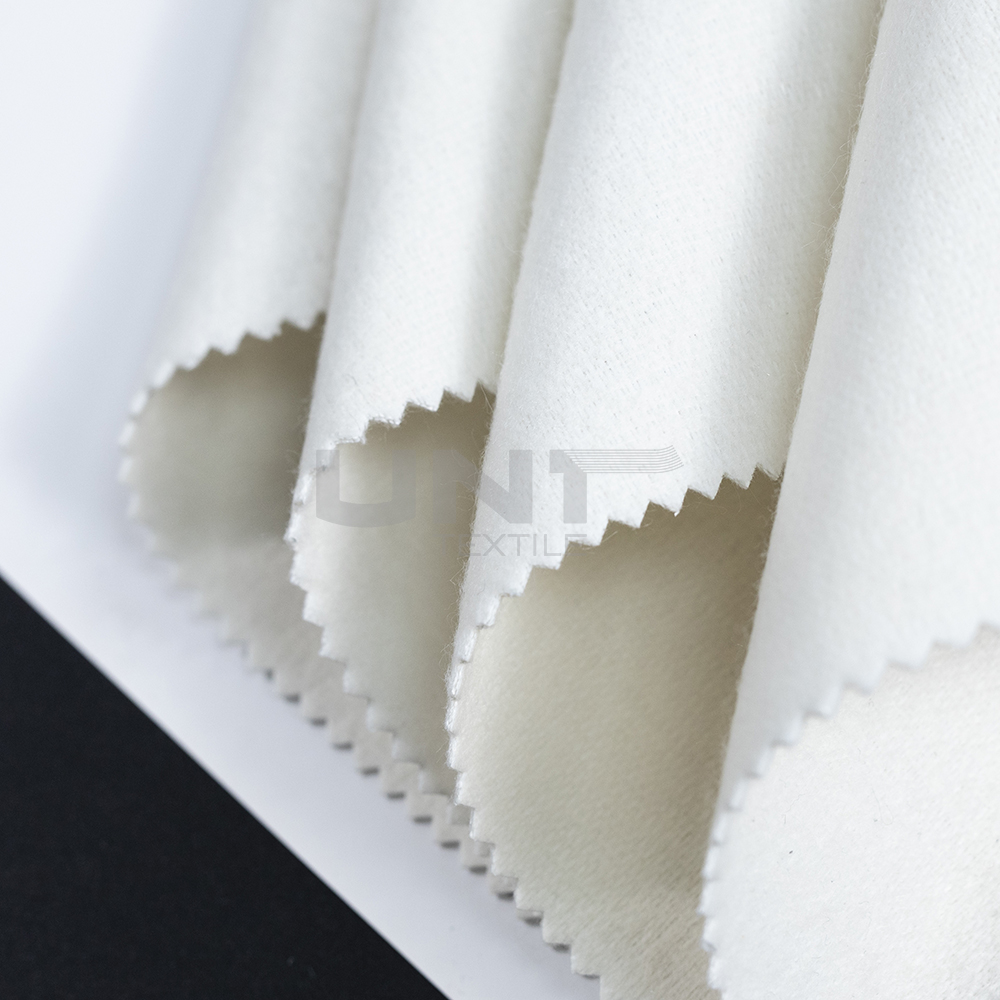
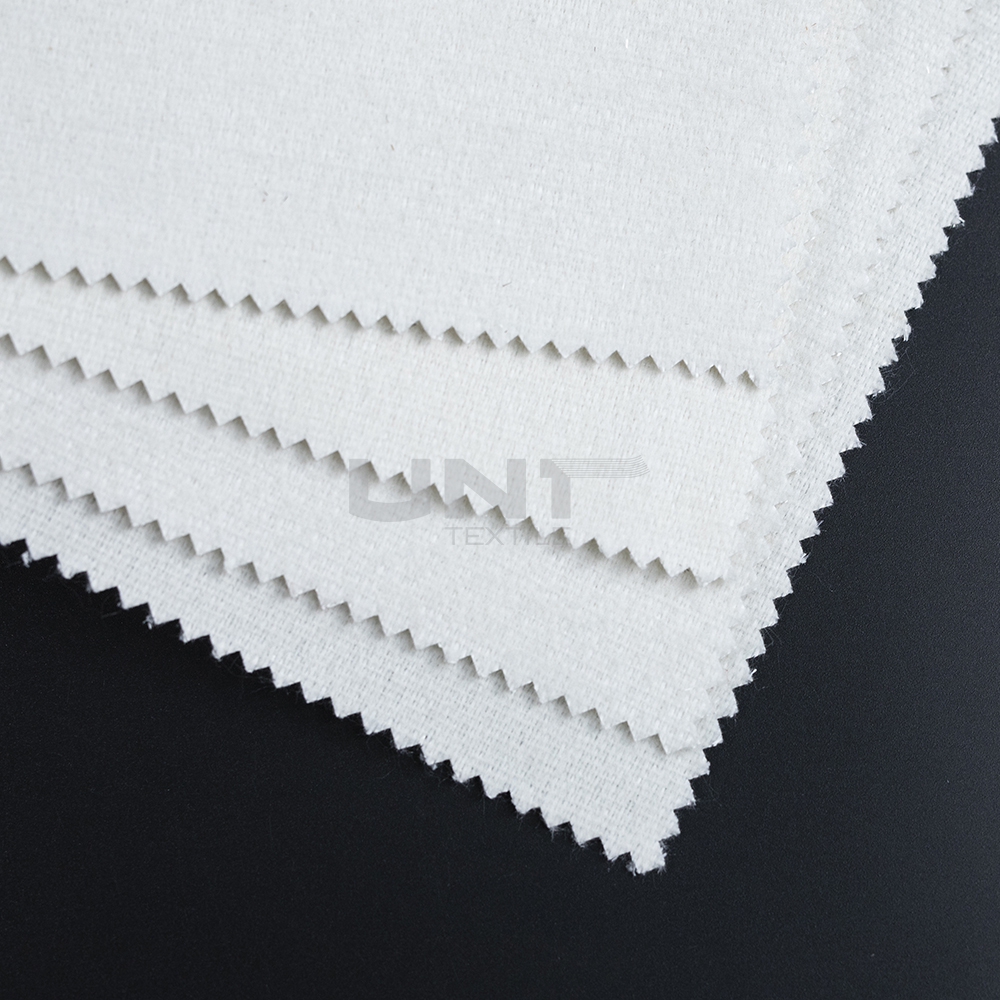
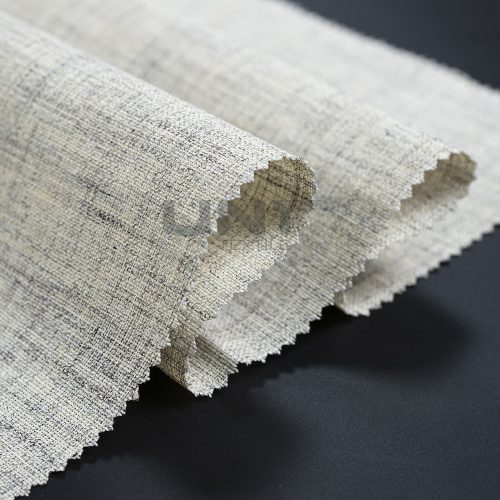
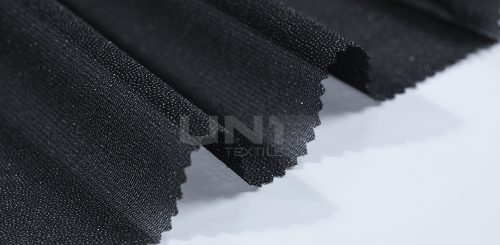
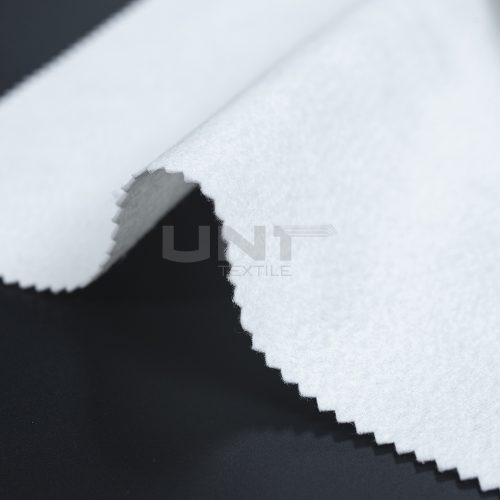
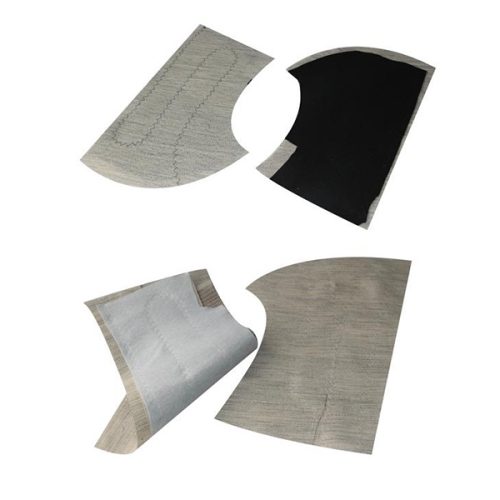
Tie interlining is a crucial material used to give neckties their shape, stability, and that luxurious feel. It ensures the tie maintains its structure while still allowing it to drape naturally. Made from high-quality fabrics like wool, polyester, or various blends, our tie interlining is a perfect fit for a wide range of tie styles, from casual to formal.
product introduce
Tie Interlining Product Highlights:
- Superior Shape Retention: Our interlining keeps ties structured and wrinkle-free, ensuring a polished, professional appearance.
- Smooth Drape and Feel: It enhances the softness and flexibility of a tie for a comfortable wearing experience.
- Versatile Options: With options in wool, polyester, and blended materials, it’s easy to find the perfect fit for any tie design or fabric.
- Durable and Long-Lasting: This interlining maintains shape and quality over time, even with frequent wear and washing.
1. Product Advantages
Necktie interlining is a key material used in the production of neckties. Although it is hidden inside the tie, it plays an important role in determining how the finished product looks and feels. The interlining sits between the outer fabric and the lining, giving the tie its body, shape, and proper drape.
A well-selected interlining helps the tie hang smoothly when worn. It also affects how the knot forms and how the tie returns to its original shape after being untied. If the interlining is too stiff, the tie may feel bulky and difficult to knot. If it is too soft, the tie may look flat and lose its structure.
Another advantage of quality necktie interlining is stability during production. In tie manufacturing, the fabric is usually cut on the bias and folded several times. The interlining helps maintain the shape of the tie through these steps. It also provides enough support so the tie keeps its form after repeated use.
Different types of ties require different levels of firmness. Some classic silk ties use a slightly heavier interlining to create a full knot and elegant drape, while lightweight fashion ties may use softer materials. Because of this, tie interlining is typically produced in various weights and constructions.
2. Why the Right Interlining Matters in Tie Manufacturing
In tie production, the outer fabric often receives the most attention because it determines the appearance of the tie. However, experienced manufacturers know that the interlining inside the tie has a strong influence on the final quality.
The interlining affects several aspects of the tie, including the thickness of the knot, the flexibility of the tie when worn, and the way it hangs when tied. A properly matched interlining allows the fabric to drape naturally while still giving the tie enough body.
For example, silk fabrics are usually paired with interlining that has balanced firmness and flexibility. Thicker fabrics may require lighter interlining to prevent the tie from becoming too bulky.
Because every fabric behaves differently, tie manufacturers often choose the interlining based on both the fabric type and the desired style of the finished tie.
3. Functional Treatments & Customization Options
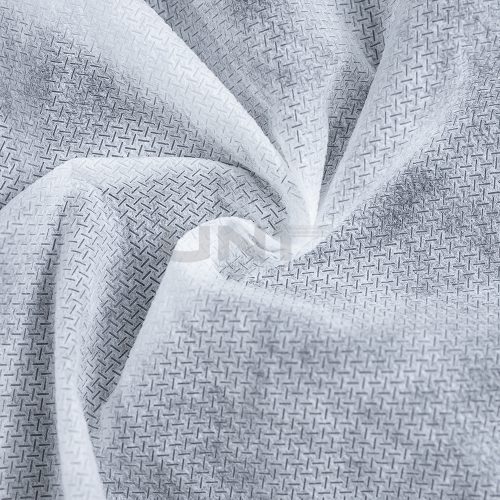
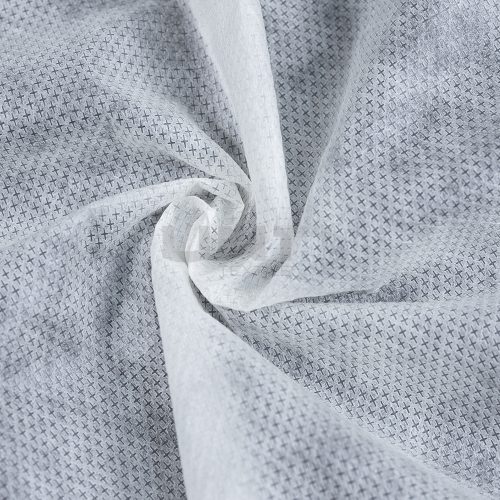
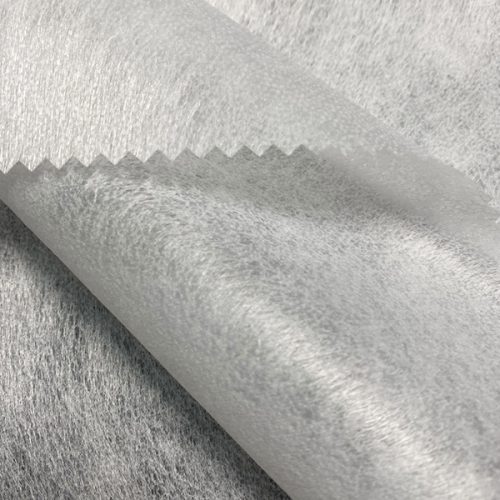
Necktie interlining can be produced with different structures and material blends to suit various tie styles.
Different fiber compositions
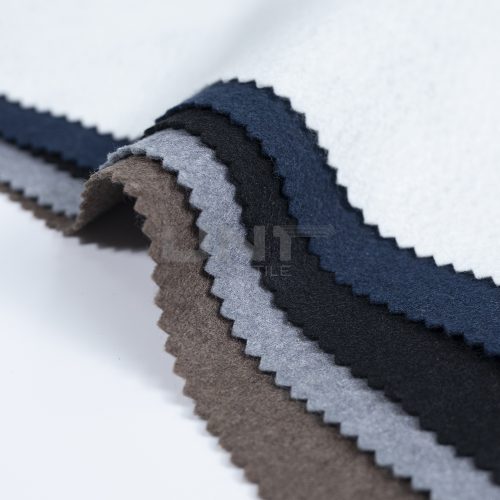
Common materials include polyester, viscose, wool blends, and cotton blends. Each material provides a different balance of softness and support.
Various weights and thicknesses
Lightweight, medium, and heavier constructions are available depending on the tie design and fabric type.
Soft finishing treatment
Special finishing processes can improve the hand feel and flexibility of the interlining.
Bias cutting compatibility
The structure of the interlining can be designed to perform well when the tie fabric is cut on the bias.
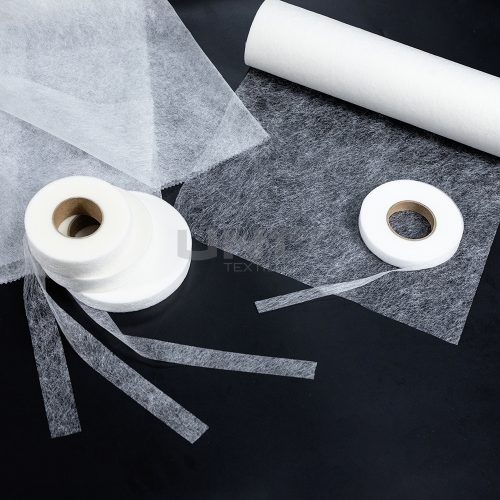
Customized width and roll length
Production specifications can be adjusted to match tie manufacturing processes.
These options allow tie manufacturers to select interlining that works best with their fabrics and design preferences.
4. Common Applications of Necktie Interlining
Necktie interlining is mainly used in the production of neckties and related fashion accessories.
Typical applications include:
-
silk neckties
-
polyester neckties
-
fashion ties
-
formal ties
-
bow ties
-
uniform ties
In these products, the interlining helps control the thickness, structure, and drape of the tie. It ensures that the tie forms a clean knot and maintains its shape during daily use.
5. FAQ
Q1: What materials are commonly used for necktie interlining?
Necktie interlining can be made from polyester, viscose, wool blends, or cotton blends depending on the desired firmness and flexibility.
Q2: Does the interlining affect how a tie knot looks?
Yes. The thickness and firmness of the interlining influence how the knot forms and how full it appears.
Q3: Why are ties usually cut on the bias?
Bias cutting allows the tie to stretch slightly and hang more smoothly when worn. The interlining helps support this structure.
6. Why Choose UNT
UNT supplies garment interlining materials for apparel manufacturers and accessory producers around the world.
We focus on providing stable product quality and reliable supply so customers can maintain consistent production. Our interlining materials are available in different constructions, weights, and material blends to match various fabrics and product designs.
UNT also supports customization for manufacturers who require specific interlining specifications for their products.
With industry-focused experience and responsive technical support, UNT works with customers who need dependable interlining solutions for garment and accessory manufacturing.
additional information
| Material | 100% Polyester, Polyester/Wool, Polyester/Viscose/Wool, 100% Wool |
|---|---|
| Width | 150cm |
| Weight | 200gsm – 450gsm |
| Roll Length | 50-60 meters per roll |
| MOQ (Minimum Order Quantity) | 500 meters |
| Certificates | OEKO-TEX, SGS |
| Price | 0.5 – 3 USD per meter |
| Packaging | PE plastic bag and Nylon bag; the roll packed by transparent strong plastic bag, the outside by strong woven polybag. |
| Transportation | By sea, air, or express |
| Payment Terms | L/C, D/A, D/P, T/T, Western Union |
| Delivery Time | 7-15 days |
| Monthly Production | 1,000,000 meters |
| Applications | Suitable for middle and high-grade suit ties. Hand feeling can be customized. |
| Characteristics | High elasticity, durable structure, shrink-resistant, excellent bonding strength, soft and smooth texture |

Stay Ahead With UNT Updates

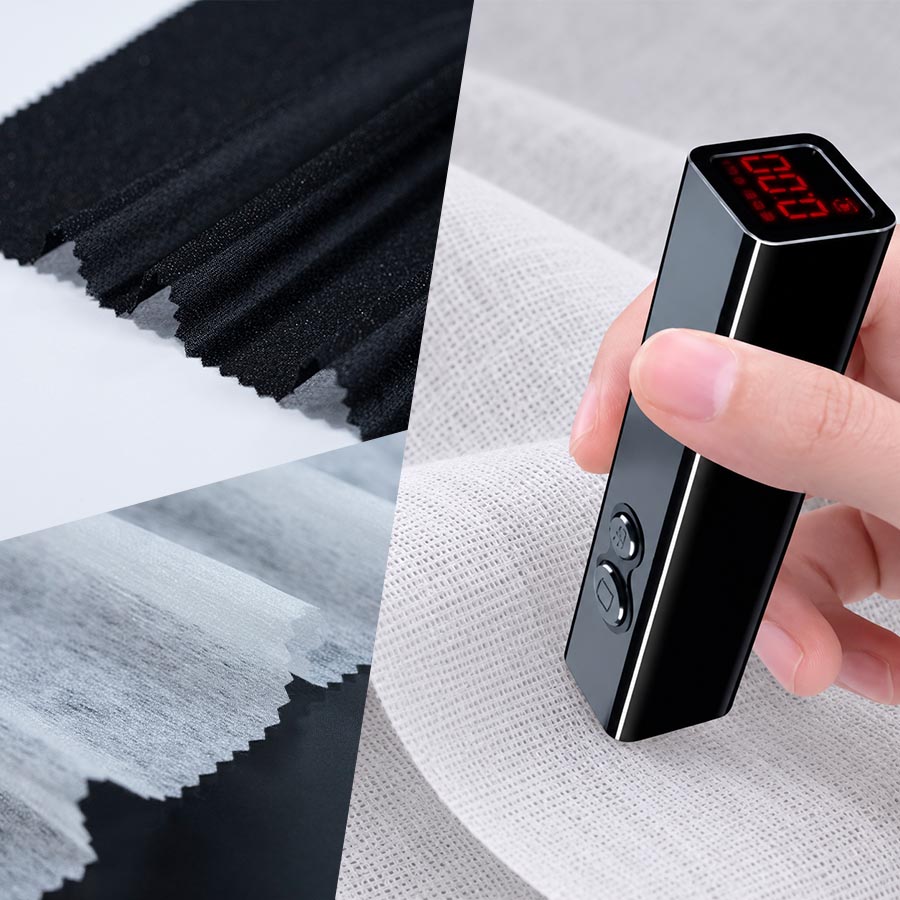
Fluorescence testing for interlining checks fluorescent whitening agents and helps buyers meet garment quality requirements.
-
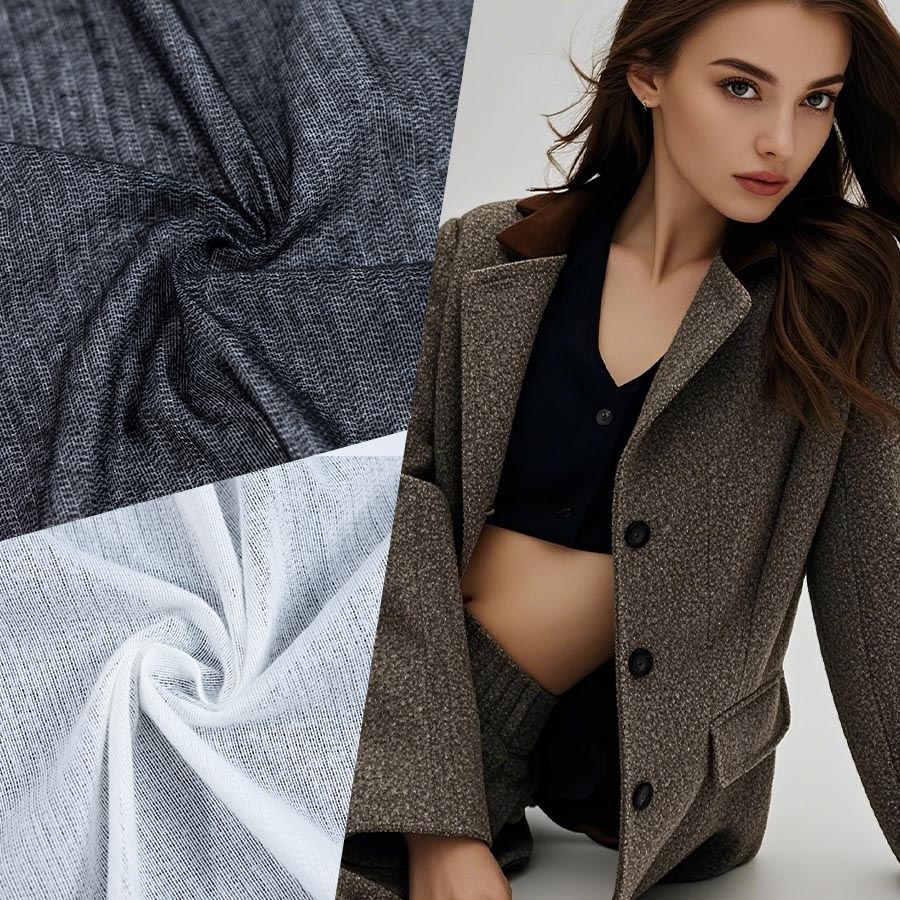
Interlining for wool coats should add shape without making the fabric stiff. Compare woven, napped, and hair interlining options.
-
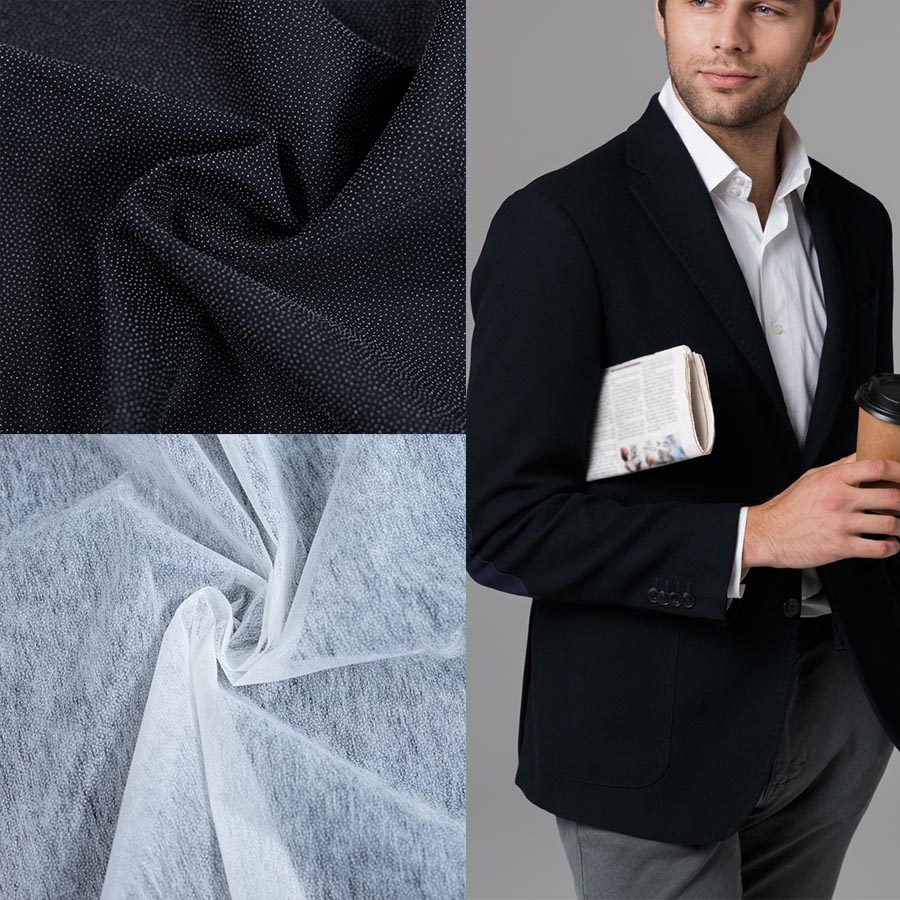
Microdot fusible interlinings use fine adhesive dots for smooth bonding, soft hand feel, and clean garment appearance.
.png)