
How Do You Choose Dress Interfacing?
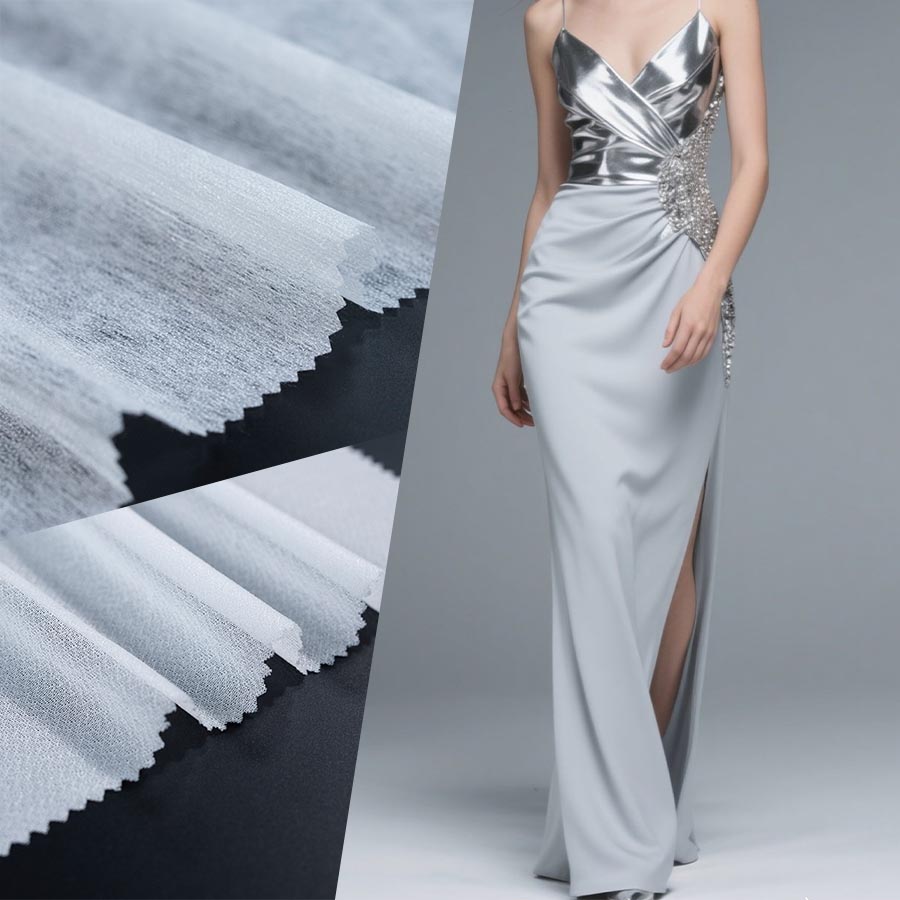
A dress often needs support in only a few areas.
The neckline may need to stay flat. A waistband may need more stability. A button opening may stretch during sewing or wearing.
This is where dress interfacing is used.
The difficult part is choosing enough support without changing the original drape of the dress fabric.
A lightweight summer dress and a structured formal dress should not use the same interfacing. Fabric weight, stretch, transparency, hand feel, and washing method all need to be considered.
Where Is Dress Interfacing Used?
Interfacing is normally placed only in areas that need reinforcement.
Common applications include:
- Necklines
- Facings
- Waistbands
- Bodices
- Button plackets
- Zipper areas
- Cuffs and collars on shirt dresses
- Pocket openings
These areas are more likely to stretch, wrinkle, or lose shape during sewing and wearing.
The interfacing helps stabilize them while remaining hidden inside the garment.
Which Type of Dress Interfacing Should You Choose?
Different dress fabrics require different support.
| Dress Fabric or Style | Possible Interfacing | Main Point to Check |
|---|---|---|
| Lightweight cotton dress | Lightweight woven or nonwoven | Avoid excessive stiffness |
| Polyester dress | Woven or nonwoven fusible | Bonding and surface appearance |
| Stretch dress | Knit or elastic interfacing | Stretch and recovery |
| Structured formal dress | Woven fusible interfacing | Shape and hand feel |
| Soft fashion dress | Lightweight knit or nonwoven | Maintain drape |
| Heat-sensitive fabric | Sew-in interfacing may be considered | Avoid fabric damage |
This table gives a general direction. The actual result should still be tested with the customer’s fabric.
Lightweight Dresses Need Careful Matching
One common mistake is choosing an interfacing that is too heavy.
Light dress fabrics can easily become hard after fusing.
Even if the interfacing itself feels soft, the combined fabric may feel very different once adhesive, heat, and pressure are added.
For lightweight dresses, buyers should pay attention to:
- Low GSM
- Soft hand feel
- Fine adhesive coating
- Limited adhesive penetration
- Surface appearance after fusing
Testing the actual shell fabric is especially important when the dress fabric is thin or light-colored.
What About Stretch Dresses?
Stretch fabrics need support that can move with them.
If a rigid interfacing is fused to a stretch dress fabric, the reinforced area may stop stretching while the surrounding fabric continues to move.
This can cause pulling or an unnatural appearance.
For these applications, knit interfacing or elastic nonwoven interfacing may be more suitable.
Before production, check:
- Stretch direction
- Elongation
- Recovery
- Hand feel
- Bonding after stretching
The interfacing does not always need the same stretch level as the outer fabric, but it should not restrict the garment more than the design allows.
Fusible or Sew-In Dress Interfacing?
Fusible interfacing is commonly used because it is convenient for garment production.
The adhesive coating bonds the interfacing to the dress fabric under heat and pressure.
It works well when:
- The outer fabric can tolerate heat
- Stable bonding is needed
- Production efficiency is important
Sew-in interfacing may be considered when:
- The fabric is very heat-sensitive
- The surface can be damaged by pressure
- Adhesive may show through
- A softer construction is preferred
Neither method is automatically better.
The fabric and dress design decide which one is more suitable.
What Should Be Checked Before Bulk Production?
Hand Feel
The fused area should not feel obviously harder than the rest of the garment unless the design requires it.
Surface Appearance
Thin fabrics should be checked carefully for:
- Adhesive strike-through
- Shine
- Bubbling
- Color change
- Flattening of surface texture
Peel Strength
For fusible products, the bond needs to remain stable after the material has cooled.
Shrinkage
Different shrinkage between the dress fabric and interfacing can cause wrinkles or distortion.
Washing Performance
If the dress will be home washed, the fused sample should be tested using similar washing conditions.
Common Problems with Dress Interfacing
The Fused Area Is Too Stiff
The interfacing may be too heavy or too firm, or the adhesive coating may be too strong for the fabric.
Adhesive Is Visible Through the Fabric
This can happen with thin fabrics when the glue dots or coating amount are unsuitable.
The Neckline Starts Bubbling
Possible causes include poor bonding, incorrect fusing conditions, or shrinkage differences.
Stretch Fabric Becomes Restricted
A rigid woven or nonwoven product may not match the stretch characteristics of the dress fabric.
Changing to a more flexible construction may solve the problem.
Common Questions About Dress Interfacing
Is nonwoven interfacing suitable for dresses?
Yes. Lightweight nonwoven interfacing is commonly used in many dress applications when the required support and hand feel are appropriate.
Which interfacing is best for a lightweight dress?
A lightweight woven, knit, or nonwoven product may work. The best option depends on the fabric and the area being reinforced.
Can interfacing be used on stretch dresses?
Yes. Knit or elastic interfacing should normally be considered when stretch needs to be maintained.
Should I test interfacing on the actual dress fabric?
Yes. This is especially important for thin, soft, stretch, or heat-sensitive fabrics.
Can dress interfacing be customized?
Yes. GSM, width, color, hand feel, material, adhesive dot pattern, coating, roll length, and packaging can be customized.
Why Choose UNT for Dress Interfacing?
UNT supplies woven, knit, nonwoven, and elastic interfacing for different dress fabrics and garment constructions. Production can be adjusted for GSM, width, color, hand feel, adhesive coating, glue dot pattern, and packaging. OEM and ODM are available.
Testing can include peel strength, bonding strength, tensile and breaking strength, elongation, shrinkage, dimensional stability, fusing performance, wash performance, and fluorescence.
- Samples: normally within 3 days
- Stock orders: normally 3–7 days
- Customized orders: normally 7–15 days
- OEKO: SH001 285226
- GRS: BVC-TE-00011147-GRS-2602-50007497-V1.0
Certificate applicability can be confirmed according to the specific product.
Contact Us
Shanghai Uneed Textile Co., Ltd
TEL: +86-21-33608891
FAX: +86-21-33608892
Email: info@uneed-tex.com
continue reading
Related Posts

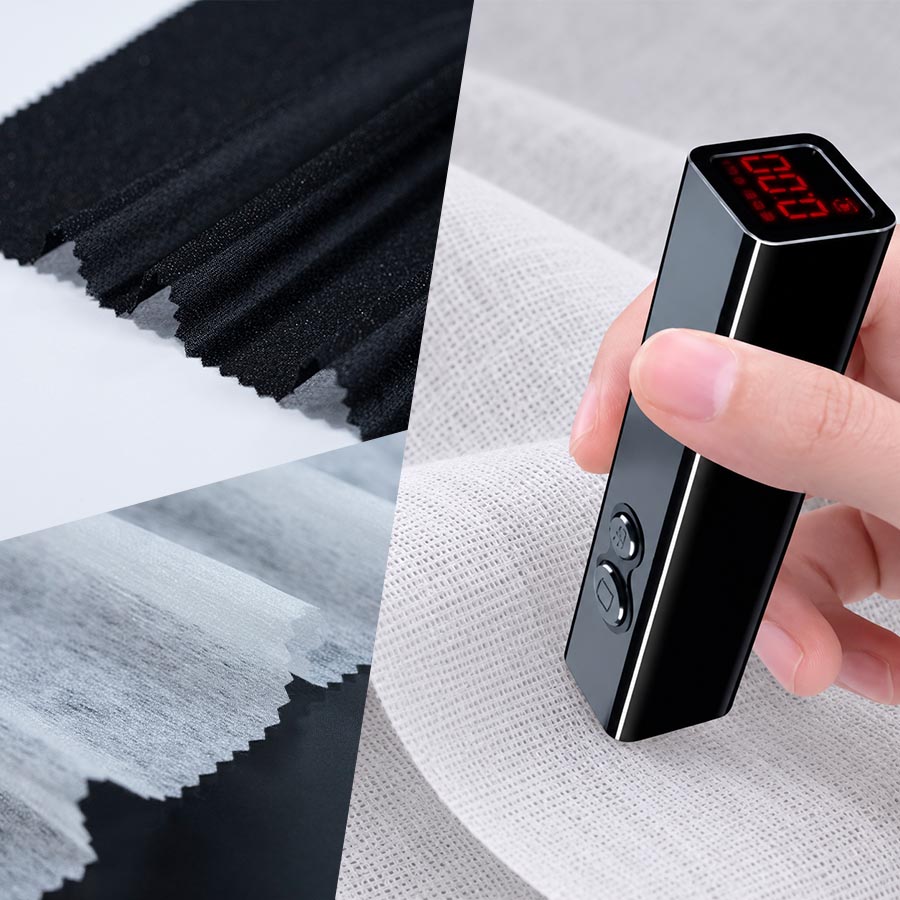
Fluorescence testing for interlining checks fluorescent whitening agents and helps buyers meet garment quality requirements.
-
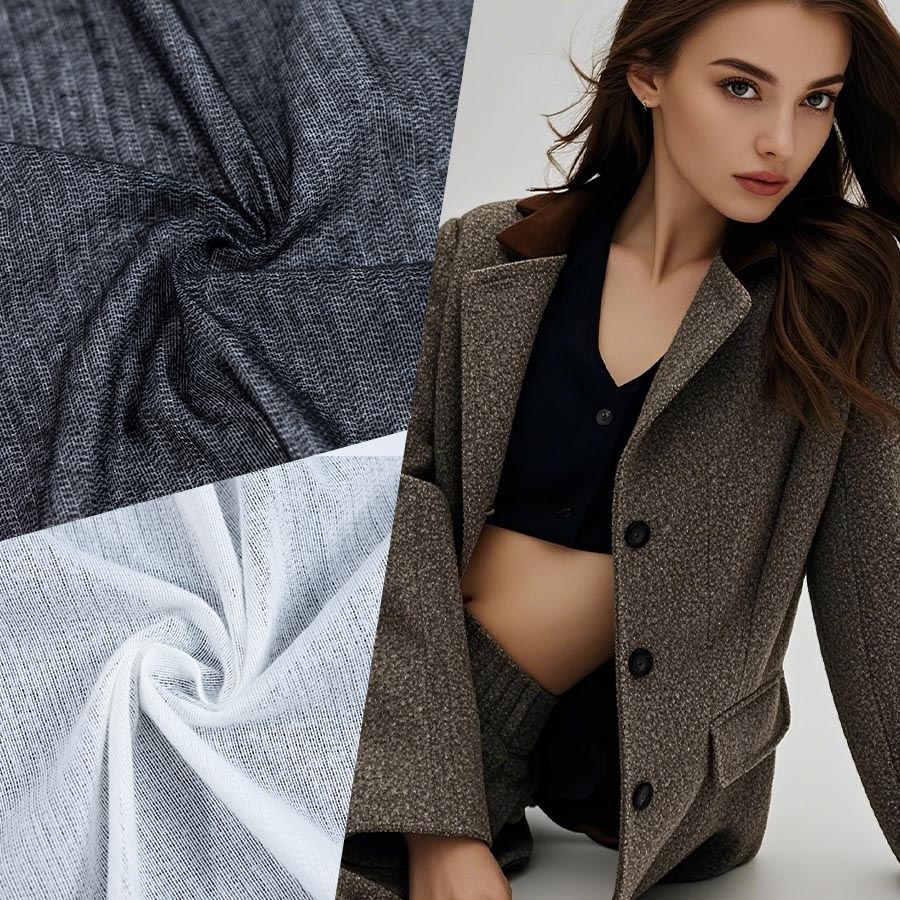
Interlining for wool coats should add shape without making the fabric stiff. Compare woven, napped, and hair interlining options.
-
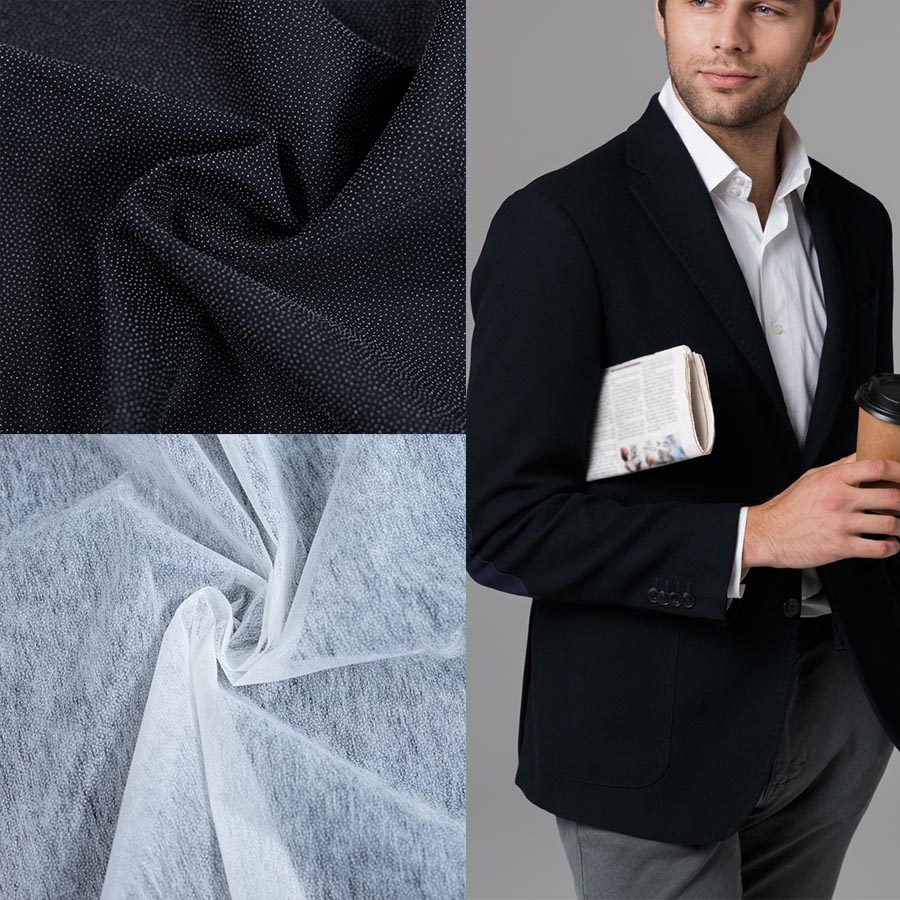
Microdot fusible interlinings use fine adhesive dots for smooth bonding, soft hand feel, and clean garment appearance.
.png)