
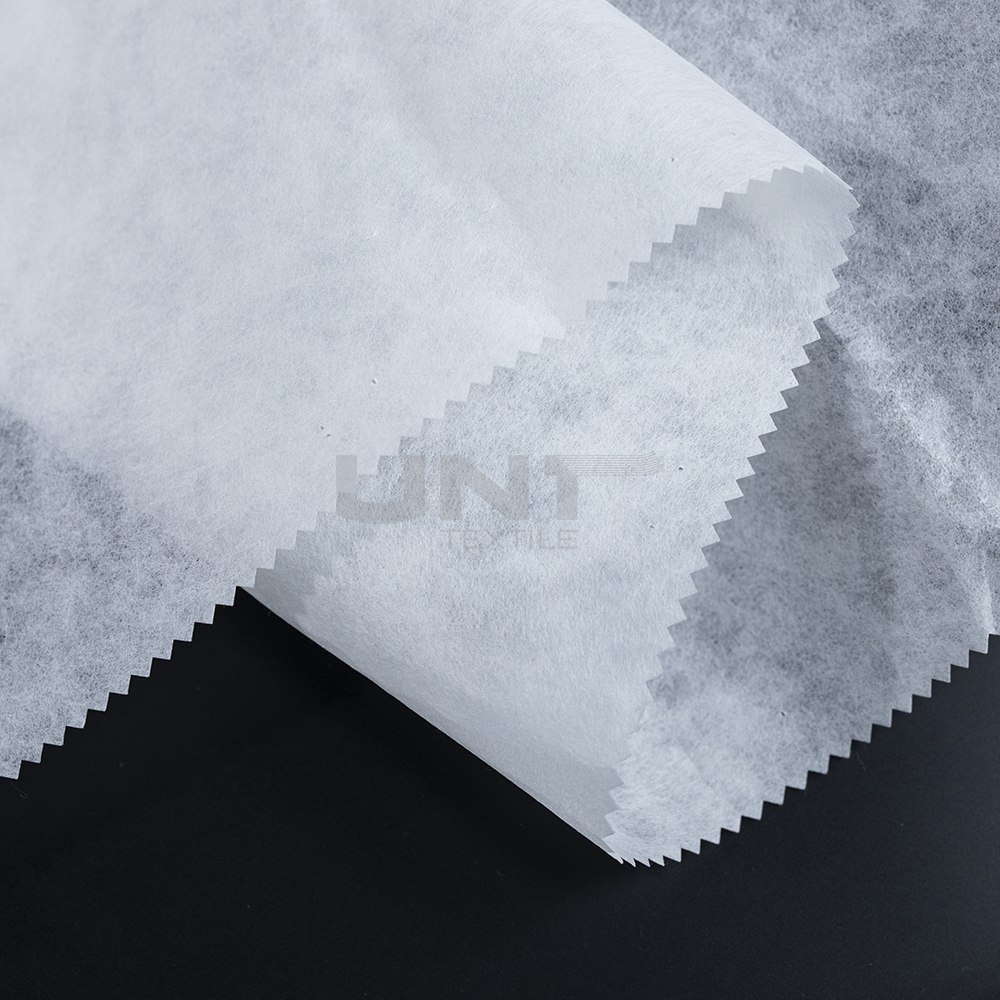
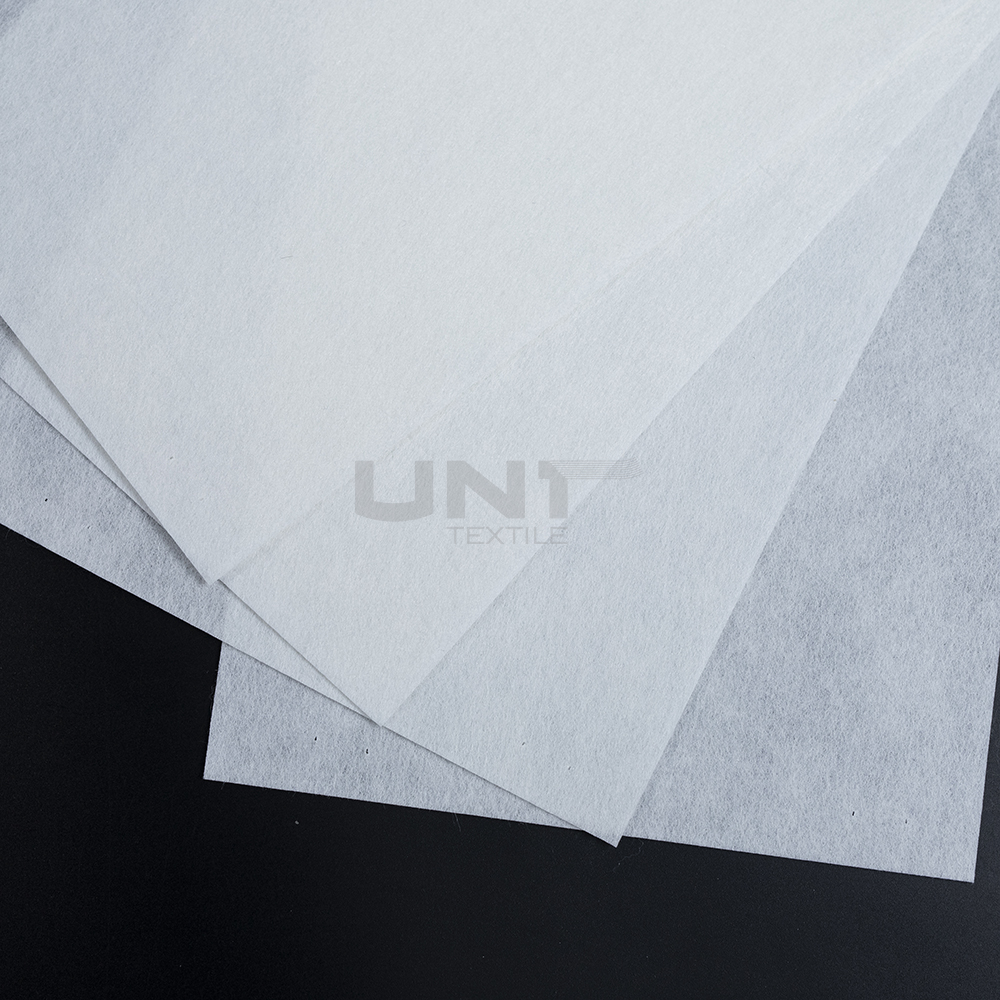
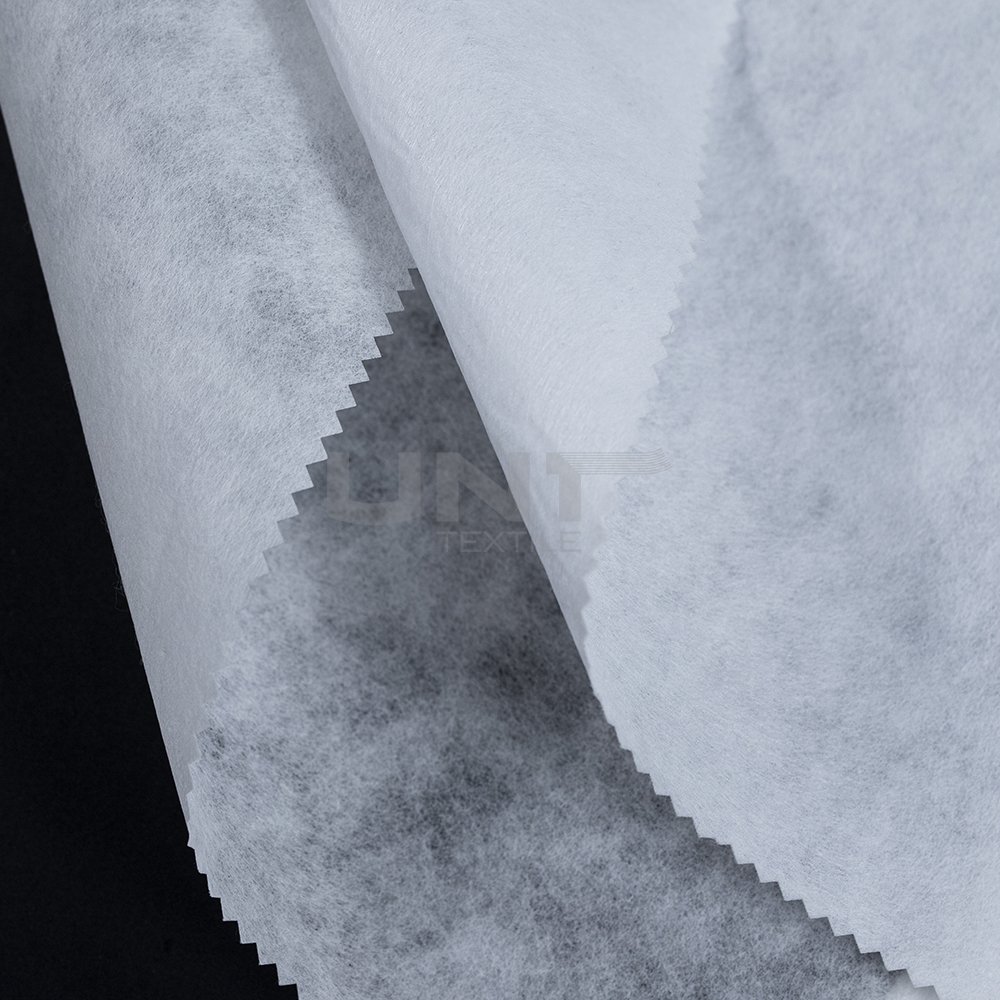
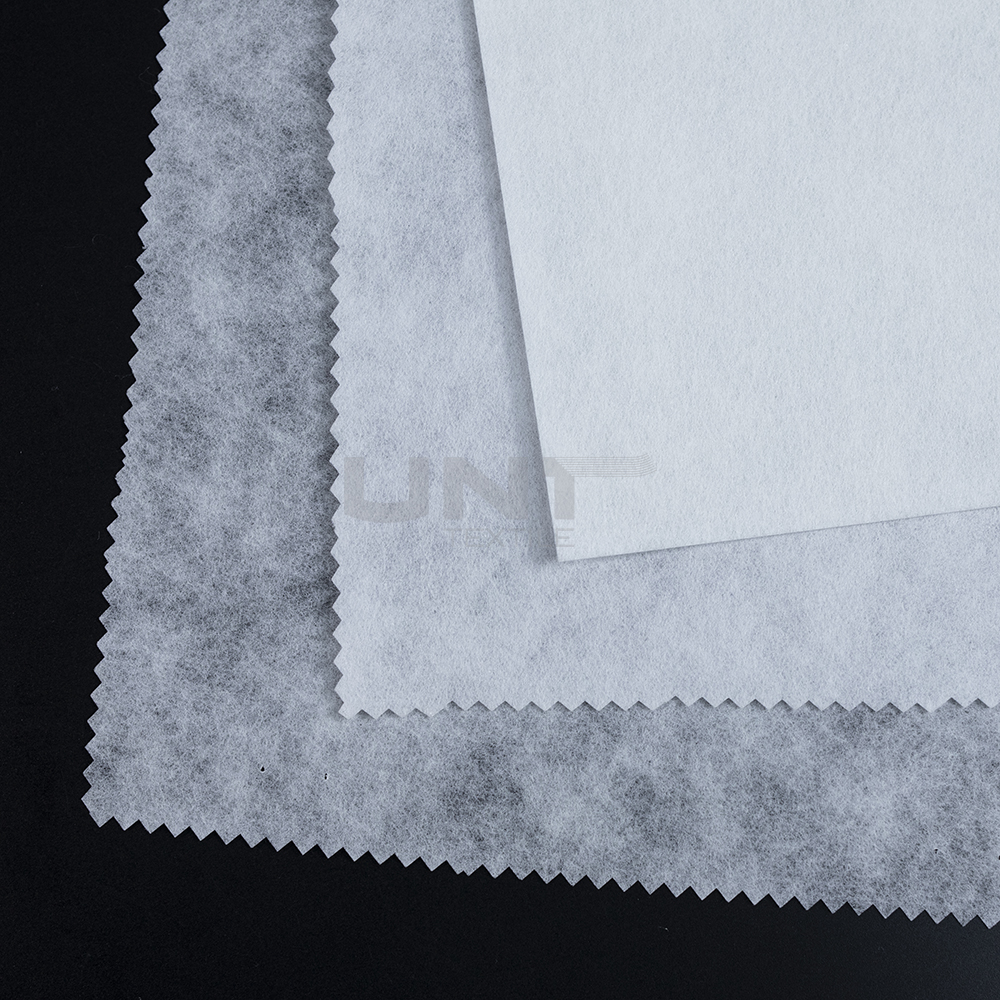
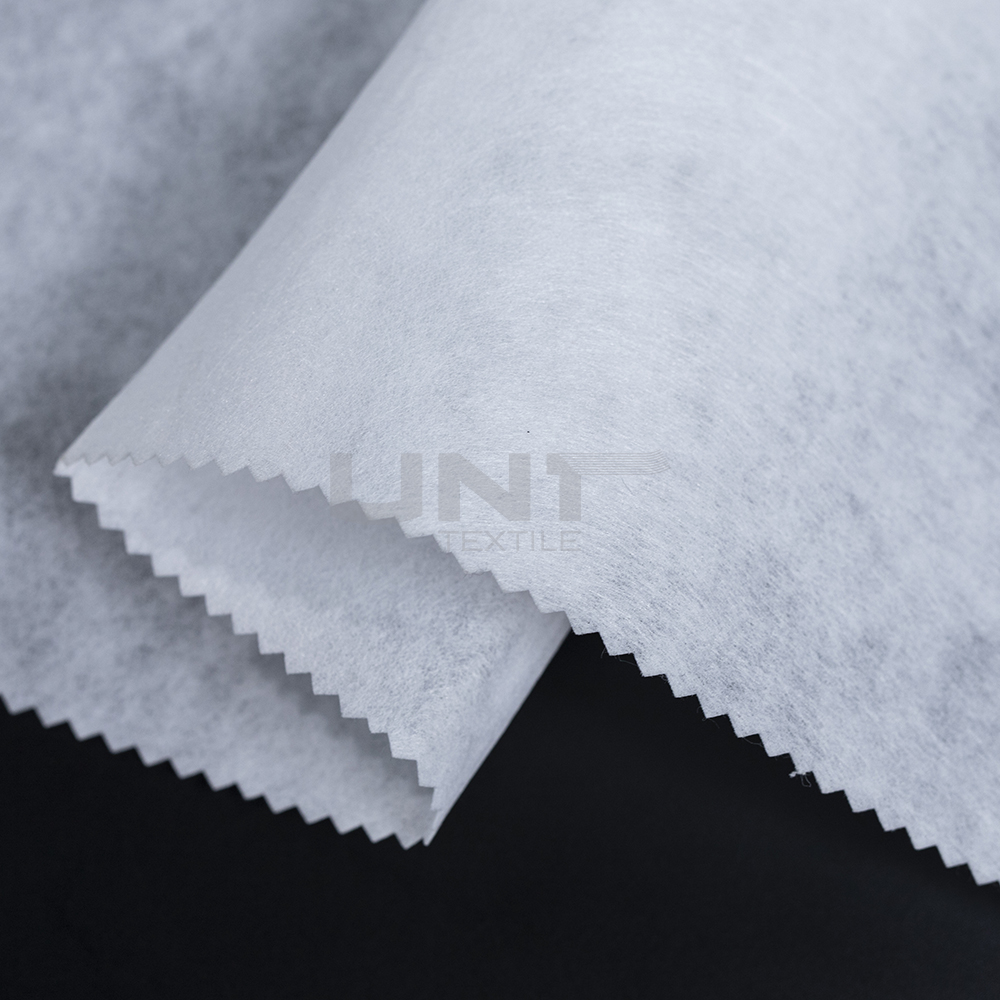
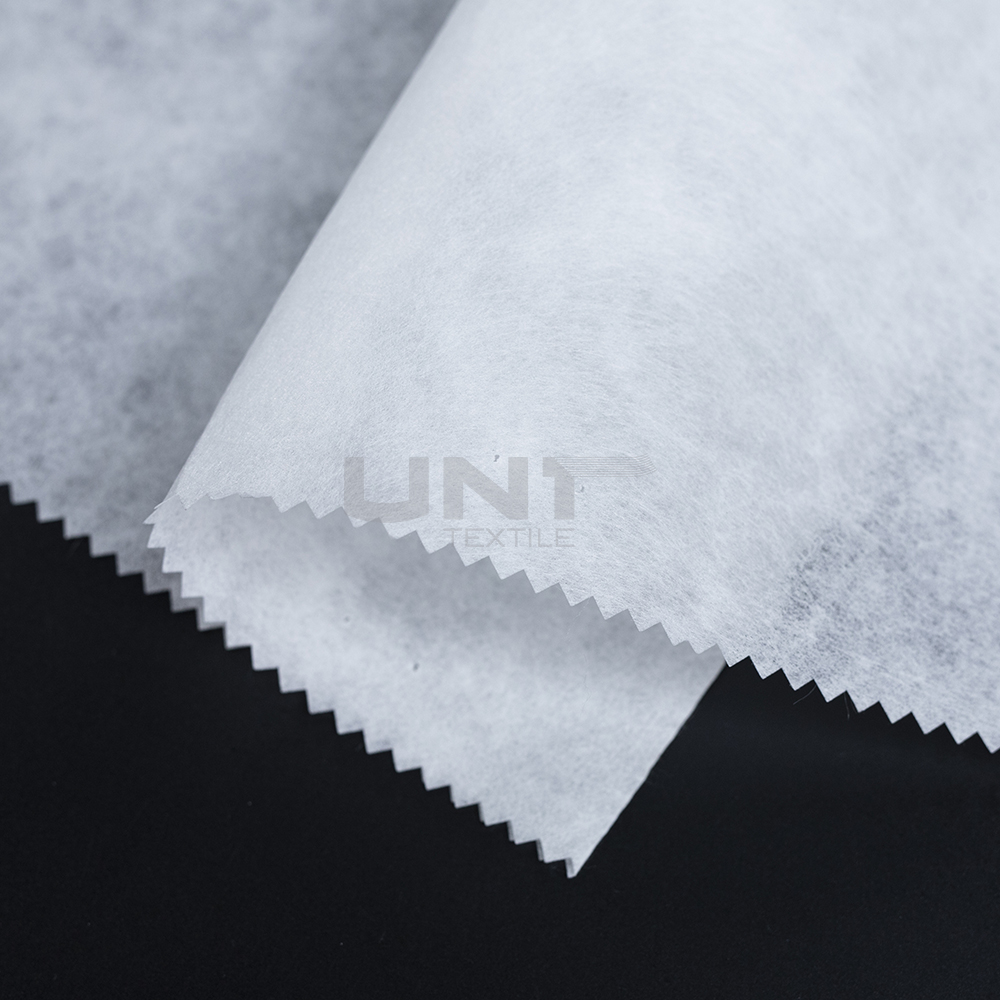
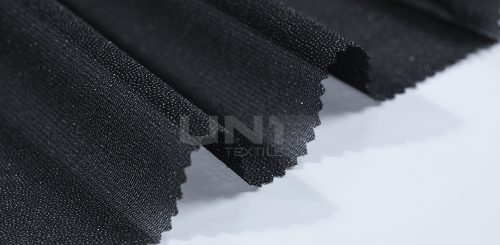
Air-Laid Polyester Adhesive Embroidery Backing
Our Airflow Embroidery Backing is a premium stabilizer designed with an advanced air-laid process, ensuring superior breathability and excellent stability.
This lightweight backing is soft yet durable, providing fantastic support for all your intricate embroidery designs. It’s an ideal choice for garments, home textiles, and professional embroidery applications, as it minimizes fabric distortion while keeping things comfortable.
product introduce
1. Product Advantages of Airflow Embroidery Backing
Airflow Embroidery Backing is a stabilizing material designed to provide reliable support during embroidery while maintaining a light and breathable structure. The material is produced using an airflow forming process that distributes fibers evenly to create a soft but stable nonwoven backing.
One of the key advantages of Airflow Embroidery Backing is its balanced combination of strength and softness. The airflow production method allows fibers to form a three-dimensional structure that supports embroidery stitches effectively while remaining comfortable in the finished textile product. This helps prevent puckering or distortion of the fabric during the embroidery process.
Another important benefit is the material’s good air permeability. The open fiber structure allows air to pass through the backing more easily compared with dense paper stabilizers. This characteristic helps maintain the natural feel of the garment and reduces stiffness after embroidery.
Airflow Embroidery Backing also offers consistent thickness and fiber distribution, which contributes to stable performance during machine embroidery. Because the fibers are evenly arranged, the backing provides uniform support across the embroidery area, helping ensure clean and precise stitching results.
For embroidery manufacturers looking for a stabilizer that combines lightweight comfort with reliable support, this material offers a practical solution.
2. When to Choose Airflow Stabilizers
Embroidery manufacturers select backing materials based on factors such as fabric type, stitch density, and production speed. Airflow-based stabilizers are often chosen when the embroidery project requires stable support without adding excessive stiffness to the fabric.
Compared with traditional paper stabilizers, Airflow Embroidery Backing generally provides a softer and more textile-like structure. This can help maintain the natural drape of the fabric, especially in garments where comfort is important.
Spunbond stabilizers are widely used for their strength, particularly in heavy embroidery designs. Airflow stabilizers, on the other hand, are frequently selected when embroidery density is light to medium and when maintaining flexibility is important.
Manufacturers may prefer this stabilizer when:
-
fabrics need breathable and lightweight support
-
embroidery is applied to garments worn close to the body
-
designs require stable but flexible backing
-
production involves continuous machine embroidery
Choosing the appropriate stabilizer helps ensure both efficient production and consistent embroidery quality.
3. Customization Options
Airflow Embroidery Backing can be produced in various specifications to match different embroidery applications. UNT offers flexible options to help embroidery manufacturers select the most suitable material for their production requirements.
Customization options may include:
-
different basis weights for light to medium embroidery designs
-
controlled tear strength for easier removal after stitching
-
soft surface finishing for delicate fabrics
-
low-lint processing to reduce dust during machine operation
-
anti-static treatment for smoother embroidery performance
-
customized roll widths and roll lengths
These adjustments allow embroidery factories to optimize both machine efficiency and embroidery stability.
4. Common Applications
Airflow Embroidery Backing is widely used in embroidery applications where soft support and fabric comfort are important.
Typical applications include:
-
garment embroidery for casual apparel
-
logo embroidery for uniforms
-
knitwear embroidery
-
decorative embroidery for fashion garments
-
children’s clothing embroidery
-
home textile embroidery
-
medium-density embroidery patterns
Because of its breathable structure, this stabilizer works particularly well in lightweight garment fabrics.
5. FAQ
What is Airflow Embroidery Backing used for?
It stabilizes the fabric during embroidery and helps maintain clean and accurate stitching.
Is this stabilizer suitable for garment embroidery?
Yes. It is commonly used for apparel embroidery where softness and flexibility are important.
Does it produce lint during embroidery?
The material is designed with low-lint characteristics to help maintain cleaner machines.
Can it be used for heavy embroidery designs?
It is generally recommended for light to medium-density embroidery patterns.
Are customized specifications available?
Yes. Weight, roll width, roll length, and finishing treatments can be customized.
6. Why Choose UNT
UNT provides embroidery stabilizer materials designed to support efficient embroidery production and reliable stitching quality.
Our advantages include:
-
stable airflow nonwoven material quality
-
consistent fiber distribution for embroidery support
-
low-lint backing materials for cleaner machine operation
-
flexible customization options
-
reliable supply for embroidery manufacturers
-
responsive technical and commercial support
By working with UNT, customers gain a supplier who understands the importance of high-quality stabilizers in achieving precise and consistent embroidery results.
additional information
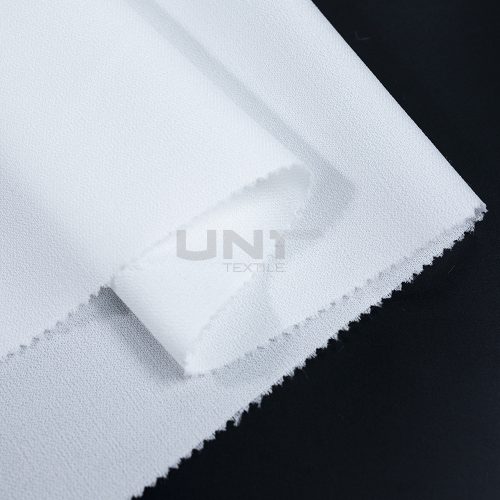
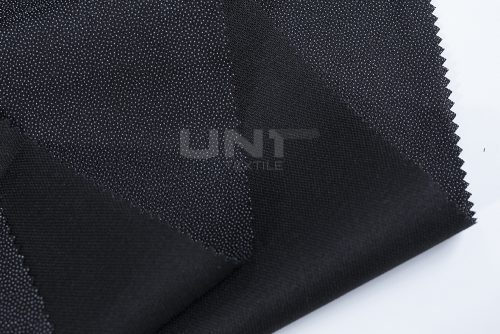
| Product Name | Airflow Embroidery Backing |
|---|---|
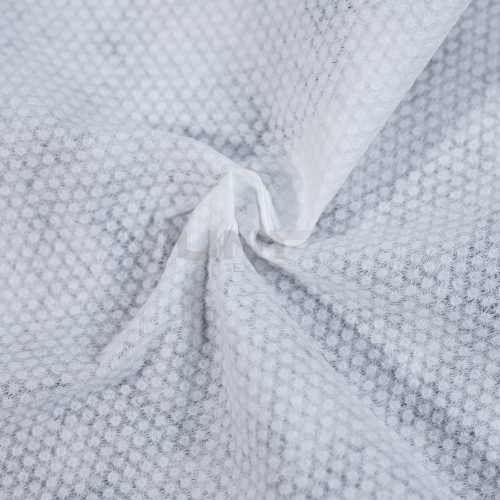
| Material | Spunbond Nonwoven Fabric or Lightweight Nonwoven with Perforations |
| Weight Range | 15-40gsm |
| Width Range | 90cm-160cm |
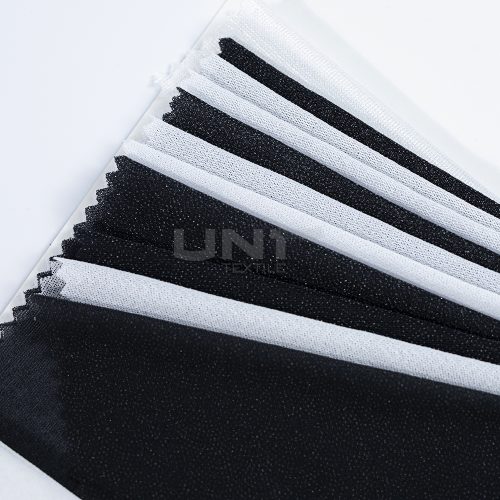
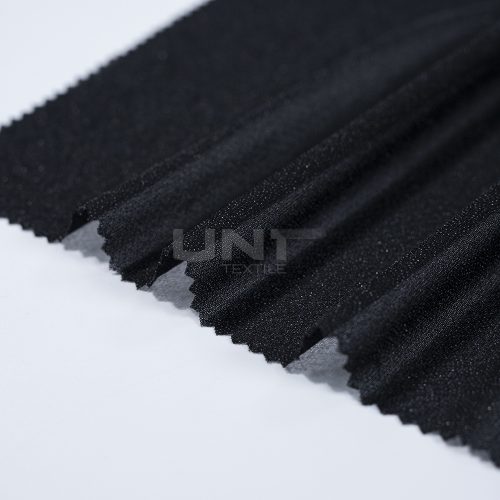
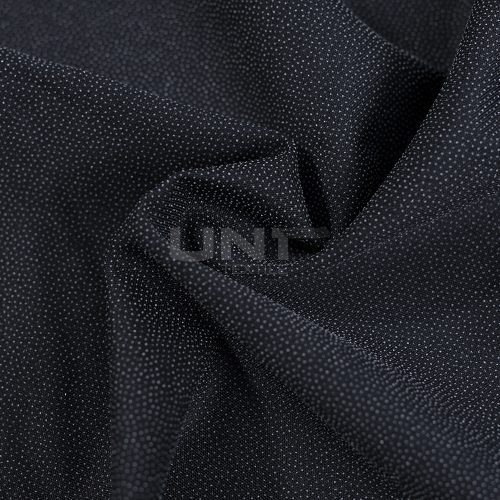
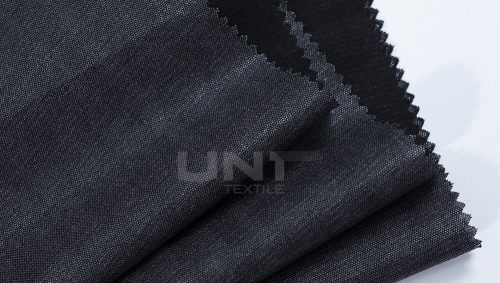
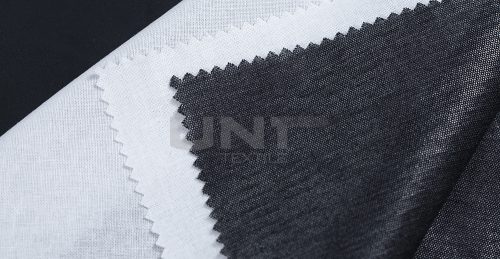
| Color | White, Black (Customizable) |
| Pattern | Perforated or Plain, Soft Surface |
| Application | Ideal for embroidery on lightweight fabrics requiring breathability and softness |
| Function | Provides excellent stabilization and allows airflow to reduce fabric distortion |
| Minimum Order Quantity | 5,000 meters per type |
| Price Range | USD $0.1 – $1/meter (Depending on weight and customization) |
| Packaging | Rolled on sturdy paper cores, packed in PE plastic bags with outer woven polybag |
| Transportation | Via sea, air, or express logistics |
| Payment Terms | L/C, D/P, T/T, Western Union, PayPal |
| Delivery Time | 7-15 days based on order size |
| Monthly Production Capacity | 4,000,000 meters |
| Roll Length | 50m-500m/roll (Customizable) |
| Special Customization | Available for weight, width, and perforation pattern upon request |
| Certification | OEKO-TEX, GRS, SGS |
Stay Ahead With UNT Updates

Shirt collar interlining helps a collar keep its shape, stiffness, and smooth appearance. This article explains the types, materials, and how to choose the right shirt collar interlining.
-
This article explains cotton interlining, its structure, properties, and why it is mainly used in shirt and collar interlining applications.
-
This article explains what knitted interlining is, its types, features, applications, and how to choose the right one for different garments.
.png)