
Chest Piece
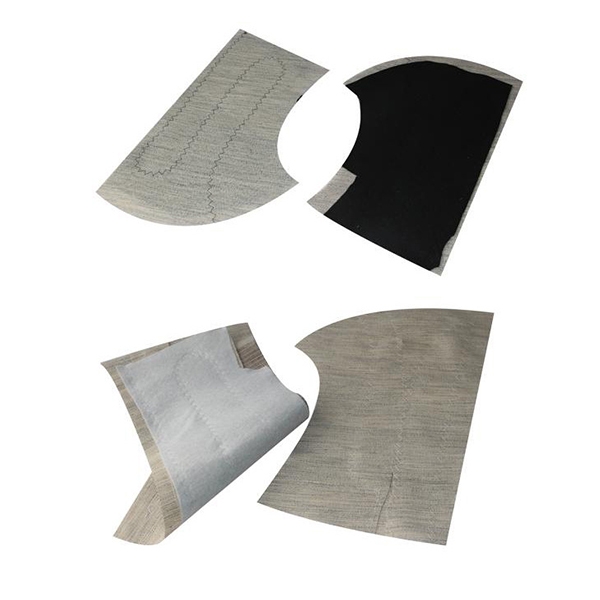
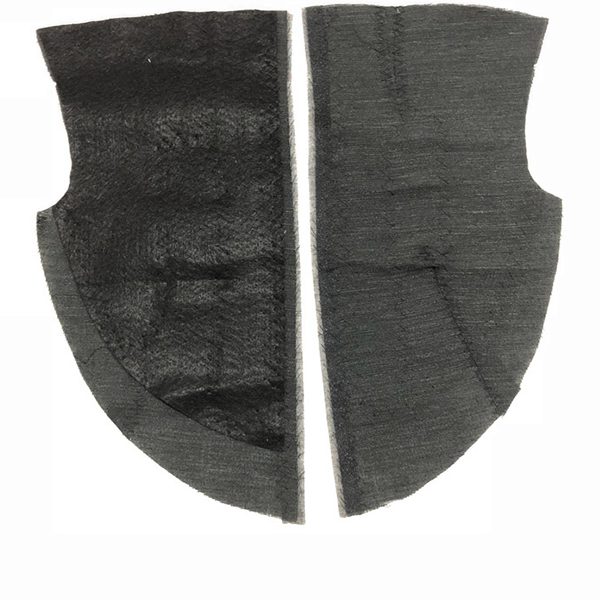
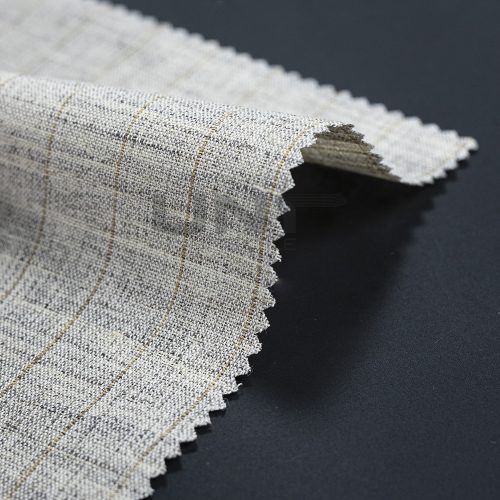
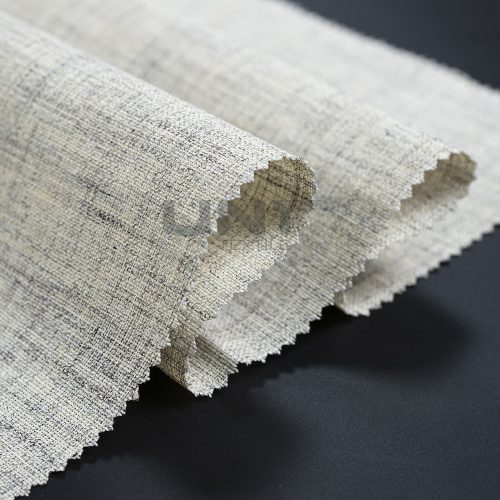
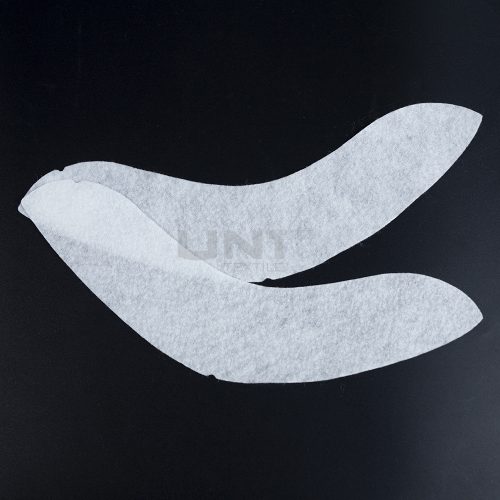
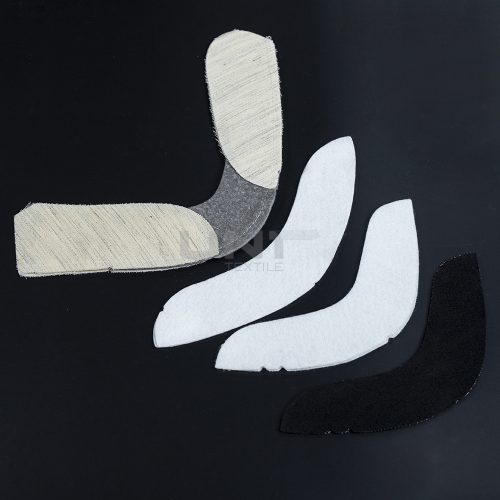
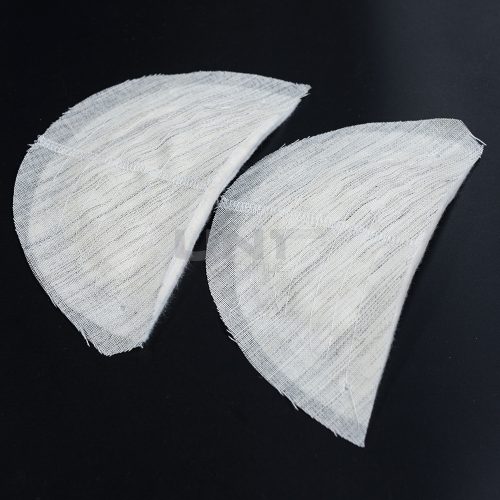
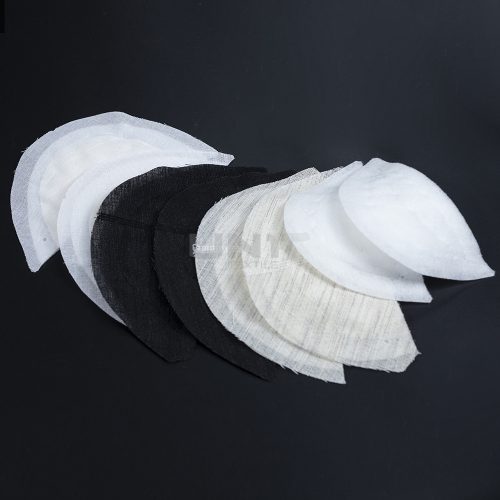
The chest piece is a crucial component in high-end tailoring, specifically designed to give suits their definitive structure and shape. We manufacture it using premium materials like hair interlining and needle-punched nonwoven fabric, which ensures excellent durability, flexibility, and overall performance.
By filling and shaping the suit’s front area, the chest piece significantly enhances the garment’s overall appearance and fit. We can also customize the size and style to your needs, making it an indispensable material for creating truly tailored suits.
product introduce
1. Product Overview
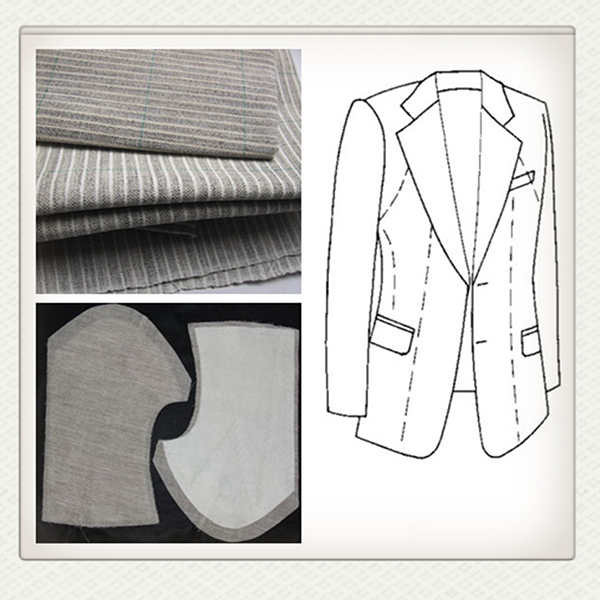
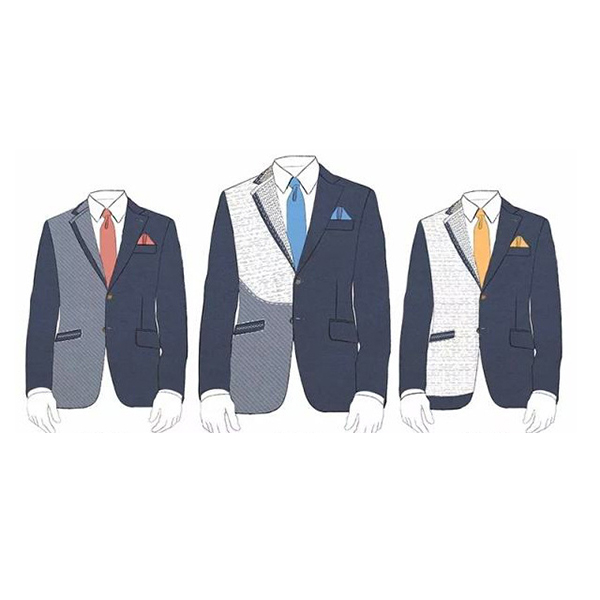
Chest Piece is an important structural component used in the construction of suits, jackets, and other tailored garments. It is positioned inside the chest area of the garment, between the outer fabric and the lining, where it helps shape and support the front panel.
In traditional tailoring, the chest area plays a crucial role in determining how a jacket fits and drapes on the body. Without proper internal structure, the front of the garment may appear flat or lose its form during wear. A chest piece provides the necessary reinforcement to create a natural three-dimensional shape.
This component is commonly used in men’s suits, blazers, and high-quality outerwear. It helps the garment maintain a structured appearance while still allowing flexibility and comfort for the wearer. Because of its role in shaping the chest area, it is considered one of the key elements in professional tailoring.
2. Material Composition
Chest pieces are typically produced from a combination of textile materials designed to provide both support and flexibility. The exact composition may vary depending on the garment type and manufacturing method.
Traditional versions often include hair canvas or woven interlining, which may contain natural fibers such as wool or horsehair blended with cotton or synthetic fibers. These materials offer resilience and elasticity, allowing the chest area of the jacket to retain its shape over time.
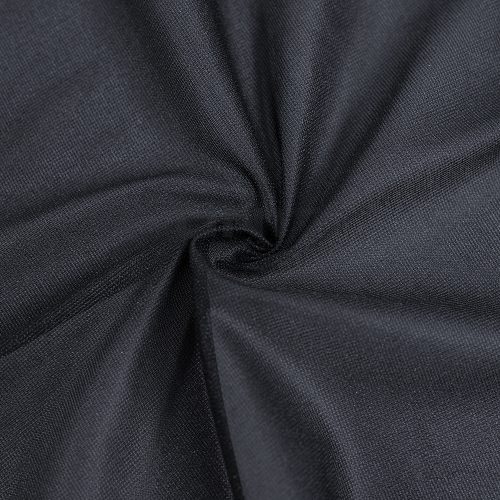
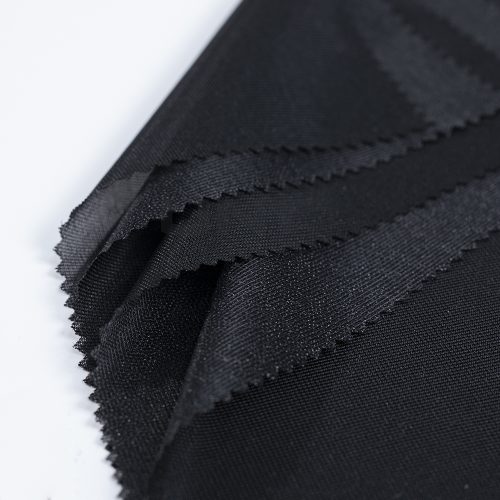
In modern garment production, chest pieces may also incorporate nonwoven fabrics or fused interlining materials to improve production efficiency. The combination of different layers helps achieve a balance between structure, comfort, and durability.
The materials used are carefully selected to ensure the component can support the garment structure without adding excessive weight or stiffness.
3. Key Features
Chest pieces provide several important functional advantages in tailored garment construction.
Structural Support
The component helps maintain the shape of the chest area, creating a more structured and professional appearance.
Improved Garment Fit
By shaping the front panel, it allows the jacket to follow the natural contours of the body.
Enhanced Durability
The internal reinforcement helps the garment maintain its structure even after extended wear.
Balanced Flexibility
Despite providing support, the materials used allow the garment to remain comfortable and flexible.
Compatible with Tailoring Techniques
It can be used with both traditional tailoring methods and modern garment manufacturing processes.
4. Manufacturing Process
The production of a chest piece generally involves combining multiple textile layers to create a stable structural component for garments.
First, the selected materials such as canvas, interlining, or nonwoven fabrics are prepared and cut into specific shapes designed for the chest area of the garment. These shapes are carefully developed to match the contours required for jacket construction.
Next, the layers may be bonded, stitched, or fused together depending on the manufacturing method. This process ensures that the materials remain stable and maintain their shape during garment assembly.
Finally, the finished pieces are inspected for consistency in thickness, structure, and flexibility before being supplied to garment manufacturers for use in tailoring production.
5. Applications
Chest pieces are widely used in garments that require structured tailoring and professional appearance.
Common applications include:
-
men’s suits
-
tailored jackets and blazers
-
formal wear garments
-
fashion outerwear
-
business apparel manufacturing
-
high-end garment production
These components help improve the overall structure and appearance of garments designed with tailored construction.
6. Why Choose UNT
UNT provides garment accessory materials designed to support reliable tailoring production and consistent garment quality.
Our advantages include:
-
stable material quality for garment accessories
-
suitable components for structured tailoring applications
-
flexible customization of specifications
-
reliable supply for apparel manufacturers
-
professional experience in textile accessory materials
By working with UNT, customers gain access to materials that help support efficient garment production and maintain the structure and appearance of tailored clothing.
additional information
| Product Name | Chest Piece |
|---|---|
| Material | Hair Interlining, Needle Punch Nonwoven Fabric |
| Application | Used for suit filling, providing structure and support to the chest area of the suit |
| Style | Customizable based on customer samples |
| Size | Customizable |
| Minimum Order Quantity | 1,000 pieces |
| Price Range | USD $0.50 – $1.50/piece (Depending on material and size) |
| Packaging | Packed in PE plastic bags and cartons |
| Transportation | Via sea, air, or express logistics |
| Payment Terms | L/C, D/P, T/T, Western Union, PayPal |
| Delivery Time | 10-15 days based on order size |
| Monthly Production Capacity | 1,000,000 pieces |
| Special Customization | Available for material composition, size, and style requirements |
| Certification | OEKO-TEX, SGS |
Stay Ahead With UNT Updates

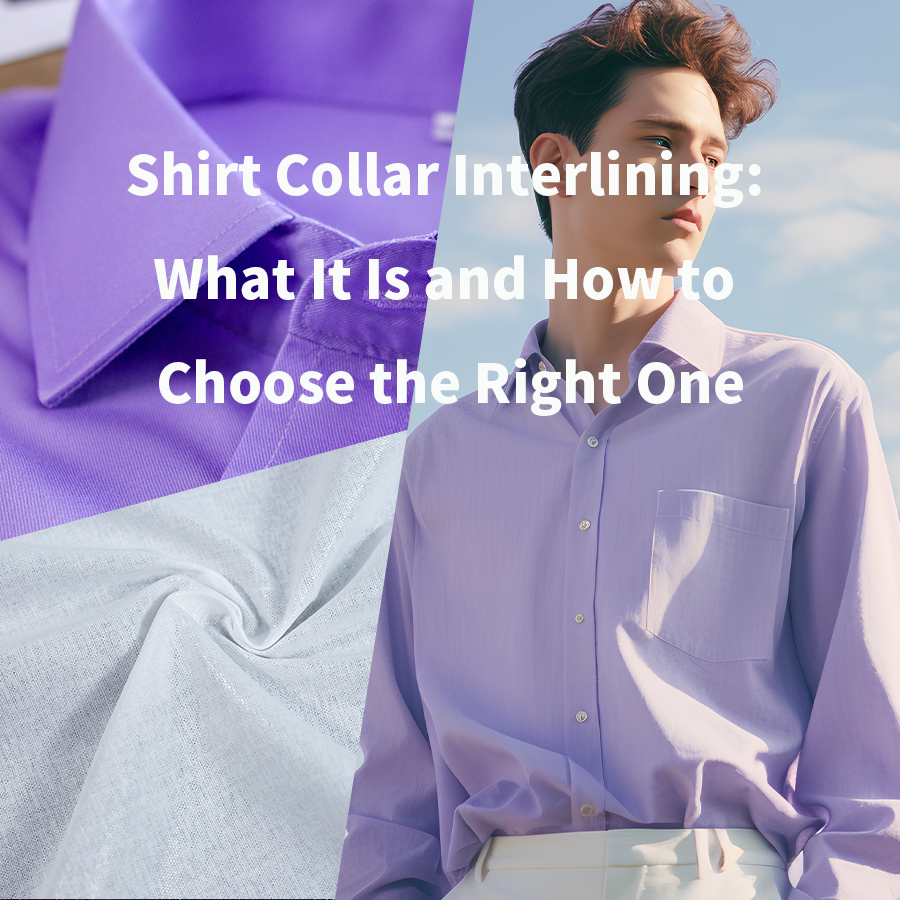
Shirt collar interlining helps a collar keep its shape, stiffness, and smooth appearance. This article explains the types, materials, and how to choose the right shirt collar interlining.
-
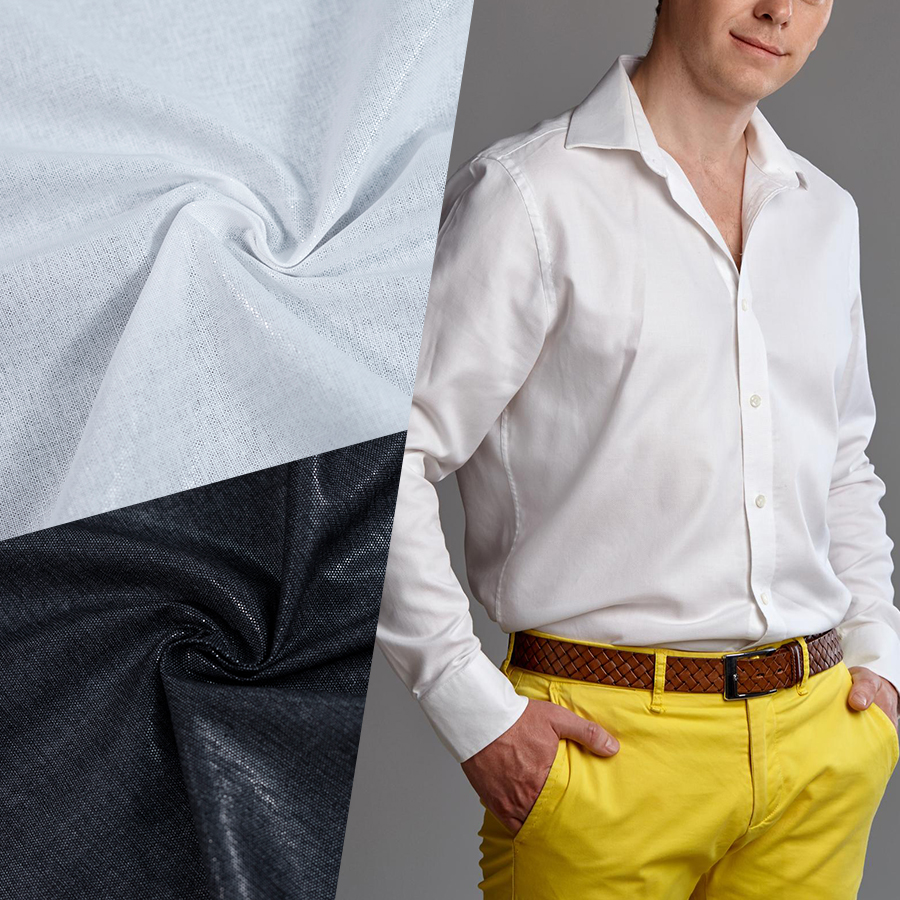
This article explains cotton interlining, its structure, properties, and why it is mainly used in shirt and collar interlining applications.
-
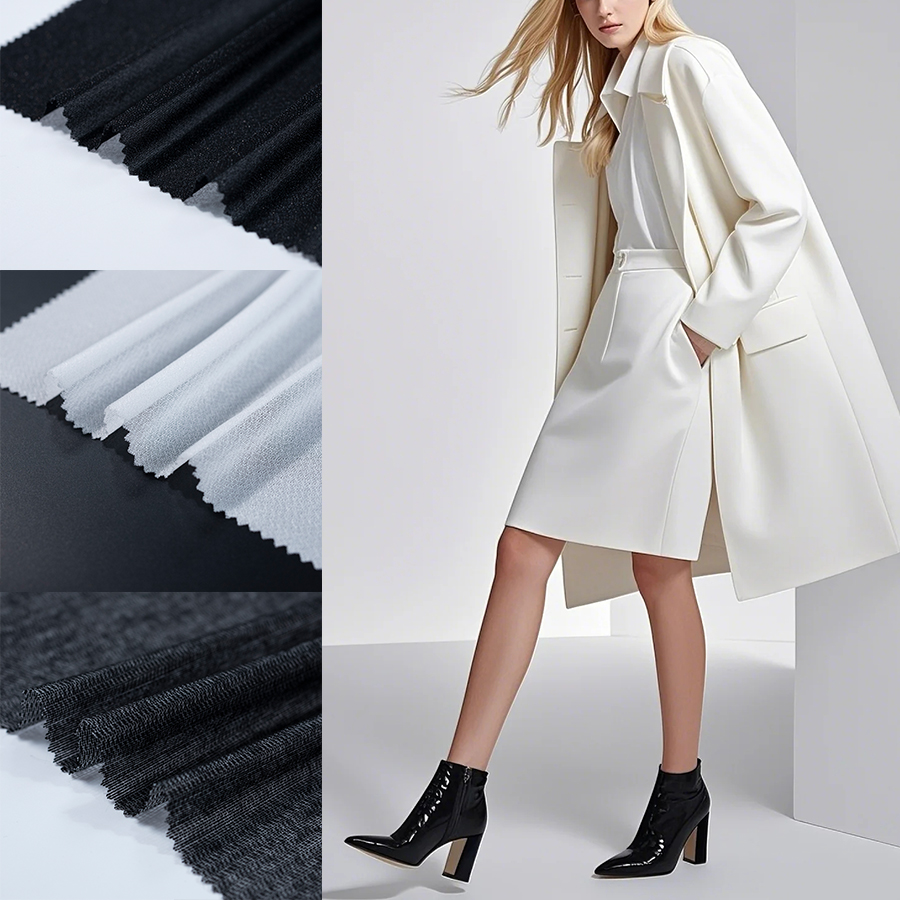
This article explains what knitted interlining is, its types, features, applications, and how to choose the right one for different garments.
.png)