
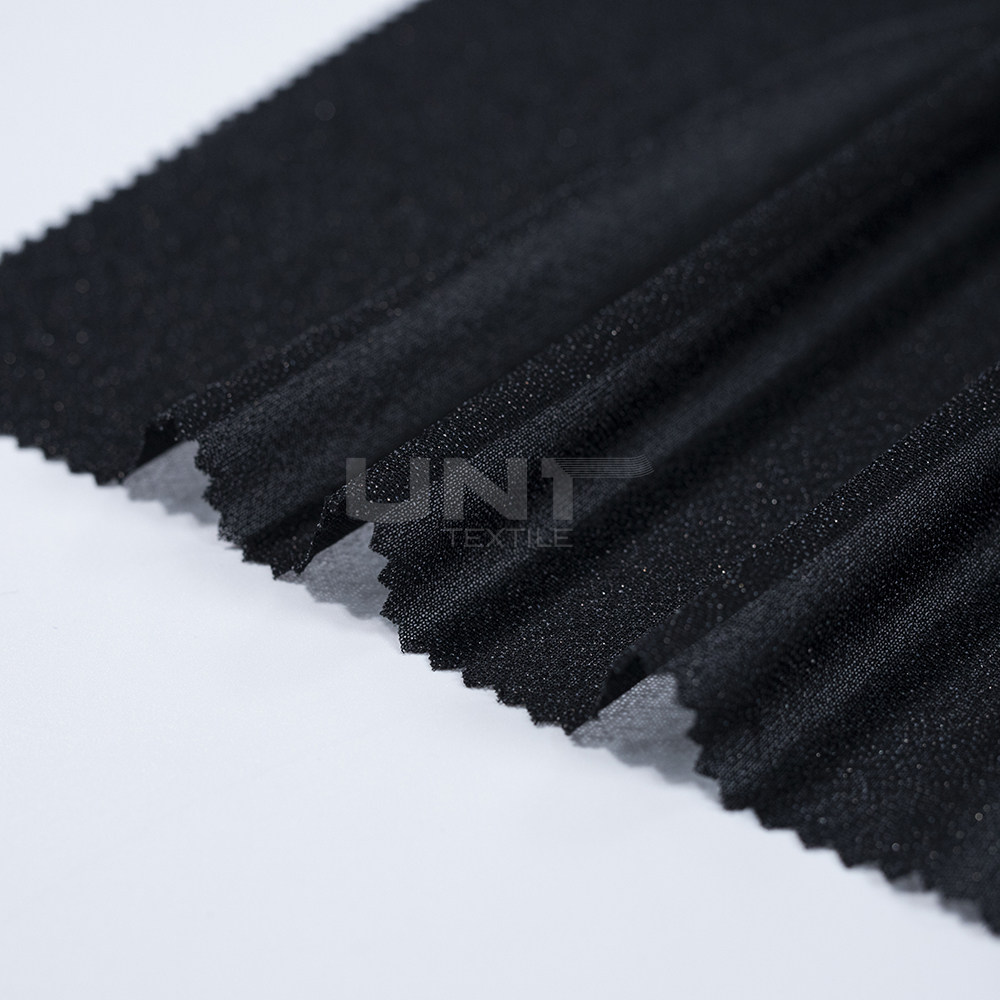
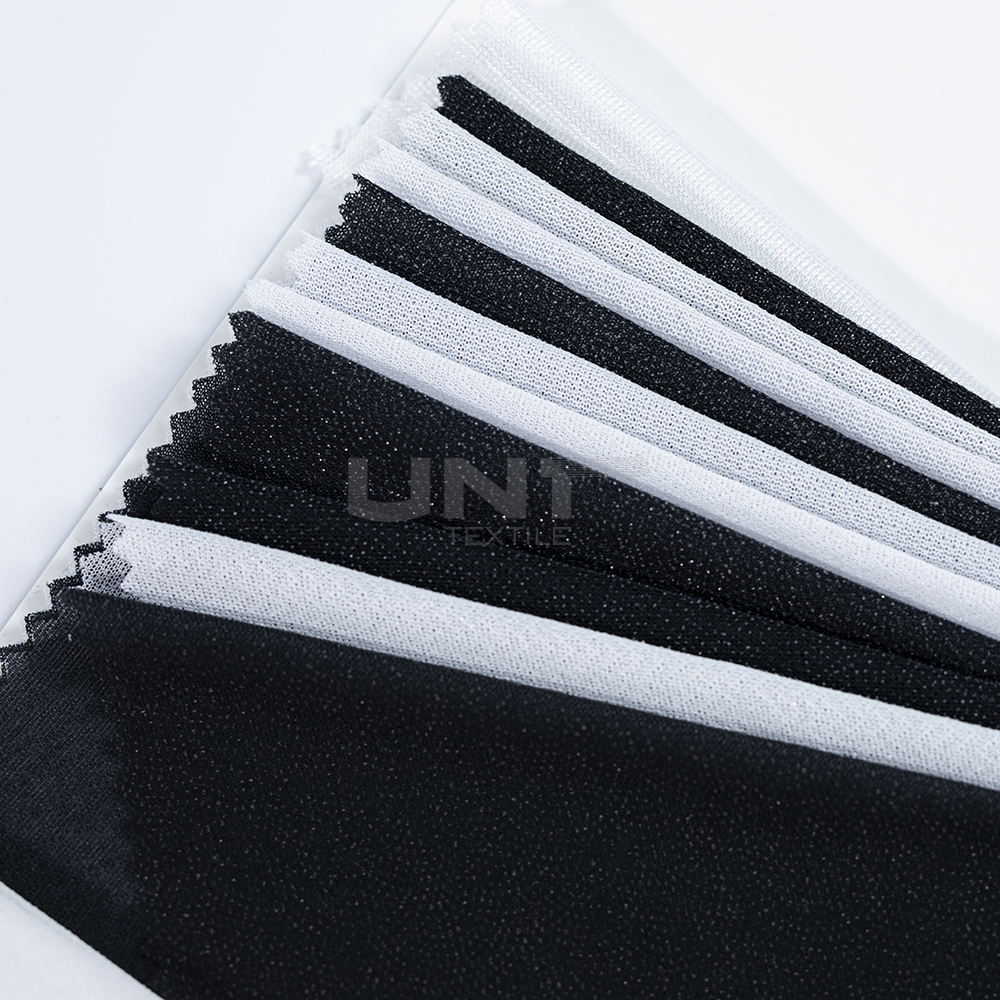
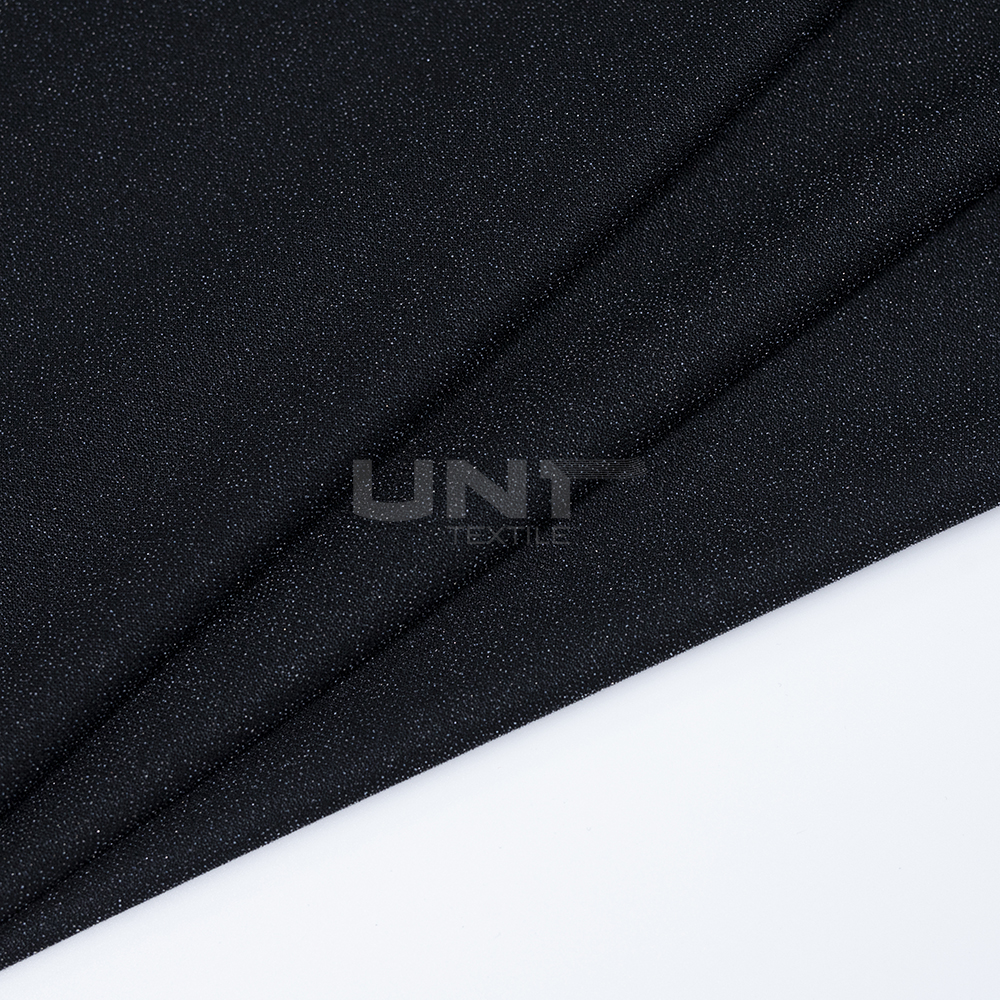
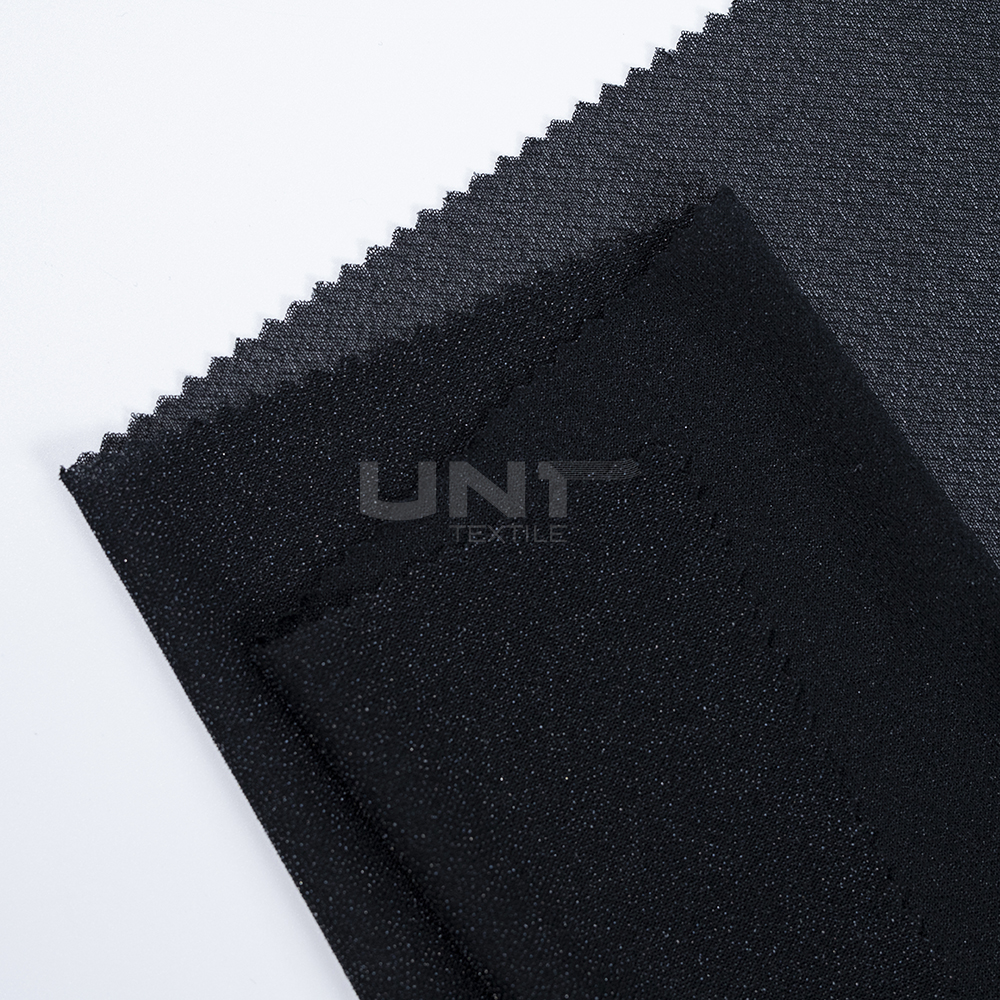
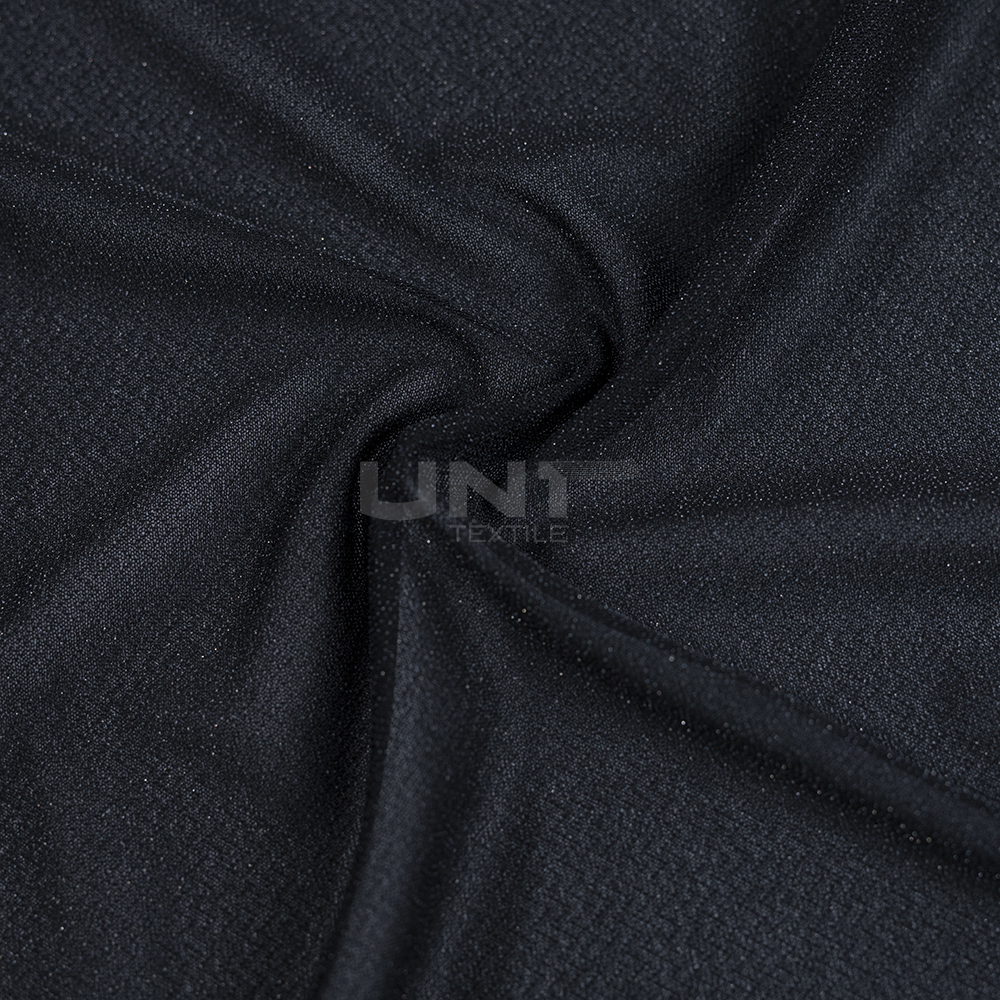
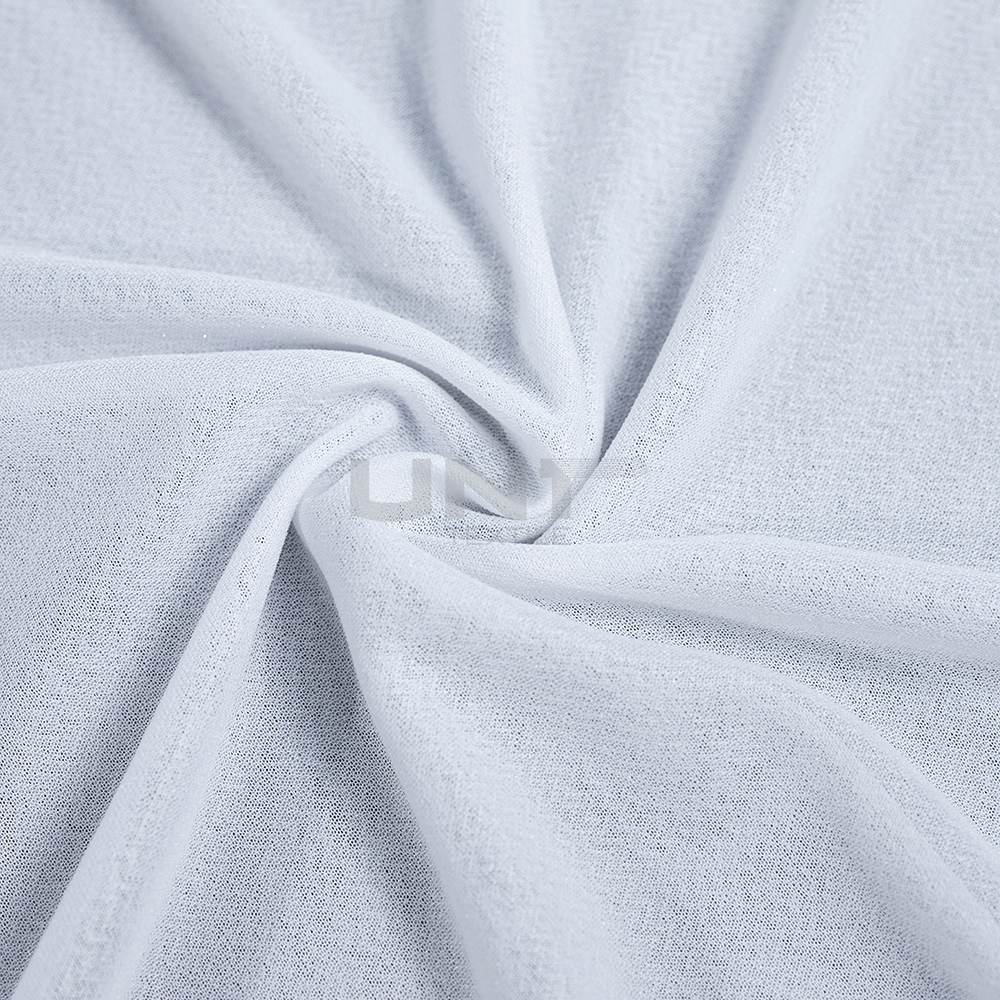
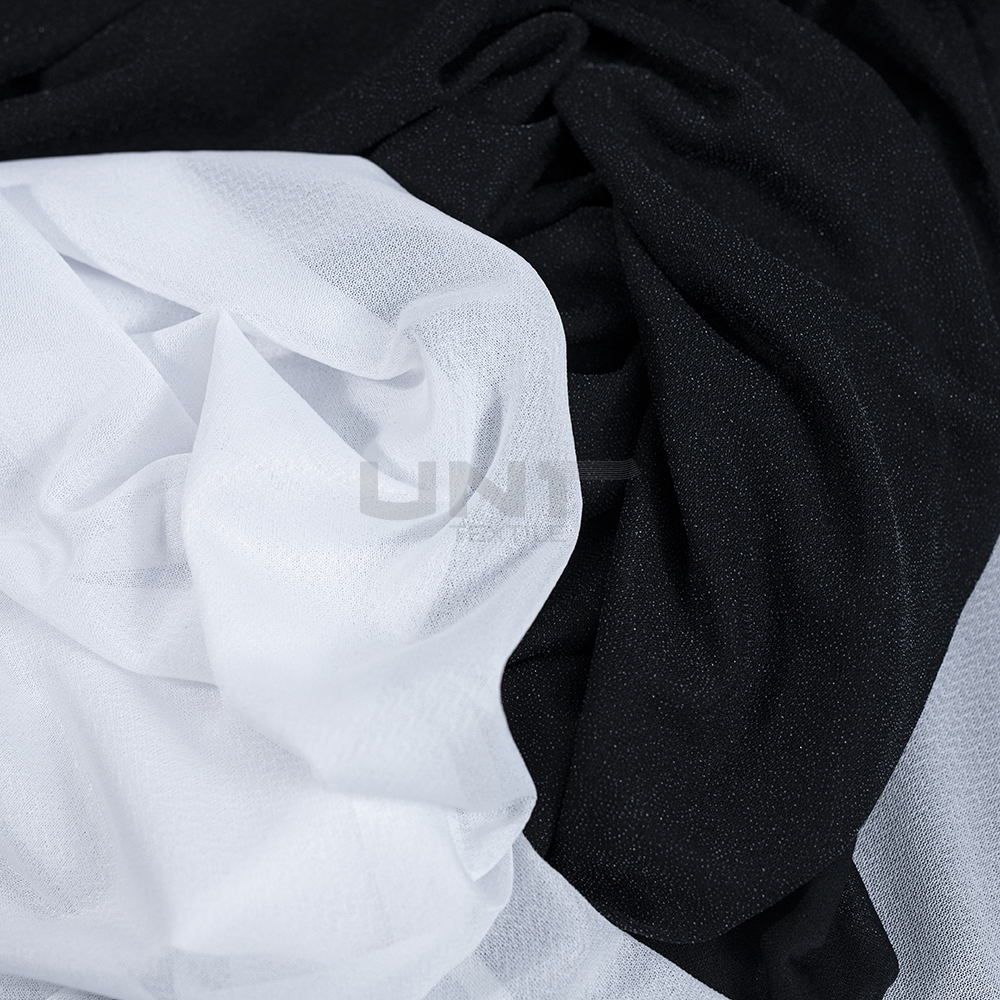
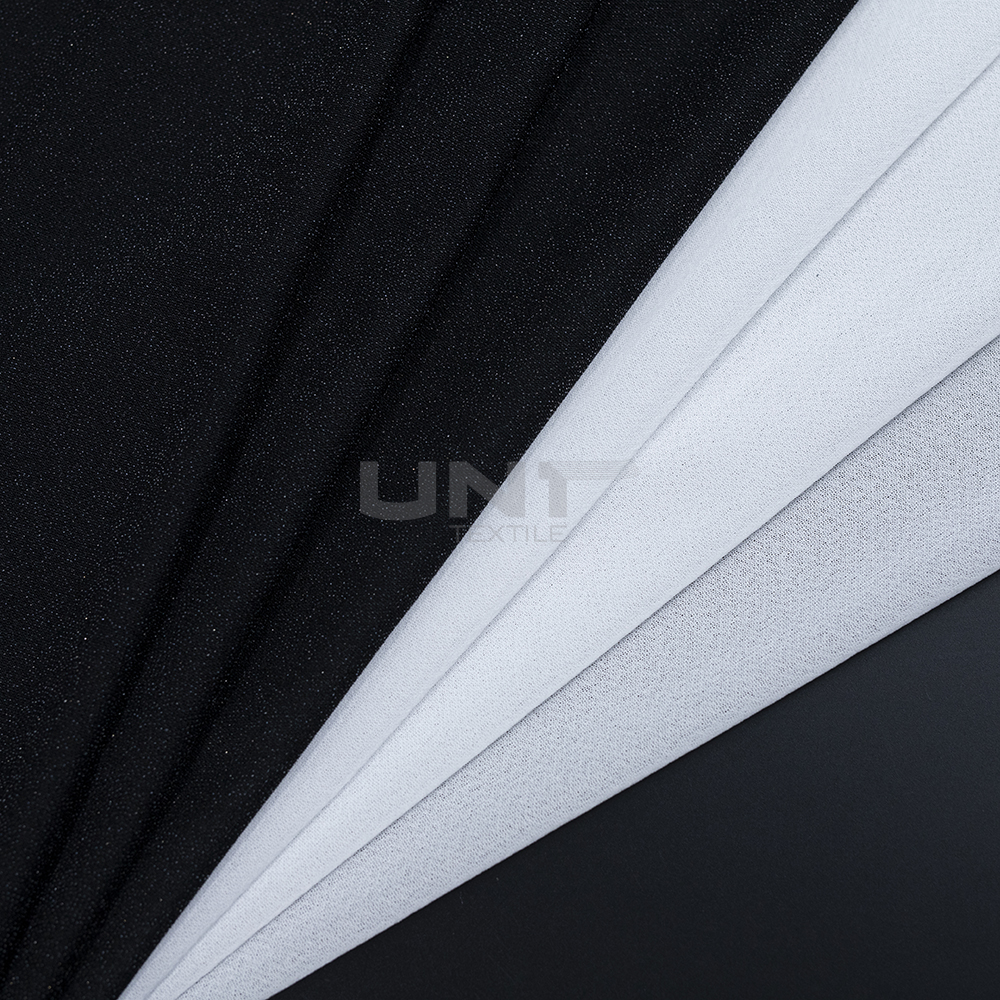
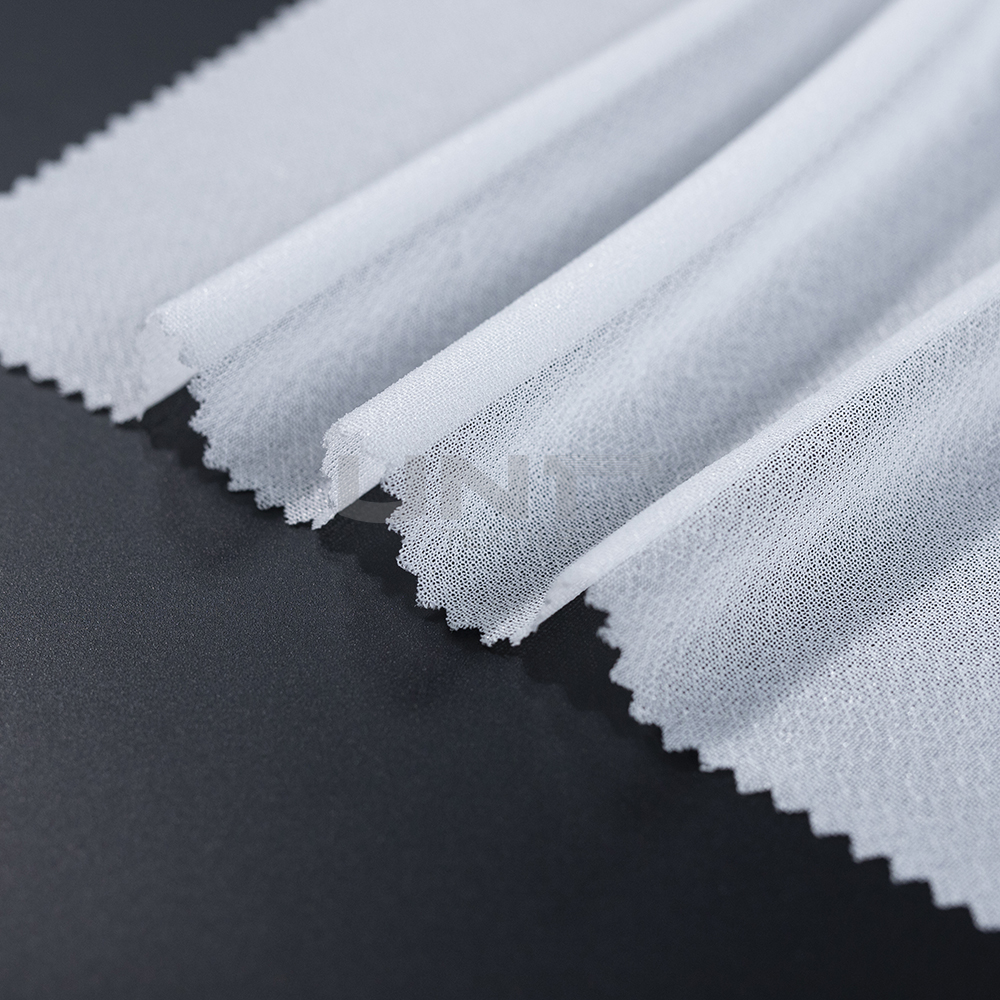
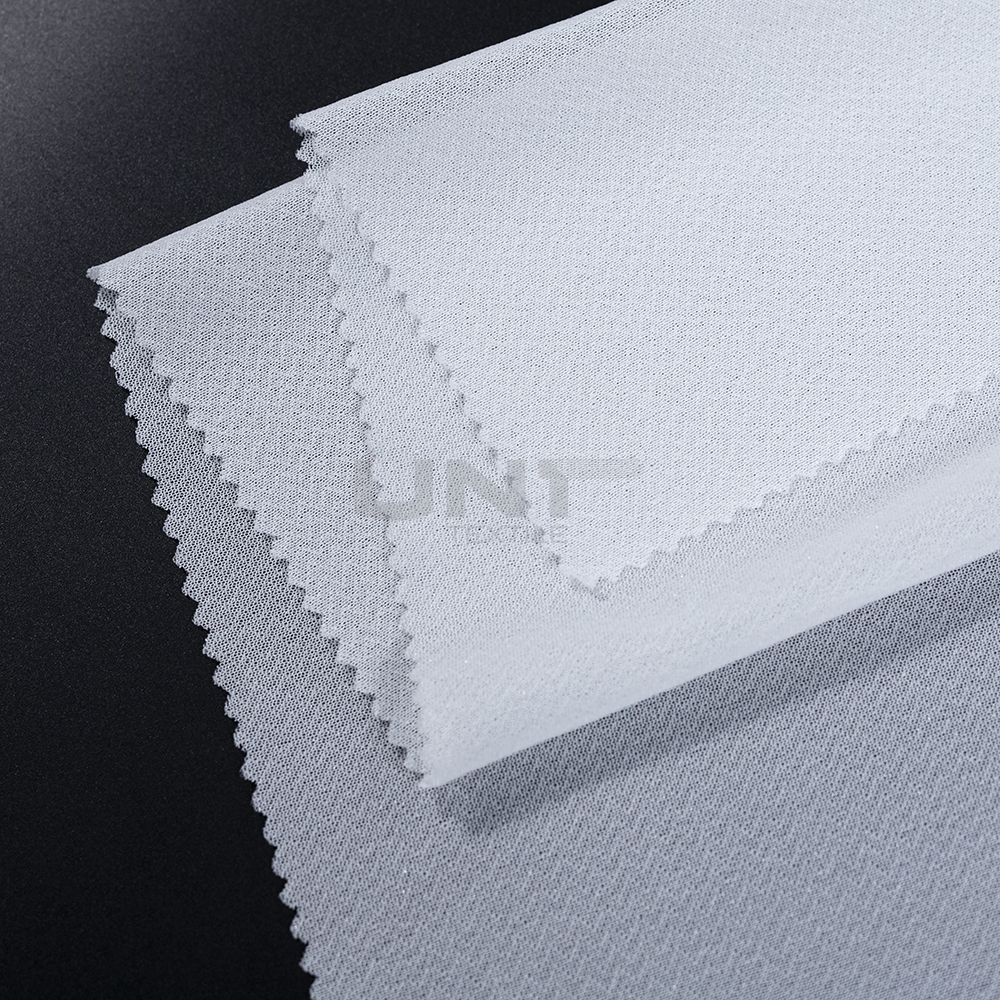
Circular Knit Interlining
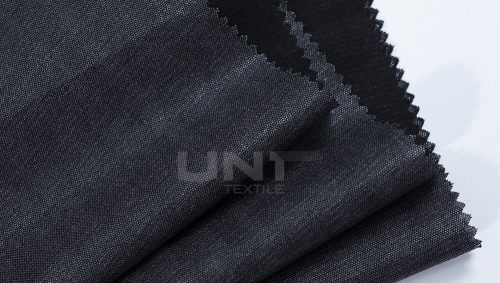
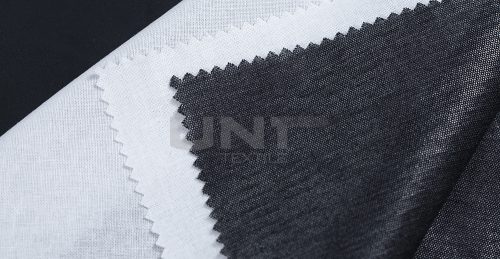
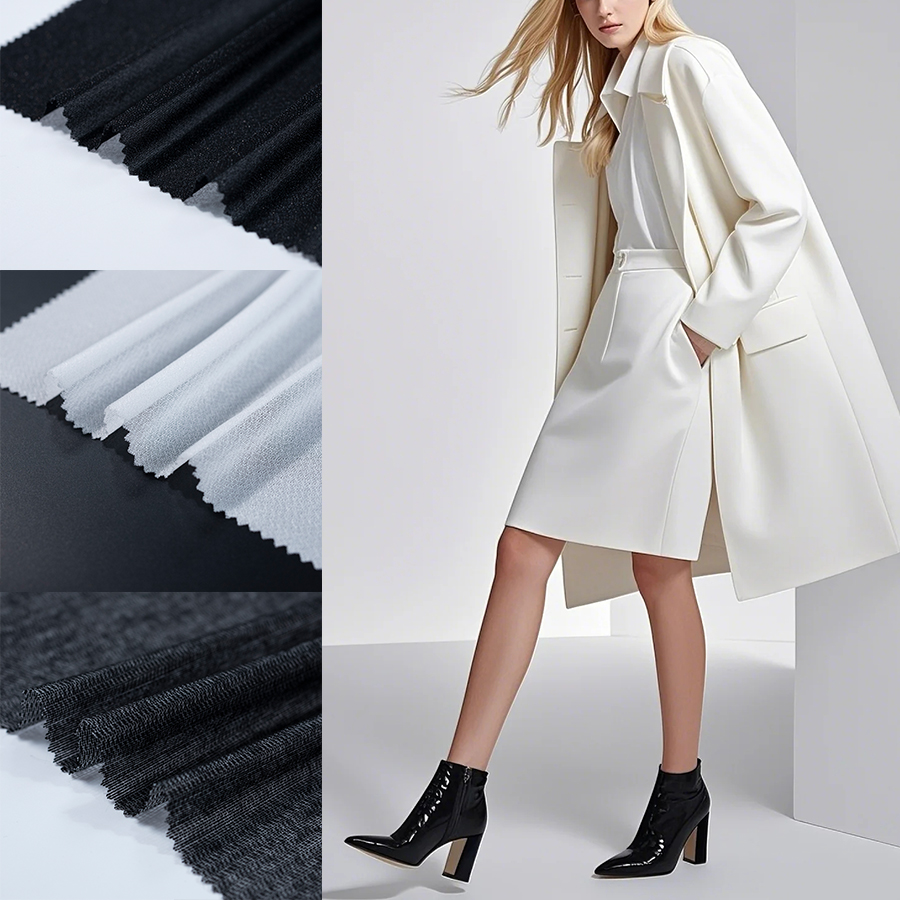
Circular Knit Interlining is an excellent choice for men’s and women’s casual wear, as it offers great two-way stretch and superior resilience. It’s highly adaptable to various fabric types and can even handle enzyme and garment washes at both 60°C and 90°C.
We excel at creating custom solutions, ensuring our interlining seamlessly integrates with your fabric. This guarantees premium comfort and long-lasting durability for your finished garments.
product introduce
1. Product Overview
In garment manufacturing, some fabrics need a little support but still have to remain soft and flexible. Circular knit interlining is often used in this situation. It is made from knitted fabric produced on circular knitting machines, which gives the material a smooth surface and a certain level of stretch.
Because of this structure, circular knit interlining behaves differently from woven interlining. The fabric can move more easily with the outer garment fabric, which makes it suitable for clothing where comfort and flexibility are important.
Garment manufacturers often use this interlining in shirts, knit garments, dresses, and lightweight fashion apparel. It helps maintain the shape of certain garment parts while still allowing the fabric to feel natural.
In many production lines, the interlining is applied through a fusing process. The adhesive coating on the back melts under heat and pressure, bonding the interlining to the outer fabric. Once fused, the garment parts become more stable but still retain a soft hand feel.
2. Fabric Structure and Materials
This is produced using circular knitting machines. These machines create a continuous tubular knitted fabric by forming loops of yarn. The loop structure is what gives knitted fabrics their flexibility.
Because of this loop structure, the material can stretch slightly and recover when the fabric moves. This is one reason garment manufacturers choose knitted interlining for softer garments.
The yarns used in circular knit interlining are usually polyester or polyester blends. Polyester fibers help maintain stability and durability while keeping the fabric lightweight.
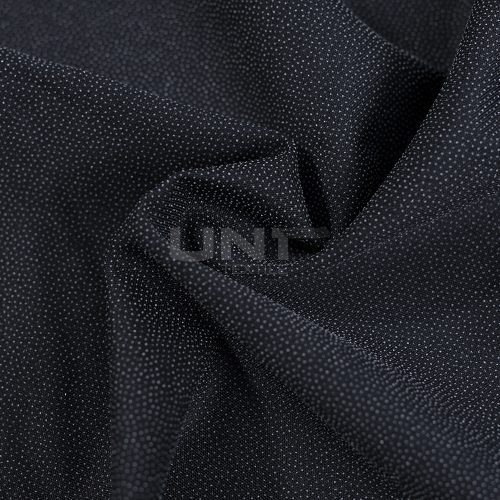
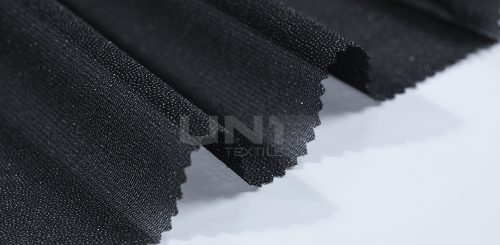
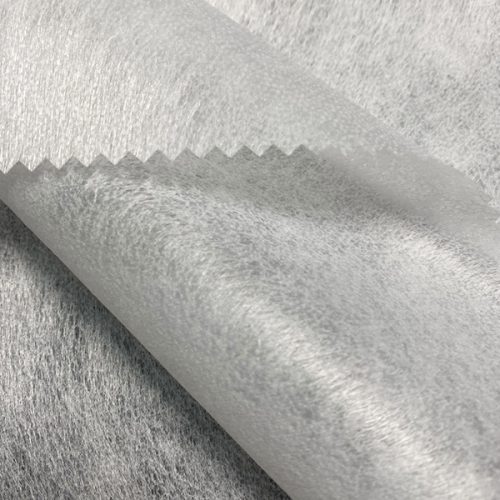
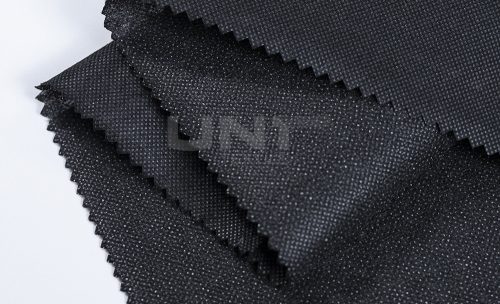
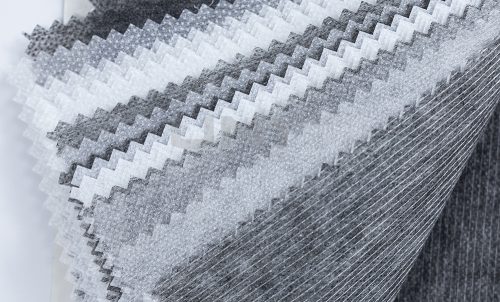
During finishing, an adhesive layer is often applied to one side of the fabric. The adhesive is typically added in small dot patterns. This helps maintain flexibility while still allowing the interlining to bond firmly to the garment fabric during fusing.
3. Key Features
Soft and flexible structure
The knitted construction allows the interlining to move together with the garment fabric.
Comfortable hand feel
Circular knit interlining usually feels softer compared with many woven interlinings.
Lightweight support
It adds stability to garment parts without making them stiff.
Good compatibility with knit fabrics
It works well with stretch fabrics and other soft materials used in fashion garments.
Reliable fusing performance
Fusible versions bond well with fabrics during the heat pressing process.
4. Manufacturing Process
The production of circular knit interlining starts with yarn preparation. Polyester or blended yarns are first prepared and fed into circular knitting machines.
The knitting machine forms loops of yarn continuously, creating a tubular knitted fabric. This structure provides flexibility and allows the fabric to stretch slightly.
After knitting, the fabric may be opened and processed into flat fabric rolls. At this stage, finishing treatments such as heat setting and stabilization are applied to control the fabric dimensions.
If the product is designed to be fusible, adhesive coating is applied to one side of the fabric. The coating process usually creates small adhesive dots that melt during garment fusing.
Once the finishing process is complete, the fabric is inspected, rolled, and prepared for delivery to garment manufacturers.
5. Applications
Circular knit interlining is often used in garments where softness and flexibility are important.
Typical applications include:
-
shirts
-
knit garments
-
dresses
-
lightweight jackets
-
women’s fashion apparel
-
stretch fabric garments
Because the material bends and stretches easily, it works well with fabrics that require comfort and natural movement.
6. Product Specifications
Below is a general overview of common circular knit interlining specifications.
| Item | Description |
|---|---|
| Material | Polyester, polyester blends |
| Structure | Circular knitted fabric |
| Coating | Fusible or non-fusible |
| Weight | Usually 35–90 gsm |
| Width | Commonly 90 cm – 150 cm |
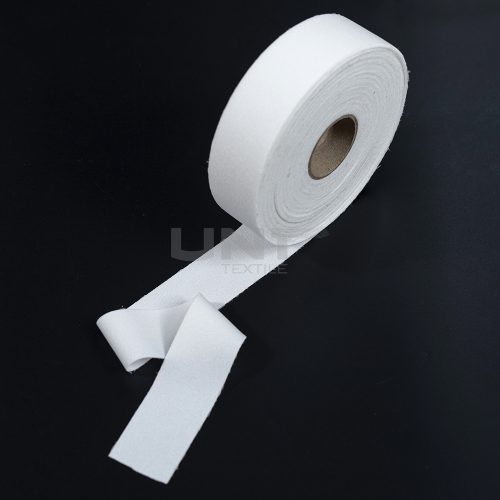
| Color | White, black, natural |
Specifications can be adjusted depending on garment production needs.
7. FAQ
Q1: What is the difference between circular knit interlining and warp knit interlining?
Circular knit interlining is produced on circular knitting machines and often has more stretch, while warp knit interlining is made on warp knitting machines and usually has slightly better stability.
Q2: Is circular knit interlining suitable for stretch fabrics?
Yes. Because of its knitted structure, it works well with fabrics that require flexibility and comfort.
Q3: Can circular knit interlining be fused to garments?
Yes. Many products include adhesive coating so they can be bonded to fabric through heat and pressure.
8. Why Choose UNT
UNT supplies a range of garment interlining materials designed for modern apparel manufacturing. Our circular knit interlining products focus on stable quality and reliable performance during fusing and sewing.
We provide different weights, widths, and coating options so manufacturers can choose materials that match their garment designs. Our production and supply system also supports consistent delivery for garment factories.
With flexible customization and stable product quality, weboss works with apparel manufacturers who need dependable interlining materials for shirts, knit garments, and fashion apparel.
additional information
| Material | 100% Polyester |
|---|---|
| Structure | W knit, V knit, O knit |
| Width | 150cm |
| Color | White, Optical White, Black, Colorful |
| Weight | 30gsm – 70gsm |
| MOQ (Minimum Order Quantity) | 500 meters |
| Certificates | OEKO-TEX, SGS, GRS |
| Price | 0.4 – 1.8 USD per meter |
| Packaging | PE plastic bag and Nylon bag; the roll packed by transparent strong plastic bag, the outside by strong woven polybag. |
| Transportation | By sea, air, or express |
| Payment Terms | L/C, D/A, D/P, T/T, Western Union |
| Delivery Time | 7-15 days |
| Monthly Production | 1,000,000 meters |
| Roll Length | 100 meters per roll |
| Thermal Properties | Fusing temperature range: 110-130°C |
| Stretch Properties | Two-way stretchable and resilient, suitable for a variety of fabrics |
| Washing Resistance | Enzyme wash and garment wash compatibility (60°C, 90°C) |
| Applications | Suitable for men's and women's casual wear, sportswear, and adaptable for custom garment washing requirements. |
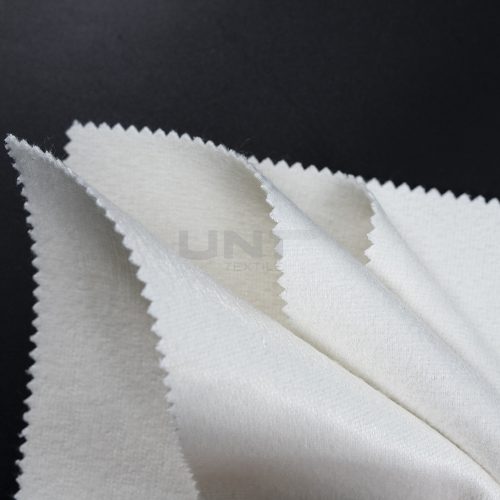
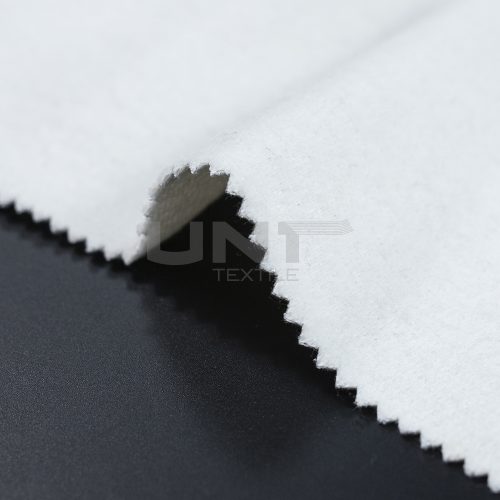


Stay Ahead With UNT Updates

Shirt interlining helps collars, cuffs, and plackets keep their shape. Learn what shirt interlining is, its materials, types, and how to choose the right one.
-
Shirt collar interlining helps a collar keep its shape, stiffness, and smooth appearance. This article explains the types, materials, and how to choose the right shirt collar interlining.
-
This article explains what knitted interlining is, its types, features, applications, and how to choose the right one for different garments.
.png)