
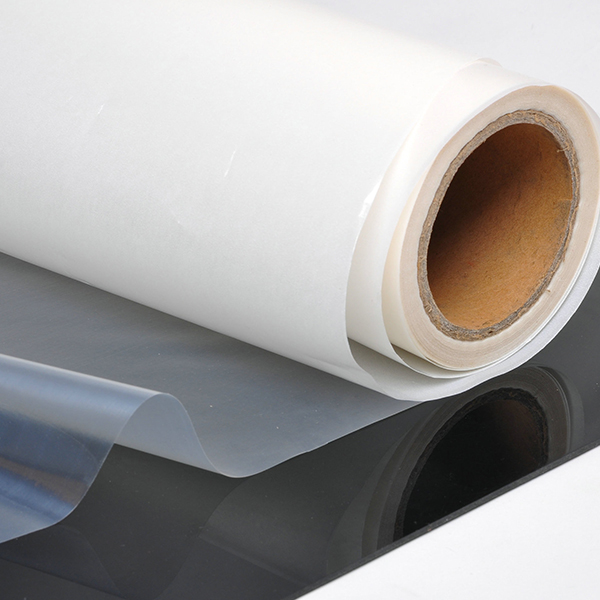
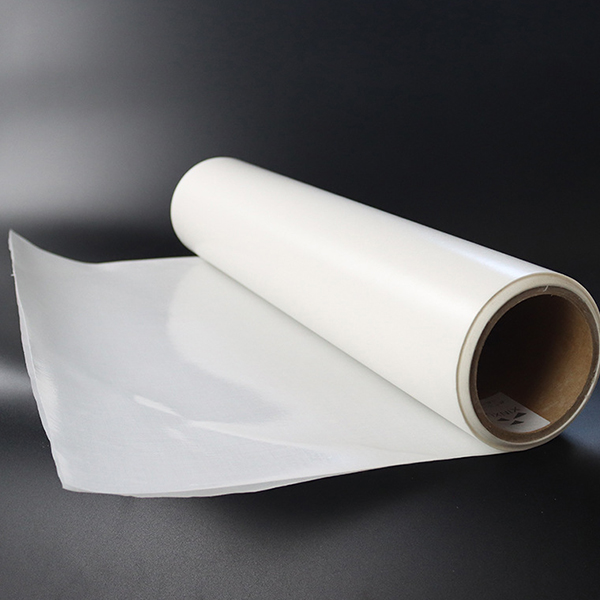
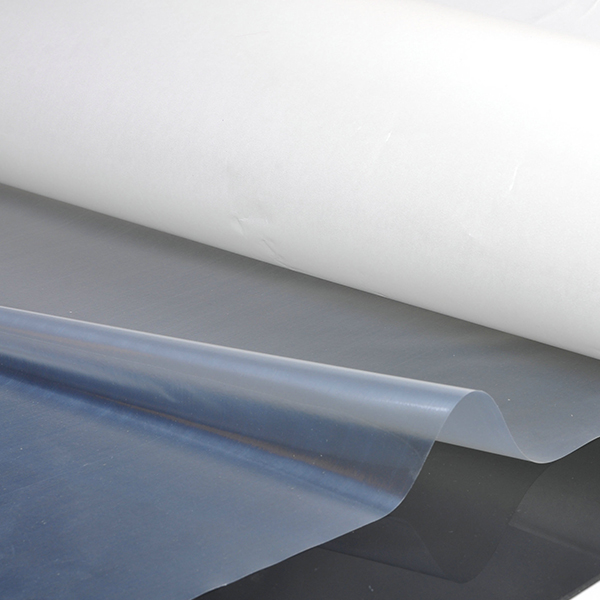
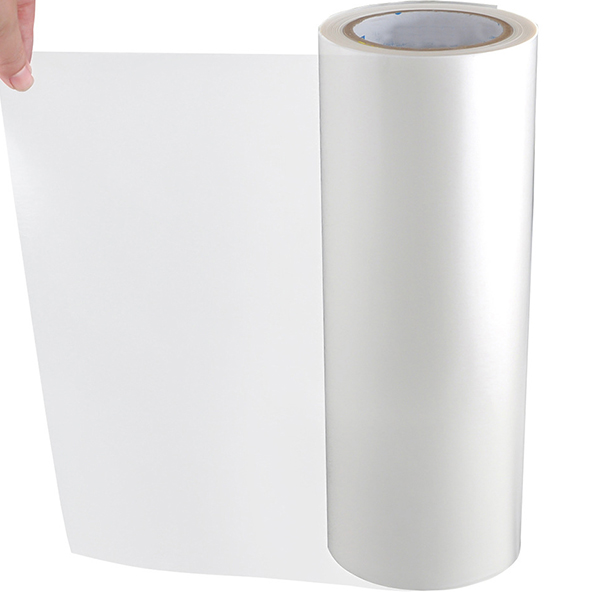
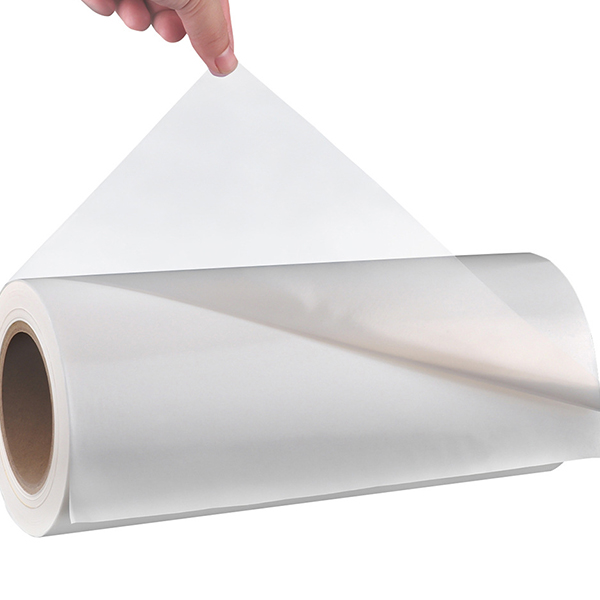
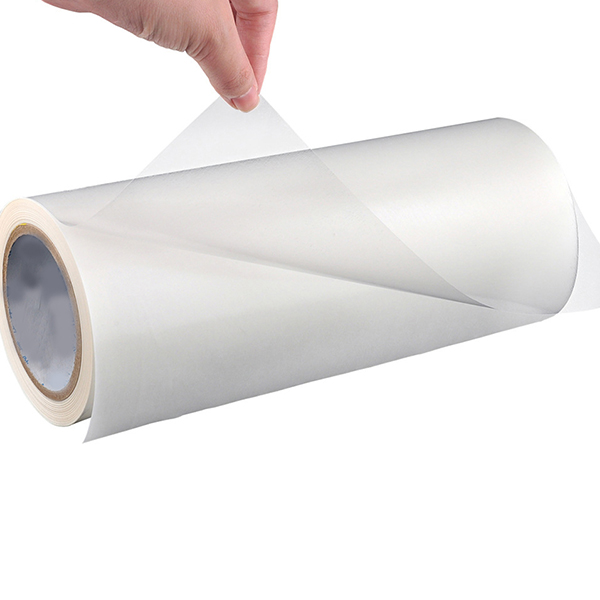
Hot Melt Adhesive Film
Our hot melt adhesive film is a versatile, high-performance bonding material available in materials like PO, PES, PA, EVA, and TPU. Its strong adhesion, excellent durability, and reliable heat-sealing properties make it an ideal choice for textiles, nonwoven fabrics, leather, and a variety of other garment components.
Widely used for everything from clothing to industrial applications, this film offers precise and efficient solutions for a diverse range of bonding needs.
product introduce
1. Product Overview
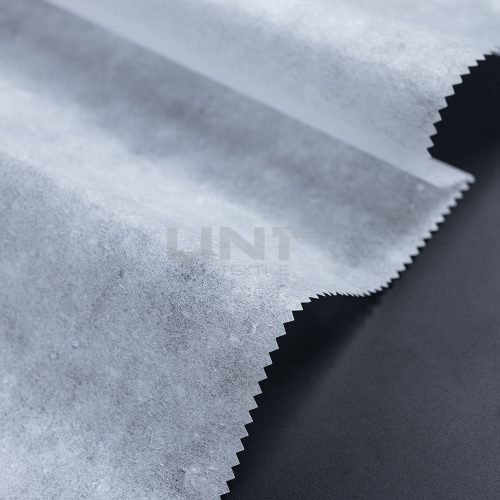
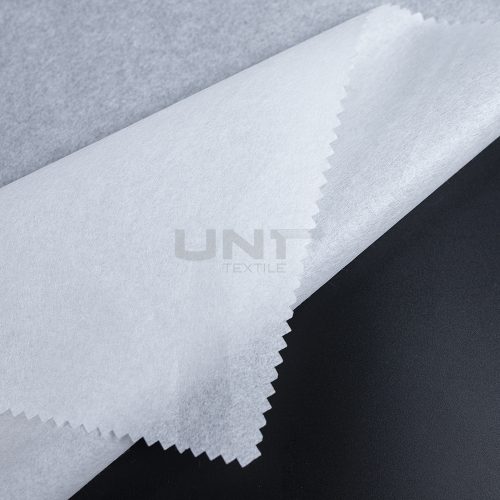
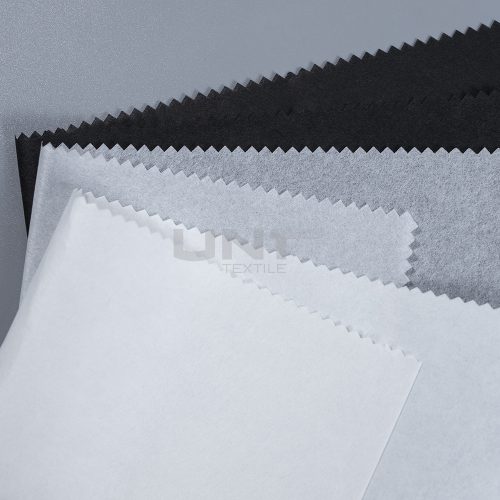
Hot Melt Adhesive Film is a thermoplastic bonding material widely used in textile manufacturing, garment production, footwear, electronics, and industrial lamination. It is supplied in film form and becomes adhesive when heated to a specific temperature. Once melted, the material can bond different substrates together and forms a strong connection after cooling.
This type of adhesive film provides a clean and efficient alternative to traditional liquid adhesives. Because the bonding process does not require solvents, it helps simplify production while reducing material waste.
Hot Melt Adhesive Film is commonly used for bonding fabrics, leather, foam, plastics, and various synthetic materials. In the textile and garment industry, it is often applied in lamination, seam bonding, and accessory manufacturing. Different polymer materials can be selected depending on the bonding requirements, including PO, PES, PA, EVA, TPU, and HDPE.
2. Material Composition
Hot melt adhesive films are produced from thermoplastic polymers that become soft and adhesive when heated. The choice of polymer determines the film’s melting temperature, flexibility, bonding strength, and compatibility with different materials.
Common material types include:
-
PO (Polyolefin) – known for good flexibility and balanced bonding performance
-
PES (Polyester) – provides strong bonding and good heat resistance
-
PA (Polyamide) – offers excellent adhesion to textiles and leather materials
-
EVA (Ethylene Vinyl Acetate) – widely used due to its softness and good processing characteristics
-
TPU (Thermoplastic Polyurethane) – known for elasticity and durability
-
HDPE (High Density Polyethylene) – suitable for applications requiring higher stiffness
By selecting different polymer compositions, manufacturers can produce adhesive films suitable for various industrial and textile bonding processes.
3. Key Features
Hot melt adhesive films offer several advantages that make them suitable for many bonding applications.
Strong Bonding Performance
The film forms a stable bond after heat pressing and cooling, creating a durable connection between materials.
Clean and Solvent-Free Process
Unlike liquid adhesives, the bonding process does not involve solvents, helping maintain a cleaner production environment.
Uniform Thickness
Because the adhesive is supplied in film form, it provides consistent thickness and bonding distribution during lamination.
Flexible Processing
The film can be used with heat press machines, laminating equipment, or automated bonding systems.
Compatibility with Multiple Materials
It can bond fabrics, leather, foam, plastics, and synthetic materials depending on the polymer type.
4. Manufacturing Process
The production of hot melt adhesive film typically involves several processing steps designed to create a uniform and stable adhesive layer.
First, thermoplastic polymer materials are melted under controlled temperature conditions. The molten adhesive is then extruded through specialized equipment to form a thin film layer.
Next, the film is cooled and solidified to achieve the desired thickness and structure. In some cases, release liners may be applied to protect the adhesive surface and improve handling during processing.
Finally, the finished film is wound into rolls and cut into specific widths according to customer requirements. Quality control procedures ensure consistent thickness, bonding performance, and stable processing properties.
5. Applications
Hot Melt Adhesive Film is used in many industries where reliable bonding and clean processing are required.
Common applications include:
-
garment lamination and seam bonding
-
bonding of interlining and textile materials
-
footwear manufacturing
-
leather and synthetic leather bonding
-
automotive interior materials
-
electronics assembly
-
packaging and industrial lamination
Because of its versatility, this adhesive material is widely used in both textile manufacturing and industrial production.
6. Why Choose UNT
UNT provides high-quality adhesive materials designed for stable bonding performance in textile and industrial applications.
Our advantages include:
-
multiple polymer options for different bonding requirements
-
consistent film thickness and reliable quality
-
flexible customization of width and roll length
-
stable supply for large-scale production
-
professional support for material selection
With experience in textile and industrial materials, UNT works closely with customers to deliver practical bonding solutions that improve production efficiency and product quality.
additional information
| Minimum Order Quantity | 500kg per type |
|---|---|
| Certification | OEKO-TEX, GRS, SGS |
| Price Range | USD $1.5 – $2.5/kg (Depending on material and weight) |
| Packaging | Roll packed in PE plastic bags, with an outer strong woven polybag. |
| Transportation | Via sea, air, or express logistics. |
| Payment Terms | L/C, D/P, T/T, Western Union, PayPal |
| Delivery Time | 7-15 days based on order size |
| Monthly Production Capacity | 2,000,0000 meters |
| Roll Length | 100m-1000m/roll |
| Special Customization | Available for color, weight, and width upon request. |
Hot Melt Adhesive Film Product Specifications
| Material | Series | Thickness (mm) | Width (cm) | Melting Point (°C) | Heating Press Temp. (°C) | Pressing Time (s) | Pressure (kgf/cm²) | Water Resistance | Dry Cleaning Resistance | Bonding Strength (N/2.5cm) |
| PA | FFA-L | 0.02-0.20 | 0.5-160 | 105-110 | 115-125 | 15-20 | 0.3-0.5 | Good | Excellent | >20 |
| PA | FFA-H | 0.02-0.20 | 0.5-160 | 125-135 | 105-110 | 15-20 | 0.3-0.5 | Excellent | Excellent | >20 |
| PA | FFS-L | 0.02-0.20 | 0.5-160 | 65 | 80-100 | 15-20 | 0.3-0.5 | Good | X | >10 |
| PA | FFS | 0.02-0.20 | 0.5-160 | 85 | 110-130 | 15-20 | 0.3-0.5 | Good | X | >10 |
| PES | FFS-M | 0.02-0.20 | 0.5-160 | 115-120 | 120-130 | 15-20 | 0.3-0.5 | Good | X | >10 |
| PES | FWS-MH | 0.02-0.20 | 0.5-160 | 120-130 | 130-140 | 15-20 | 0.3-0.5 | Good | X | >10 |
| PES | FWS-H | 0.02-0.20 | 0.5-160 | 150-160 | 160-170 | 15-20 | 0.3-0.5 | Good | X | >10 |
| PO | FFO | 0.02-0.20 | 0.5-160 | 80-90 | 130-150 | 15-20 | 0.3-0.5 | Excellent | X | >10 |
| TPU | FFU | 0.02-0.20 | 0.5-160 | 65 | 85-110 | 15-20 | 0.3-0.5 | Good | Excellent | >15 |
| TPU | FFU-M | 0.02-0.20 | 0.5-160 | 110 | 135-145 | 15-20 | 0.3-0.5 | Good | Excellent | >15 |
| EVA | FFE-L | 0.02-0.20 | 0.5-160 | 65 | 80-90 | 15-20 | 0.3-0.5 | Good | X | >5 |
| EVA | FFE | 0.02-0.20 | 0.5-160 | 85 | 110-120 | 15-20 | 0.3-0.5 | Good | X | >5 |

Stay Ahead With UNT Updates

Shirt collar interlining helps a collar keep its shape, stiffness, and smooth appearance. This article explains the types, materials, and how to choose the right shirt collar interlining.
-
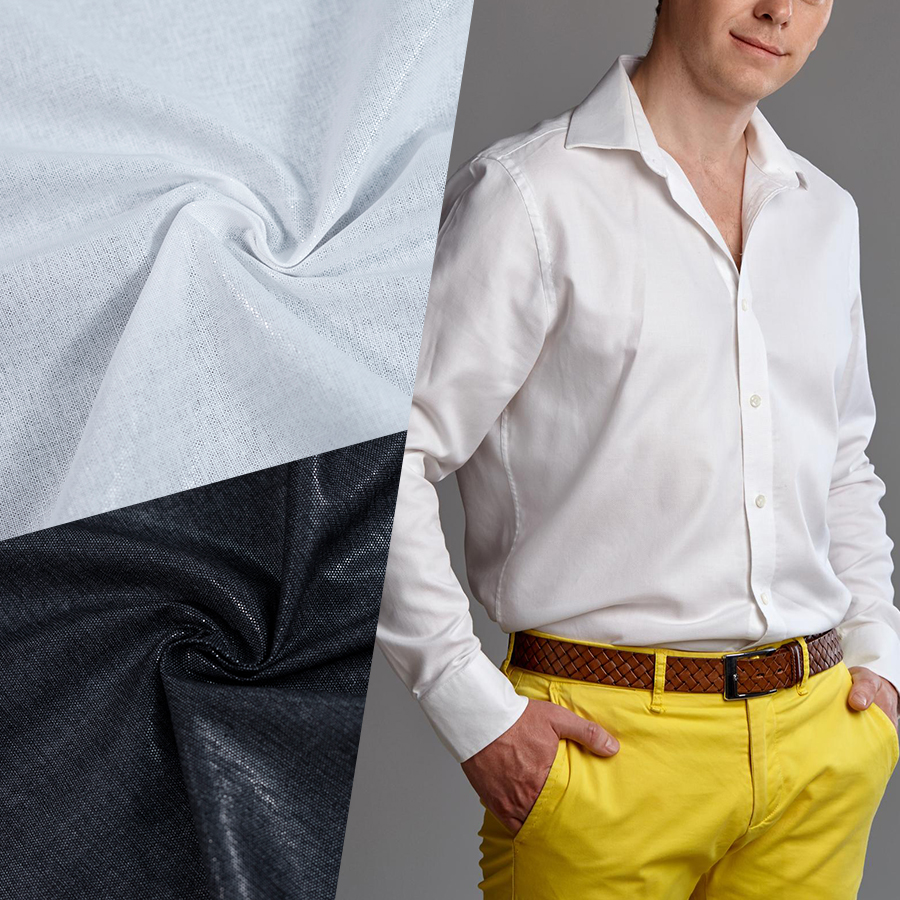
This article explains cotton interlining, its structure, properties, and why it is mainly used in shirt and collar interlining applications.
-
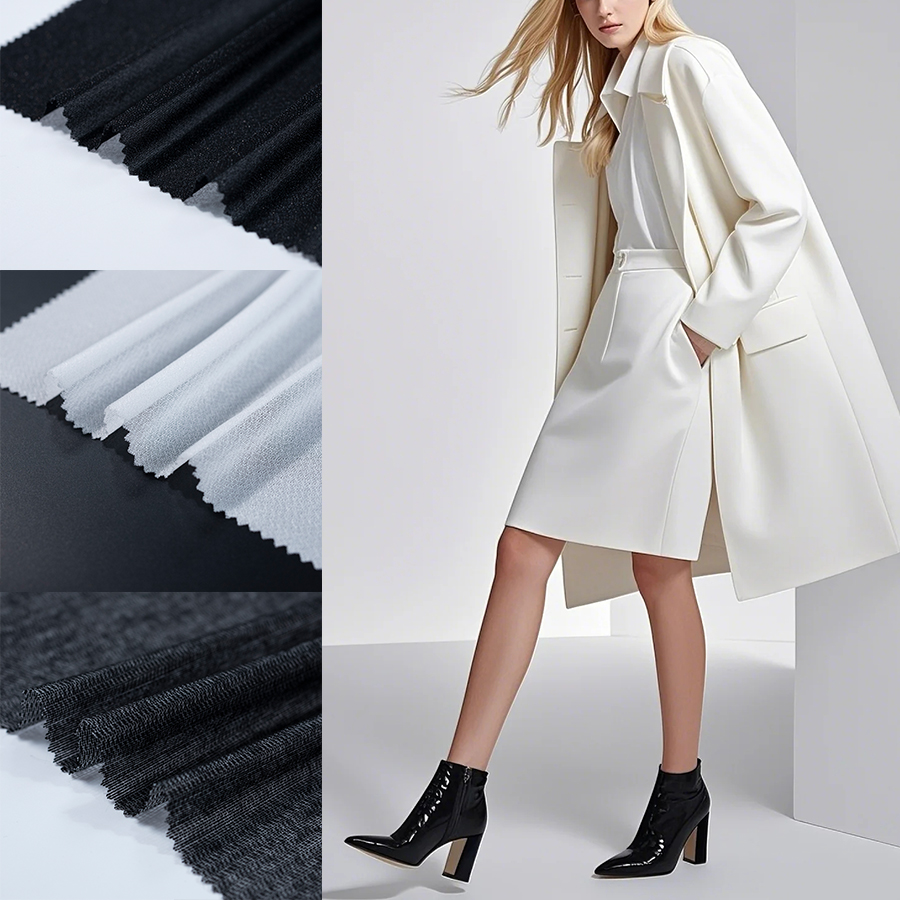
This article explains what knitted interlining is, its types, features, applications, and how to choose the right one for different garments.

.png)