
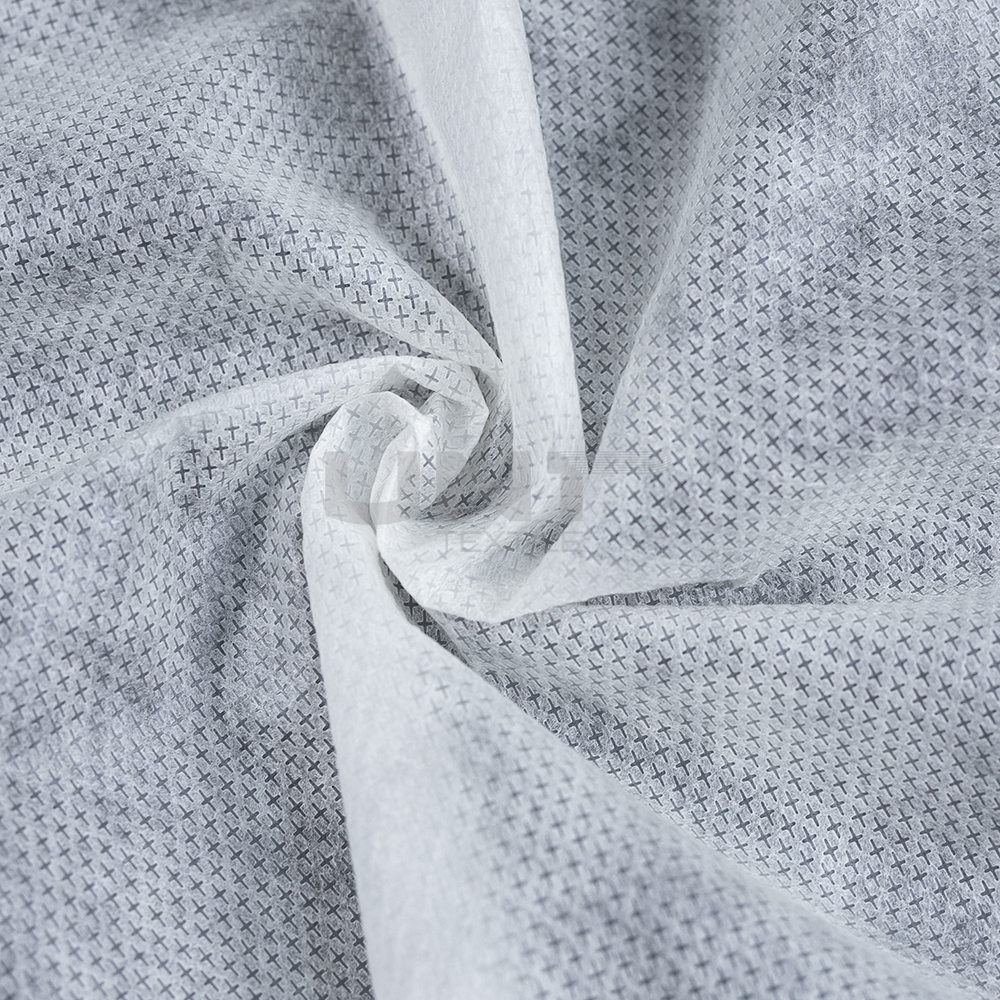
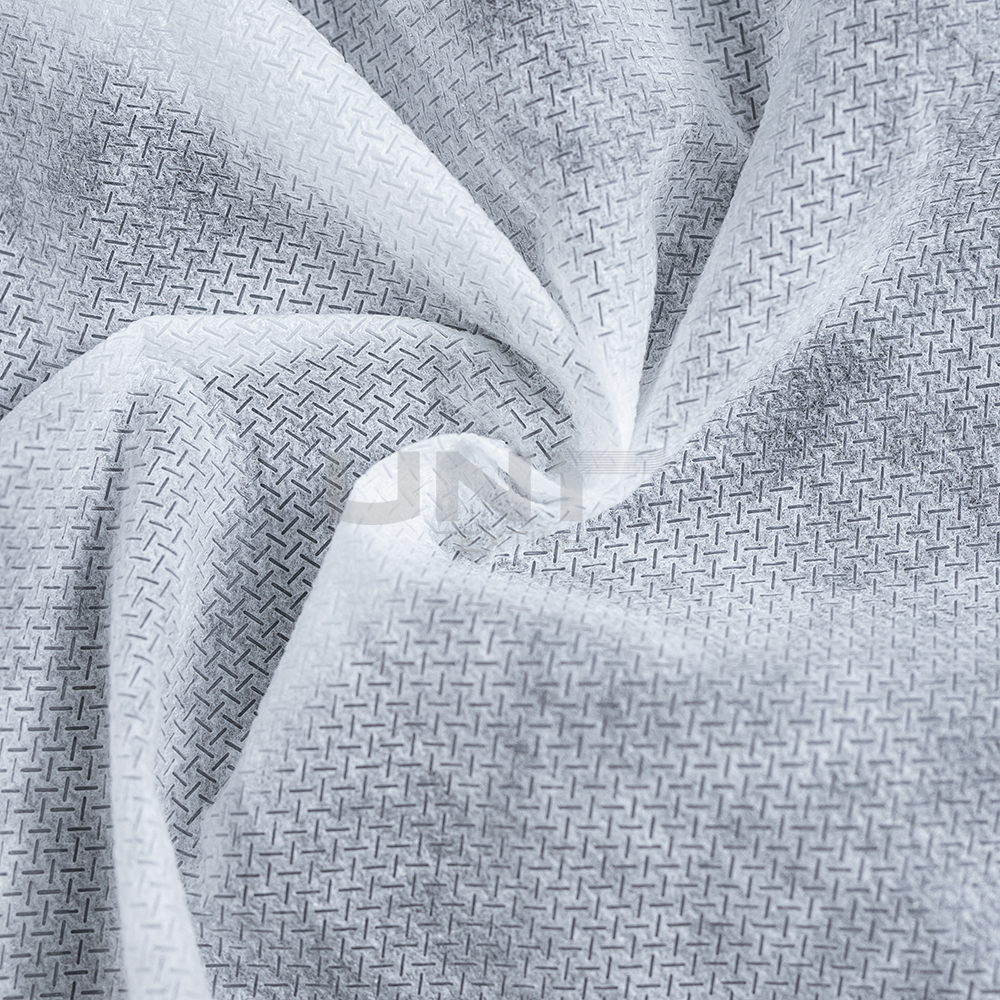
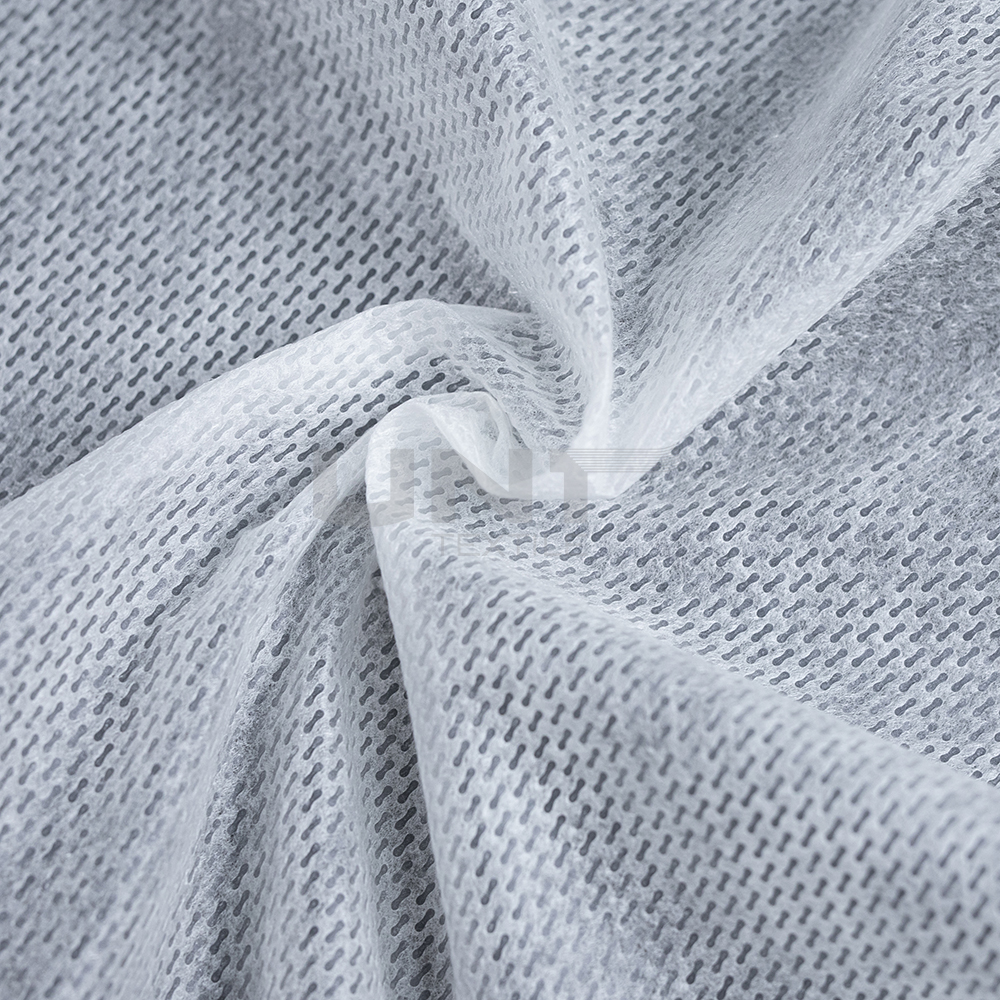
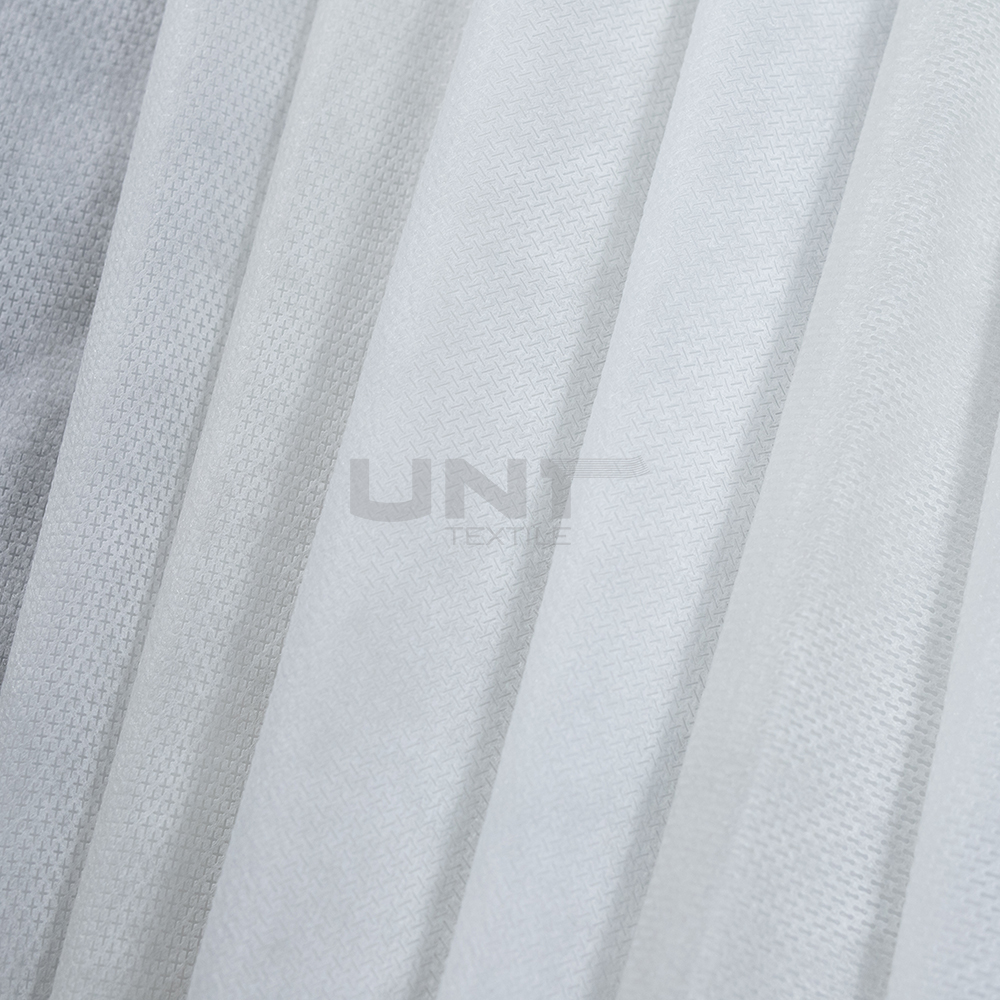
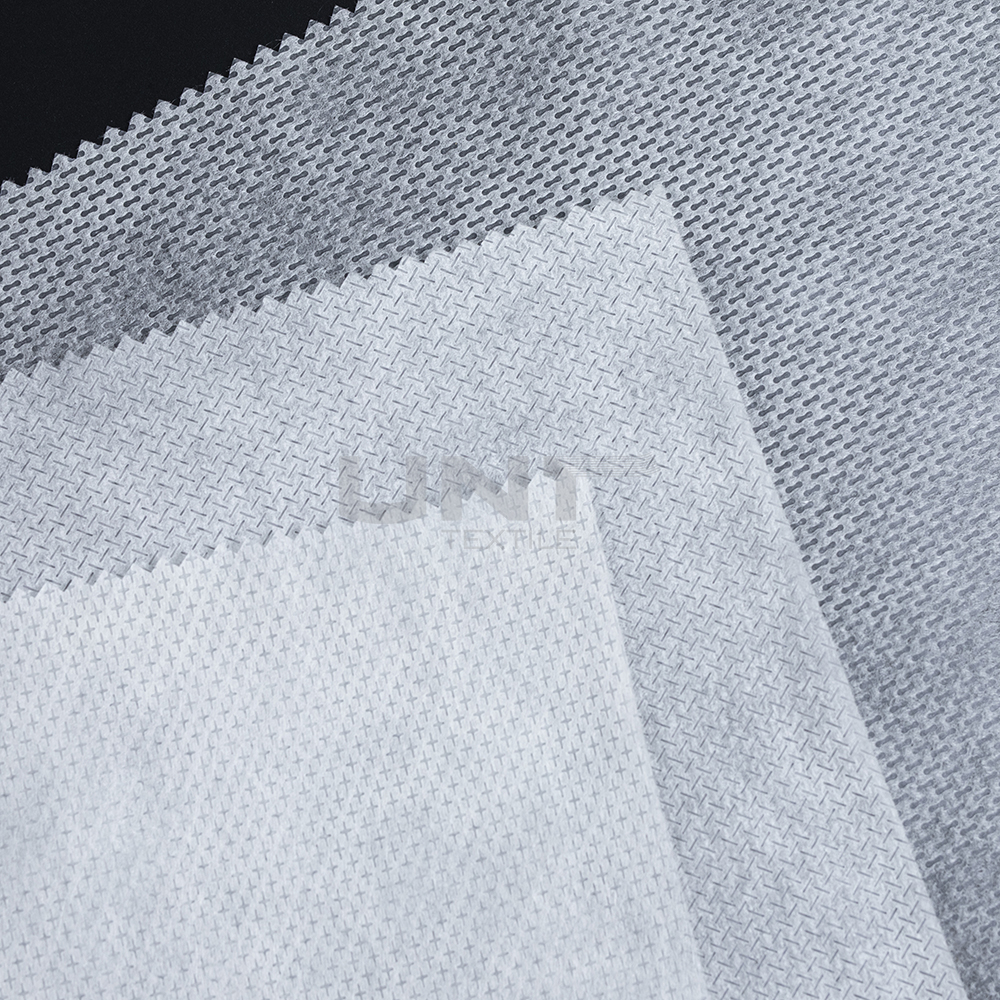
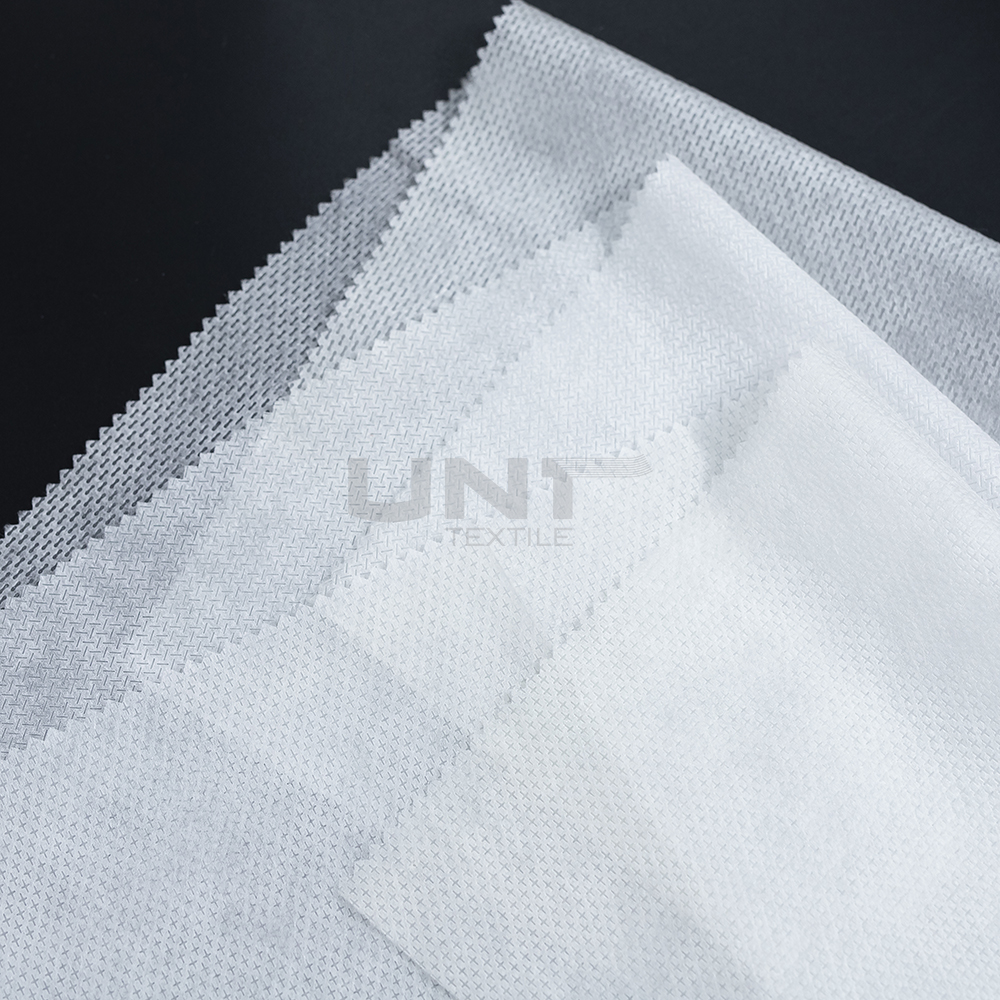
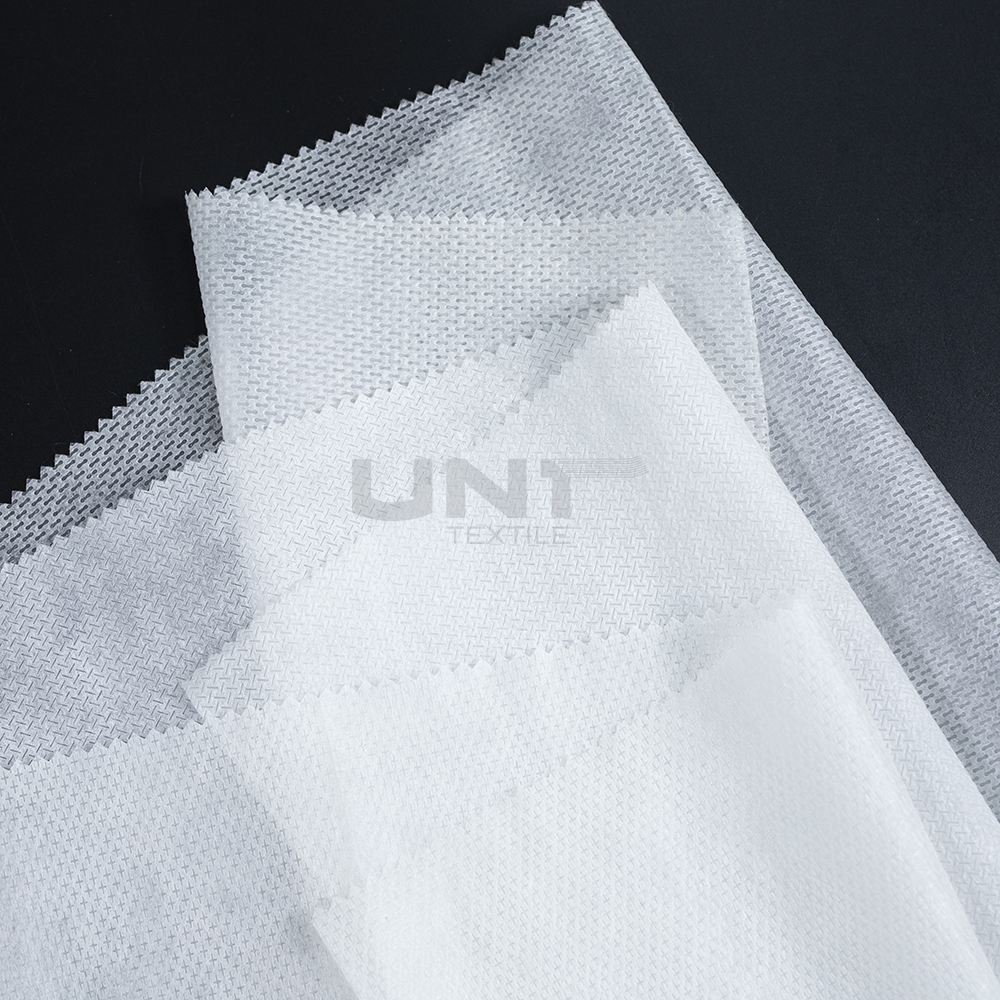
Nylon spunbond Embroidery Backing
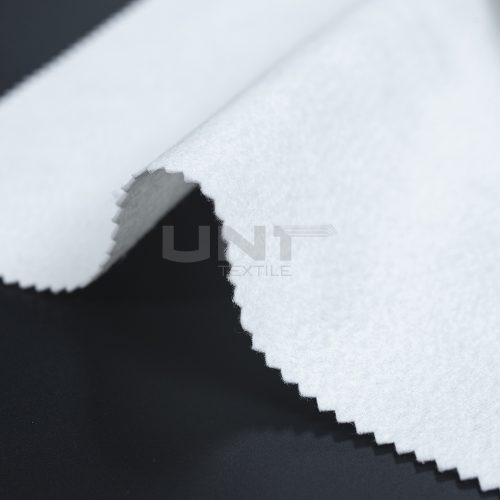
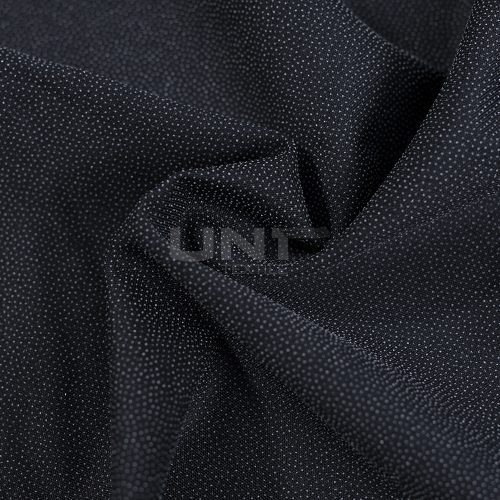
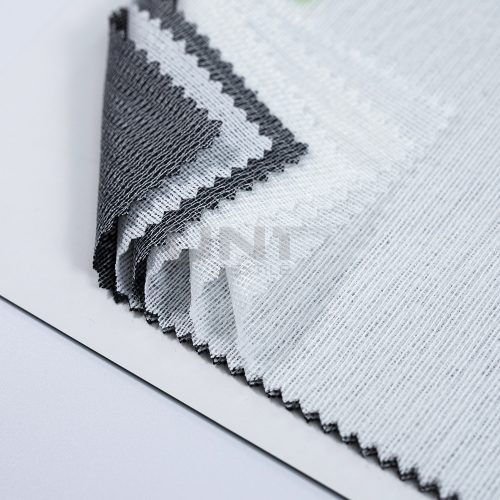
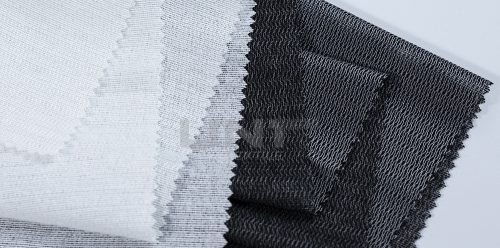
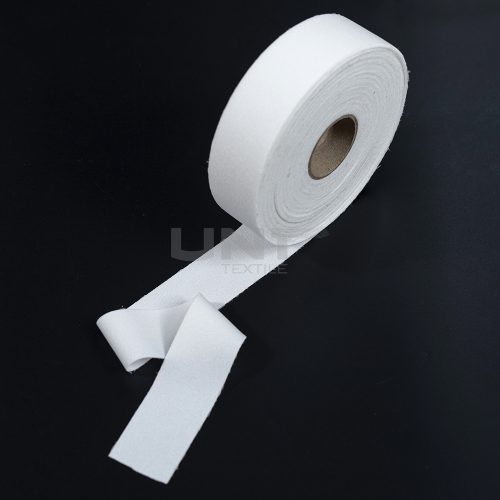
Our Nylon Spunbond Embroidery Backing is crafted using high-quality nylon fibers, a process that delivers superior strength and impressive durability. It’s the perfect choice for supporting intricate embroidery designs on all sorts of fabrics, especially delicate and high-stretch materials.
Known for its excellent stability and tear resistance, this backing ensures you get precise, long-lasting embroidery results every time.
product introduce
Product Advantages of Nylon Spunbond Embroidery Backing
Nylon spunbond backing is a specialized embroidery stabilizer made from nylon spunbond nonwoven fabric, designed to provide stable support for embroidery while maintaining flexibility and durability. Compared with traditional paper-based or cellulose stabilizers, nylon spunbond backing offers superior strength, tear resistance, and dimensional stability during high-speed embroidery operations.
One of the most important advantages of nylon spunbond backing is its excellent mechanical performance. The spunbond structure forms a strong and uniform fiber network that helps prevent fabric distortion and maintains embroidery accuracy even when working with dense stitch patterns. This makes it particularly suitable for high-speed industrial embroidery machines and complex designs.
Another key benefit is its balanced flexibility and strength. Nylon fibers provide natural resilience, allowing the backing to support the fabric during stitching while still remaining soft enough to avoid stiffness in the final product. This characteristic is especially valuable when embroidering on stretch fabrics or lightweight textiles.
Nylon spunbond backing also offers good resistance to tearing during removal, allowing operators to remove excess stabilizer efficiently without damaging delicate embroidery stitches. In addition, the material produces minimal lint and dust, which helps maintain a cleaner embroidery working environment and reduces machine contamination.
Because of its durability and stable structure, nylon spunbond backing can also maintain consistent performance during long production runs, making it suitable for large-scale embroidery manufacturing.
Nylon Spunbond vs Traditional Embroidery Backing – Key Differences
Embroidery manufacturers often choose between nylon spunbond backing and traditional tear-away or paper-based stabilizers, depending on the fabric and embroidery design.
Traditional paper or pulp-based stabilizers are widely used because they are economical and easy to remove. However, they may lack strength when used with dense embroidery patterns or high-speed machines.
Nylon spunbond backing is generally preferred when:
-
The embroidery design has high stitch density
-
The fabric is stretchable or delicate
-
Production involves high-speed embroidery machines
-
Greater dimensional stability is required during stitching
-
Reduced lint and cleaner machine operation are important
Because it combines strength, flexibility, and durability, it helps embroidery manufacturers maintain more consistent embroidery quality across different fabrics.
Rather than replacing traditional stabilizers entirely, nylon spunbond backing is often selected for applications where performance and reliability are critical.
Functional Treatments & Customization Options
Nylon spunbond backing can be customized to meet different embroidery production requirements. At UNT, several specifications and finishing options are available to suit various embroidery machines and fabric types.
Common customization options include:
-
Different basis weights for light, medium, or heavy embroidery
-
Customized thickness and strength levels
-
Soft-touch surface finishing for delicate fabrics
-
Improved tear performance for easy removal
-
Anti-static treatment for smoother machine operation
-
Customized roll width and roll length
-
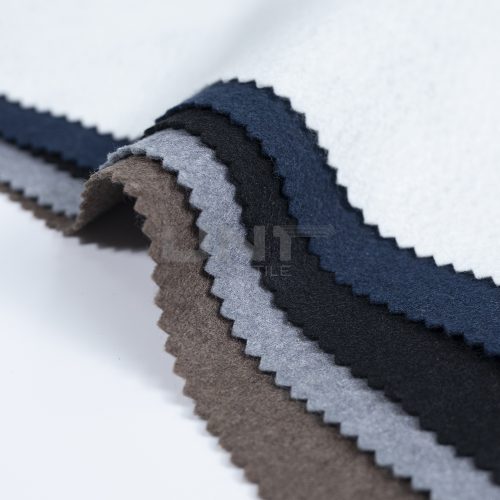
Color options depending on embroidery application
These customization possibilities allow embroidery factories to choose the most suitable stabilizer according to fabric characteristics, stitch density, and production efficiency requirements.
Common Applications of Nylon Spunbond Backing
It is widely used in embroidery production where stable fabric support and reliable stitching performance are required.
Typical applications include:
-
Garment embroidery
-
Sportswear and knitwear embroidery
-
Logo embroidery for uniforms
-
Cap and hat embroidery
-
Decorative embroidery patterns
-
Home textile embroidery
-
Industrial embroidery production
Because of its durability and consistent structure, nylon spunbond backing performs particularly well in high-volume embroidery environments.
FAQ
What is nylon spunbond backing used for?
It is used to stabilize fabric during embroidery, helping maintain accurate stitching and preventing fabric distortion.
Is nylon spunbond backing stronger than traditional tear-away stabilizers?
Yes. Nylon fibers provide higher strength and durability compared with many paper-based stabilizers.
Can it be used with stretch fabrics?
Yes. Its flexibility and resilience make it suitable for knit and stretch fabrics.
Does it produce lint during embroidery?
Nylon spunbond backing produces very low lint, helping keep embroidery machines cleaner.
Can specifications be customized?
Yes. Weight, thickness, width, and roll length can all be customized.
Why Choose UNT
UNT provides embroidery backing materials designed to support professional embroidery production and consistent stitching quality.
Our advantages include:
-
Stable spunbond nonwoven production quality
-
Reliable performance for industrial embroidery machines
-
Flexible customization options
-
Low-lint materials for cleaner production
-
Consistent supply for embroidery factories
-
Responsive technical and commercial support
By working with UNT, customers gain a supplier who understands how the right embroidery backing directly impacts embroidery precision, efficiency, and final product quality.
additional information
| Product Name | Nylon Spunbond Embroidery Backing |
|---|---|
| Material | 100% Nylon |
| Weight Range | 20-60gsm |
| Width Range | 90cm-160cm |
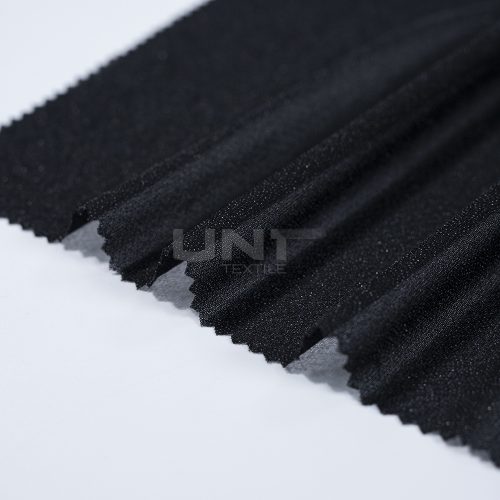
| Color | White, Black |
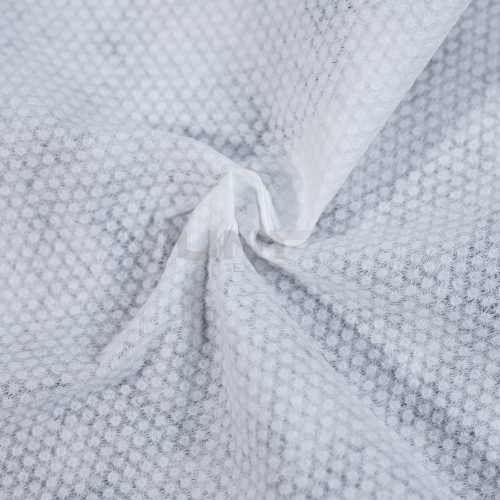
| Pattern | Nonwoven, uniform surface |
| Application | Suitable for delicate embroidery designs, especially for lightweight and stretchy fabrics |
| Function | High tensile strength, tear-resistant, heat-resistant, and excellent stretch compatibility |
| Minimum Order Quantity | 5,000 meters per type |
| Price Range | USD $0.1 – $1/meter (Depending on weight and customization) |
| Packaging | Rolled on paper cores, packed in waterproof PE plastic bags with outer woven polybag |
| Transportation | Via sea, air, or express logistics |
| Payment Terms | L/C, D/P, T/T, Western Union, PayPal |
| Delivery Time | 7-15 days based on order size |
| Monthly Production Capacity | 3,000,000 meters |
| Roll Length | 50m-300m/roll (Customizable) |
| Special Customization | Available for width, weight, and color upon request |
| Certification | OEKO-TEX, SGS, ISO9001 |

Stay Ahead With UNT Updates

Shirt collar interlining helps a collar keep its shape, stiffness, and smooth appearance. This article explains the types, materials, and how to choose the right shirt collar interlining.
-
This article explains cotton interlining, its structure, properties, and why it is mainly used in shirt and collar interlining applications.
-
This article explains what knitted interlining is, its types, features, applications, and how to choose the right one for different garments.
.png)