
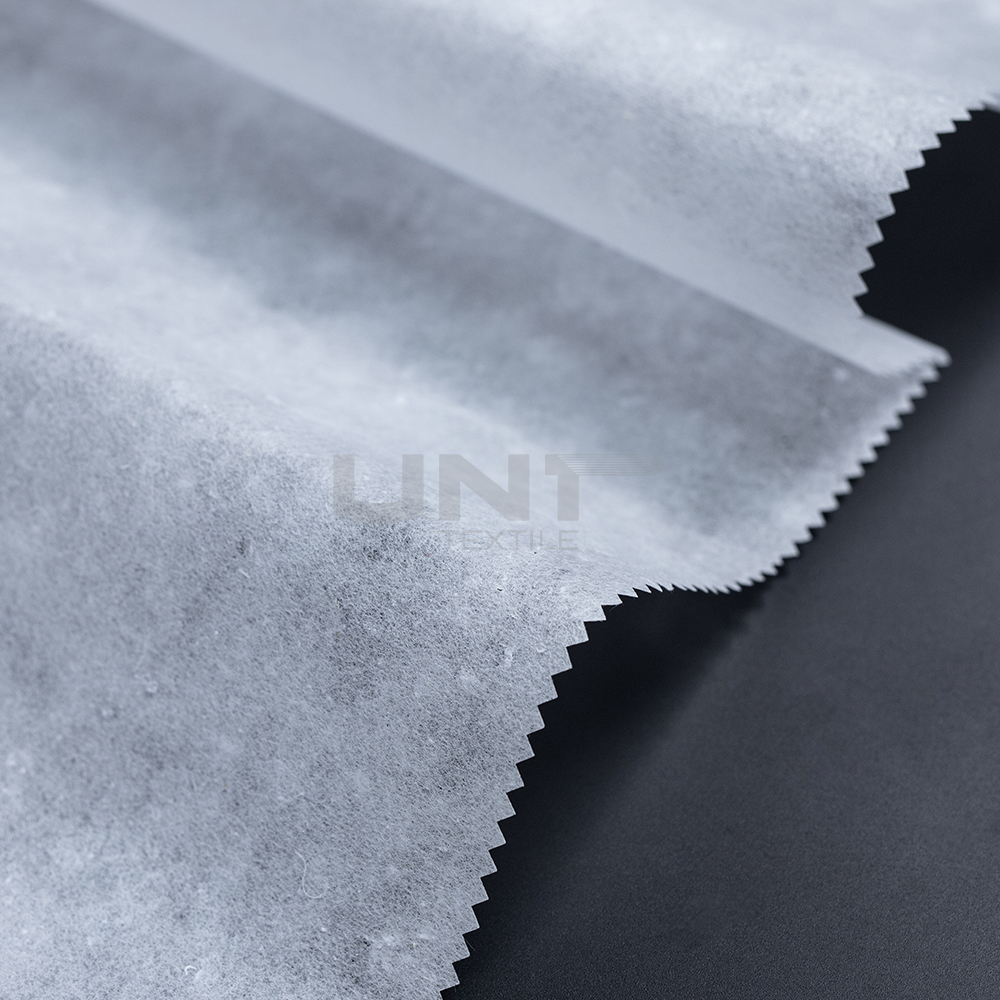
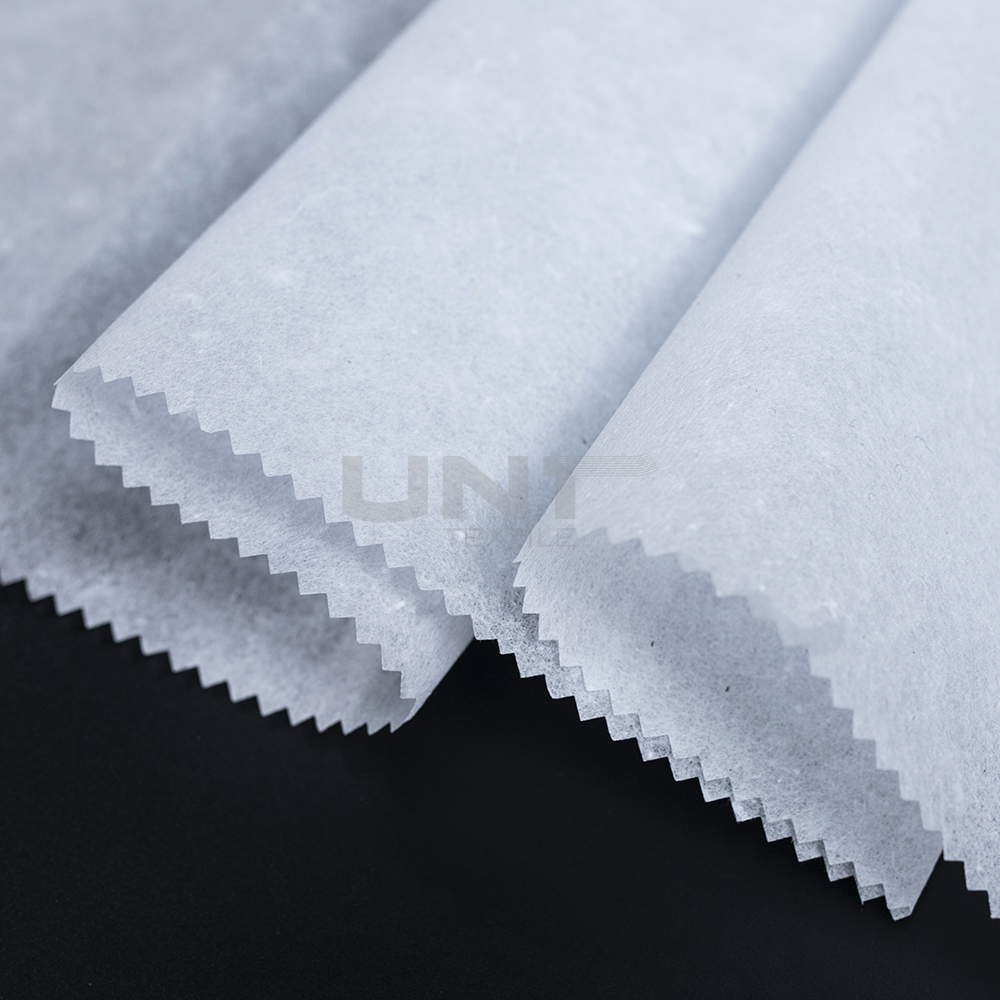
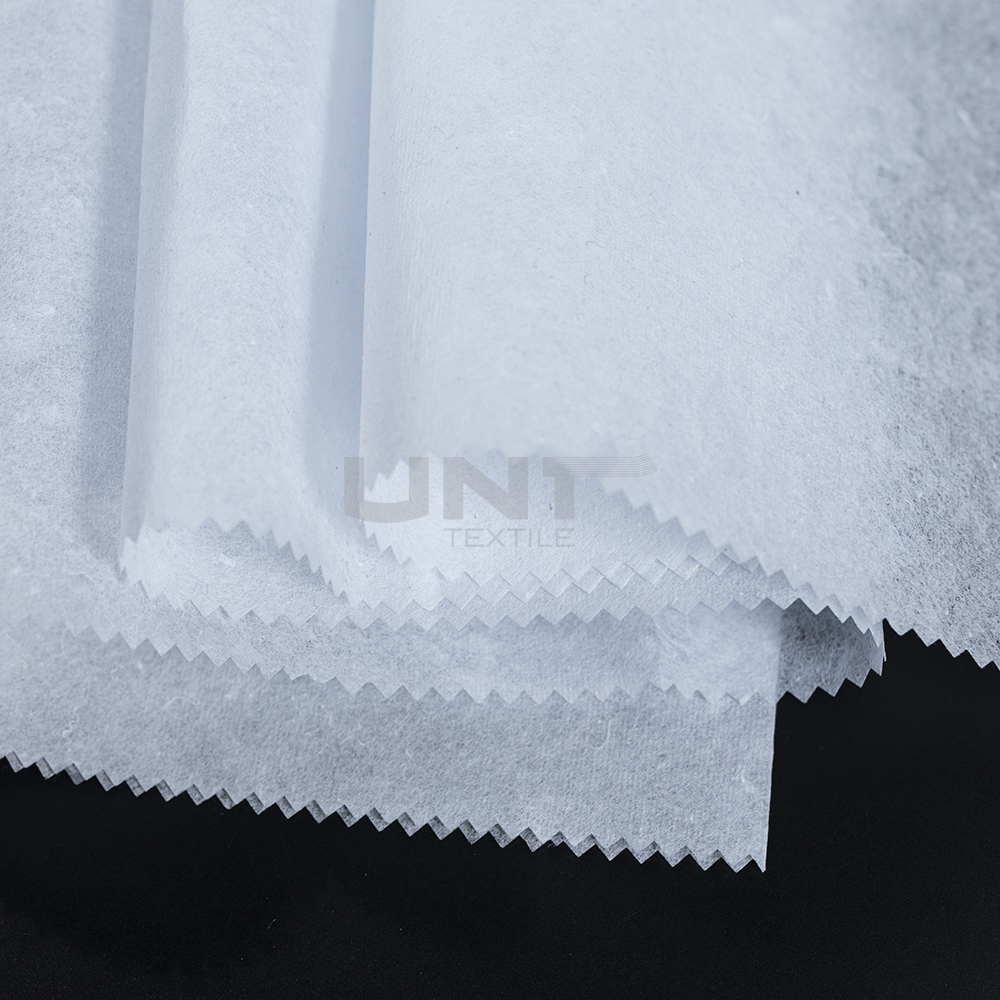
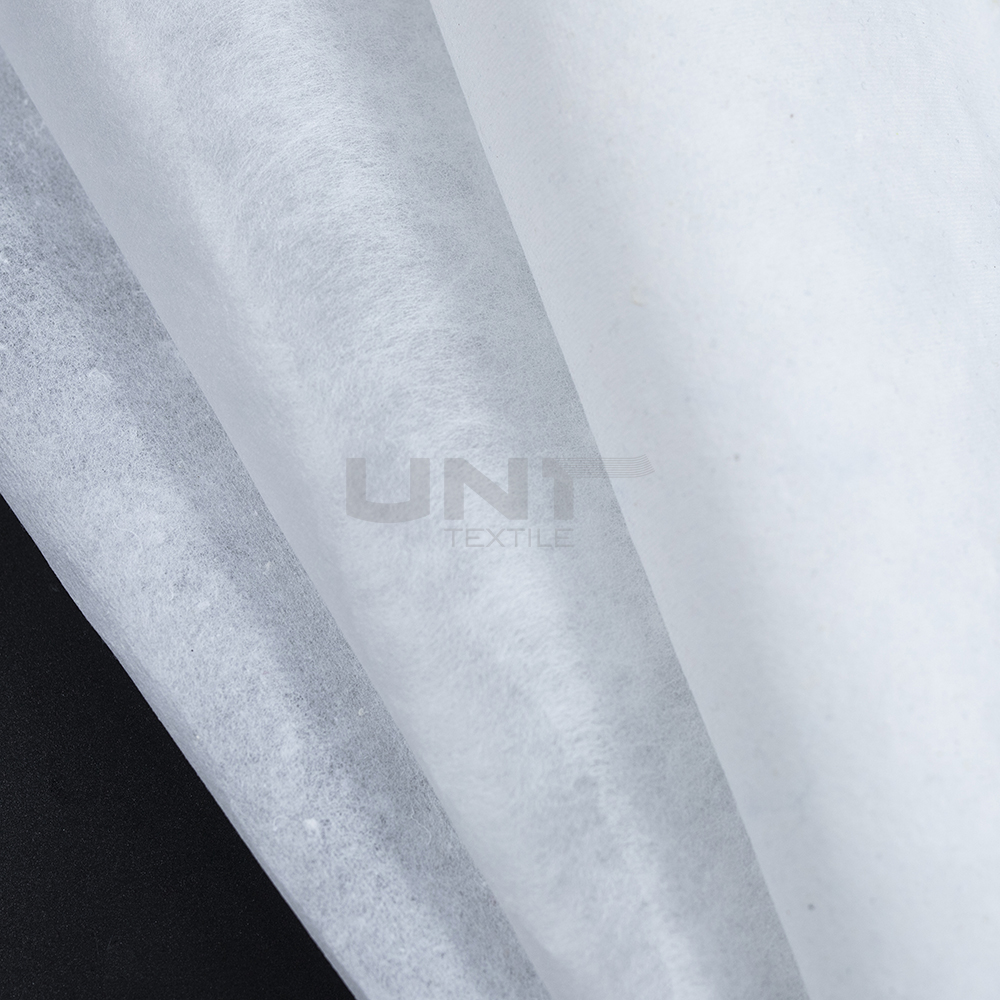
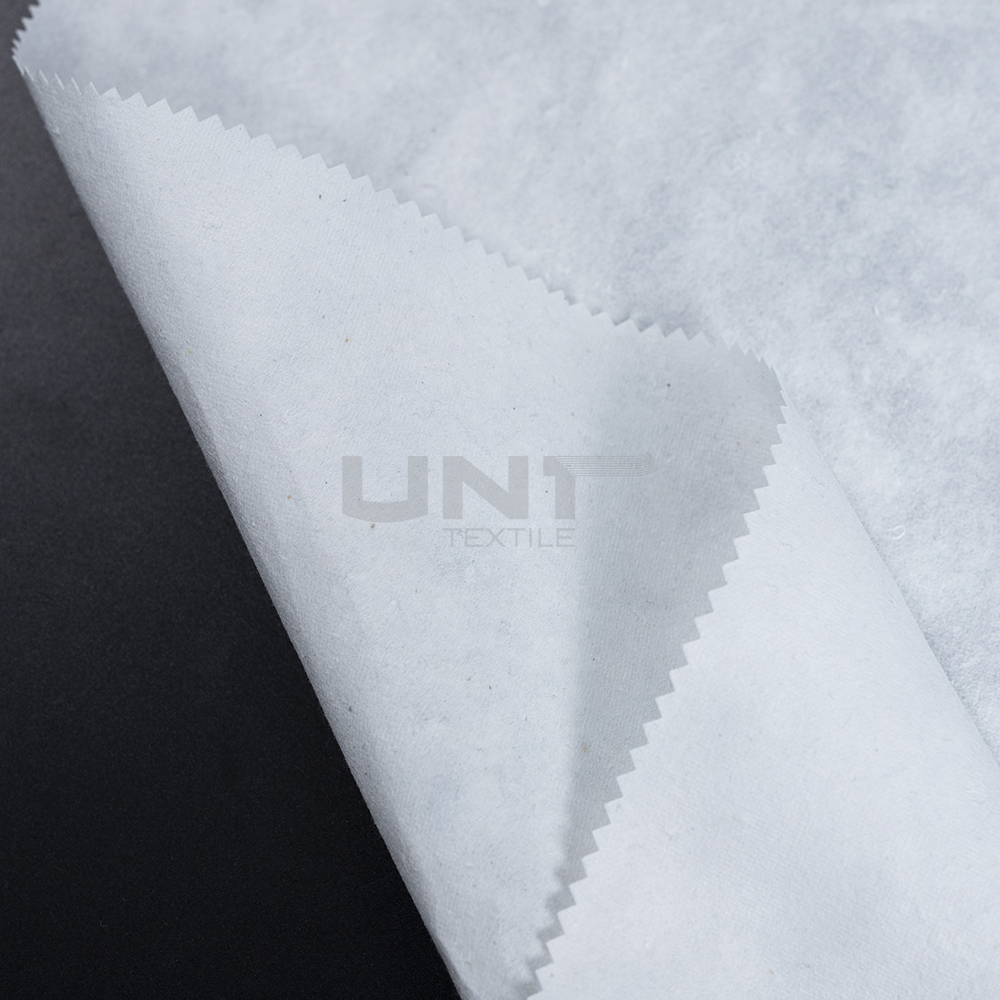
Recycled Cotton Embroidery Backing
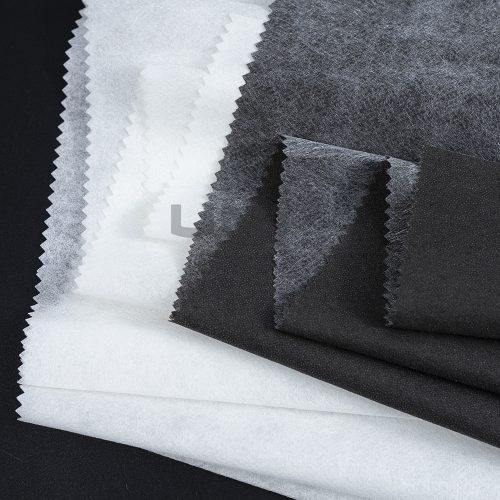
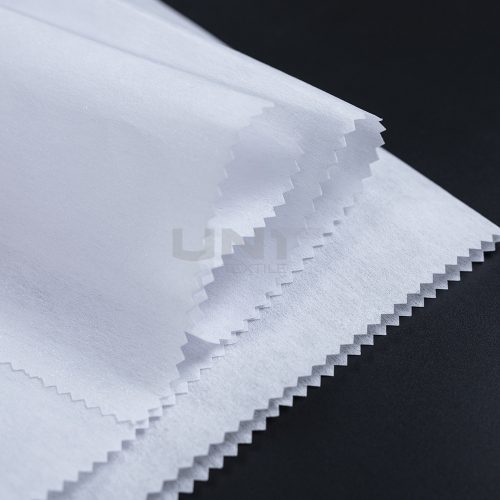
Our Recycled Cotton Embroidery Backing is an eco-friendly stabilizer made from recycled cotton fibers. It provides excellent support for all your embroidery projects while promoting sustainability—a win-win!
This backing is soft yet strong, making it ideal for a variety of applications, including garments, home textiles, and any eco-conscious embroidery project. You can count on it to deliver consistent stitching performance every time.
product introduce
1. Product Advantages of Recycled Cotton Embroidery Backing
Recycled Cotton Embroidery Backing is a stabilizing material developed to support embroidery while also promoting more sustainable textile production. The material is manufactured using cotton fibers recovered from textile waste, allowing manufacturers to reduce raw material consumption and make better use of existing resources.
One of the main advantages of this backing material is its natural softness and flexibility. Cotton fibers create a stabilizer that supports the fabric during stitching without making the finished embroidery feel stiff. This makes it particularly suitable for garments and textile products that are worn close to the skin.
Another important benefit is its balanced structure, which provides reliable fabric stabilization during embroidery while maintaining a comfortable hand feel after production. Compared with some synthetic stabilizers, cotton-based backing materials tend to offer a more natural texture that blends well with cotton fabrics and knit garments.
The fiber structure also allows good breathability and moisture management, which can help preserve the comfort of finished apparel products. For brands that focus on environmentally responsible materials, this stabilizer provides a practical option that supports both embroidery performance and sustainability goals.
Because of these characteristics, many embroidery manufacturers consider Recycled Cotton Embroidery Backing a suitable choice when they want to combine stable embroidery quality with eco-conscious materials.
2. When to Use Cotton-Based Stabilizers
Embroidery factories typically choose stabilizers based on several factors, including fabric type, embroidery density, and production efficiency. Cotton-based backing materials are often selected when comfort and natural fiber compatibility are important.
Compared with traditional paper tear-away stabilizers, cotton fiber materials often provide a softer and more textile-like structure, which can improve the overall feel of embroidered garments. This can be particularly useful for products such as casual wear, knitwear, or children’s clothing where softness is a priority.
Synthetic stabilizers such as spunbond materials are widely used for their strength and durability, especially in heavy embroidery applications. Cotton-based backing materials, on the other hand, are frequently chosen when the embroidery design is light to medium in density and when maintaining a softer backing is desirable.
Manufacturers may prefer this type of stabilizer when:
-
the finished garment should remain soft and comfortable
-
the product is made from cotton or natural fabrics
-
sustainability considerations are part of the production strategy
-
embroidery density is moderate rather than extremely heavy
Selecting the appropriate stabilizer helps ensure that both the embroidery process and the final product meet the expected quality standards.
3. Customization Options
Like other embroidery stabilizers, Recycled Cotton Embroidery Backing can be produced in a variety of specifications to match different embroidery processes. At UNT, the material can be adjusted according to fabric characteristics and production requirements.
Common customization options include:
-
different basis weights for various embroidery densities
-
controlled tear strength for easier removal after stitching
-
soft surface finishing for delicate fabrics
-
low-lint processing to maintain cleaner machines
-
anti-static treatment for smoother embroidery operation
-
customized roll widths and roll lengths
These options allow embroidery manufacturers to select a stabilizer that supports both efficient production and consistent embroidery results.
4. Common Applications
Recycled Cotton Embroidery Backing is commonly used in embroidery applications where comfort, natural fiber compatibility, and environmental considerations are important.
Typical applications include:
-
garment embroidery for casual apparel
-
logo embroidery on uniforms
-
decorative embroidery for fashion brands
-
knitwear and cotton garment embroidery
-
children’s clothing embroidery
-
home textile embroidery
-
eco-focused textile products
Because of its soft fiber structure, this backing material performs particularly well in garments designed for everyday wear.
5. FAQ
What is Recycled Cotton Embroidery Backing used for?
It stabilizes fabric during embroidery, helping maintain stitch accuracy and preventing fabric distortion.
Is this backing environmentally friendly?
Yes. It is made from recycled cotton fibers, helping reduce textile waste and resource consumption.
Can it be used on cotton garments?
Yes. It works especially well with cotton fabrics and knit garments.
Is it suitable for heavy embroidery designs?
It is generally recommended for light to medium embroidery densities.
Can the specifications be customized?
Yes. Weight, width, roll length, and finishing options can all be adjusted.
6. Why Choose UNT
UNT provides embroidery stabilizer materials designed to support reliable embroidery production and consistent product quality.
Our advantages include:
-
stable material quality for embroidery applications
-
experience with different stabilizer structures
-
low-lint materials that help maintain cleaner machines
-
flexible customization options
-
reliable supply for embroidery manufacturers
-
responsive technical and commercial support
With a focus on both performance and sustainability, UNT works closely with customers to deliver practical stabilizer solutions for modern embroidery production.
additional information
| Product Name | Recycled Cotton Embroidery Backing |
|---|---|
| Material | Recycled Cotton Fiber + Polyester Blend (Eco-friendly) |
| Weight Range | 50-120gsm |
| Width Range | 90cm-160cm |
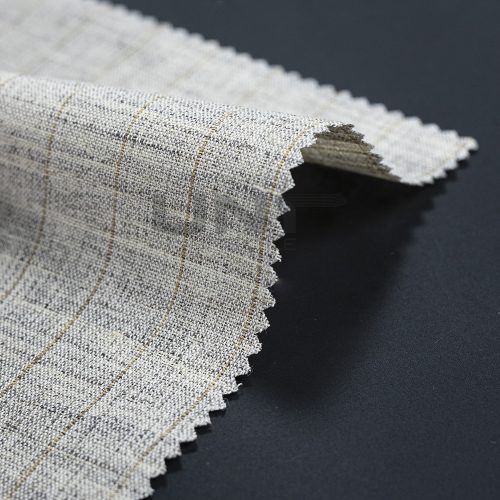
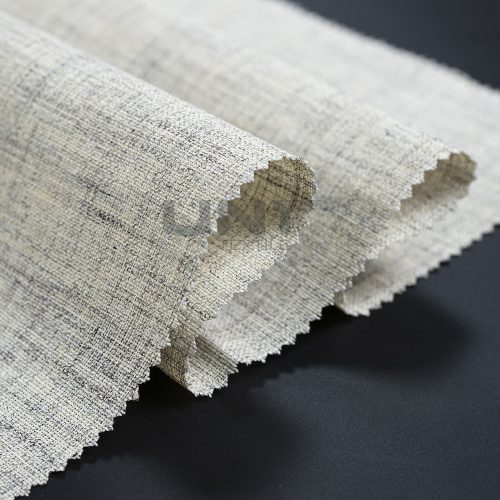
| Color | Natural White, Grey (Customizable) |
| Pattern | Plain or Textured |
| Application | Suitable for embroidery on medium to heavyweight fabrics, ensuring stability and eco-friendliness |
| Function | Provides excellent stabilization, eco-friendly, and supports heavy embroidery designs |
| Minimum Order Quantity | 5,000 meters per type |
| Price Range | USD $0.1- $1/meter (Depending on weight and customization) |
| Packaging | Rolled on sturdy paper cores, packed in biodegradable PE plastic bags with outer woven polybag |
| Transportation | Via sea, air, or express logistics |
| Payment Terms | L/C, D/P, T/T, Western Union, PayPal |
| Delivery Time | 7-15 days based on order size |
| Monthly Production Capacity | 3,000,000 meters |
| Roll Length | 50m-300m/roll (Customizable) |
| Special Customization | Available for weight, width, and specific cotton blend ratios upon request |
| Certification | OEKO-TEX, GRS, SGS |
Stay Ahead With UNT Updates

Shirt collar interlining helps a collar keep its shape, stiffness, and smooth appearance. This article explains the types, materials, and how to choose the right shirt collar interlining.
-
This article explains cotton interlining, its structure, properties, and why it is mainly used in shirt and collar interlining applications.
-
This article explains what knitted interlining is, its types, features, applications, and how to choose the right one for different garments.
.png)