
Under Collar Felt
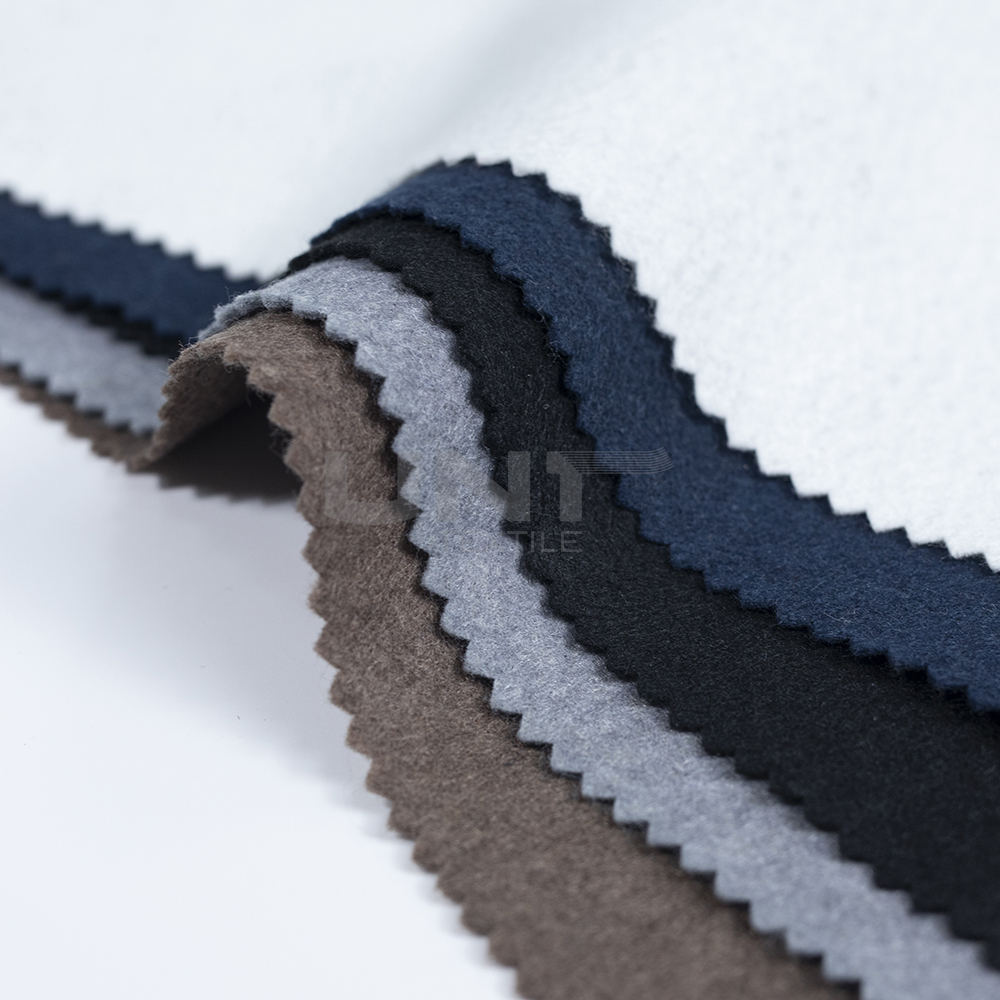
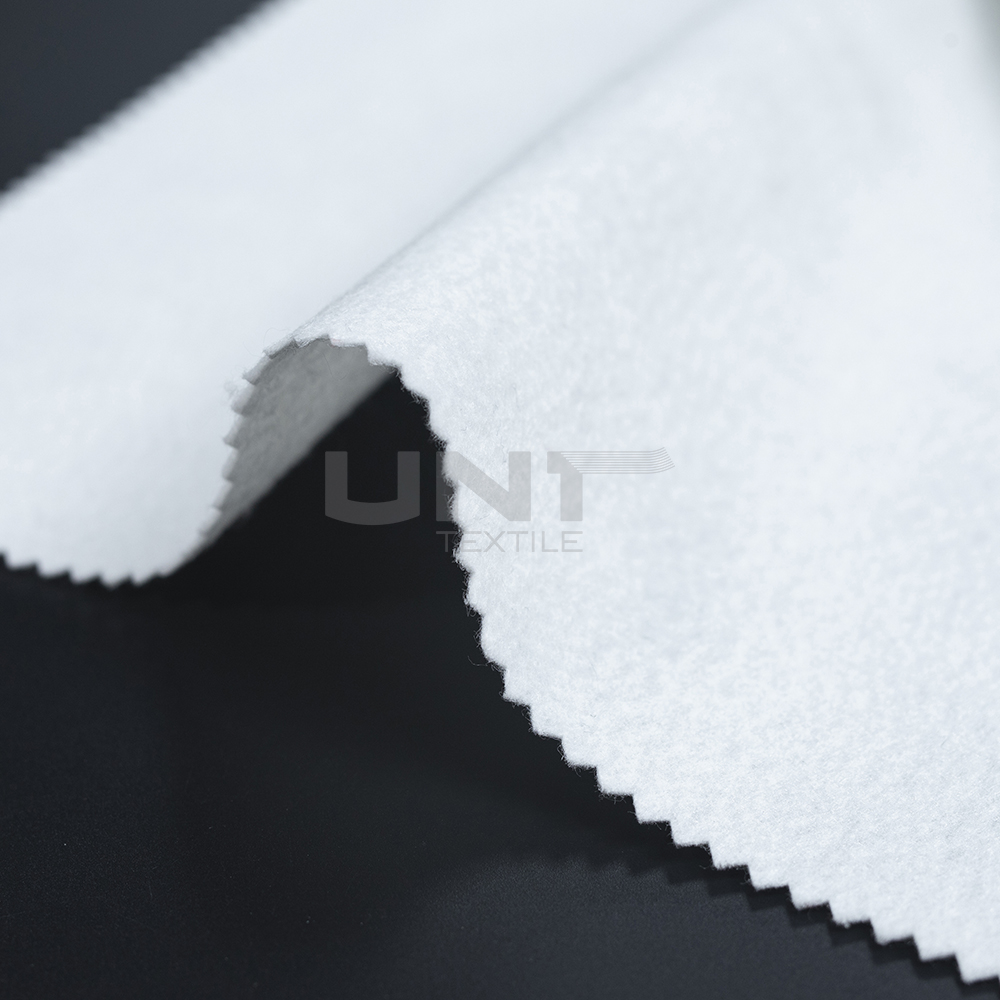
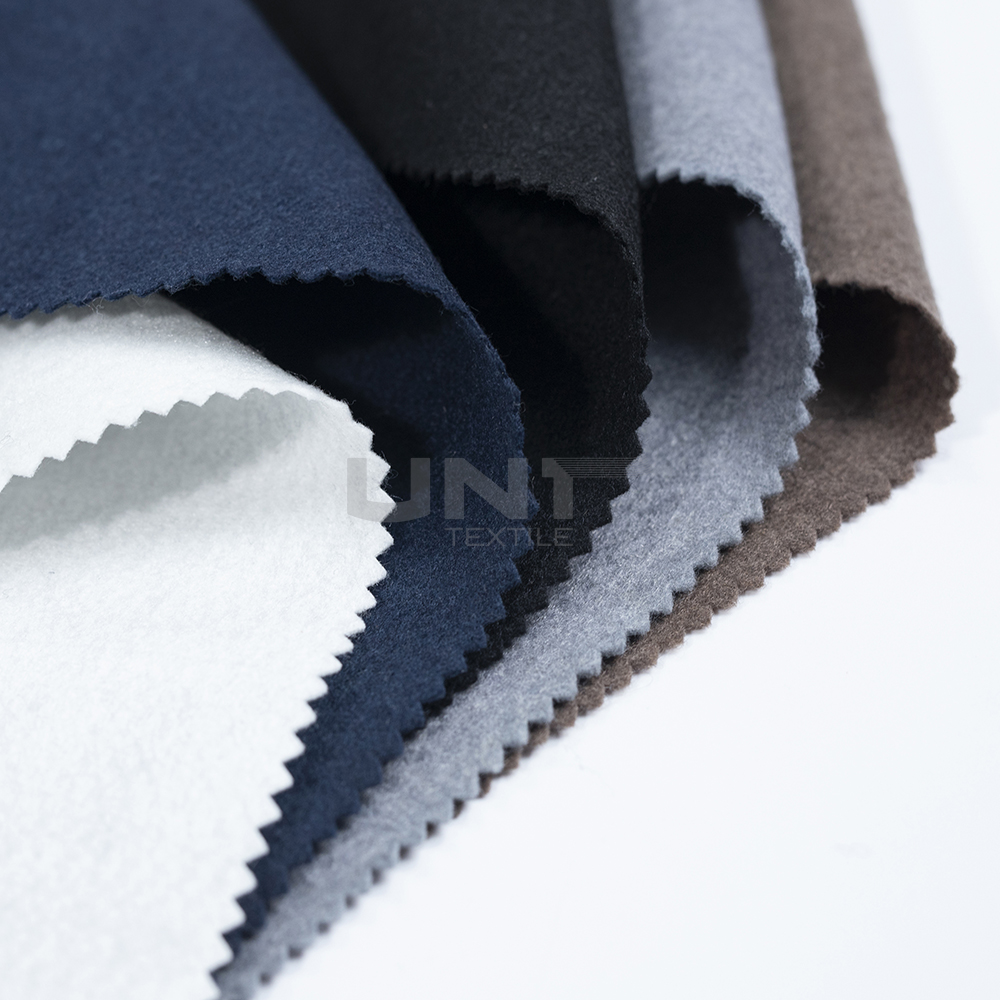
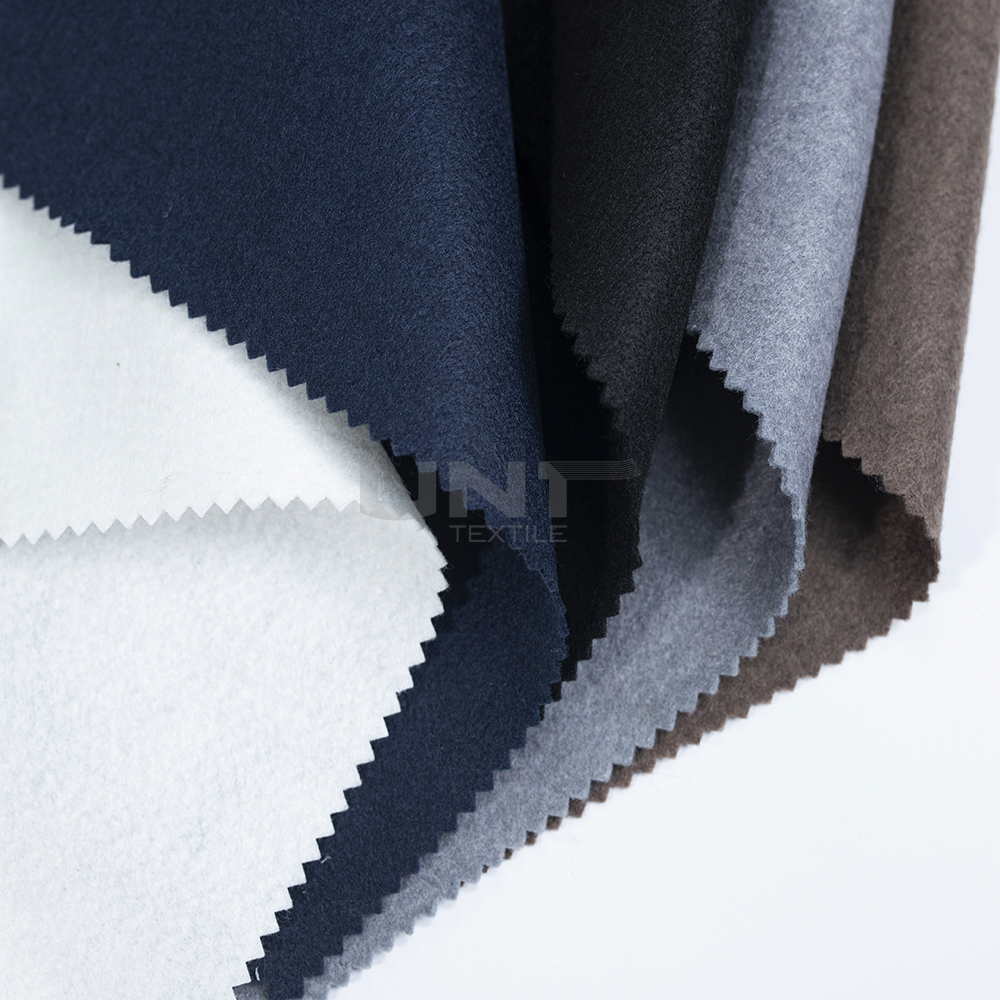
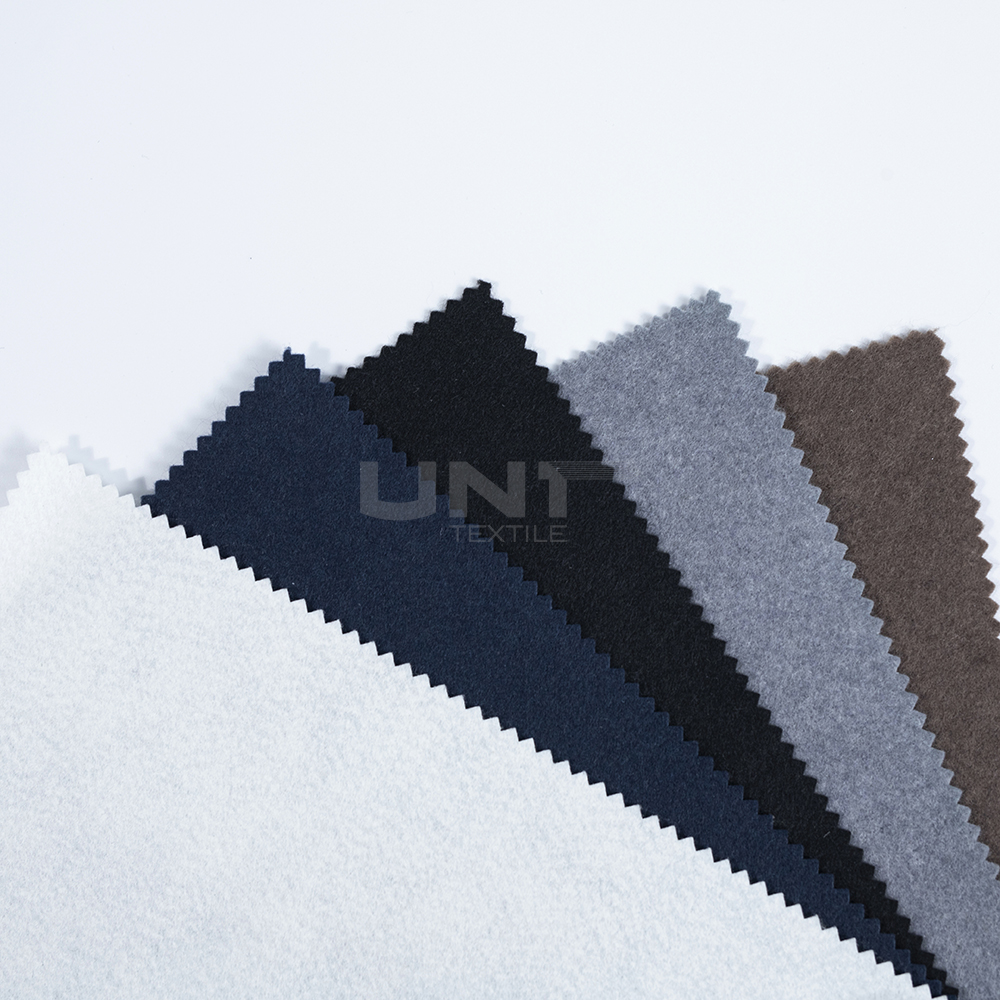
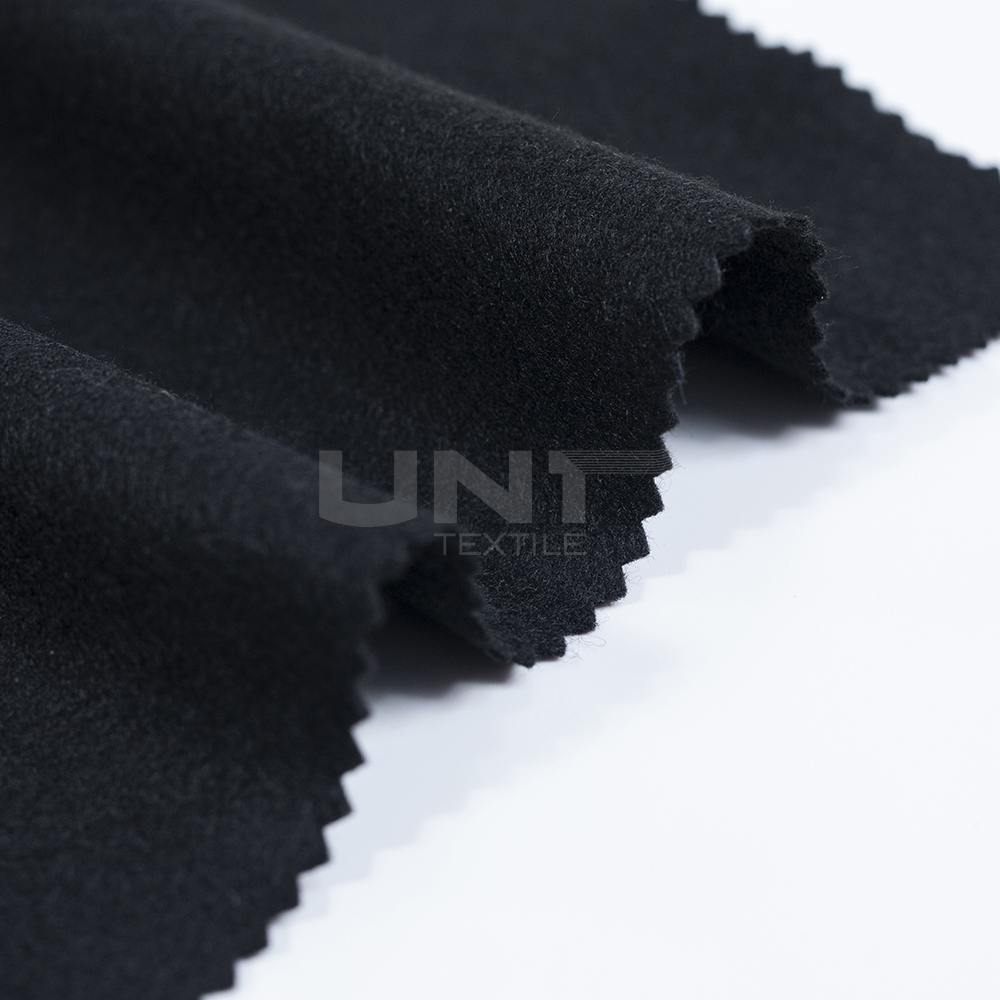
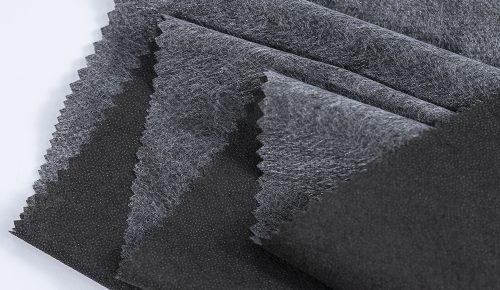
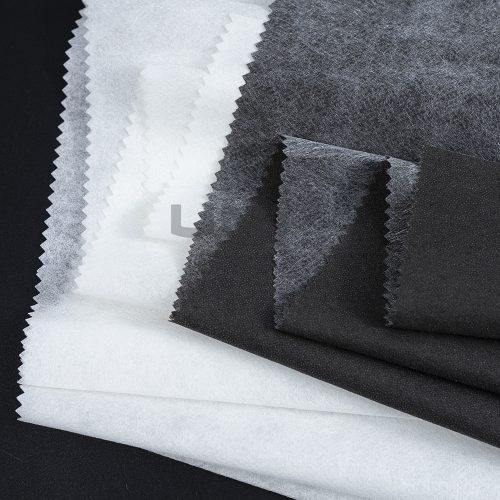
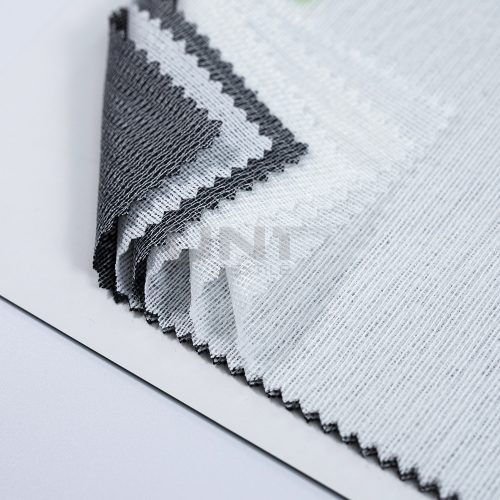
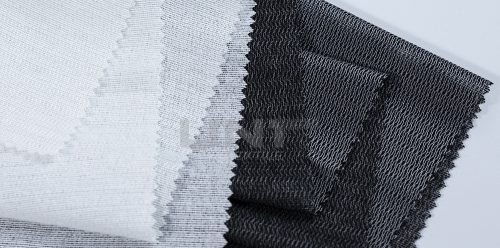
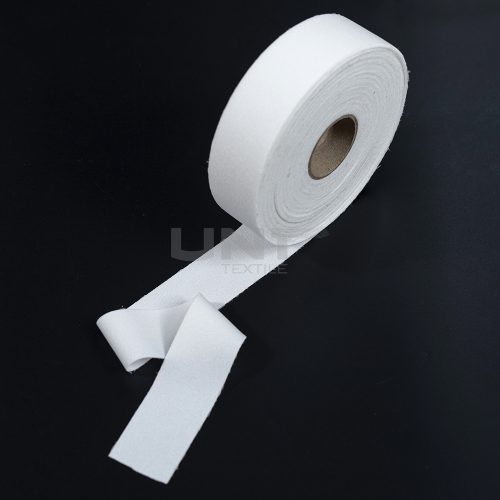
Under collar felt plays a vital role in creating high-quality coats and jackets. Made from excellent blends like 100% polyester, polyester/wool, and polyester/viscose, this material provides a smooth, supportive finish to the collar area.
Its elasticity and wrinkle-resistant nature ensure a crisp appearance while still being easy to cut and shape. Available in various weights (160gsm–260gsm) and a wide range of customizable colors, our under collar felt is the perfect choice for precise tailoring requirements.
product introduce
1. Product Overview
Under Collar Felt is a specialized textile material used in garment manufacturing, particularly in the production of suits, jackets, and coats. It is placed underneath the collar to provide structure and support, helping the collar maintain its shape during daily wear.
This material plays an important role in tailoring because the collar area experiences frequent movement and stress. Without proper reinforcement, collars may lose their form or become wrinkled over time. Under Collar Felt helps stabilize the collar structure, ensuring the garment keeps a clean and professional appearance.
Typically produced from wool or blended fibers, the felt provides a combination of softness, flexibility, and structural support. These characteristics make it suitable for high-quality tailoring applications where maintaining garment shape is essential.
2. Material Composition
Under Collar Felt is usually made from wool fibers or wool-blended fibers, although synthetic fibers may also be incorporated depending on the desired performance characteristics.
Wool fibers are commonly used because they provide natural resilience and flexibility. The fibers can interlock during the felting process, forming a dense structure that offers stable support while remaining soft enough to work comfortably within garment construction.
In some cases, blended fibers such as polyester or viscose may be added to improve durability or cost efficiency. The exact fiber composition may vary depending on the product specification and the requirements of the garment manufacturer.
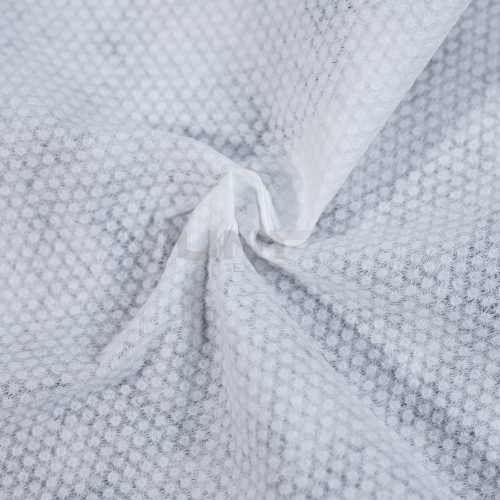
The felting process creates a nonwoven structure where fibers are compressed and interlocked, producing a material that is both stable and flexible, making it well suited for collar reinforcement.
3. Key Features
Under Collar Felt offers several characteristics that make it suitable for tailoring and garment manufacturing.
Good Structural Support
The material helps maintain the shape of the collar and prevents deformation during wear.
Soft and Flexible Texture
Despite providing support, the felt remains soft and comfortable within the garment structure.
Stable Fiber Structure
The interlocked fibers create a dense structure that improves durability and stability.
Easy Processing in Tailoring
The material can be easily cut and shaped during garment production.
Compatible with Suit and Jacket Construction
It works well with other tailoring components such as interlining and collar canvas.
4. Manufacturing Process
The production of Under Collar Felt generally involves a felting process in which fibers are compressed and bonded together to form a stable textile sheet.
First, fibers are prepared and arranged into a loose web structure. The fibers are then subjected to mechanical processing such as pressure, moisture, and agitation. These actions cause the fibers to interlock naturally, creating a dense felt structure.
After felting, the material may undergo finishing treatments to improve its thickness consistency, surface texture, and dimensional stability. The finished felt is then cut or rolled according to required specifications for garment manufacturing.
Quality control is important to ensure the material maintains consistent density, thickness, and flexibility, which are essential for tailoring applications.
5. Applications
Under Collar Felt is primarily used in garment construction where structural reinforcement is needed.
Typical applications include:
-
suit collar construction
-
jacket and blazer collars
-
coat and overcoat collars
-
tailored garment production
-
high-end menswear manufacturing
-
fashion outerwear production
Because of its supportive yet flexible structure, the material is widely used in tailoring to improve the appearance and durability of garment collars.
6. Why Choose UNT
UNT provides garment accessory materials designed to support stable production and high-quality tailoring.
Our advantages include:
-
consistent material quality suitable for garment manufacturing
-
stable fiber structure for reliable collar support
-
flexible customization of thickness and specifications
-
reliable supply for apparel manufacturers
-
professional support for textile accessory applications
With experience in garment materials, UNT works with manufacturers to deliver practical solutions that help improve the structure and appearance of finished garments.
additional information
| Product Name | Under Collar Felt |
|---|---|
| Material | 100% Polyester, Polyester/Wool, Polyester/Viscose |
| Application | Mainly used for coat and jacket collar bottom, plays a supporting and shaping role |
| Width | 90cm, 150cm |
| Weight | 160gsm – 260gsm |
| Stock | Regular colors available in 165gsm |
| Color | Customizable according to customer's requirements |
| Printing | Customizable |
| Features | – Does not wrinkle or lose shape |
| Minimum Order Quantity | 500 meters |
| Price Range | USD $0.80 – $1.50/meter (Depending on material and weight) |
| Packaging | Roll packed in PE plastic bags, with outer woven polybags |
| Transportation | Via sea, air, or express logistics |
| Payment Terms | L/C, D/P, T/T, Western Union, PayPal |
| Delivery Time | 7-15 days based on order size |
| Monthly Production Capacity | 1,000,000 meters |
| Special Customization | Available for material, width, weight, and color |
| Certification | OEKO-TEX, GRS, SGS |

Stay Ahead With UNT Updates

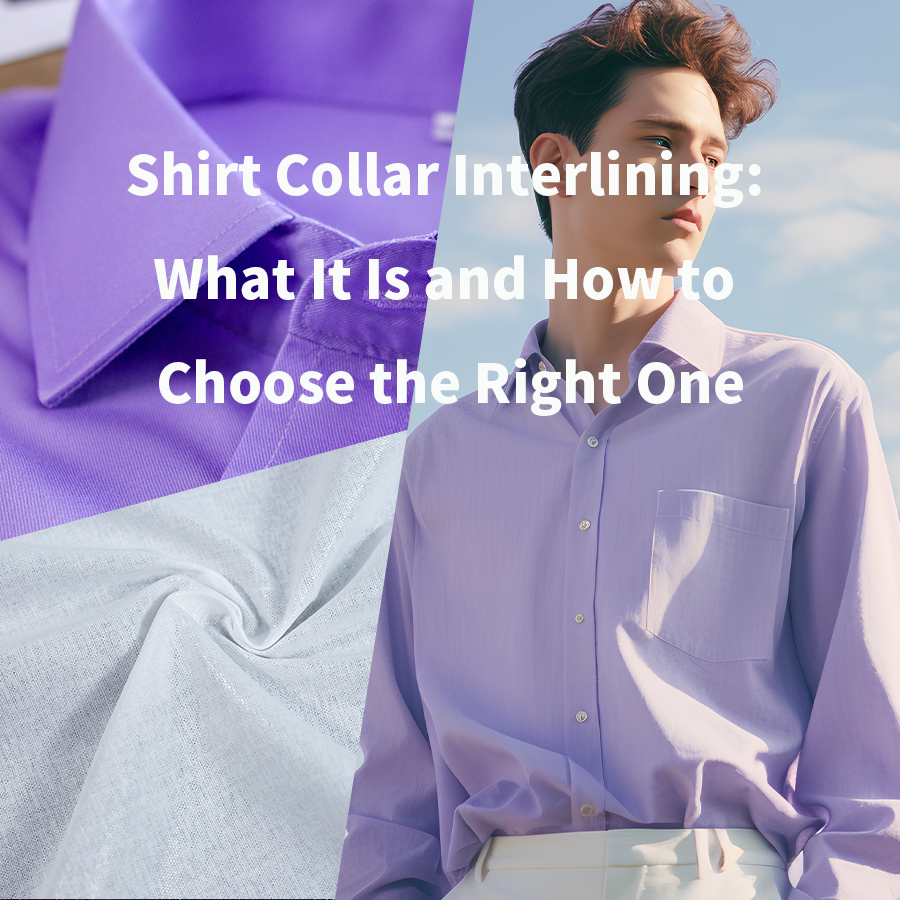
Shirt collar interlining helps a collar keep its shape, stiffness, and smooth appearance. This article explains the types, materials, and how to choose the right shirt collar interlining.
-
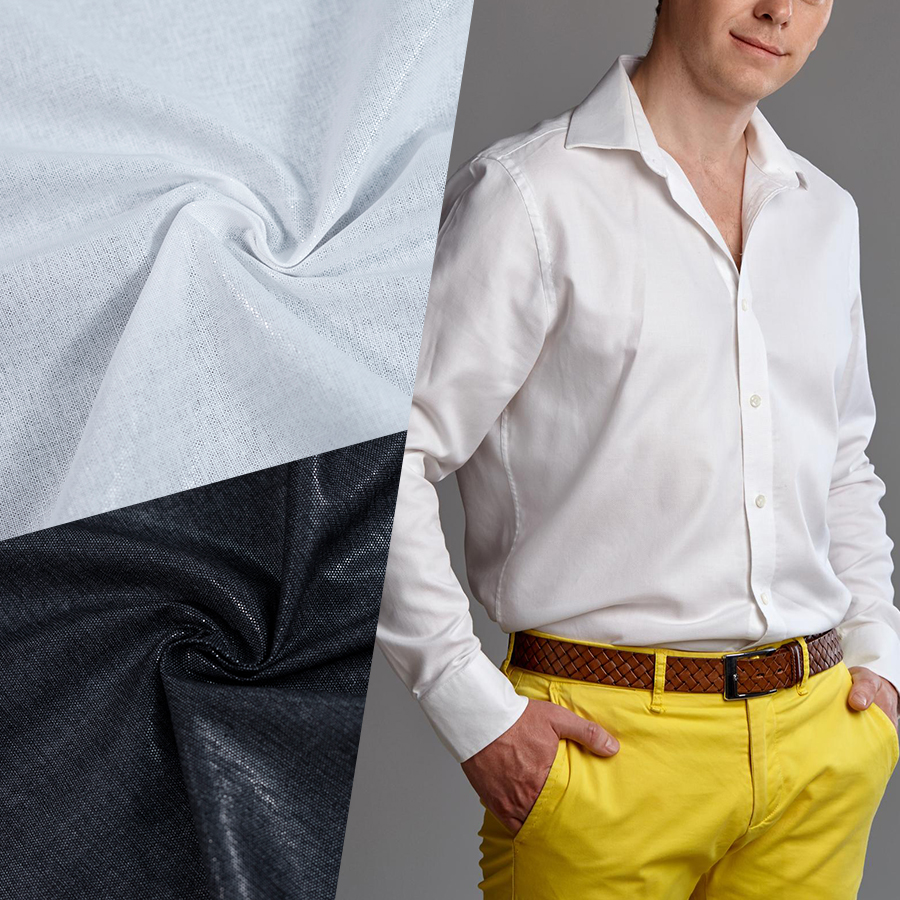
This article explains cotton interlining, its structure, properties, and why it is mainly used in shirt and collar interlining applications.
-
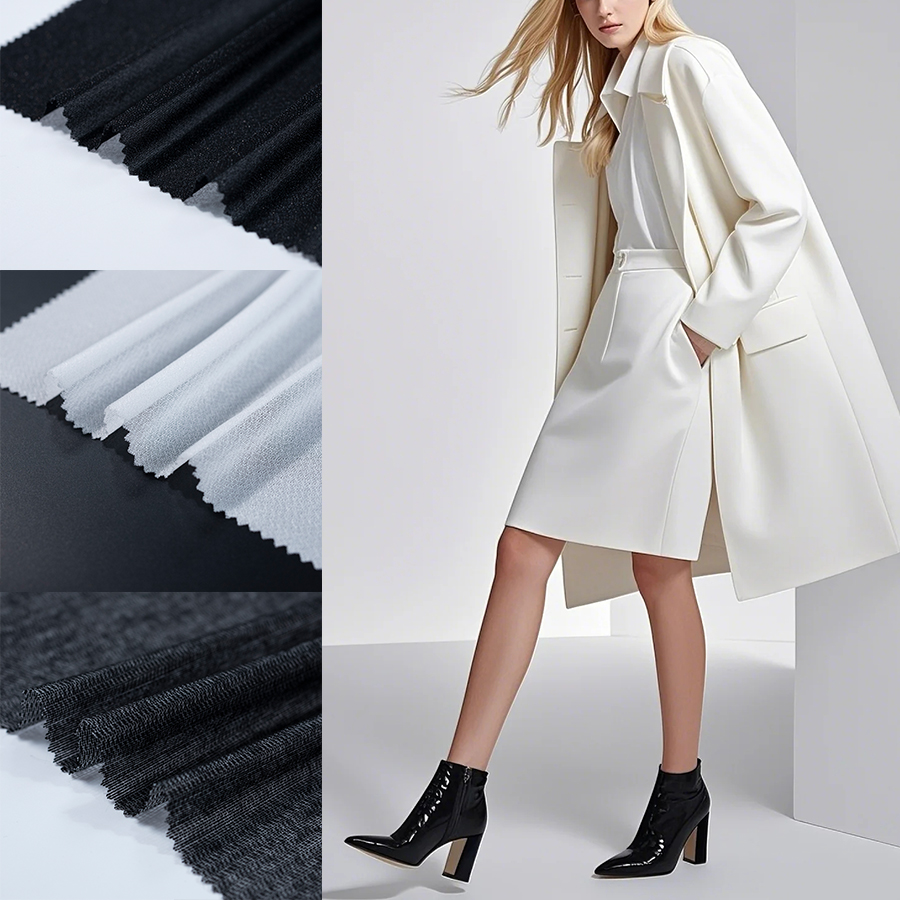
This article explains what knitted interlining is, its types, features, applications, and how to choose the right one for different garments.
.png)