
What Is Collar Interlining?
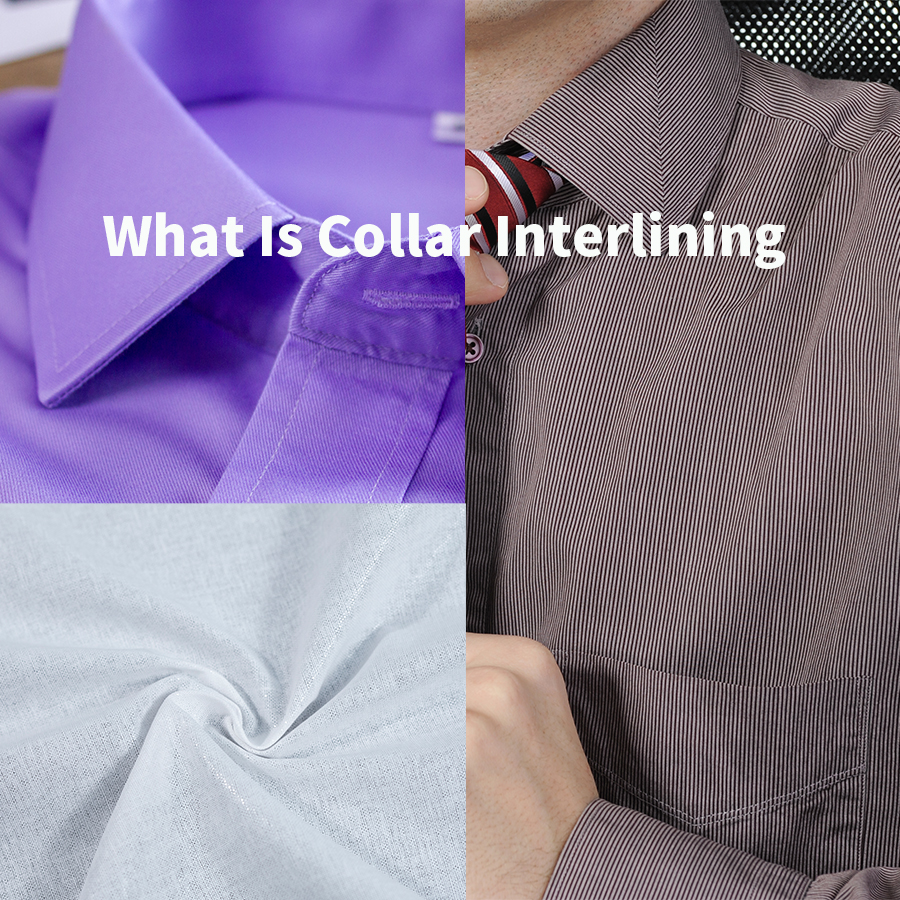
What Is Collar Interlining?
A shirt collar usually contains a layer of collar interlining between the fabric pieces to help it stay firm and keep a clean shape.
In shirt production, this material is placed inside the collar and fixed by fusing or sewing. Its main role is to support the outer fabric so the collar does not become too soft or lose its form after wearing and washing.
For most shirts on the market today, using collar interlining is a standard process, especially for products that need a stable and professional look.
Where It Is Used in Shirts
Although the name focuses on collars, this type of material is often used in several parts of a shirt.
Collar Area
The most important use of collar interlining is inside the collar. It helps the collar stand properly and maintain a consistent shape during daily wear.
Cuffs
In many shirt designs, cuffs require similar support. Manufacturers often use the same or slightly adjusted material to match the collar.
Front Placket
Some shirts include a light internal layer in the placket to prevent distortion and keep the front panel aligned.
Why Collar Interlining Is Important
Collars are one of the first details people notice. Without proper support, even a well-made shirt can look untidy.
Keeps the Shape Stable
With suitable collar interlining, the collar stays firm instead of collapsing.
Improves Overall Appearance
A structured collar gives the shirt a cleaner and more finished look.
Better Performance After Washing
Collars without enough support tend to wrinkle easily. Using proper collar interlining helps maintain shape after repeated washing.
Supports Different Shirt Styles
Different shirts require different levels of stiffness. This is why selecting the right collar interlining is important for product positioning.
Materials Used in Collar Interlining
Material selection affects comfort, durability, and cost.
Cotton
Cotton-based collar interlining is often used in higher-end shirts.
-
Soft and natural feel
-
Good breathability
-
Comfortable for long wear
Polyester
Polyester materials are widely used in mass production.
-
Stable quality
-
Good durability
-
Cost-effective
Blended Materials
Blends combine the advantages of cotton and polyester.
-
Balanced performance
-
Better shape retention
-
Suitable for mid-range products
Types
Different constructions are available depending on shirt style and price level.
| Type | Structure | Typical Use |
|---|---|---|
| Woven | Traditional fabric structure | Formal shirts |
| Knitted | Flexible structure | Casual shirts |
| Nonwoven | Bonded fibers | Cost-sensitive products |
Woven collar interlining is usually preferred when a sharper and more defined collar shape is required.
Fusible and Sew-in Options
Fusible Type
Fusible collar interlining has an adhesive coating and is bonded using heat.
-
Suitable for large-scale production
-
Provides consistent bonding
-
Saves production time
Sew-in Type
Sew-in versions are stitched inside the collar.
-
Used in traditional tailoring
-
Requires more manual work
-
Often seen in custom garments
Typical Specifications
| Parameter | Common Range |
|---|---|
| Weight | 30–80 gsm |
| Coating Type | PA or PES |
| Structure | Woven / knitted / nonwoven |
| Application | Shirt collars and cuffs |
Specifications can be adjusted depending on fabric type and customer requirements.
How to Choose the Right Collar Interlining
Choosing the right collar interlining is important for both product quality and production efficiency.
Fabric Matching
Light fabrics require lighter support, while heavier fabrics need stronger structure.
Collar Style
Formal collars usually need firmer materials, while casual designs prefer softer options.
Washing Durability
The material should maintain bonding strength and avoid bubbling after washing.
Production Conditions
It should be compatible with the factory’s equipment, including temperature and pressure settings.
Cost Consideration
Different materials and structures affect overall cost, so the choice should match the target market.
FAQ
What is used for?
It is used to support shirt collars and help them keep a stable shape.
Is woven collar interlining better than nonwoven?
Woven options usually provide better structure, while nonwoven types are more cost-effective.
Can be customized?
Yes, weight, coating, and structure can all be adjusted.
Why do collars lose shape after washing?
This usually happens when the internal support is not suitable or bonding is not strong enough.
Is used in all shirts?
Most shirts use it, but the type and quality can vary.
Does collar interlining affect comfort?
Yes, especially if the material is too stiff or too heavy.
Contact Us
If you have any questions about interlining or garment accessories, you are welcome to contact Shanghai Uneed Textile Co., Ltd. Our team will provide suggestions based on your product needs.
TEL: +86-21-33608891
FAX: +86-21-33608892
Email: info@uneed-tex.com
continue reading
Related Posts

Collar interlining helps shirt collars keep their shape and structure. Learn about types, materials, and how to choose the right collar interlining
-
Shirt interlining helps collars, cuffs, and plackets keep their shape. Learn what shirt interlining is, its materials, types, and how to choose the right one.
-
Shirt collar interlining helps a collar keep its shape, stiffness, and smooth appearance. This article explains the types, materials, and how to choose the right shirt collar interlining.
.png)