
What Is Cotton Interlining and Where Is It Used?
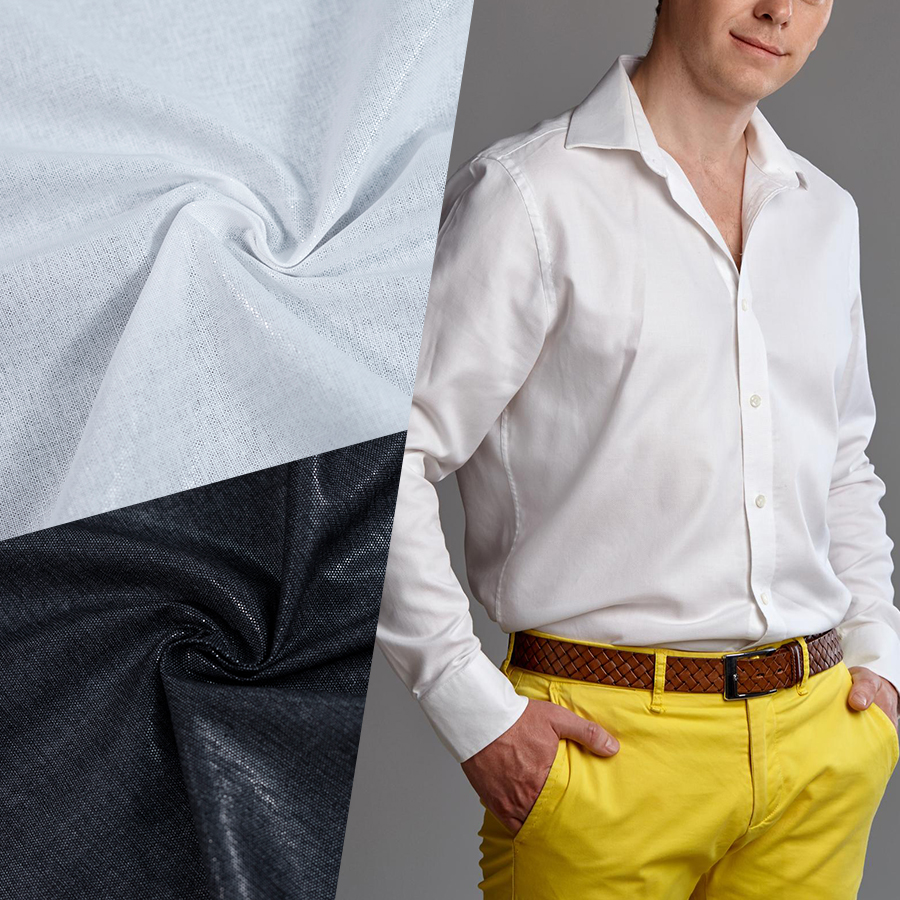
What Is Cotton Interlining?
Cotton lining is an interlining made primarily from cotton fibers. Unlike synthetic-based interlining, cotton lining offers a natural hand feel, better breathability, and good compatibility with cotton fabrics.
However, cotton interlining is not commonly used across all garment categories. Due to its fiber characteristics and performance balance, it is mainly suitable for specific garment parts.
In our product range, cotton material is mainly applied in:
-
Shirt interlining
-
Collar interlining
These parts require stable structure while maintaining comfort, especially for garments worn close to the skin.
Why Cotton Is Preferred for Shirt and Collar Interlining
Shirts are often made from 100% cotton or cotton-blend fabrics. When cotton lining is used inside collars, cuffs, or plackets, it helps maintain material compatibility.
Main reasons include:
-
Similar shrinkage behavior between outer fabric and interlining
-
Reduced tension after washing
-
Natural and breathable wearing experience
-
Softer hand feel around the neck area
In high-quality shirts, especially formal or premium cotton shirts, fiber matching plays an important role in long-term performance.
Structure of Cotton Interlining
Cotton lining used in shirts and collars is typically:
-
Woven construction for structural stability
-
Pre-treated to control shrinkage
-
Available in fusible form with adhesive coating
Woven structure is important because collars and cuffs require clean edges and stable shape retention.
Unlike nonwoven interlining, woven cotton interlining provides:
-
Clear grain direction
-
Better dimensional control
-
More predictable behavior during sewing
Cotton Shirt Interlining
Shirt interlining made from cotton is usually used in:
-
Front plackets
-
Cuffs
-
Pocket flaps
-
Button stands
Performance characteristics:
-
Medium firmness
-
Good breathability
-
Stable shape without excessive stiffness
-
Comfortable for daily wear
It supports the shirt structure while still allowing natural drape.
Cotton Collar Interlining
Collar interlining requires slightly higher stiffness compared to plackets.
Cotton collar interlining is designed to:
-
Maintain collar edge sharpness
-
Support collar roll
-
Prevent curling after washing
-
Maintain clean appearance during ironing
Because the collar is a visible and functional part of the shirt, interlining quality directly affects the overall garment impression.
Fusible Cotton Interlining and Bonding Control
Most cotton lining is fusible. The adhesive layer allows efficient bonding during production.
Common coatings:
-
PA (Polyamide)
-
PES (Polyester)
| Coating Type | Temperature Range | Suitable Application |
|---|---|---|
| PA | 130–150°C | Standard cotton shirts |
| PES | 150–165°C | Higher temperature resistant fabrics |
Correct fusing conditions are important because cotton fibers can shrink if exposed to excessive heat or steam. Controlled temperature and pressure ensure stable bonding.
Key Technical Considerations
When using cotton lining, manufacturers often focus on:
Shrinkage Control
Cotton fibers naturally absorb moisture. Pre-shrinking and finishing treatment are important to reduce post-wash shrinkage.
Weight Selection
Lightweight cotton lining is suitable for summer shirts.
Heavier options are used for structured collars.
Hand Feel Balance
Too soft → collar loses shape.
Too stiff → uncomfortable around neck.
Selecting the correct balance is essential.
Cotton Interlining vs Polyester Interlining
| Item | Cotton Interlining | Polyester Interlining |
|---|---|---|
| Fiber Type | Natural | Synthetic |
| Breathability | High | Medium |
| Moisture Absorption | Higher | Lower |
| Dimensional Stability | Moderate | High |
| Typical Application | Shirts & collars | Wider garment categories |
Polyester interlining offers broader usage, while cotton interlining is more specialized.
Advantages and Limitations
Advantages
-
Natural fiber feel
-
Good compatibility with cotton fabrics
-
Comfortable for skin-contact areas
-
Suitable for premium shirts
Limitations
-
Less suitable for heavy structured garments
-
Requires careful shrinkage control
-
Not ideal for high-stretch fabrics
How to Choose the Right Cotton Interlining
When selecting cotton lining for shirts or collars, consider:
-
Fabric composition
-
Collar stiffness requirement
-
Washing frequency
-
Production temperature control
-
End-market quality expectations
Sampling, wash testing, and collar shaping tests are recommended before bulk production.
FAQ
Is cotton lining suitable for suits or jackets?
No. Suits and jackets usually require stronger woven or hair interlining.
Will cotton lining wrinkle easily?
When properly fused and supported by outer fabric, it maintains shape well.
Does cotton lining affect breathability?
It maintains good airflow compared to synthetic interlining.
Is cotton lining eco-friendly?
Cotton is a natural fiber, but sustainability depends on sourcing and processing.
Can cotton lining be used in high-speed production?
Yes, as long as temperature and pressure are well controlled.
Is cotton lining suitable for export markets?
Yes, especially for premium shirt brands that focus on comfort and natural materials.
Why Choose Us for Cotton Shirt and Collar Interlining
-
Specialized in shirt and collar interlining applications
-
Stable woven cotton construction
-
Controlled shrinkage processing
-
Reliable fusible bonding performance
-
Experience serving global shirt manufacturers
Contact Us
If you would like to learn more about our interlining products or need support in choosing the right solution for your garments, feel free to contact us. Shanghai Uneed Textile Co., Ltd is always happy to discuss your requirements and provide professional suggestions.
TEL: +86-21-33608891
FAX: +86-21-33608892
Email: info@uneed-tex.com
continue reading
Related Posts

This article explains cotton interlining, its structure, properties, and why it is mainly used in shirt and collar interlining applications.
-
This article explains how to use fusible interlining correctly, including preparation, fusing steps, common mistakes, and practical tips.
-
This article explains bonded interlining, how it is made, its types, key features, applications, and how to choose the right option.
.png)