
What Is Interlining and How Do You Choose the Right One?
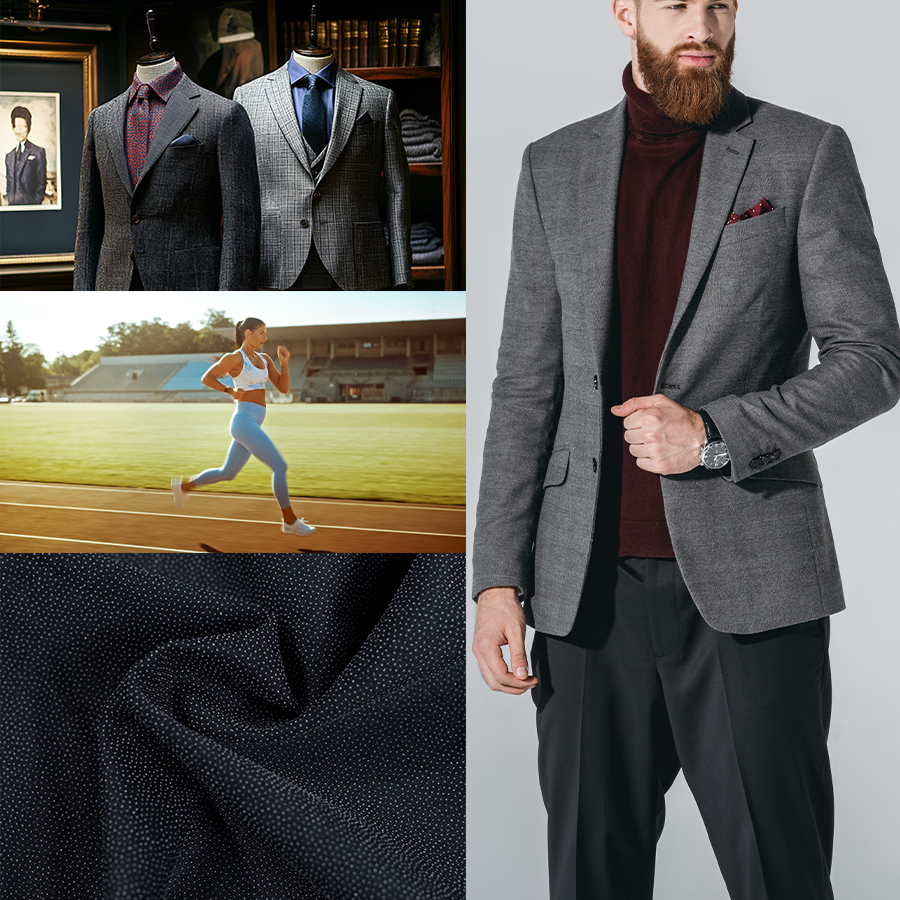
If you’ve handled jackets or shirts before, you’ve probably noticed some hold their shape better than others. In most cases, that comes down to the interlining inside.
But when you actually need to source interfacing, things can get confusing fast. There are many types, different materials, and each one behaves differently in production.
What Is Interlining?
Simply put, interfacing is an extra layer added inside the garment, usually between the outer fabric and the inner side.
- Add structure and shape
- Improve durability
- Support certain parts like collars, cuffs, waistbands
You’ll find interfacing in products like shirts, suits, jackets, ties, and even uniforms.
Why Is Interlining Important in Garment Production?
In real orders, problems like poor shape or fabric feeling too soft usually come back to one thing — the interfacing wasn’t chosen properly.
Here’s what good interfacing helps you achieve:
1. Better Shape Retention
A proper interfacing keeps collars, plackets, and front panels firm over time.
2. Improved Garment Appearance
It gives garments a more professional and premium look, especially in suits and formal wear.
3. Enhanced Durability
It reduces fabric stress and helps garments last longer after repeated washing or use.
So, what kinds of interlining are actually used?
There are several categories of interfacing, and each one is used in different situations.
1. Woven Interlining
Woven interfacing is made like regular fabric, with warp and weft yarns. It is stable and commonly used in high-quality garments.
Common Types:
- Plain Woven Interlining
- Twill Woven Interlining
- Circular Knit Interlining
- Tricot Interlining
- Warp Knit Interlining
- Weft Insert Napping Interlining
When to Use:
- Suits and jackets
- High-end garments
- Structured clothing
2. Nonwoven Interlining
Nonwoven interfacing is made by bonding fibers together instead of weaving. It is cost-effective and widely used.
Common Types:
- Chemical Bond Nonwoven Interlining
- Thermal Bond Nonwoven Interlining
- Spunlace Nonwoven Interlining
- Elastic Nonwoven Interlining
- Hot Melt Adhesive Web
When to Use:
- Mass production garments
- Casual wear
- Cost-sensitive products
3. Hair Interlining
Hair interfacing is used in premium garments and contains natural fibers like horsehair or wool blends.
Types:
- Hair Interlining
- Horse Hair Interlining
When to Use:
- High-end suits
- Tailored jackets
- Luxury garments
This type provides a natural drape and long-lasting structure.
4. Shirt Interlining
Shirt interfacing is specifically designed for shirts, especially collars and cuffs.
Includes:
- Shirt interfacing
- Collar interfacing
When to Use:
- Formal shirts
- Uniform shirts
It helps maintain stiffness without making the fabric feel too hard.
5. Tie Interlining
Tie interfacing is used inside neckties to control shape and fullness.
When to Use:
- Neckties
- Bow ties
It affects how the tie knot looks and how the tie hangs.
How to Choose the Right Interlining?
This is where many buyers struggle. Choosing the wrong interlining can lead to production issues or customer complaints.
Here are a few practical factors to consider:
1. Fabric Type
Light fabrics need soft interlining, while heavier fabrics need stronger support.
2. End Use
A shirt collar and a suit front require completely different interfacing.
3. Washing Requirements
If the garment will be washed frequently, the interfacing must have good bonding strength.
4. Hand Feel
Too stiff or too soft can both be a problem. Balance is important.
Quick Comparison Table
| Type | Structure | Cost Level | Best For | Key Advantage |
|---|---|---|---|---|
| Woven interfacing | Woven | Medium-High | Suits, jackets | Strong and durable |
| Nonwoven interfacing | Bonded fibers | Low-Medium | Casual wear | Cost-effective |
| Hair interfacing | Natural blend | High | Luxury garments | Natural shape and drape |
| Shirt interfacing | Lightweight | Medium | Shirts, collars | Balanced stiffness |
| Tie interfacing | Soft core | Medium | Neckties | Controls shape and volume |
Common Problems and How to Avoid Them
1. Bubbling After Washing
Usually caused by poor adhesive or incorrect fusing conditions.
2. Too Stiff or Too Soft
Wrong type selected for the fabric.
3. Delamination
Interfacing separates from fabric due to low bonding strength.
👉 The solution is not just “better interfacing,” but choosing the right type for your application.
FAQ
1. What is the difference between woven and nonwoven interlining?
Woven interfacing is stronger and more stable, while nonwoven is cheaper and easier to use in mass production.
2. Which interlining is best for shirts?
Shirt interfacing or collar interfacing is designed specifically for this purpose, offering the right balance of stiffness.
3. Can interfacing affect garment quality?
Yes, significantly.
4. Is nonwoven interfacing durable?
It depends on the type. Thermal bond and spunlace types are more durable than chemical bond ones.
5. What is hair interfacing used for?
Mainly for high-end suits and tailored garments where structure and drape matter.
6. How do I test interfacing quality?
You can test bonding strength, shrinkage, and performance after washing.
7. What is hot melt adhesive web used for?
It is used for bonding layers together without stitching, especially in garment construction.
8. Can I use the same interfacing for all garments?
Not recommended. Different garments require different types based on structure and use.
Why Choose UNT (Shanghai Uneed Textile Co., Ltd)?
If you’re sourcing interfacing, consistency and reliability matter more than anything else.
Here’s what we offer:
- 10+ years of experience in interfacing and garment accessories
- Full product range covering woven, nonwoven, hair, shirt, and tie interfacing
- Stable quality control with in-house testing support
- Sample service to help you confirm before bulk orders
- Flexible production and fast delivery
- Competitive pricing for long-term cooperation
We focus on helping you avoid common sourcing problems, not just selling products.
Contact Us
Shanghai Uneed Textile Co., Ltd
TEL: +86-21-33608891
FAX: +86-21-33608892
Email: info@uneed-tex.com
continue reading
Related Posts

Interlining explained: types, uses, and how to choose the right interlining for garments and textile production.
-
Collar interlining helps shirt collars keep their shape and structure. Learn about types, materials, and how to choose the right collar interlining
-
Shirt interlining helps collars, cuffs, and plackets keep their shape. Learn what shirt interlining is, its materials, types, and how to choose the right one.
.png)