
What Is Shirt Interlining Used For?
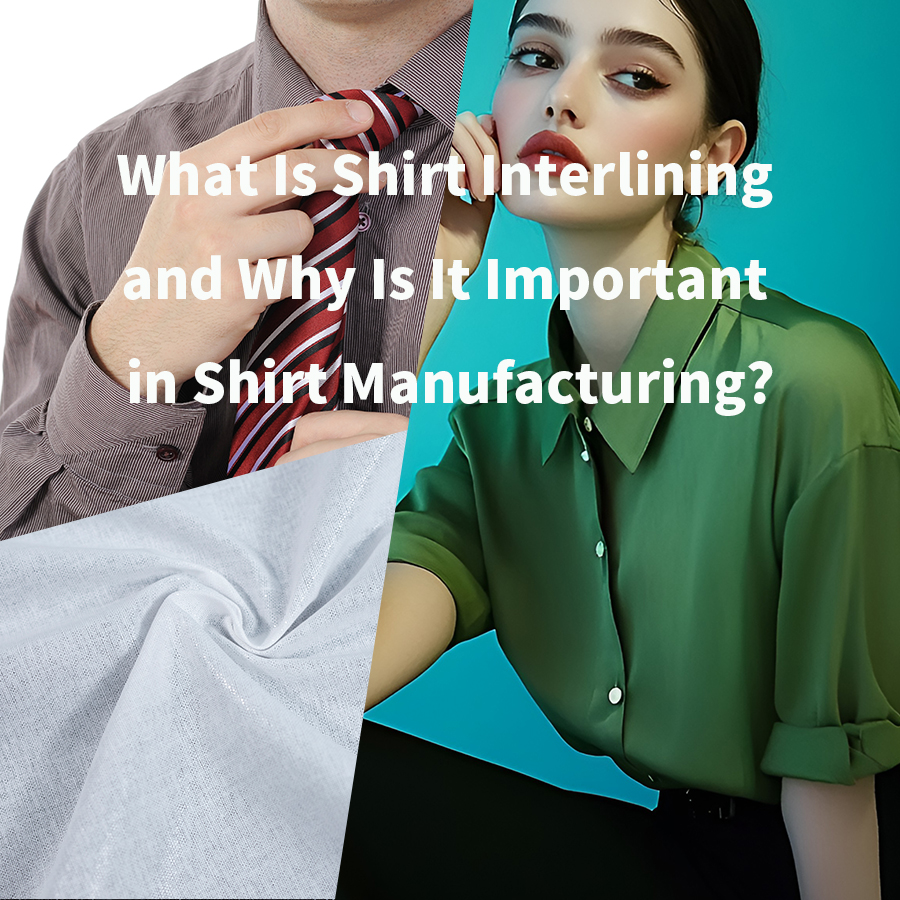
What Is Shirt Interlining?
This is a supporting material used inside certain parts of a shirt to provide structure and stability. It is usually placed between layers of fabric in areas such as the collar, cuffs, and front placket.
During shirt production, a layer of interlining is inserted or fused inside these parts so they can keep their shape and remain neat after wearing and washing.
Without proper shirt interlining, these areas of the shirt can become soft, wrinkled, or lose their form over time. That is why interlining is considered an essential component in modern shirt manufacturing.
Where Shirt Interlining Is Used
It is not applied to the entire garment. Instead, it is used in specific parts that need additional support.
The most common areas include:
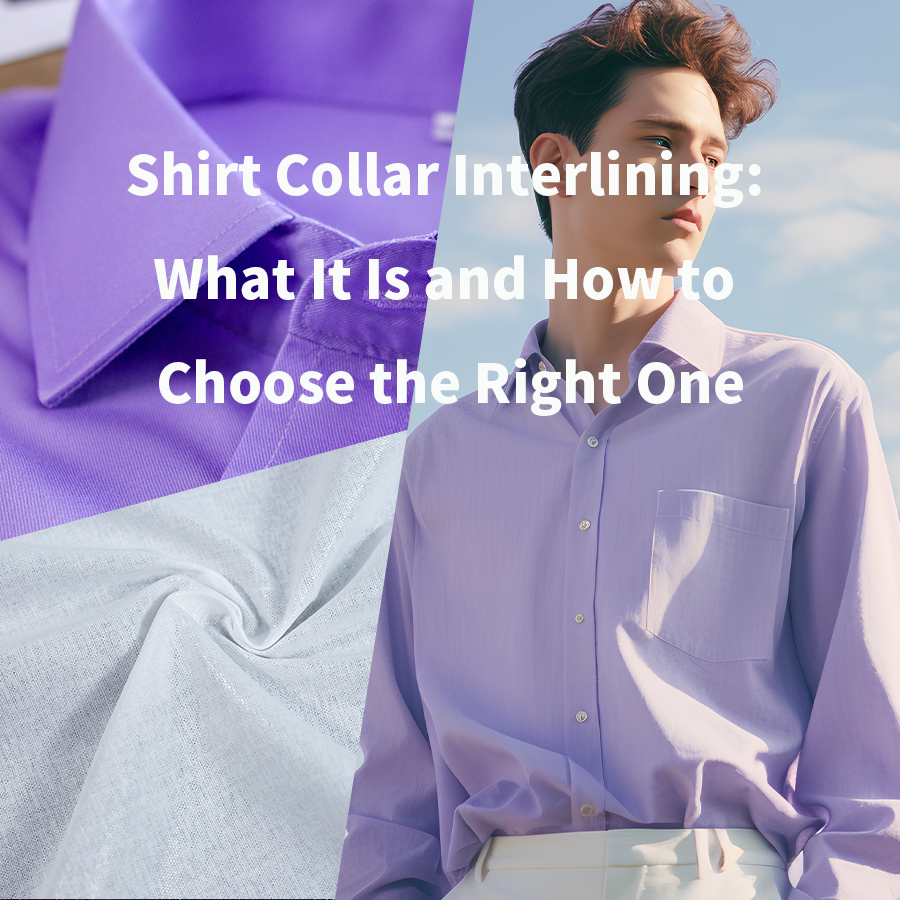
Collar
The collar is one of the most visible parts of a shirt. Interlining helps the collar stay firm and maintain a clean shape.
Cuffs
Cuffs are frequently folded and buttoned. Interlining adds strength so the cuffs remain structured during daily wear.
Front Placket
The placket area where buttons are attached may also contain interlining to prevent distortion and maintain alignment.
Pocket Flaps or Reinforced Areas
Some shirt designs also add light interlining to pocket flaps or decorative elements.
Why Shirt Interlining Is Important
In shirt production, interlining plays a significant role in both appearance and durability.
Shape Stability
Interlining helps the collar and cuffs maintain their structure. This is especially important for formal shirts that require a sharp and clean look.
Improved Appearance
A shirt with proper interlining looks more professional. The fabric lays flatter and the edges appear more defined.
Durability
Areas like collars and cuffs experience frequent movement and washing. Interlining strengthens these areas and helps them last longer.
Better Fabric Support
Some lightweight shirt fabrics are too soft on their own. Interlining provides additional support so the garment maintains its intended shape.
Common Materials Used for Shirt Interlining
Different materials can be used depending on the quality level and intended application.
Cotton Interlining
Cotton interlining is often used in higher-end shirts.
Advantages include:
-
Natural feel
-
Good breathability
-
Comfortable when touching the neck
Cotton interlining is common in premium dress shirts.
Polyester Interlining
Polyester-based interlining is widely used in large-scale shirt production.
Its main advantages are:
-
Consistent quality
-
Good durability
-
Lower production cost
Many standard commercial shirts use polyester-based fusible interlining.
Cotton–Polyester Blends
Blended materials combine the strengths of both fibers.
These interlinings typically provide:
-
Balanced softness and stability
-
Better shape retention
-
Reasonable production cost
Types
Different constructions can be used for shirt interlining depending on garment style and production method.
| Type | Structure | Typical Use |
|---|---|---|
| Woven Interlining | Traditional woven fabric | High-quality dress shirts |
| Knitted Interlining | Flexible knitted structure | Casual or stretch shirts |
| Nonwoven Interlining | Bonded fiber structure | Cost-effective shirt production |
Among these options, woven interlining is often preferred for shirts that require a more structured collar.
Fusible vs Sew-in Shirt Interlining
Can be applied in two main ways.
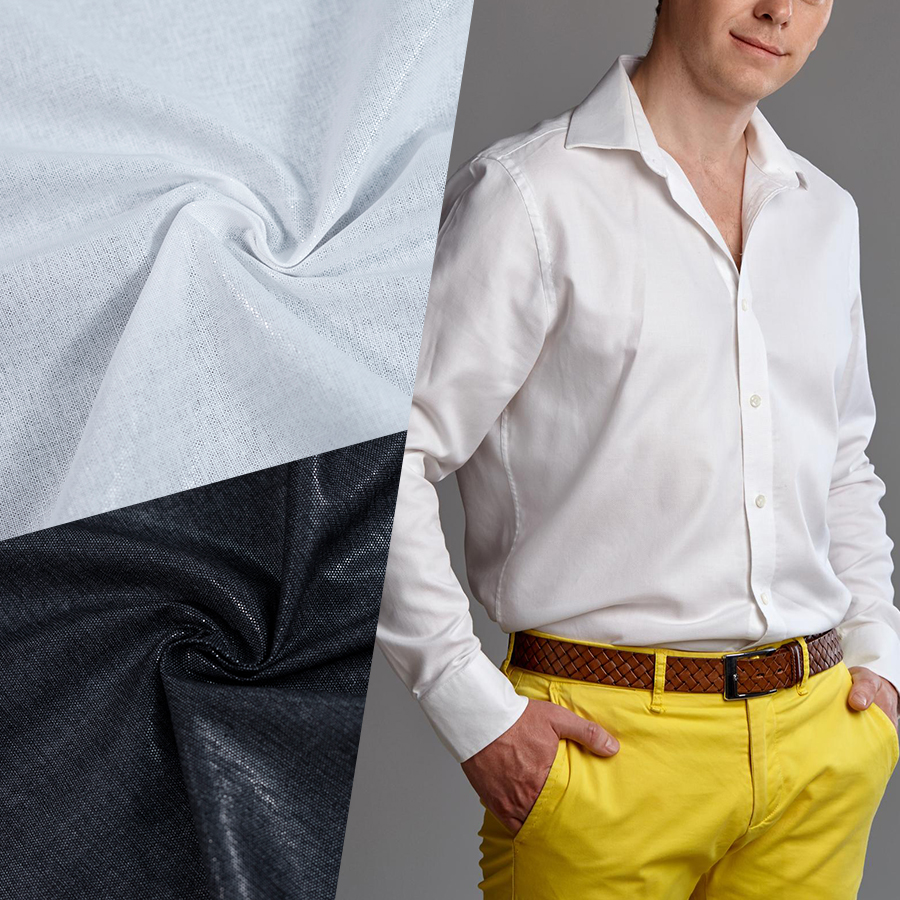
Fusible Interlining
Fusible interlining has a heat-activated adhesive coating on one side. It is bonded to the fabric using heat and pressure.
Advantages include:
-
Faster production
-
Consistent bonding
-
Suitable for large-scale manufacturing
Most modern shirts use fusible interlining.
Sew-in Interlining
Sew-in interlining is stitched between fabric layers instead of fused.
Characteristics include:
-
Used in traditional tailoring
-
Often seen in custom-made shirts
-
Requires more labor
Although less common in mass production, it is still used in some premium garments.
Typical Specifications of Interlining
| Parameter | Common Range |
|---|---|
| Weight | 30–80 gsm |
| Coating Type | PA or PES |
| Structure | Woven, knitted, or nonwoven |
| Main Application | Shirt collars and cuffs |
These specifications can vary depending on the design of the shirt and the fabric weight.
How to Choose the Right Interlining
Garment manufacturers usually evaluate several factors when selecting shirt interlining.
Fabric Weight
The interlining should match the weight of the outer fabric. Light fabrics require lighter interlining.
Collar Style
Different collar styles may require different stiffness levels.
Washing Performance
The interlining should maintain bonding strength and avoid bubbling after washing.
Production Compatibility
The interlining must work well with the factory’s fusing machines and sewing process.
Testing samples before mass production is usually recommended.
FAQ
What is the difference between shirt interlining and collar interlining?
Collar interlining is a specific type of shirt interlining used only inside the collar.
Is woven interlining better for shirts?
Woven interlining often provides better structure, which is why it is commonly used in dress shirts.
Can shirt interlining be washed many times?
Yes. Good quality interlining is designed to withstand repeated washing without losing its bonding strength.
Why do some shirt collars bubble after washing?
Bubbling usually occurs when the adhesive bonding is weak or the interlining is not compatible with the fabric.
Do casual shirts also use interlining?
Yes, but they may use softer or lighter interlining compared with formal shirts.
Can interlining be customized?
Yes. Manufacturers can adjust weight, coating type, and structure based on garment requirements.
Contact Us
If you have any questions about interlining or garment accessories, you are welcome to contact Shanghai Uneed Textile Co., Ltd. Our team will provide suggestions based on your product needs.
TEL: +86-21-33608891
FAX: +86-21-33608892
Email: info@uneed-tex.com
continue reading
Related Posts

Shirt interlining helps collars, cuffs, and plackets keep their shape. Learn what shirt interlining is, its materials, types, and how to choose the right one.
-
Shirt collar interlining helps a collar keep its shape, stiffness, and smooth appearance. This article explains the types, materials, and how to choose the right shirt collar interlining.
-
This article explains cotton interlining, its structure, properties, and why it is mainly used in shirt and collar interlining applications.
.png)