
What Should You Know About Shirt Interlining?
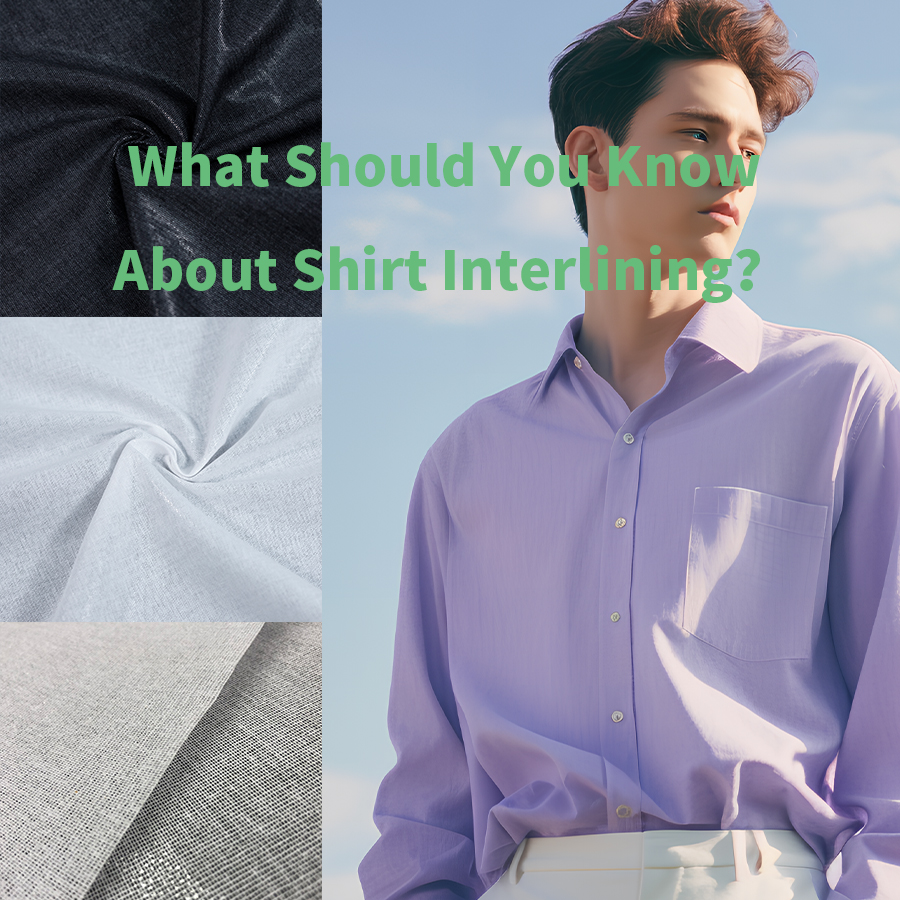
This article explains what shirt interlining is, the different types, materials, uses, bonding methods, and how to choose the right interlining for collars, cuffs, and plackets.
What Is Shirt Interlining?
It is a supportive layer used inside the collar, cuffs, placket, and other parts of a dress shirt to enhance shape, structure, firmness, and durability.
Without proper interlining, a shirt may collapse easily, wrinkle quickly, and look less refined.
High-quality shirts rely heavily on the correct interlining selection, as it directly affects comfort, appearance, and longevity.
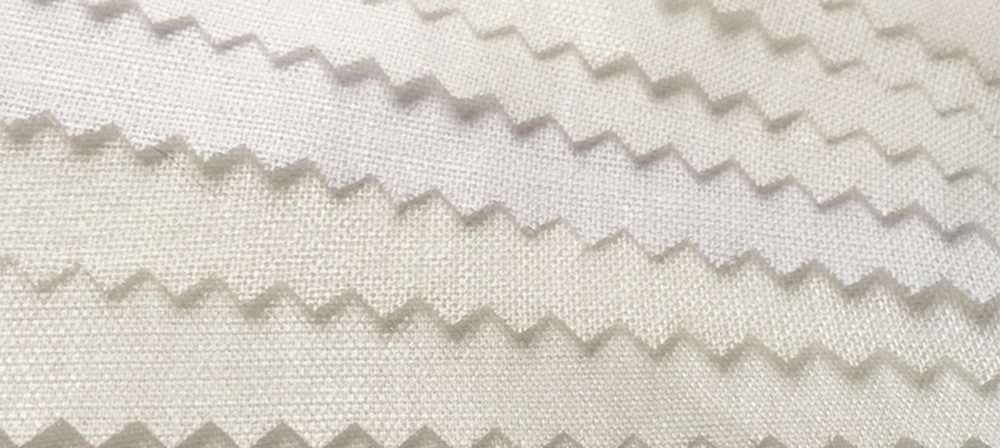
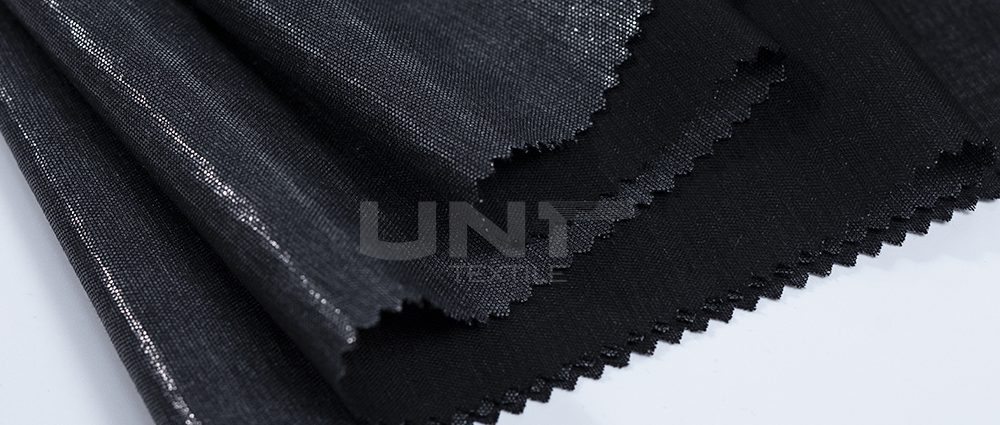
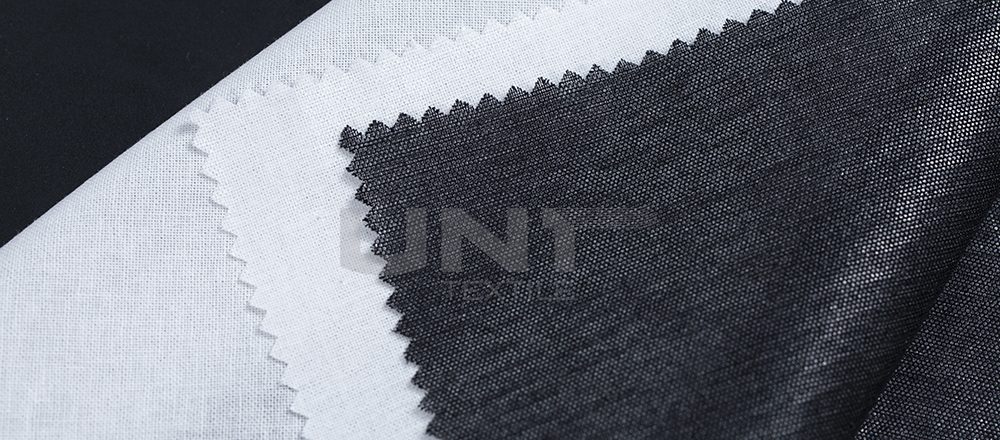
What Materials Are Commonly Used for Shirt Interlining?
It come in several material compositions to provide different strength and hand feel:
1. Polyester (100% polyester)
-
Most economical
-
Excellent stability and anti-wrinkle property
-
Suitable for mass-market shirts
2. Cotton-Padded Interlining (Cotton blends)
-
Softer and breathable
-
Used for higher-end shirts needing a natural feel
3. Polyester / Viscose Blends
-
Balanced softness and durability
-
Smooth finish, improved drapability
4. Nylon or PA Blended Interlining
-
Good strength and flexibility
-
Often used in premium bonded interlinings
What Types of Shirt Interlining Are Available?
It can be classified by bonding method, softness, and construction.
1. Fusible Shirt Interlining
The most common type, coated with hot-melt adhesive on one side.
Used in:
-
Collars
-
Cuffs
-
Plackets
Advantages:
-
Strong bonding
-
Clean shaping
-
Good durability
2. Non-Fusible Shirt Interlining
No adhesive coating; sewn or attached mechanically.
Used for:
-
Garments requiring softer, breathable performance
-
Special-purpose classic tailoring
3. Soft, Medium, and Hard Interlining
Based on stiffness needed:
-
Soft → lightweight business shirts
-
Medium → standard collars & cuffs
-
Hard → formal dress shirts requiring a crisp, sharp appearance
4. Woven, Nonwoven, and Knitted Interlining
-
Woven: stable and durable
-
Nonwoven: economical and versatile
-
Knitted: stretchable, suitable for comfort-focused shirts
Where Is Shirt Interlining Used in a Shirt?
Key applications include:
1. Collar
Provides the final collar shape, fullness, curve, and crispness.
2. Cuffs
Prevents cuff edges from collapsing and maintains clean lines.
3. Placket
Gives stability for buttons, buttonholes, and front appearance.
4. Shoulder Areas
Different shirt styles require different interlining stiffness.
How Does Fusible Shirt Interlining Work?
Fusible interlining uses a hot-melt adhesive layer that bonds to the fabric under heat, pressure, and time.
Bonding steps:
-
Place interlining glue-side down on the facing fabric.
-
Apply heat (typically 130–165°C depending on glue type).
-
Apply pressure evenly across the surface.
-
Hold for a few seconds to ensure full melting and penetration.
A strong bond improves shape retention and prevents bubbling or delamination.
How to Choose the Right Shirt Interlining?
-
Consider the fabric weight
Lightweight fabrics → soft interlining
Heavy fabrics → medium or hard interlining -
Define shirt style
Business shirts → medium stiffness
Classic dress shirts → harder interlining
Casual shirts → softer, flexible interlining -
Check fabric compatibility
Not all adhesives bond perfectly with all fabrics—testing is essential. -
Evaluate washing durability
Interlining must withstand repeated wash cycles without bubbling. -
Choose bonding or non-bonding
Fusible interlining works for most modern shirts; sewing interlining is used for traditional tailoring.
Common Issues and Solutions
1. Bubbling After Washing
-
Low bonding temperature
-
Uneven pressure
-
Fabric and interlining mismatch
Solution → adjust bonding conditions and test samples before production.
2. Collar Curling
-
Interlining too soft or unstable
Solution → choose higher stiffness or woven interlining.
3. Uneven Hand Feel
-
Incorrect fusing method
Solution → ensure even heating and pressure during bonding.
FAQ
Q1: Is fusible interlining better than non-fusible?
A: Fusible offers sharper appearance and stability, while non-fusible is softer and used for classic tailoring.
Q2: How do I select interlining for a silk shirt?
A: Choose soft or lightweight woven interlining to avoid stiffness and bubbling.
Q3: Does interlining shrink?
A: High-quality interlining has controlled shrinkage; cheap options may distort after washing.
Q4: What GSM is common for shirt interlining?
A: Most interlining falls between 30–80 gsm depending on stiffness.
Q5: Why do premium shirts feel more structured?
A: They use higher-quality woven or fused interlining with better elasticity and resilience.
Why Choose Shanghai Uneed Textile Co., Ltd. for Shirt Interlining?
-
Widely Available Options: Fusible, non-fusible, woven, nonwoven, and knitted shirt interlining.
-
Custom Stiffness Levels: Soft, medium, and hard grades for different shirt styles.
-
Advanced Bonding Technologies: Stable hot-melt coating ensuring strong adhesion and durability.
-
Strict Quality Control: Prevents bubbling, deformation, and shrinkage after washing.
-
Global Export Expertise: Reliable supply for shirt manufacturers in Europe, America, and South America.
Shanghai Uneed Textile Co., Ltd. offers stable quality, competitive pricing, and professional service tailored for shirt production.
continue reading
Related Posts

Shirt collar interlining helps a collar keep its shape, stiffness, and smooth appearance. This article explains the types, materials, and how to choose the right shirt collar interlining.
-
This article explains cotton interlining, its structure, properties, and why it is mainly used in shirt and collar interlining applications.
-
This article explains how to use fusible interlining correctly, including preparation, fusing steps, common mistakes, and practical tips.
.png)