
What Should You Know About Tricot Interlining?
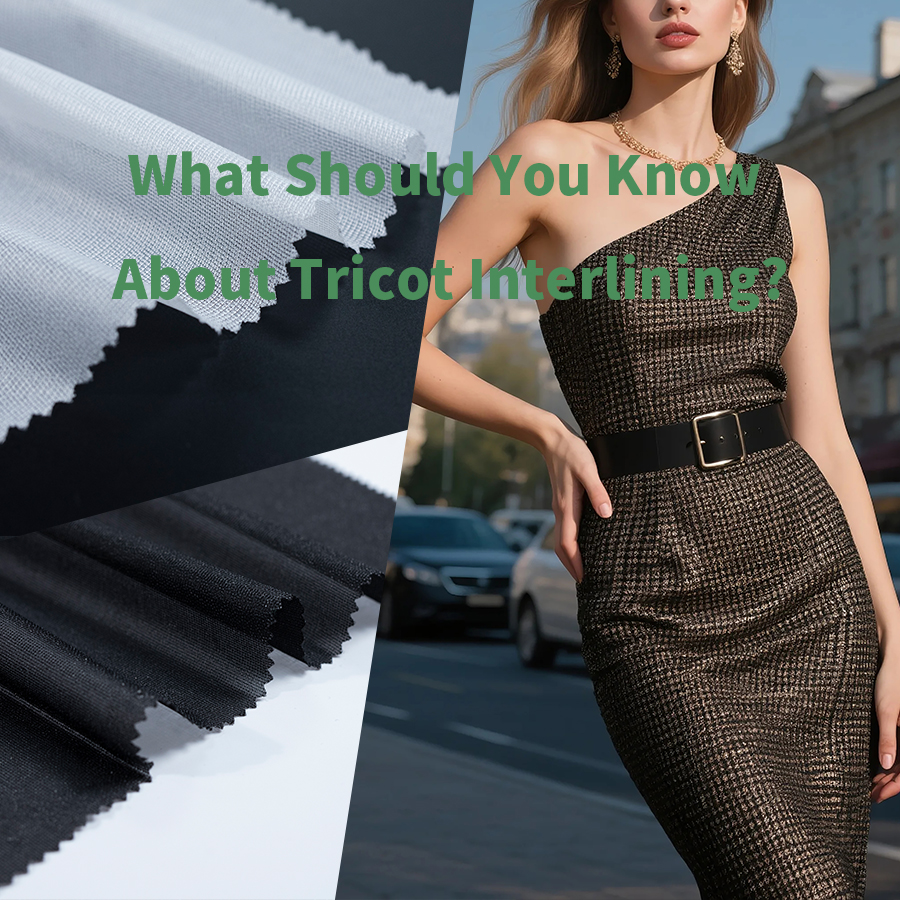
Tricot interlining is a popular choice in garment production, especially when you need a smooth, flexible, and slightly shiny interlining. Even though it feels different from typical woven interlining, it is considered part of the woven family because of the way it’s constructed. In this article, we’ll go through what tricot interlining is, what makes it unique, and how manufacturers choose it for different applications.
What Is Tricot Interlining?
Tricot interlining is a lightweight, smooth interlining made from fine yarns arranged in a stable structure.
Its surface is usually soft, even, and slightly glossy, which helps the final garment look cleaner and more refined.
Although some people think tricot belongs to knitted fabrics, in the garment accessory field it is widely grouped under woven interlining, mainly because of its stability and how it behaves during fusing and sewing.
Why Does Tricot Interlining Have a Smooth and Shiny Surface?
There are two main reasons:
-
Fine yarns — Tricot is made with thin, uniform yarns that create a flat surface.
-
Special construction — The way the yarns are arranged gives the fabric natural sheen and even texture.
This smooth finish helps prevent roughness or bumps under lightweight or delicate outer fabrics.
What Makes Tricot Interlining Different From Other Interlinings?
Soft but Stable
It drapes better than many other woven interlinings, making it suitable for garments that need a bit of flexibility without losing shape.
Good Recovery
It bends and returns to shape easily, which is useful for areas that move often, such as front panels or waist areas.
Lightweight Feel
It adds support without making the garment feel stiff or heavy.
Clean Fusing Effect
When fused properly, it bonds smoothly and doesn’t create visible lines or marks.
Where Is Tricot Interlining Used?
Tricot interlining fits well in garments that need a balance of stability and comfort. Common applications include:
-
Jackets and blazers — for front panels or small parts
-
Ladieswear — where flexibility and a clean surface are important
-
Light fabrics — such as chiffon, polyester blends, or soft wovens
-
Waistbands and plackets — requiring both support and comfort
Its smooth surface helps prevent the outer fabric from showing bumps or irregularities, especially with thin materials.
Is Tricot Interlining Fusible or Non-Fusible?
Both options exist.
Fusible Tricot Interlining
Comes with a glue coating on one side. It is the most commonly used type in modern garment production.
Good for:
-
Speeding up production
-
Creating a clean bonded finish
-
Lightweight to mid-weight garments
Non-Fusible Tricot Interlining
Used when high temperatures may damage the outer fabric.
Good for:
-
Heat-sensitive fabrics
-
Garments requiring a softer finish
-
Special sewing requirements
How Do You Choose the Right Tricot Interlining?
Match the Weight to the Fabric
Light fabric → light interlining
Medium fabric → medium interlining
Check the Hand Feel
If you want a soft, natural drape, choose a more flexible version.
Look at Glue Type (for fusible)
Some glues are better for polyester, others for cotton or stretchy materials.
Test Before Production
Always fuse a small piece and wash it to check for bubbling or stiffness.
Tips for Better Fusing Results
-
Keep the temperature stable and suitable for your glue type
-
Use proper pressure to avoid weak bonding
-
Allow pieces to cool completely before moving or sewing
-
Don’t rush bulk production before testing
These steps help prevent bubbling and uneven bonding, which are common issues when using thin outer fabrics.
FAQ
Q1: Can tricot interlining be used for very thin fabrics?
Yes. Its smooth and soft surface works well under lightweight fabrics as long as weight is matched correctly.
Q2: Is tricot interlining stretchable?
It has a little give, but not as much as true knitted interlining. It offers mild flexibility, not stretch.
Q3: Will the shiny surface affect the garment’s appearance?
No. The sheen stays on the inside and actually helps the outer fabric look smoother.
Q4: Is it washable?
Good-quality tricot interlining holds up well through washing, especially when properly fused.
Why Choose Shanghai Uneed Textile Co., Ltd.?
-
Reliable Quality Control
Each batch is checked for bonding strength, shrinkage, and hand feel. -
Multiple Specifications
We offer lightweight, medium, and firm tricot interlinings to match different fabrics. -
Technical Support
Guidance on fusing temperature, pressure, and best practices for your garment type. -
Stable Export Supply
Professional packaging, consistent production, and fast delivery for global buyers. -
Custom Options
Glue weight, width, softness, and colors can be adjusted based on your needs.
continue reading
Related Posts

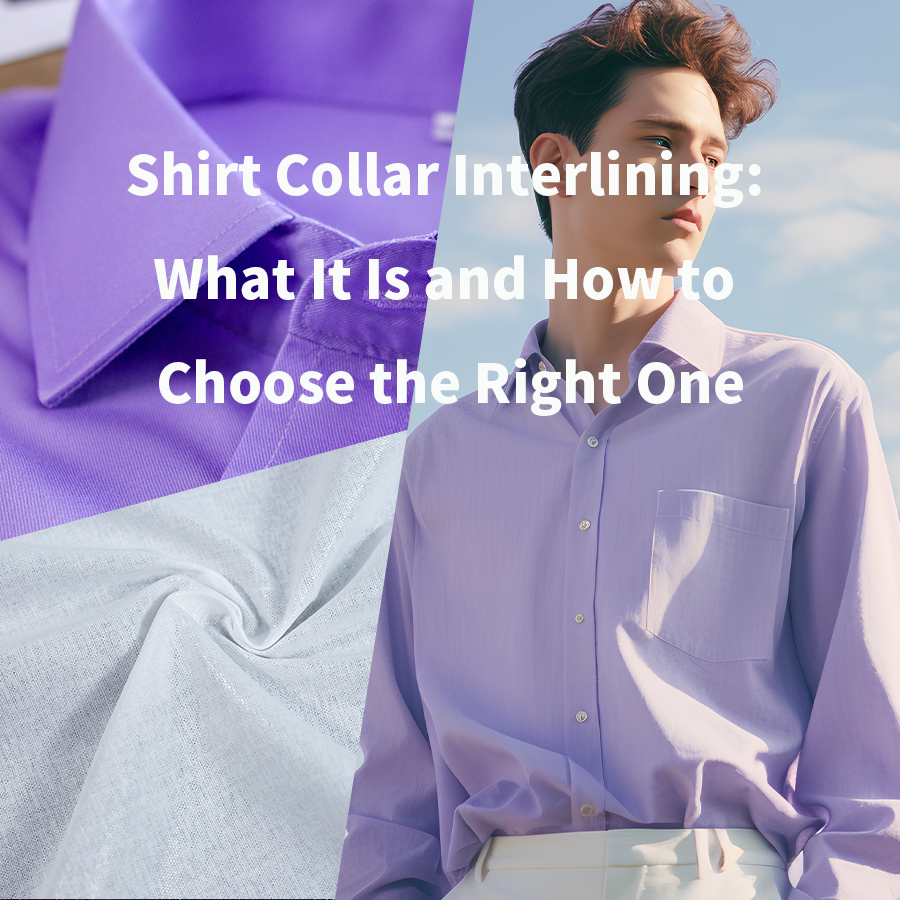
Shirt collar interlining helps a collar keep its shape, stiffness, and smooth appearance. This article explains the types, materials, and how to choose the right shirt collar interlining.
-
This article explains cotton interlining, its structure, properties, and why it is mainly used in shirt and collar interlining applications.
-
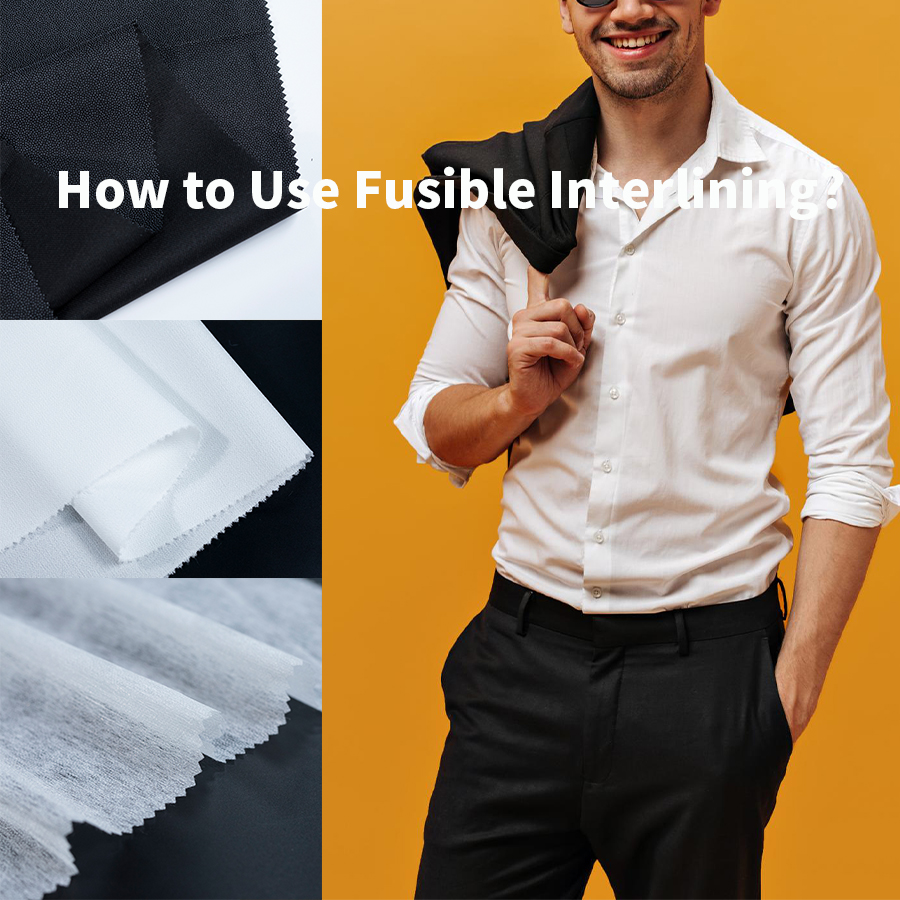
This article explains how to use fusible interlining correctly, including preparation, fusing steps, common mistakes, and practical tips.
.png)