
What Should You Know Before Choosing Tie Interlining?
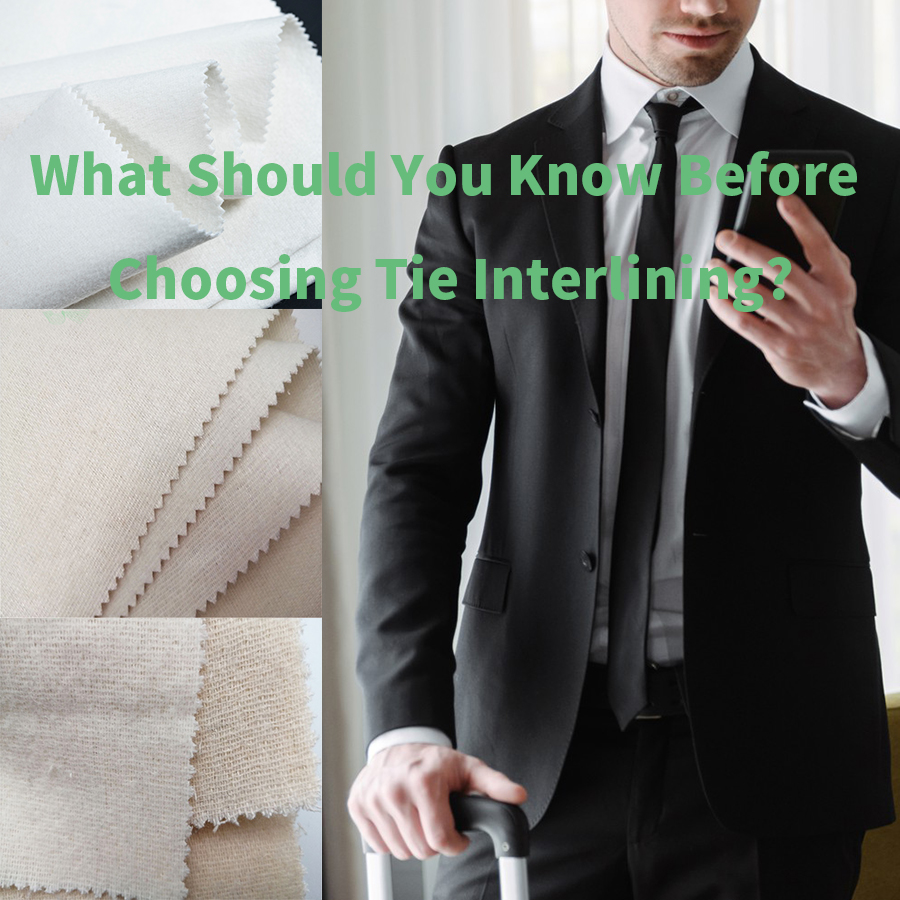
This article explains what tie interlining is, the types, materials, structures, common weights, and how these factors influence tie shape, drape, and quality.
What Is Tie Interlining?
Necktie interlining is the inner support layer inserted between the outer fabric and the lining of a necktie. Its primary role is to give the tie body, elasticity, drape, and a stable knot. Without proper interlining, a tie would feel thin, collapse easily, and lose its shape after repeated use.
Tie interlining is especially important for higher-end menswear, where knot quality and tie longevity directly reflect craftsmanship.
What Materials Are Commonly Used for Tie Interlining?
Different fibers give tie interlining different levels of stiffness, elasticity, and shape retention. Common materials include:
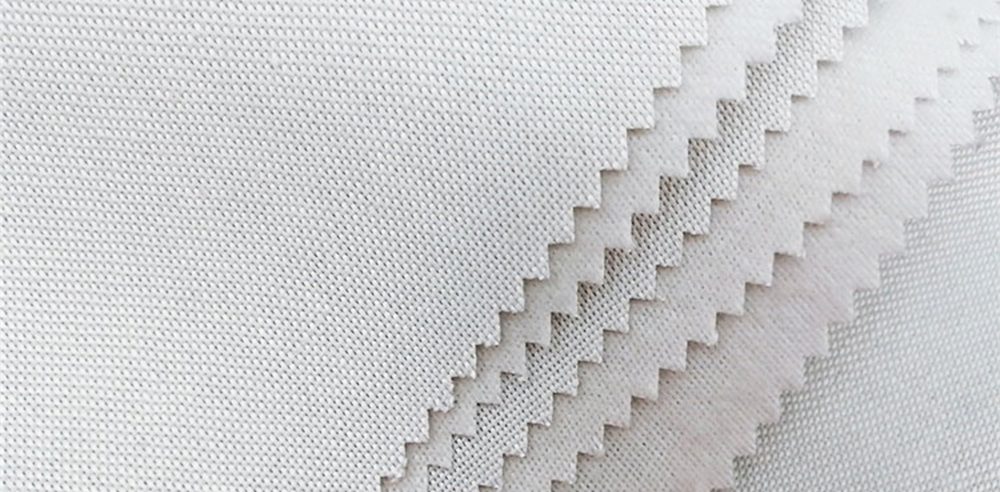
1. 100% Polyester
-
Economical
-
Clean and smooth appearance
-
White in color
-
Good for mass-market ties
2. 100% Wool
-
Very elastic and full-bodied
-
Naturally resilient
-
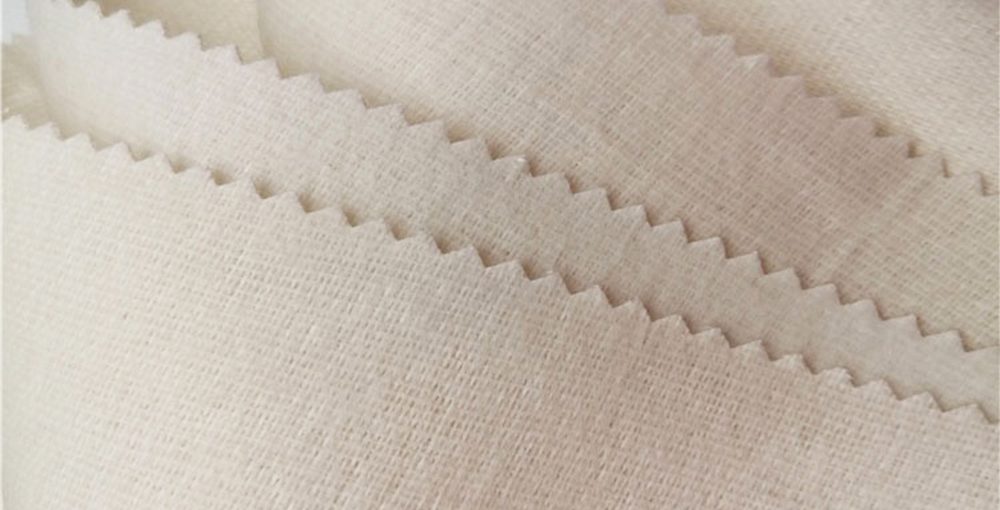
Color is usually yellowish
-
Favored in premium ties requiring soft yet strong knotting
3. 100% Acrylic (Acrylic Wool)
-
Warm, stable, and slightly stiff
-
Sometimes blended for cost reduction
4. Wool / Polyester Blends
-
Moderate elasticity
-
Better shape retention than pure polyester
-
Light yellow to yellowish color
-
Widely used due to balanced cost and performance
5. Acrylic / Polyester Blends
-
Sturdier and less stretchy
-
Good for ties requiring a firmer structure
6. Polyester / Viscose Blends
-
Smooth, softer hand feel
-
Slightly more breathable than pure polyester
What Are the Common Weight Options?
Tie interlining weight significantly affects the final knot and drape.
Typical range: 200–450 gsm
-
Under 200 gsm: mostly single-layer interlining
-
Above 200 gsm: generally double-layer interlining, giving more fullness and structure
Common specifications include 260 gsm, 280 gsm, 360 gsm, widely used in commercial tie production.
Which Structures Are Available?
Tie interlining can be manufactured with different surface treatments, influencing texture and knotting behavior.
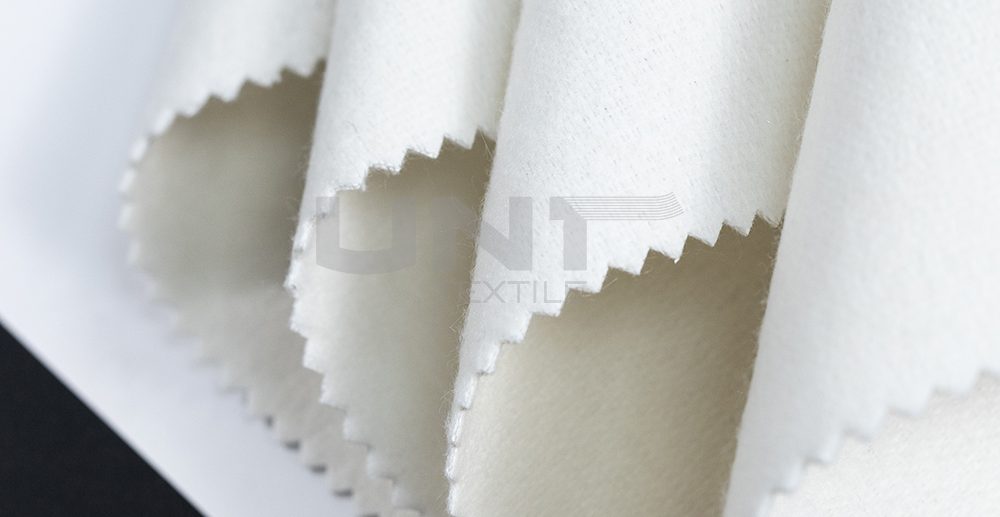
1. One-Side Brushed
-
Soft on one side
-
Helps outer fabric grip the core
-
Suitable for light or slippery fabrics(如真丝)
2. Two-Side Brushed
-
Even softer finish
-
Used for higher-end ties requiring a smooth, luxurious feel
3. Unbrushed
-
Slightly stiffer and more direct
-
Often used for thicker tie fabrics
How Does Tie Interlining Affect Tie Quality?
1. Knot Appearance
A good interlining allows the tie to form a symmetrical, firm knot without collapsing.
2. Drape & Recovery
Interlining provides the “bounce-back” effect — allowing the tie to maintain shape after being pulled tight.
3. Thickness & Hand Feel
Different interlinings create different tie profiles:
-
Thicker → more substantial, traditional
-
Thinner → lighter, modern look
4. Durability
High-quality interlining prevents wrinkling and distortion, extending the life of the tie.
How to Choose the Right Tie Interlining?
-
Match the Outer Fabric
Lightweight silk needs a fuller interlining; heavier fabrics need lighter interlining. -
Consider the Tie’s Purpose
Business ties often use firmer interlining; fashion ties may prefer softer interlining. -
Choose the Right Weight
Mid-range GSM (260–280) suits most ties; heavier GSM for luxury or traditional styles. -
Select the Appropriate Fiber
-
Wool → elasticity & luxury
-
Polyester → cost-effective
-
Blends → balanced performance
-
-
Check Color Compatibility
Wool blends are naturally yellowish; pure polyester is bright white.
FAQ
Q1: Is wool interlining better than polyester?
A: Wool offers better elasticity and knot quality, but polyester is more economical and stable. Choice depends on market positioning.
Q2: Does tie interlining shrink?
A: High-quality polyester and blends have low shrinkage; wool may shrink slightly if exposed to high humidity.
Q3: Why do some ties feel thicker?
A: Thickness comes from heavier GSM interlining or double-layer interlining.
Q4: Can tie interlining be customized?
A: Yes—weight, width, materials, and brushing options can all be customized.
Q5: What is the best interlining for silk ties?
A: Wool or wool/poly blends usually provide the best knot and drape.
Why Choose Shanghai Uneed Textile Co., Ltd. ?
-
Wide Material Selection: Polyester, wool, acrylic, viscose blends, and custom combinations.
-
Stable Weight Options: 200–450 gsm, including 260 gsm, 280 gsm, 360 gsm best-sellers.
-
Custom Processing: One-side brushed, two-side brushed, or unbrushed per your tie design.
-
Quality Assurance: Strict inspection for thickness, elasticity, shrinkage, and consistency.
-
Global Experience: Exporting interlining and nonwoven materials to Europe, America, and South America with reliable delivery and service.
Shanghai Uneed Textile Co., Ltd. provides stable quality, competitive pricing, and professional support for global tie manufacturers.
continue reading
Related Posts

Shirt collar interlining helps a collar keep its shape, stiffness, and smooth appearance. This article explains the types, materials, and how to choose the right shirt collar interlining.
-
This article explains cotton interlining, its structure, properties, and why it is mainly used in shirt and collar interlining applications.
-
This article explains how to use fusible interlining correctly, including preparation, fusing steps, common mistakes, and practical tips.
.png)