
What Are the Different Types of Interlining?
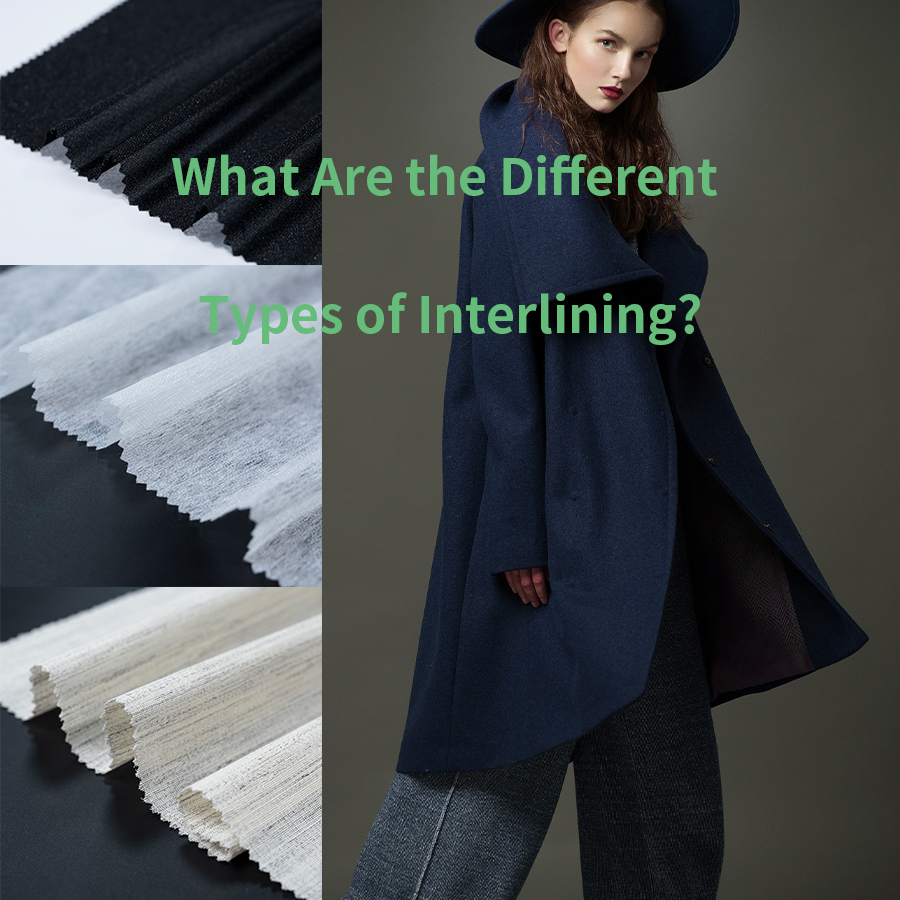
What Is Interlining?
Interlining is a layer of material placed between the outer fabric and the lining of a garment, and understanding the types of interlining helps ensure the right support and performance in different garments.Its purpose is to provide structure, shape, stability, and improved durability. Whether used in shirts, suits, jackets, or dresses, interlining plays a key role in enhancing garment appearance and maintaining proper form after washing and wearing.
How Are Interlinings Classified?
Interlinings can be categorized based on structure, bonding method, and fabric characteristics. These types of interlining are selected depending on fabric behavior and garment requirements. Understanding these considerations will help you choose the most suitable interlining for your garments and apply the right types of interlining effectively in different apparel categories.
1. Woven Interlining
Woven interlining is made by weaving yarns into a fabric structure.
-
Features: Stable, durable, and resistant to deformation.
-
Advantages: Excellent shape retention and strength.
-
Best For: Suits, coats, jackets, and tailoring products that require sharper form and higher structure.
-
Note: Must be cut following the grain to avoid distortion.
2. Nonwoven Interlining
Nonwoven interlining is produced by bonding fibers together chemically, mechanically, or with heat.
-
Features: Smooth, lightweight, flexible, and easy to cut in any direction.
-
Advantages: Cost-effective and highly versatile.
-
Best For: Shirts, dresses, uniforms, and everyday apparel.
-
Note: Choose appropriate thickness and adhesive coating to prevent stiffness or bubbling.
3. Knitted Interlining
Knitted interlining is produced with loop-forming yarn structures similar to knitwear.
-
Features: Soft, elastic, and stretch-friendly.
-
Advantages: Maintains garment comfort and movement.
-
Best For: Stretch fabrics, casual wear, sportswear, and knitted garments.
-
Note: Ideal for garments that need flexibility without losing shape.
4. Shirt Interlining
Shirt interlining has an adhesive coating that bonds to the fabric when heat and pressure are applied.
-
Benefits: Easy to apply, stable results, strong support.
-
Common Uses: Shirt collars, cuffs, plackets, suit lapels, coat fronts.
-
Key Consideration: Choose the right fusing temperature, pressure, and time to avoid glue seepage or bubbling.
5. Non-Fusible Interlining
Non-fusible interlining has no adhesive coating and is sewn into garments.
-
Advantages: Heat-resistant and suitable for fabrics sensitive to heat.
-
Typical Uses: Wool suits, specialty garments, traditional tailoring.
-
Note: Requires skilled construction for best results.
6. Hair Interlining (Hair Canvas Interlining)
Hair interlining, also known as hair canvas, is traditionally made by blending goat hair, horsehair, wool, and cotton into a woven structure. It is commonly used in high-end tailoring where garments require firm support and a natural, elegant shape.
-
Features: Firm, breathable, resilient, and able to maintain structure without stiffness.
-
Advantages:
-
Excellent shape retention for long-term wear
-
Provides natural drape and tailoring lines
-
Enhances garment luxury feel and durability
-
-
Best For:
-
Suit jackets
-
Blazers
-
Coats
-
High-end menswear tailoring
-
-
Note: Hair interlining is usually sewn-in, not fusible, as this preserves the fabric’s natural movement and quality.
How to Choose the Right Interlining
| Consideration | Why It Matters |
|---|---|
| Fabric Type | Interlining must match fabric weight and elasticity. |
| Garment Style | Structured garments require firmer interlining. |
| Comfort Requirements | Shirts and soft garments need interlining with gentle hand feel. |
| Laundry Performance | Choose interlining that maintains shape after washing or dry-cleaning. |
| Fusing Equipment Conditions | Bonding parameters must be tested before mass production. |
FAQ (Frequently Asked Questions)
Q1: Can the same interlining be used for all garments?
No. Different garments require different levels of support, flexibility, and bonding performance.
Q2: How do I avoid bubbling after fusing?
Ensure proper temperature, pressure, dwell time, and pre-condition fabric to remove moisture.
Q3: Is nonwoven interlining lower quality than woven?
Not necessarily. Each type has suitable applications—nonwoven is cost-effective and practical, while woven is stronger for high-structure garments.
Q4: What interlining is best for T-shirts or stretch garments?
Knitted interlining is ideal because of its elasticity and soft texture.
Q5: How can I test interlining before production?
Perform fusing tests, peel strength tests, and fabric handle assessments.
Why Choose Shanghai Uneed Textile Co., Ltd.?
Shanghai Uneed Textile Co., Ltd. specializes in providing professional interlining solutions for global garment manufacturers.
-
Wide Product Range: Woven, nonwoven, knitted, fusible, and non-fusible interlinings.
-
Consistent Quality Control: Every batch is tested for bonding strength, washing stability, and hand feel.
-
Technical Support: We assist clients with interlining selection and fusing parameter adjustment.
-
Reliable Global Supply: Stable production capacity and efficient export service.
-
Customer-Centered Service: We provide fast communication, flexible customization, and dependable delivery.
Choose Uneed Textile to improve your garment structure, comfort, and production efficiency.
continue reading
Related Posts

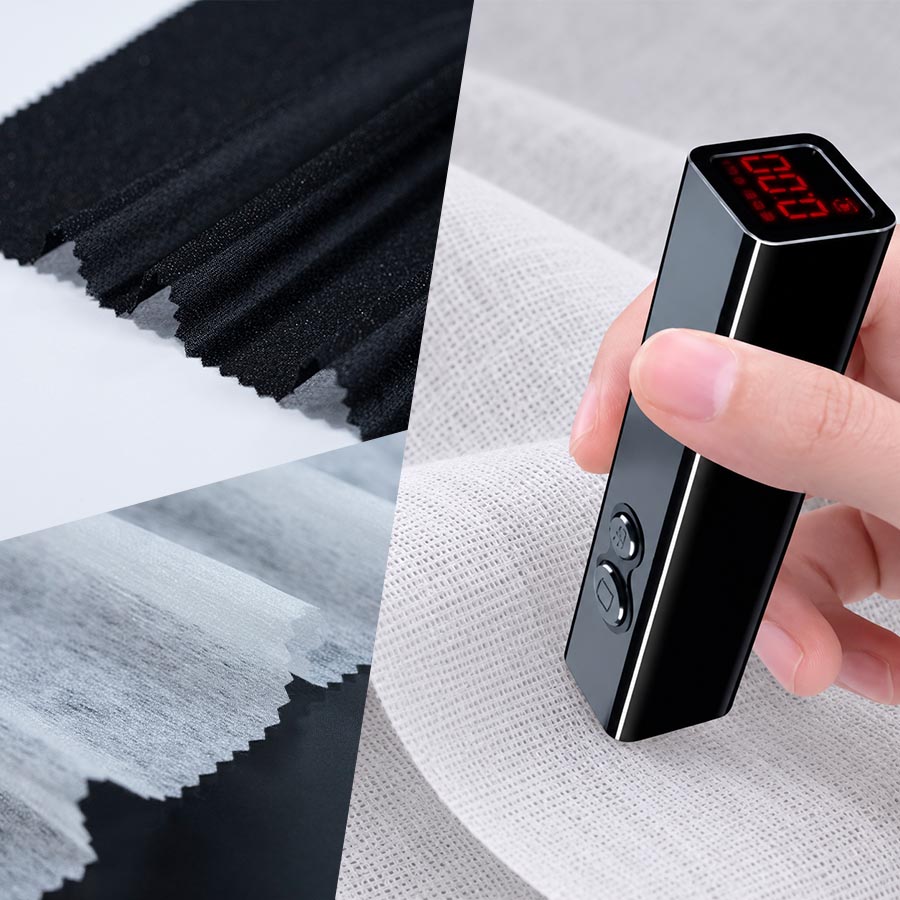
Fluorescence testing for interlining checks fluorescent whitening agents and helps buyers meet garment quality requirements.
-
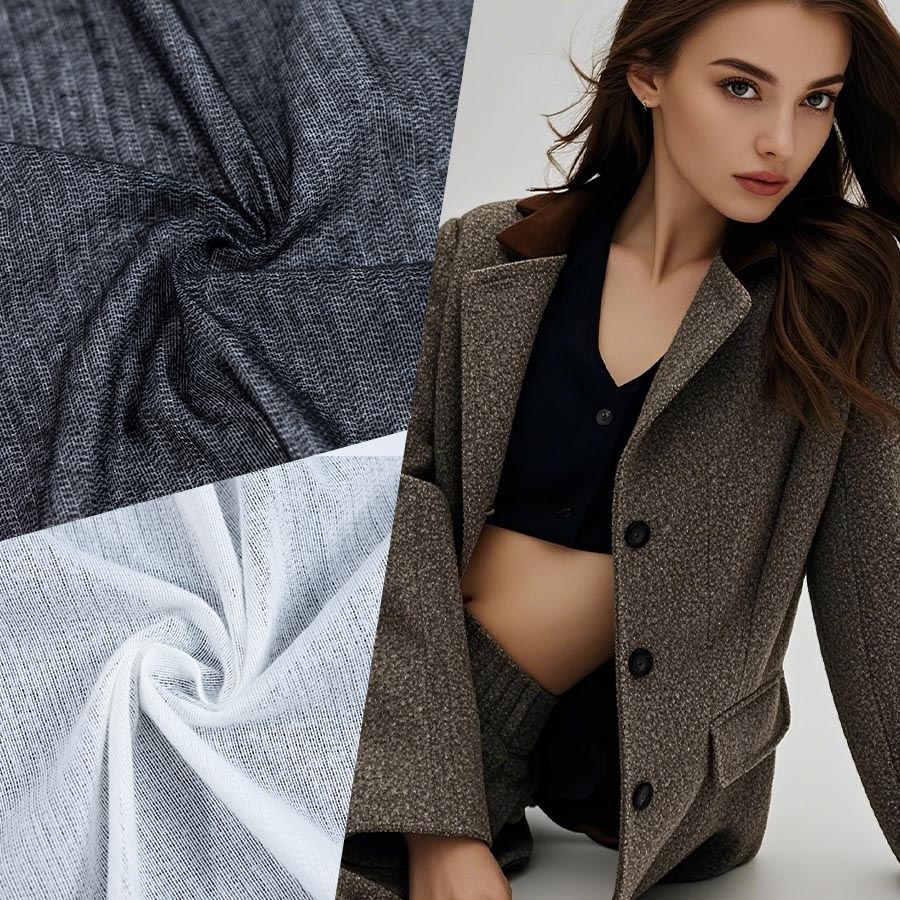
Interlining for wool coats should add shape without making the fabric stiff. Compare woven, napped, and hair interlining options.
-
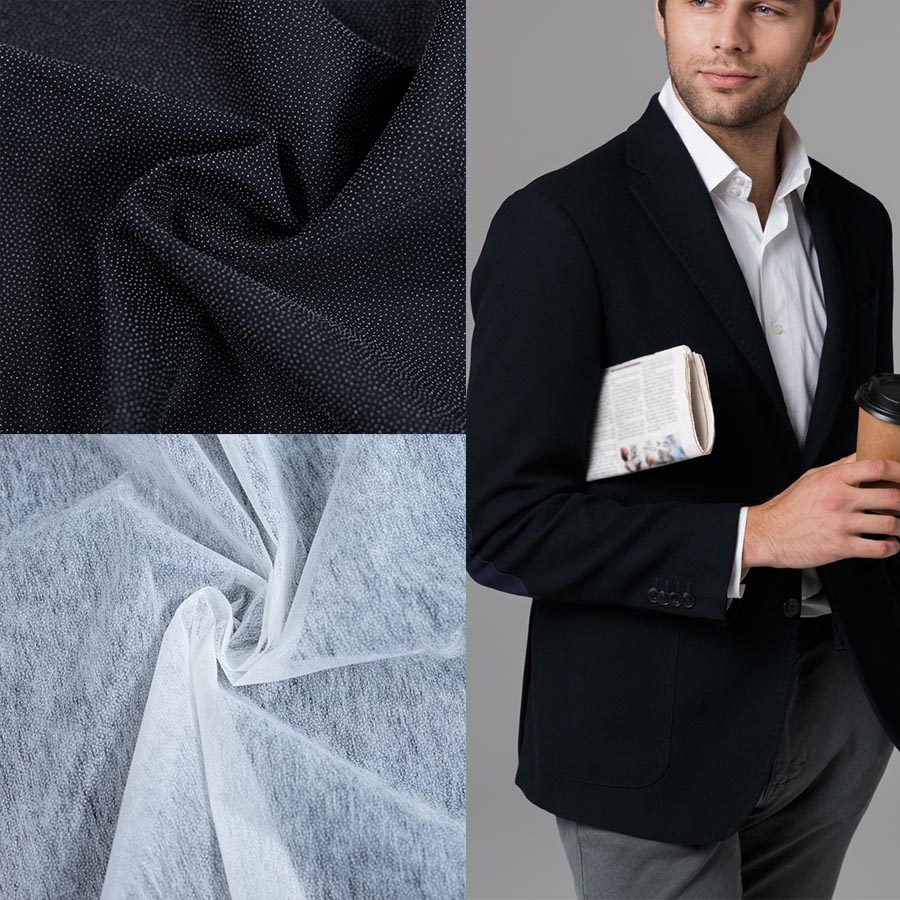
Microdot fusible interlinings use fine adhesive dots for smooth bonding, soft hand feel, and clean garment appearance.
.png)