
When Should You Use Heavy Interfacing?
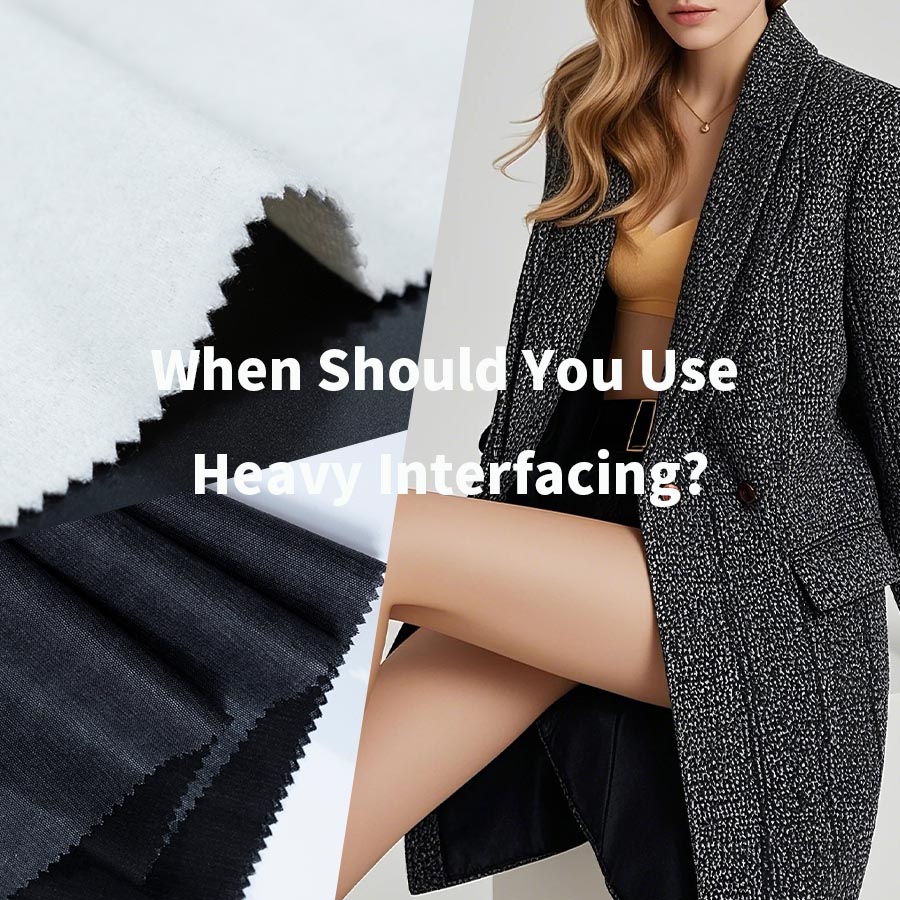
Sometimes fabric is too soft.
It folds too easily.
It does not hold shape.
This happens a lot in garment production.
You may see problems like:
- collars collapsing
- waistbands bending
- bag panels becoming soft
- garment fronts losing structure
When that happens, lightweight interfacing usually is not enough.
That is when people start looking for heavy interfacing.
It gives stronger support.
That is its main purpose.
What Is Heavy Interfacing?
Heavy interfacing is an interfacing material designed to provide more structure than standard interfacing.
It is used when fabric needs extra reinforcement.
Compared with lightweight or medium-weight interfacing, it gives:
- more stiffness
- more shape support
- better stability
It is often used in products that need to stay firm.
What Is Heavy Interfacing Used For?
In our experience, buyers usually choose heavy interfacing for one reason:
they need more support.
Common uses include:
Structured Garments
Used in:
- jackets
- coats
- uniforms
Helps garments hold shape.
Waistbands
Heavy fabrics often need stronger waistband support.
Heavy interfacing can help.
Collars and Cuffs
Some collars need to stay crisp.
A soft interfacing will not work.
Bags and Accessories
Very common.
Many bag makers use heavy interfacing to add body.
Craft and Home Sewing
Many home sewers also use it for projects that need structure.
Common Types of Heavy Interfacing
Heavy interlining is not one product.
There are different options.
Heavy Woven Interfacing
Usually stronger and more stable.
Good for:
- tailored garments
- structured jackets
Often preferred in formalwear.
Heavy Nonwoven Interfacing
Very common.
Advantages:
- cost effective
- easy to cut
- easy to fuse
Good for many applications.
Heavy Knit Interfacing
Used when support and stretch are both needed.
Less common, but useful.
Fusible Heavy Interfacing
Has adhesive coating.
Applied with heat.
Good for faster production.
Heavy vs Medium vs Light Interfacing
Many buyers ask this.
Here is a simple comparison.
| Type | Support Level | Common Use |
|---|---|---|
| Light | soft | shirts, dresses |
| Medium | balanced | general garments |
| Heavy | strong | coats, bags, waistbands |
Simple rule:
the softer the fabric, the more support it may need.
How to Choose Heavy Interfacing
Not every heavy interlining is right.
You need to match it.
Match the Fabric Weight
Heavy fabric usually needs heavy support.
Light fabric may become too stiff.
Always balance.
Check Final Hand Feel
Ask yourself:
Should it feel firm?
Or flexible?
That changes the choice.
Test Fusibility
If using fusible heavy interlining, always test:
- bonding
- bubbling
- shrinkage
before bulk production.
This avoids complaints later.
Check Washing Performance
Some projects need washing resistance.
Always confirm that first.
Common Buyer Mistakes
These happen often.
Choosing the Heaviest Option
Heavier is not always better.
Too much stiffness can damage garment comfort.
Ignoring Fabric Compatibility
Some fabrics cannot handle strong support.
Always sample test.
Focusing Only on GSM
Weight matters.
But structure matters too.
Do not choose by GSM alone.
FAQ
1. What is heavy interlining?
It is interfacing designed for stronger support.
2. Is heavy interlining always fusible?
No.
Both fusible and sew-in types exist.
3. Is heavy interlining used in bags?
Yes, very often.
4. Can it be used in garments?
Yes.
Especially coats and jackets.
5. Is woven better than nonwoven?
It depends on the application.
Both are used.
6. Does heavy mean thick?
Not always.
Some thin materials can still provide strong support.
7. Should I test before bulk order?
Yes.
Always recommended.
8. Can heavy interlining be washed?
Usually yes, but always test first.
Why Choose UNT?
Different projects need different support levels.
That is why choosing the right interfacing matters.
At UNT, we help customers match interlining materials to actual applications.
Our experience includes:
- woven interlining
- nonwoven interlining
- knit interlining
- heavy and lightweight options
Customers choose us because we offer:
- over 10 years of experience
- stable quality
- sampling support
- fast response
- reliable export service
We focus on solving material problems before production starts.
Contact Us
Shanghai Uneed Textile Co., Ltd
TEL: +86-21-33608891
FAX: +86-21-33608892
Email: info@uneed-tex.com
continue reading
Related Posts

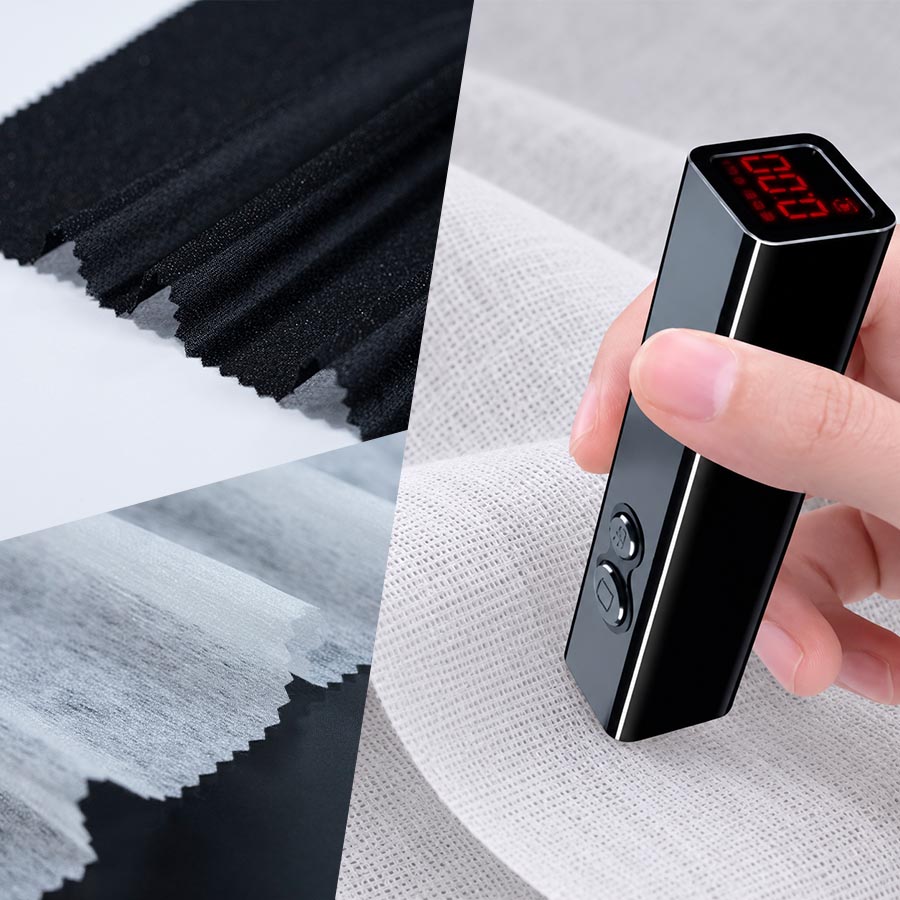
Fluorescence testing for interlining checks fluorescent whitening agents and helps buyers meet garment quality requirements.
-
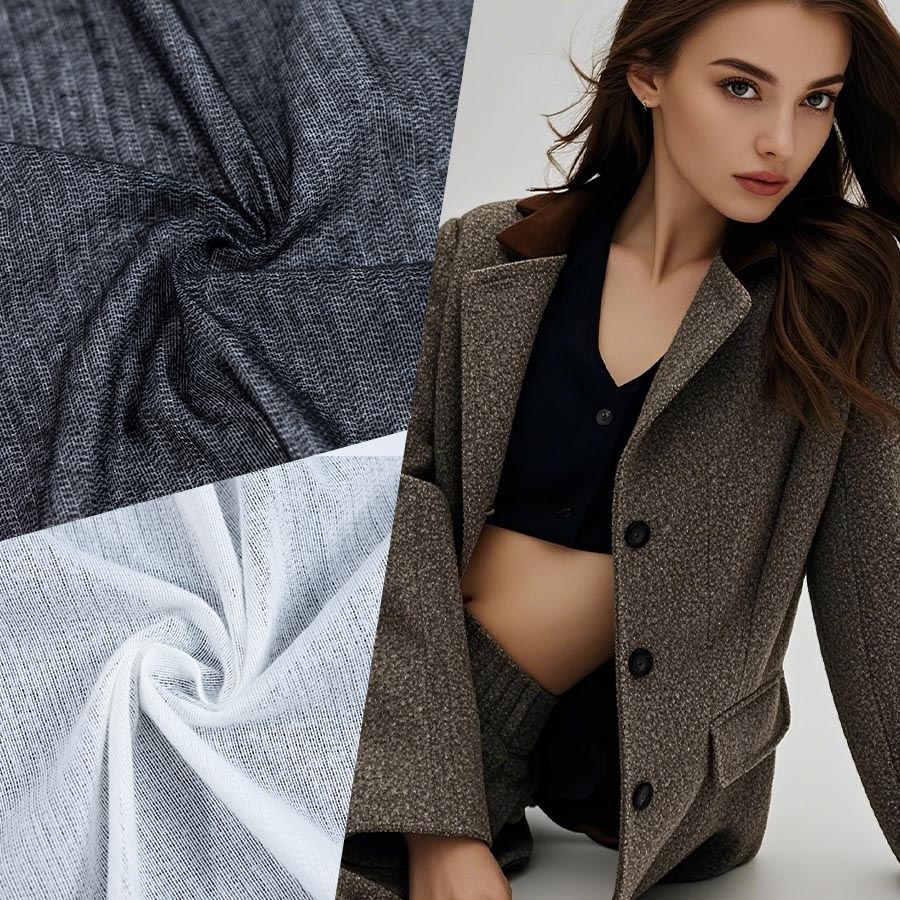
Interlining for wool coats should add shape without making the fabric stiff. Compare woven, napped, and hair interlining options.
-
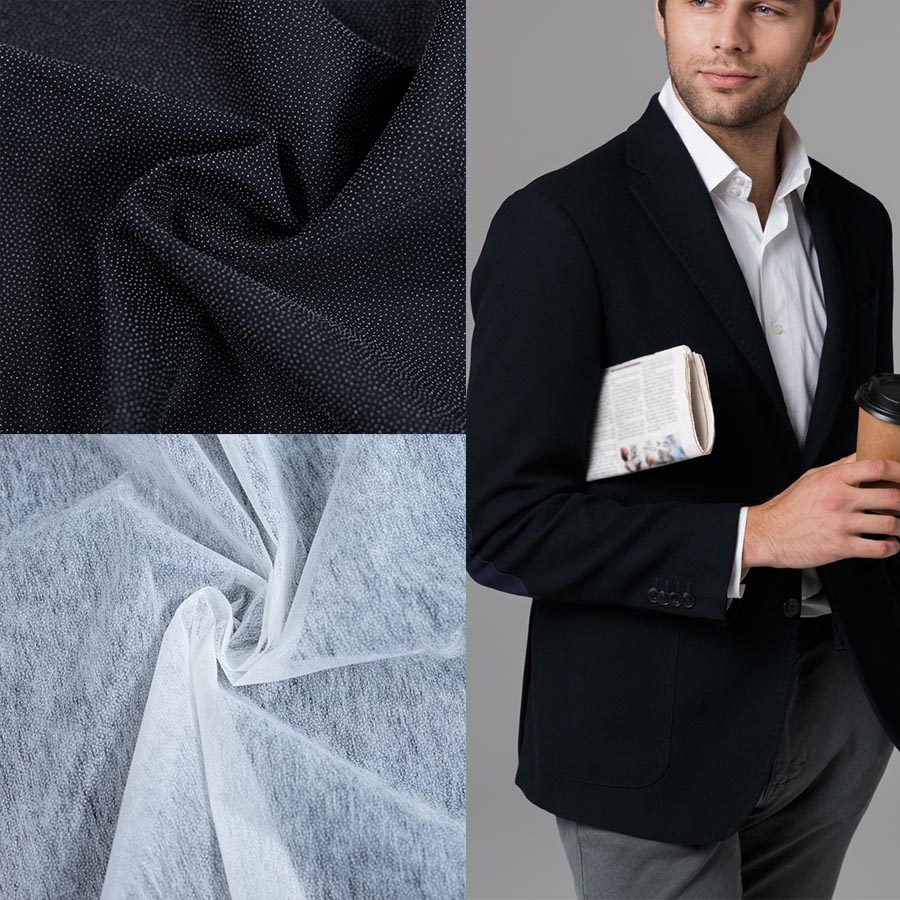
Microdot fusible interlinings use fine adhesive dots for smooth bonding, soft hand feel, and clean garment appearance.
.png)