
Chemical Bond vs Thermal Bond Nonwoven Interlining: How To Choose?
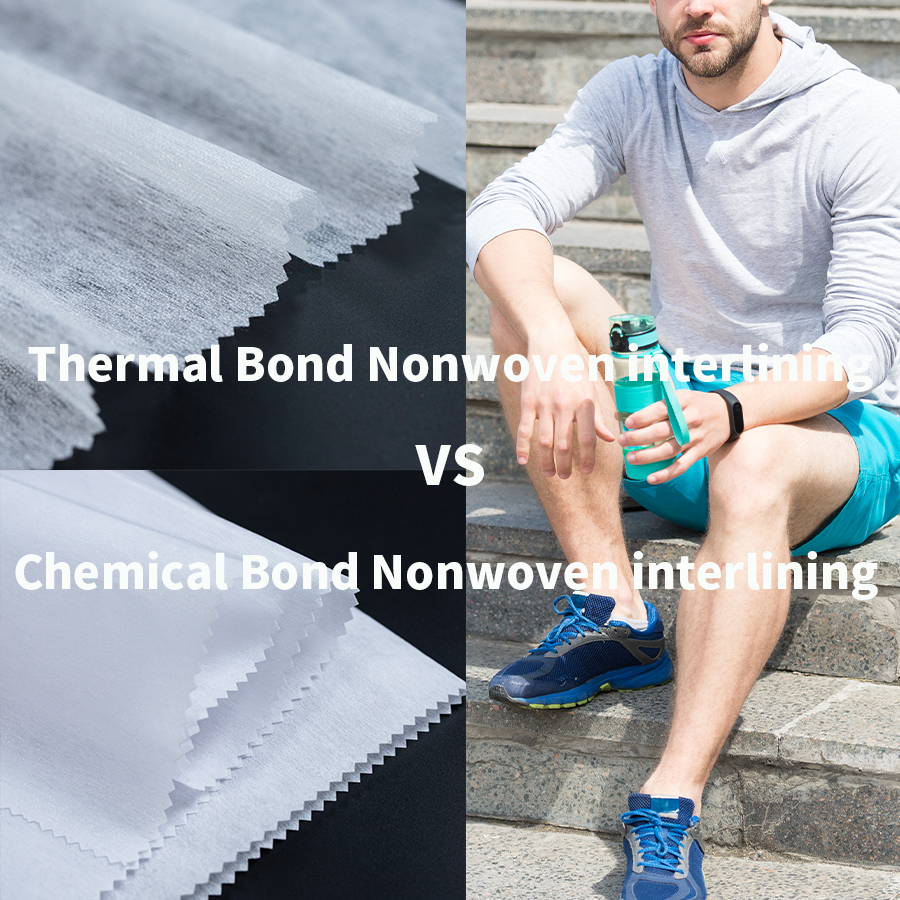
Chemical Bond vs Thermal Bond Nonwoven Interlining
In many orders, this question doesn’t come up at the beginning.
Buyers usually pick one type first—often thermal bond—because it’s more common and cost-friendly.
But after sampling, something feels off. The fabric becomes too stiff, or the final garment doesn’t match the original expectation.
That’s when the comparison starts:
Chemical Bond vs Thermal Bond Nonwoven Interlining,How should you choose?
What’s the Real Difference Between These Two?
On paper, both are nonwoven interlining. But in use, they behave quite differently.
The main difference comes from how the fibers are bonded.
- Thermal bond → fibers are fixed by heat
- Chemical bond → fibers are held together by a binder
That production difference directly affects how they feel and perform.
How Do They Feel in Real Use?
This is usually the first thing buyers notice during sampling.
Thermal Bond Nonwoven Interlining
- Feels more rigid
- Slightly “dry” or paper-like
- Holds shape better
Chemical Bond Nonwoven Interlining
- Feels softer
- More flexible
- Follows the fabric movement better
👉 In many cases, the decision is made just by hand feel.
When Do Buyers Choose Thermal Bond?
Thermal bond is often the starting point, especially for cost control.
Common reasons:
- Lower cost
- Stable structure
- Works well for basic garments
Typical use:
- Uniforms
- Basic shirts
- Mass production items
👉 If the garment needs some structure and cost matters, this is usually the first option.
When Do Buyers Switch to Chemical Bond?
This usually happens after testing.
Common situation:
A buyer uses thermal bond →
Finds the fabric too stiff →
Switches to chemical bond to improve feel
Typical use:
- Lightweight garments
- Casual wear
- Soft fabric applications
👉 It’s less about structure, more about keeping the original fabric feel.
Side-by-Side Comparison
| Feature | Chemical Bond Nonwoven | Thermal Bond Nonwoven |
|---|---|---|
| Bonding Method | Chemical binder | Heat bonding |
| Hand Feel | Soft | Slightly stiff |
| Flexibility | Higher | Lower |
| Structure Support | Light | Medium |
| Washing Resistance | Lower | Better |
| Cost | Slightly higher | Lower |
| Typical Use | Soft garments | Basic garments |
How to Decide in a Real Order?
Instead of only comparing specs, most experienced buyers look at these points.
1. What Does the Garment Need Most?
- Needs shape → go with thermal bond
- Needs softness → chemical bond is better
2. How Important Is Hand Feel?
If your product is sold based on comfort, this matters a lot.
Even small stiffness differences can affect customer feedback.
3. Will the Garment Be Washed Often?
Thermal bond usually performs better in repeated washing.
This is often overlooked during sampling.
4. Are You Trying to Control Cost?
If cost is tight, thermal bond is often the safer choice.
Common Mistakes Buyers Make
1. Choosing Only Based on Price
Lower cost upfront can lead to quality complaints later.
2. Skipping Fabric Testing
The same interlining behaves differently on different fabrics.
3. Ignoring End Use
A casual garment and a uniform don’t need the same solution.
FAQ
1. Which is softer, chemical bond or thermal bond?
Chemical bond is softer in most cases.
2. Which one is more durable?
Thermal bond usually performs better over time.
3. Can I use chemical bond for shirts?
Yes, especially for softer or casual styles.
4. Is thermal bond always cheaper?
In most cases, yes.
5. Which one is better for structured garments?
Thermal bond is the better choice.
6. Why does thermal bond feel stiff?
Because the fibers are fixed by heat, making the structure more rigid.
7. Do I need to test both?
Yes, especially if hand feel is important for your product.
8. What’s the safest way to choose?
Test both with your fabric and compare after fusing and washing.
Why Choose UNT (Shanghai Uneed Textile Co., Ltd)?
When comparing these two types, small differences can affect your final product more than expected.
At UNT, we help you test and choose based on your actual fabric, not just product specs.
- Over 10 years of experience in interlining
- Stable quality across different batches
- Sample support for side-by-side testing
- Full range of nonwoven interlining
- Reliable production and export delivery
We focus on helping you get the right result, not just supplying materials.
Contact Us
Shanghai Uneed Textile Co., Ltd
TEL: +86-21-33608891
FAX: +86-21-33608892
Email: info@uneed-tex.com
continue reading
Related Posts

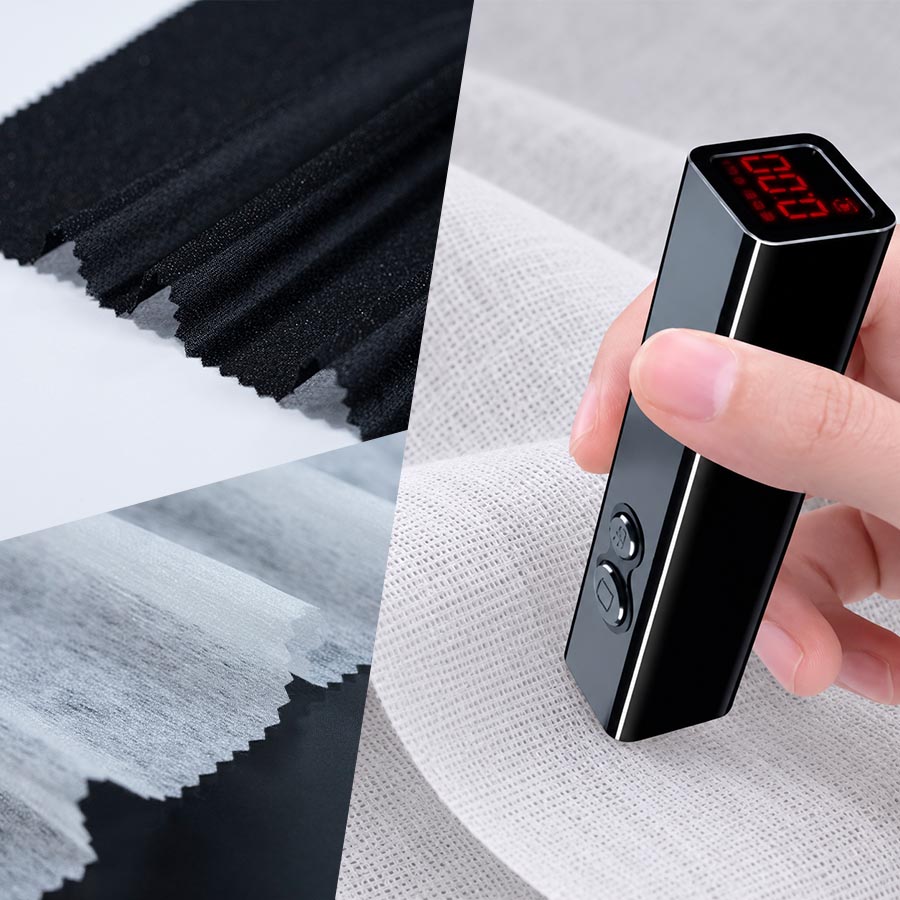
Fluorescence testing for interlining checks fluorescent whitening agents and helps buyers meet garment quality requirements.
-
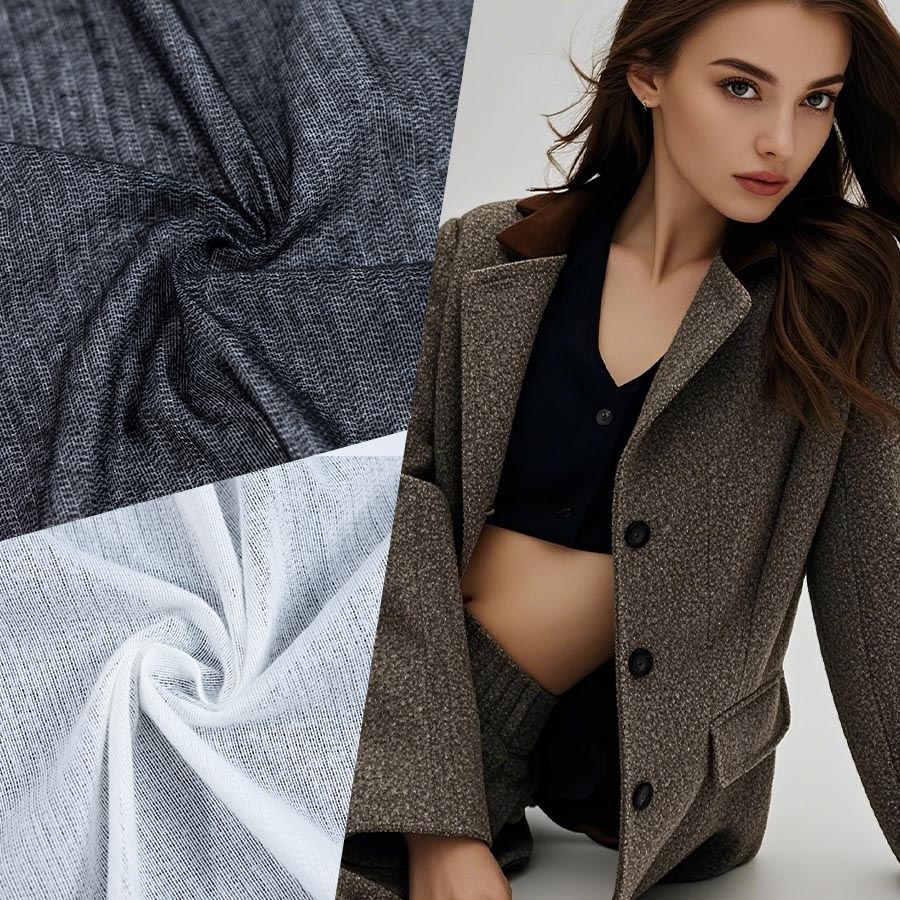
Interlining for wool coats should add shape without making the fabric stiff. Compare woven, napped, and hair interlining options.
-
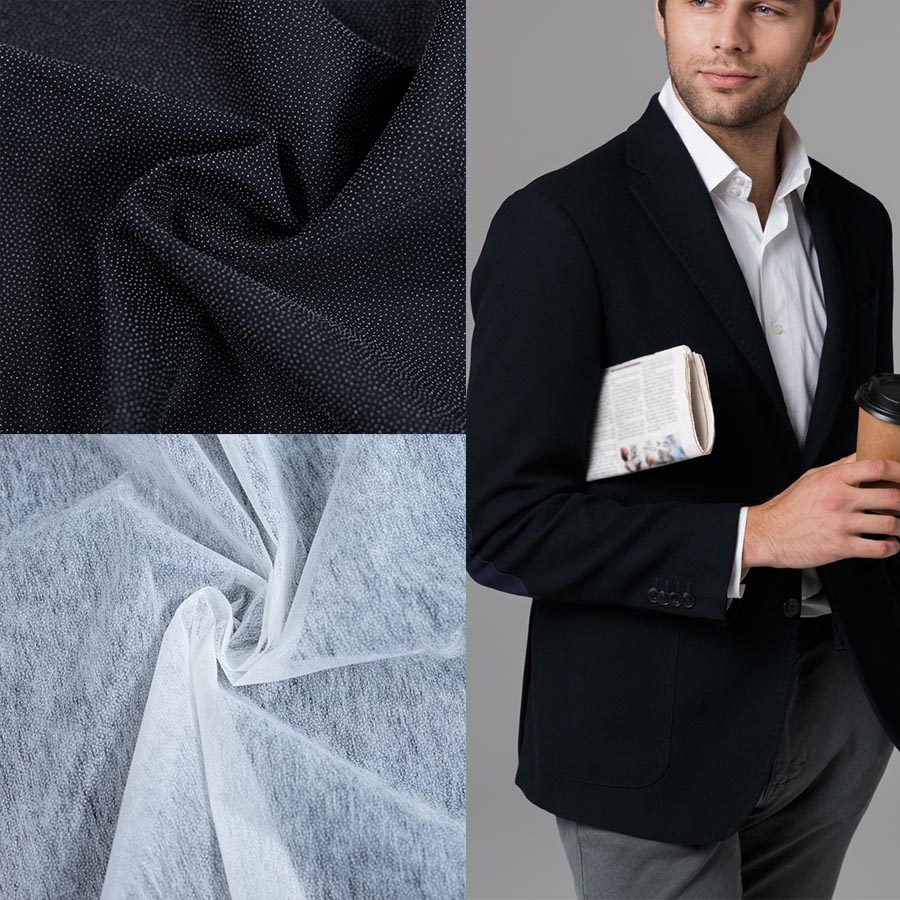
Microdot fusible interlinings use fine adhesive dots for smooth bonding, soft hand feel, and clean garment appearance.
.png)