
What Is Chemical Bond Non Woven Interlining?
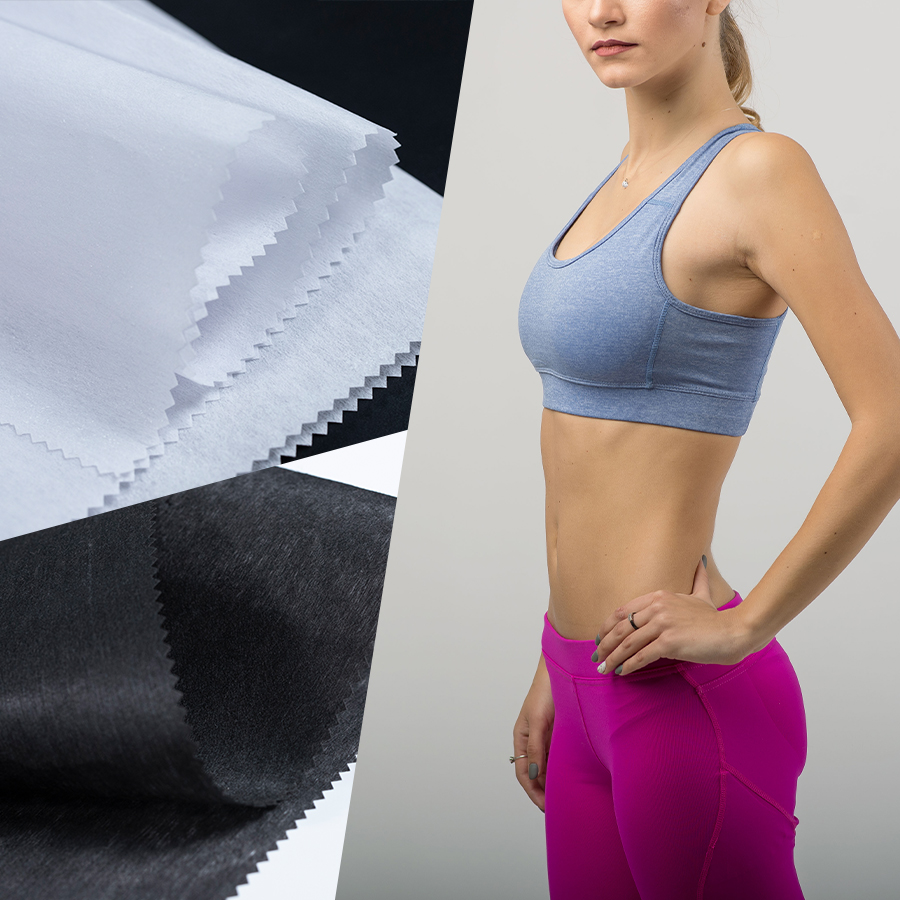
In many orders for lightweight garments, buyers don’t start with chemical bond non woven interlining.
Most of the time, they first try thermal bond. It’s more common and easier to source.
But then a problem shows up.
After fusing, the fabric feels a bit too stiff. The garment loses that soft touch they wanted.
That’s usually the point where they switch to chemical bond non woven interlining.
What Is Chemical Bond Non Woven Interlining?
Instead of using heat only, this type is made by adding a chemical binder to hold the fibers together.
That small difference in production changes how it behaves.
When you handle it, you’ll notice:
- It bends more easily
- It feels softer, not dry
- It follows the fabric instead of “pushing back”
If you compare samples side by side, most people can feel the difference right away.
Why Do Buyers Switch to This Type?
In real orders, this is rarely the first choice. It’s usually a “second step” after something doesn’t work.
1. When the Fabric Feels Too Stiff After Fusing
This is the most common situation.
A buyer uses thermal bond interlining, and everything looks fine at first.
But after fusing, the hand feel changes too much.
Instead of adjusting the whole process, switching to chemical bond is often easier.
2. When the Fabric Is Already Soft
If the outer fabric is soft (like lightweight cotton or blends), adding a stiff interlining creates a mismatch.
You end up with:
- Soft outside
- Hard inside
That doesn’t feel right in the final garment.
3. When the Garment Is Not Meant to Be Structured
Not every garment needs shape.
For casual styles or fashion pieces, too much structure can actually be a problem.
In these cases, buyers prefer something that supports lightly but doesn’t change the look.
Where Does It Work Well (and Where It Doesn’t)?
This is where mistakes often happen.
Works well for:
- Lightweight garments
- Casual wear
- Soft shirts (non-structured parts)
- Fashion items focused on comfort
Usually not a good choice for:
- Heavy coats
- Structured jackets
- Garments that need a sharp shape
👉 A simple way buyers judge this:
If the garment needs to “stand,” this is not the right type.
If it needs to “fall naturally,” it works.
How to Choose the Right One (Based on Real Orders)
Instead of just looking at specs, most experienced buyers check these first.
1. Try It on the Actual Fabric
This sounds basic, but many problems come from skipping this step.
The same interlining can feel very different depending on the fabric.
2. Check the Balance, Not Just Softness
Some buyers go too soft.
Then the garment loses support completely.
A better approach is:
- Keep the softness
- But still maintain a bit of structure
3. Think About Washing Early
This is often ignored at the sampling stage.
Chemical bond interlining is fine for light use,
but if the garment needs frequent washing, problems may show later.
Quick Comparison Table
| Feature | Chemical Bond Nonwoven | Thermal Bond Nonwoven | Woven Interlining |
|---|---|---|---|
| Hand Feel | Soft | Slightly stiff | Firm |
| Flexibility | Higher | Lower | Low |
| Washing Resistance | Lower | Medium | High |
| Typical Use | Light garments | Basic garments | Structured wear |
| Common Buyer Reason | Improve softness | Control cost | Add structure |
Common Problems Buyers Run Into
1. Using It Where Structure Is Needed
This usually leads to garments looking “flat” or without shape.
2. Ignoring Washing Requirements
Everything looks fine before washing, but performance drops later.
3. Going Too Light
Trying to keep everything soft, but ending up with no support at all.
FAQ
1. What is chemical bond non woven interlining?
It’s made using a chemical binder, which makes it softer than heat-bonded types.
2. Why do buyers switch from thermal bond to this?
Usually because thermal bond feels too stiff after fusing.
3. Can it be used for jackets?
Only for light jackets. Not suitable for structured ones.
4. Is it good for shirts?
Yes, but mainly for soft or casual styles.
5. Does it affect garment feel a lot?
Yes, it helps keep the original softness of the fabric.
6. What is the biggest risk when using it?
Not enough support, especially if the garment needs structure.
7. Can it handle washing?
Light washing is fine, but not frequent or heavy washing.
8. How do experienced buyers test it?
They fuse it with actual fabric and check both feel and post-wash performance.
Why Choose UNT (Shanghai Uneed Textile Co., Ltd)?
For this type of interlining, the biggest issue is not specs — it’s consistency.
In real orders, even a small change in softness can affect the final garment.
At UNT, we focus on keeping that stable.
- Over 10 years of experience in interlining
- Stable hand feel from sample to bulk
- Support for sample testing with your fabric
- Full range of nonwoven interlining options
- Reliable production and export delivery
We understand how small material changes affect garments, and we help you avoid those problems early.
Contact Us
Shanghai Uneed Textile Co., Ltd
TEL: +86-21-33608891
FAX: +86-21-33608892
Email: info@uneed-tex.com
continue reading
Related Posts

Fluorescence testing for interlining checks fluorescent whitening agents and helps buyers meet garment quality requirements.
-
Interlining for wool coats should add shape without making the fabric stiff. Compare woven, napped, and hair interlining options.
-
Microdot fusible interlinings use fine adhesive dots for smooth bonding, soft hand feel, and clean garment appearance.
.png)