
What Is Thermal Bond Nonwoven Interlining?
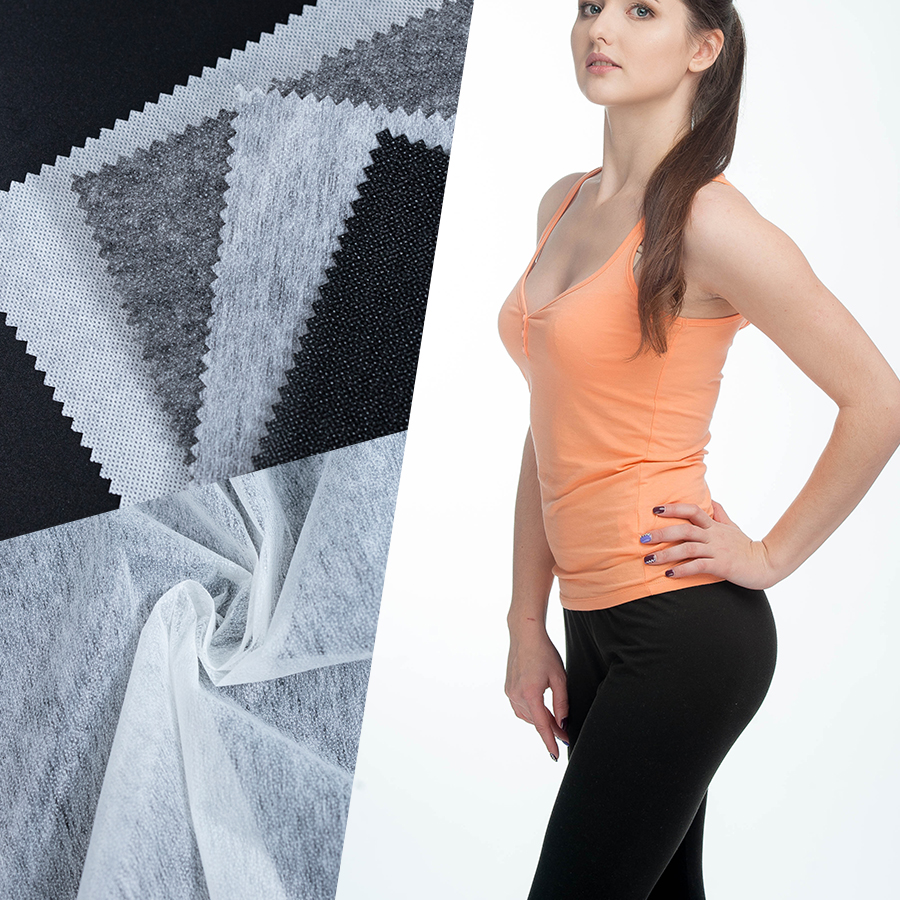
What Is Thermal Bond Nonwoven Interlining?
Simply put, this type of interlining is made by bonding fibers together using heat.
There’s no weaving or knitting involved. The fibers are pressed and fixed together during production.
Because of this process, the structure is:
- Simple
- Stable
- Cost-efficient
You can usually recognize it by its flat surface and slightly paper-like feel.
Why Do Many Buyers Choose This Type?
In real orders, especially large ones, cost and consistency matter a lot.
That’s where thermal bond nonwoven interlining fits in.
1. Lower Cost
Compared with woven or knit interlining, this type is more budget-friendly.
That’s why it’s widely used in mass production.
2. Stable Structure
It doesn’t stretch much, which can actually be a good thing.
For some garments, stability is more important than flexibility.
3. Easy to Use in Production
It works well with standard fusing machines and doesn’t require special handling.
Where Is It Commonly Used?
This type is mainly used in products where the structure requirement is not too high.
Typical applications:
- Casual garments
- Uniforms
- Basic shirts
- Low to mid-range apparel
Not ideal for:
- High-end suits
- Luxury garments
- Products that require a very soft hand feel
👉 In short:
good for cost control, not for premium feel
How to Choose Thermal Bond Nonwoven Interlining?
Even though it’s a basic type, you still need to choose carefully.
1. Weight (GSM)
Different weights give different levels of support.
Lighter ones are softer, heavier ones are stiffer.
2. Coating Type
The adhesive coating affects bonding strength and washing performance.
This is important if the garment will be washed often.
3. End Use
Think about how the garment will be used.
If it needs to look premium, this may not be the best choice.
Quick Comparison Table
| Feature | Thermal Bond Nonwoven | Woven Interlining | Warp Knit Interlining |
|---|---|---|---|
| Structure | Bonded fibers | Woven | Knitted |
| Cost | Low | Medium to high | Medium |
| Flexibility | Low | Low | Medium |
| Hand Feel | Basic | Firm | Softer |
| Best Use | Mass garments | Structured wear | Comfortable garments |
Common Issues to Watch Out For
1. Too Stiff for Some Fabrics
If the weight is too high, it can affect the garment feel.
2. Lower Durability
Compared with woven types, it may not hold up as well over time.
3. Bonding Problems
Wrong fusing conditions can lead to peeling or bubbling.
FAQ
1. What is thermal bond nonwoven interlining?
It’s a type of interlining made by bonding fibers together using heat.
2. Is it cheaper than woven interlining?
Yes, it’s generally more cost-effective.
3. Can it be used for high-end garments?
Not recommended. It’s more suitable for basic products.
4. Is it durable?
It depends on the quality, but usually less durable than woven types.
5. Does it stretch?
Very little. It’s mostly stable.
6. Is it suitable for shirts?
Yes, especially for basic or low-cost shirts.
7. What affects its performance most?
The weight and adhesive coating.
8. How do I avoid quality issues?
Test before bulk production and confirm fusing conditions.
Why Choose UNT (Shanghai Uneed Textile Co., Ltd)?
For products like thermal bond nonwoven interlining, consistency matters more than anything else.
At UNT, we focus on stable supply for bulk orders.
- Over 10 years of experience in interlining
- Consistent quality across batches
- Sample support for testing
- Flexible production capacity
- Reliable export and delivery
We understand that small cost differences can affect your final pricing, so we help you find the right balance.
Contact Us
Shanghai Uneed Textile Co., Ltd
TEL: +86-21-33608891
FAX: +86-21-33608892
Email: info@uneed-tex.com
continue reading
Related Posts

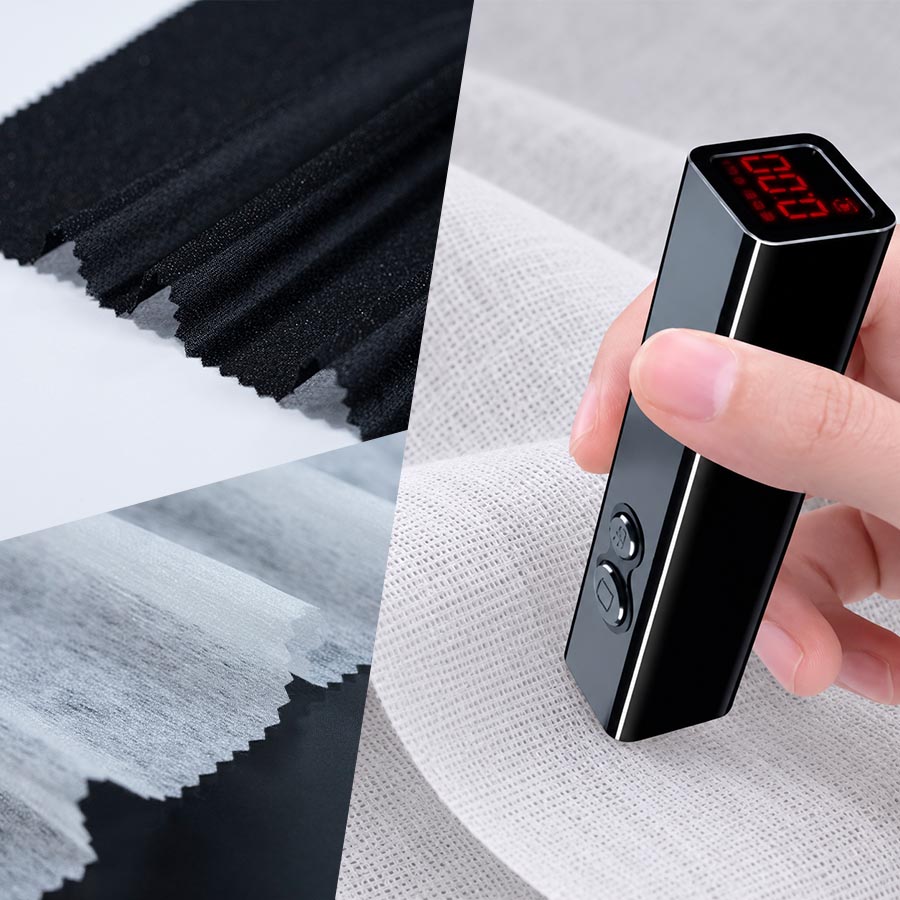
Fluorescence testing for interlining checks fluorescent whitening agents and helps buyers meet garment quality requirements.
-
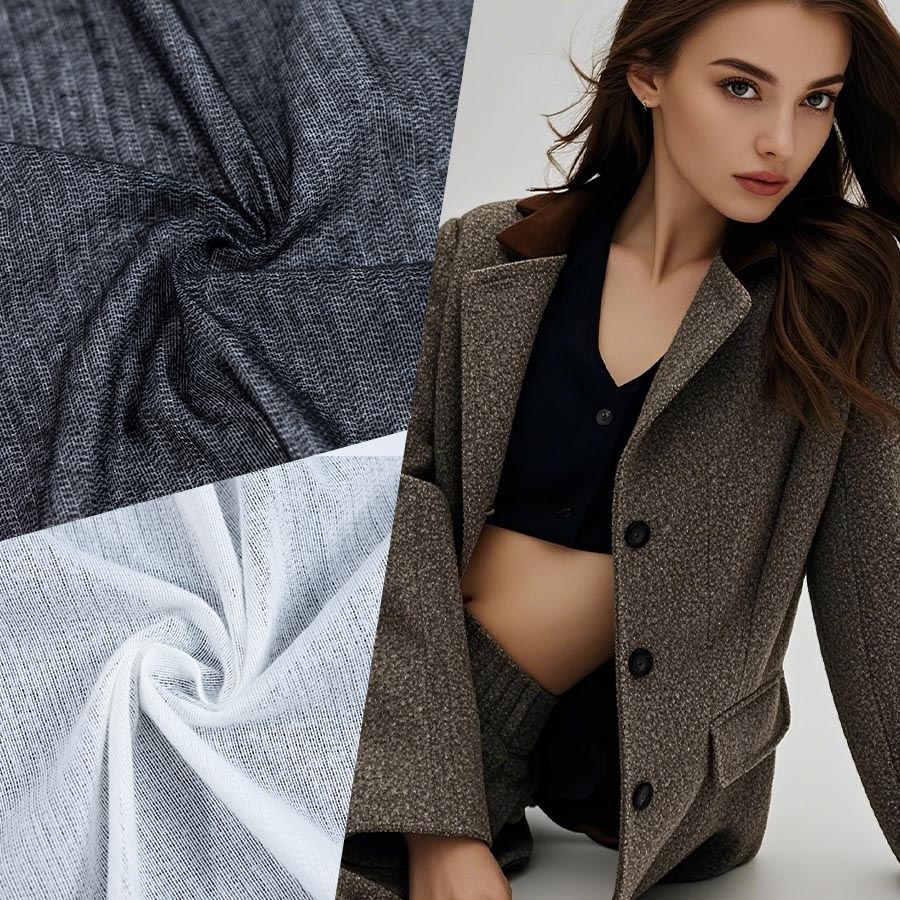
Interlining for wool coats should add shape without making the fabric stiff. Compare woven, napped, and hair interlining options.
-
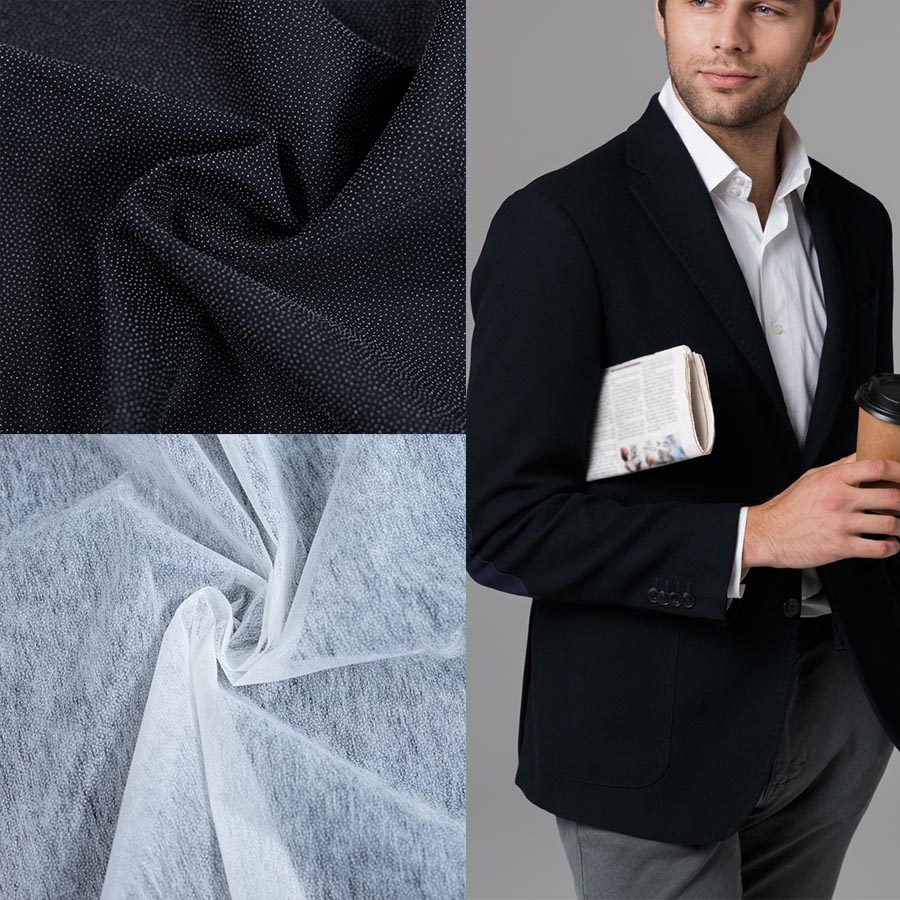
Microdot fusible interlinings use fine adhesive dots for smooth bonding, soft hand feel, and clean garment appearance.
.png)