
How Do Hair Interlining and Horse Hair Interlining Differ?
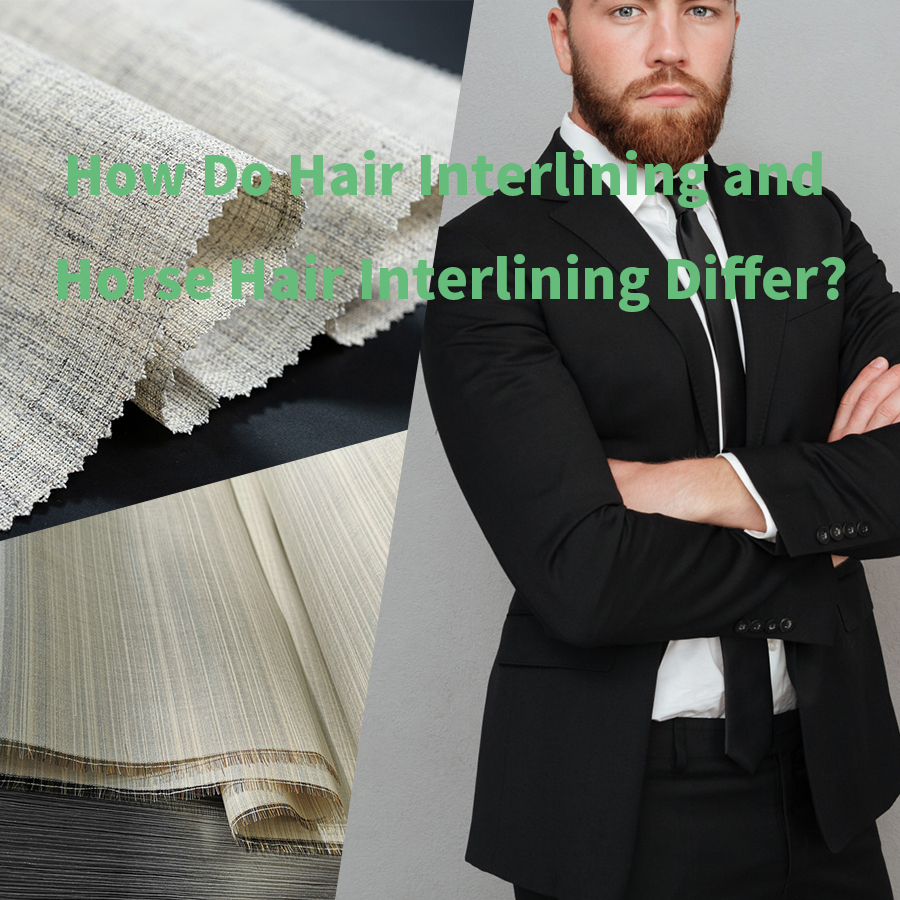
This article compares hair interlining and horse hair interlining in terms of material composition, structure, performance, and garment applications, helping manufacturers and tailors choose the right interlining for different types of tailored garments.
What Is Hair Interlining?
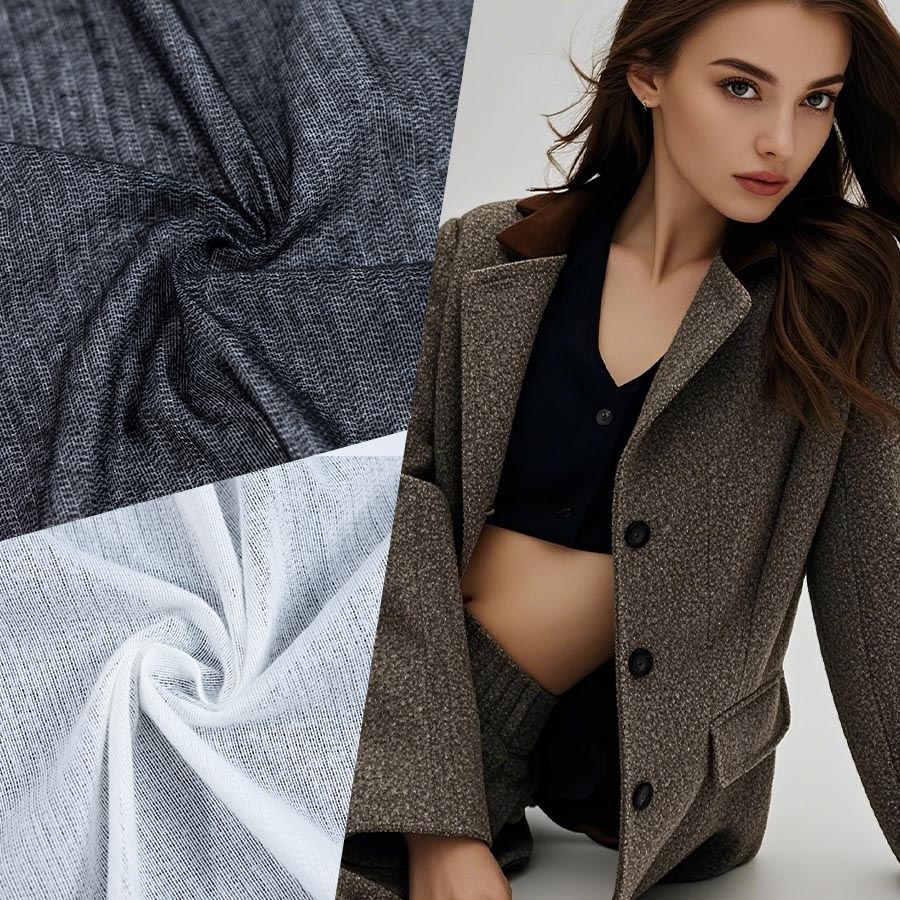
Hair interlining, also commonly known in tailoring as canvas interlining, is a structured woven interlining used in high-quality suit and coat construction. It is produced through a woven process, where the warp yarn (length direction) is typically 100% cotton, and the weft yarn (width direction) consists of blended natural or regenerated fibers such as goat hair, yak hair, human hair, viscose, polyester, nylon, or horsehair, depending on performance requirements.
In practice, the most common and widely used composition includes cotton, polyester, viscose, and wool, offering a balance of hand feel, shaping support, and durability.
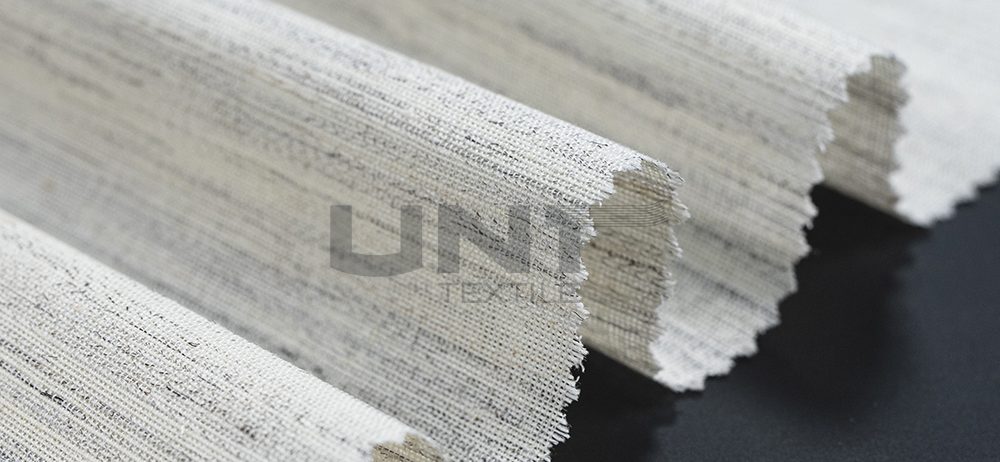
Key Characteristics of Hair Interlining:
-
Breathable and Comfortable: Natural fibers provide good air circulation.
-
Moderate Structural Support: Adds shape without excessive stiffness.
-
Good Elastic Recovery: Maintains garment silhouette through daily wear.
-
Easy to Shape and Sew: Suitable for professional tailoring and garment workshops.
Applications:
-
Men’s and women’s suits
-
Business jackets
-
Coats and outerwear front panels
-
Lapels and collar chest shaping
Hair interlining is flexible in use — it can be used alone or paired with horse hair interlining when heavier support or layered shaping is needed. This makes it an ideal premium interlining for structured yet comfortable garments.
What Is Horse Hair Interlining?
Horse hair interlining, also known as horsehair canvas, is regarded as a luxury tailoring interlining. It is woven with genuine horsehair as the weft yarn, while the warp yarn is commonly cotton or polyester. Production may be handwoven or semi-mechanized, depending on the region and quality grade.
Because real horsehair has limited natural length, manufacturers often wrap horsehair with cotton to form artificial horsehair yarn, enabling the weaving of wider-width fabric, improving efficiency while maintaining the fiber’s natural spring and resilience.
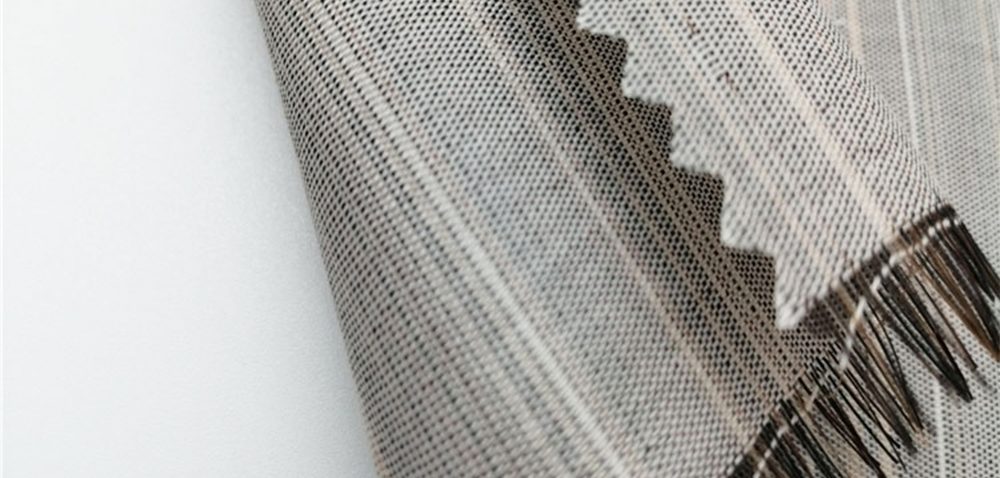
Key Performance Features:
-
Strong Elasticity and Signature Spring: Clearly defined shaping effect.
-
Firm Structure and Silhouette Retention: Ideal for sharply tailored garments.
-
Excellent Wrinkle Resistance and Dimensional Stability.
-
Breathable, Low Shrinkage, and Works Well Under Steam Pressing.
Applications:
Horse hair interlining is mainly used in premium custom tailoring, especially:
-
Suit chest panels
-
Coat front construction
-
Shoulder shaping
-
Armhole reinforcement
It provides garments with crisp drape, firm outline, and long-term structural stability.
Key Differences Between Hair Interlining and Horse Hair Interlining
| Feature | Hair Interlining | Horse Hair Interlining |
|---|---|---|
| Fiber Composition | Cotton + wool + viscose + blended animal fibers | Higher content of real horsehair + cotton/poly warp |
| Hand Feel | Soft to moderately firm | Firm, springy, highly structured |
| Support Level | Medium shaping support | Strong shaping, sculpted tailoring |
| Comfort Level | Suitable for everyday wear | More formal, structured feel |
| Typical Use | Business suits and medium-weight coats | Luxury bespoke suits and high-structure coats |
In simple terms:
-
Hair interlining = Comfort + shape + natural drape
-
Horse hair interlining = Firm structure + sharp lines + long-term shaping
How to Choose Between the Two?
| Garment Requirement | Recommended Interlining |
|---|---|
| Everyday suits where comfort matters | Hair Interlining |
| Luxury coats requiring strong silhouette | Horse Hair Interlining |
| Light-to-medium weight fabrics | Hair Interlining |
| Heavy wool fabrics with structured styling | Horse Hair Interlining |
FAQ
Q1: Is horse hair interlining uncomfortable?
Not necessarily, but it does create a firmer, more structured tailoring effect.
Q2: Can hair interlining be used in women’s garments?
Yes. It is widely used in women’s coats, suits, and structured dresses.
Q3: Are both interlinings eco-friendly?
Both use natural fibers, but sustainability depends on responsible sourcing.
Q4: Which interlining holds shape longer?
Horse hair interlining typically retains shaping longer due to stronger elasticity.
Q5: Are these interlinings fusible?
No. Both are sewn-in to preserve natural shaping performance.
Why Choose Shanghai Uneed Textile Co., Ltd.
Shanghai Uneed Textile Co., Ltd. provides stable, professional-grade interlining for garment manufacturers, tailoring houses, and fashion brands.
Our Advantages:
-
Reliable Fiber Sourcing and Quality Control
-
Balanced Elasticity and Structure for Natural Shaping
-
Multiple Grades and Widths for Different Tailoring Needs
-
Technical Guidance for Garment Pattern and Pressing Methods
-
Stable Global Supply + Fast Communication + Export Experience
We support our customers in producing garments that are structured, comfortable, and long-lasting.
continue reading
Related Posts

Fluorescence testing for interlining checks fluorescent whitening agents and helps buyers meet garment quality requirements.
-
Interlining for wool coats should add shape without making the fabric stiff. Compare woven, napped, and hair interlining options.
-
Microdot fusible interlinings use fine adhesive dots for smooth bonding, soft hand feel, and clean garment appearance.
.png)