
How Do You Choose Double Sided Fusible Interlining?
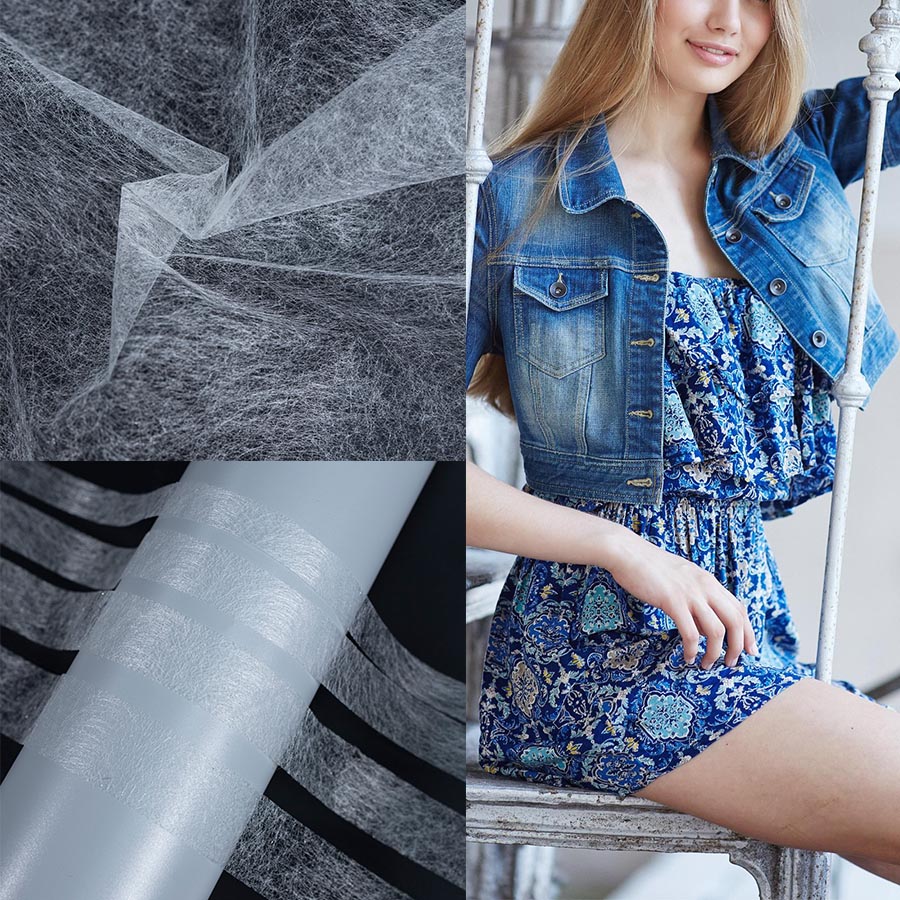
When buyers ask for double sided fusible interlining, they are often looking for hot melt adhesive web rather than a traditional interlining coated with glue on both sides.
The product is a thin web made from hot melt adhesive. It is placed between two materials and activated by heat and pressure.
After melting, the adhesive bonds both layers together.
The basic structure is:
Fabric + Hot Melt Adhesive Web + Fabric
Because there is no woven or nonwoven carrier in the middle, the finished laminate can remain relatively soft and flexible.
The main question is not simply which GSM to buy. Buyers should first consider the adhesive material, the two surfaces being bonded, washing requirements, and bonding conditions.
Which Adhesive Material Should You Choose?
UNT supplies several common hot melt adhesive web materials, including PA, PES, TPU and EVA.
Each one behaves differently.
| Material | Main Character | Typical Application |
|---|---|---|
| PA | Good textile bonding and flexibility | Garments, embroidery, leather and textile lamination |
| PES | Stable bonding for many textile applications | Polyester fabrics and garment lamination |
| TPU | Soft, flexible and suitable for movement | Stretch fabrics, foam and flexible laminates |
| EVA | Practical and economical | General textile and lamination applications |
This table is only a starting point.
The final choice should be confirmed with the actual materials being bonded.
PA Hot Melt Adhesive Web
PA is commonly used for textile bonding.
It is suitable for many garment, embroidery and fabric lamination applications where the buyer needs both bonding strength and flexibility.
PES Hot Melt Adhesive Web
PES is often considered for polyester-based fabrics and other textile applications.
It can be a useful option when stable bonding and wash performance are important.
TPU Hot Melt Adhesive Web
TPU is more flexible.
It is often selected when the finished material needs to bend, stretch or remain soft after bonding.
This makes it useful for stretch fabrics, foam laminates and some functional textile applications.
EVA Hot Melt Adhesive Web
EVA is used for general bonding applications and can offer a competitive-cost solution.
Its suitability still depends on the fabric surface, heat resistance and care requirements.
What Does GSM Change?
GSM shows how much adhesive is used per square meter.
A heavier web normally contains more adhesive, but more is not always better.
Too much adhesive may:
- make the laminate harder;
- reduce breathability;
- increase cost;
- penetrate lightweight fabric;
- affect surface appearance.
Too little adhesive may lead to weak bonding.
For thin garment fabrics, a lighter web may already be enough. Thick, porous or difficult materials may need more adhesive or a different polymer.
This is why GSM should be selected together with the adhesive type.
What Affects Bonding Strength?
Three factors are especially important.
Temperature
The adhesive must reach the correct activation range.
If the temperature is too low, it may not melt sufficiently. If it is too high, the outer fabric may shrink, discolor or change hand feel.
Pressure
Pressure helps the melted adhesive contact both surfaces.
Uneven pressure can cause weak areas.
Time
The materials need enough time under heat and pressure for proper bonding.
Temperature, pressure and time should always be tested together rather than adjusted separately.
Where Is Double Sided Fusible Interlining Used?
Hot melt adhesive web can be used in many textile and flexible material applications, including:
- garment lamination;
- embroidery patches;
- badges and labels;
- leather and fabric bonding;
- shoe materials;
- bags and luggage;
- foam and textile lamination;
- home textiles;
- automotive interior materials;
- composite fabrics.
The product range is broad, so the same specification should not be used for every application.
A web used for a lightweight garment may not work well for foam or leather.
What Should Be Tested Before Bulk Production?
For this product, bonding tests are more useful than judging the roll by appearance.
Important checks include:
- peel strength;
- bonding strength;
- melting and activation temperature;
- bonding temperature;
- pressure and time;
- wash resistance;
- dry-cleaning performance where required;
- heat resistance;
- GSM;
- width;
- appearance after bonding.
If the finished product will be washed, the laminated sample should be tested after washing.
A strong initial bond does not always mean the product will remain stable during use.
Common Problems
The Layers Peel Apart
Possible reasons include unsuitable adhesive material, low temperature, insufficient pressure, short bonding time or too little adhesive.
Adhesive Shows Through the Fabric
The GSM may be too high, or the fusing temperature and pressure may be excessive for the fabric.
The Laminate Feels Too Hard
The adhesive weight may be too high, or the selected polymer may not match the required hand feel.
Bonding Weakens After Washing
The adhesive may not match the required care conditions.
Wash performance should therefore be checked during sample development.
Common Questions
Is double sided fusible interlining a traditional interlining?
In many purchasing markets, this name is used for hot melt adhesive web. Technically, it is an adhesive bonding material rather than a conventional woven or nonwoven interlining.
Does it have glue on both sides?
The whole web is made from hot melt adhesive. When heated between two materials, it bonds both surfaces.
Which material is best for garments?
PA and PES are commonly used for textile bonding. TPU is useful when greater softness or flexibility is required.
Is higher GSM always stronger?
No. Adhesive type, fabric surface and bonding conditions also affect strength.
Can you help select the right specification?
Yes. The two materials to be bonded, washing requirement, required hand feel and current bonding conditions are useful for selecting a suitable sample.
Why Choose UNT?
UNT supplies PA, PES, TPU and EVA hot melt adhesive web with customized GSM, width, roll length, packaging and bonding requirements. OEM and ODM are available.
Testing can include peel strength, bonding strength, activation temperature, heat resistance, wash performance, GSM, width, and bonding temperature/pressure/time.
- Samples: normally within 3 days
- Stock orders: normally 3–7 days
- Customized orders: normally 7–15 days
Available certification includes OEKO (SH001 285226) and GRS (BVC-TE-00011147-GRS-2602-50007497-V1.0), subject to product applicability.
Contact Us
Shanghai Uneed Textile Co., Ltd
TEL: +86-21-33608891
FAX: +86-21-33608892
Email: info@uneed-tex.com
continue reading
Related Posts

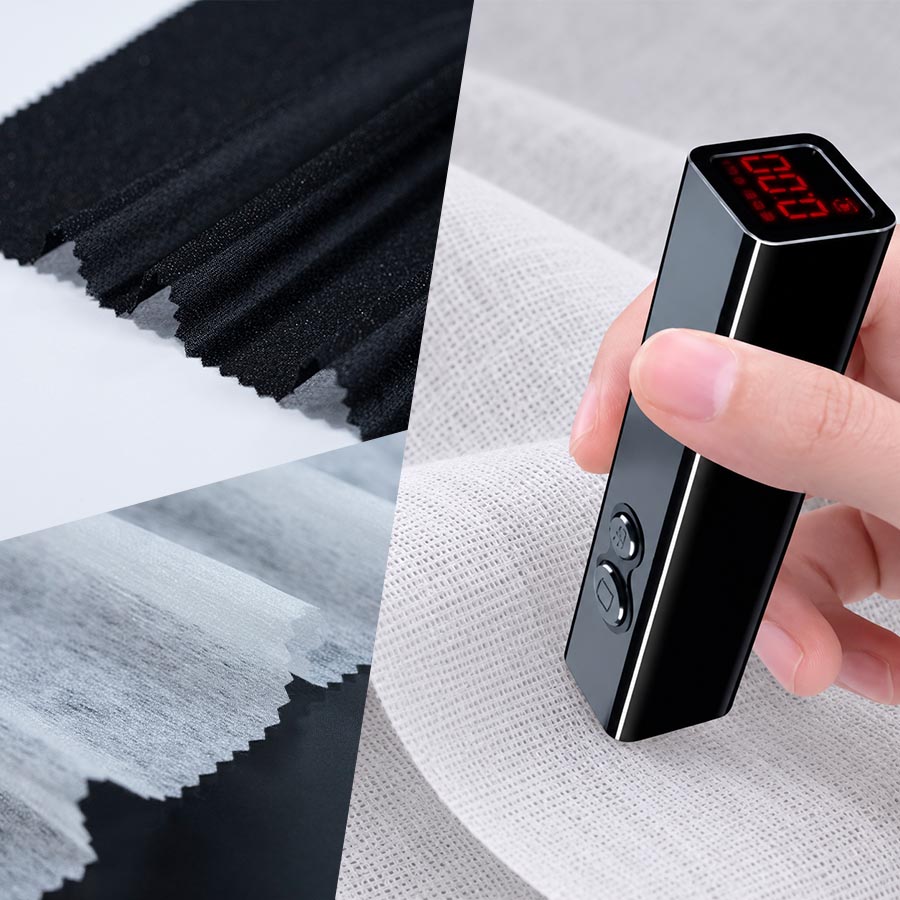
Fluorescence testing for interlining checks fluorescent whitening agents and helps buyers meet garment quality requirements.
-
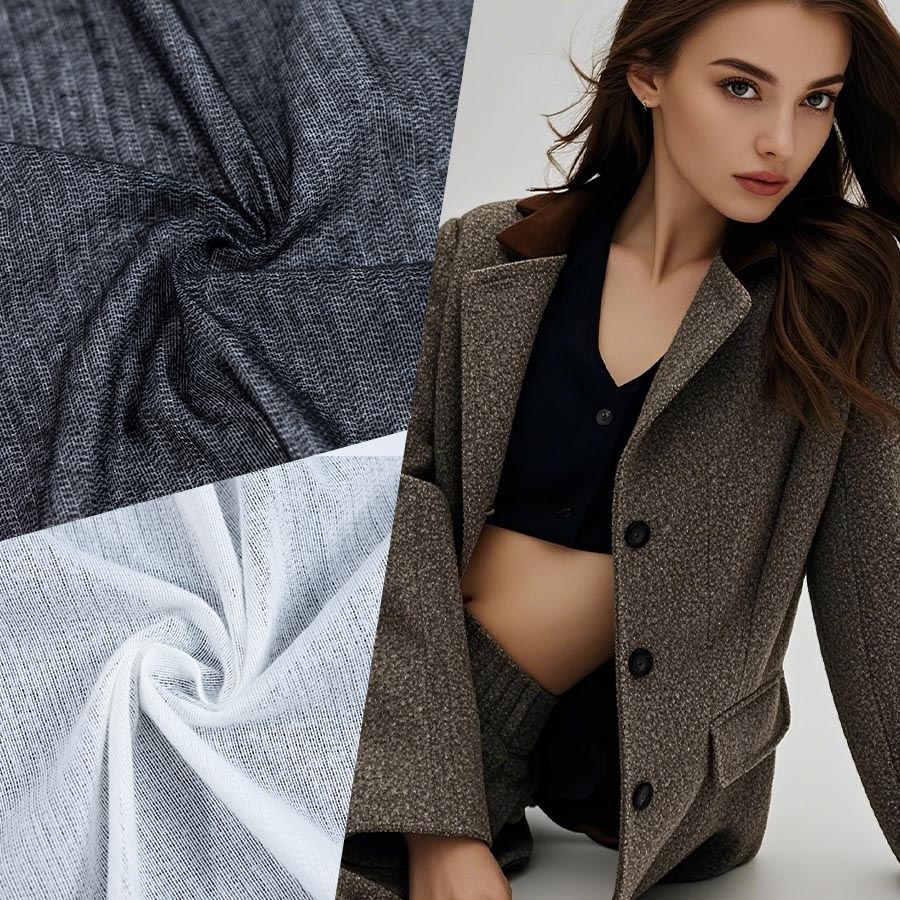
Interlining for wool coats should add shape without making the fabric stiff. Compare woven, napped, and hair interlining options.
-
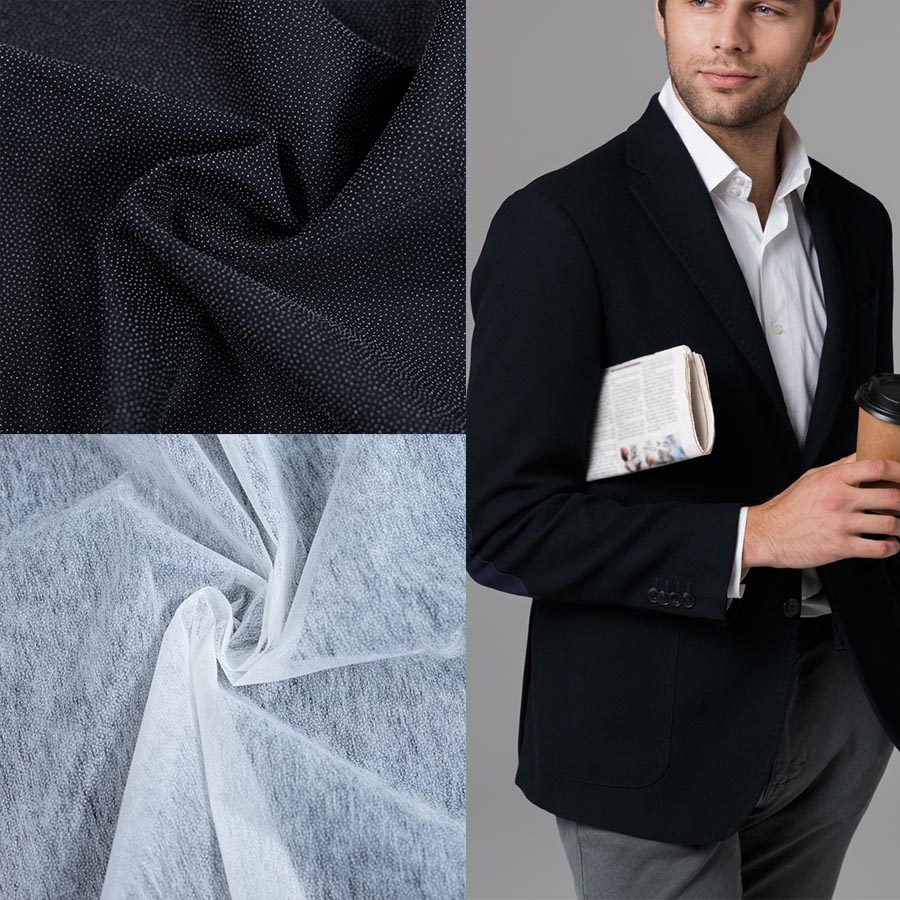
Microdot fusible interlinings use fine adhesive dots for smooth bonding, soft hand feel, and clean garment appearance.
.png)