
How Do You Choose Interlining Fabric?
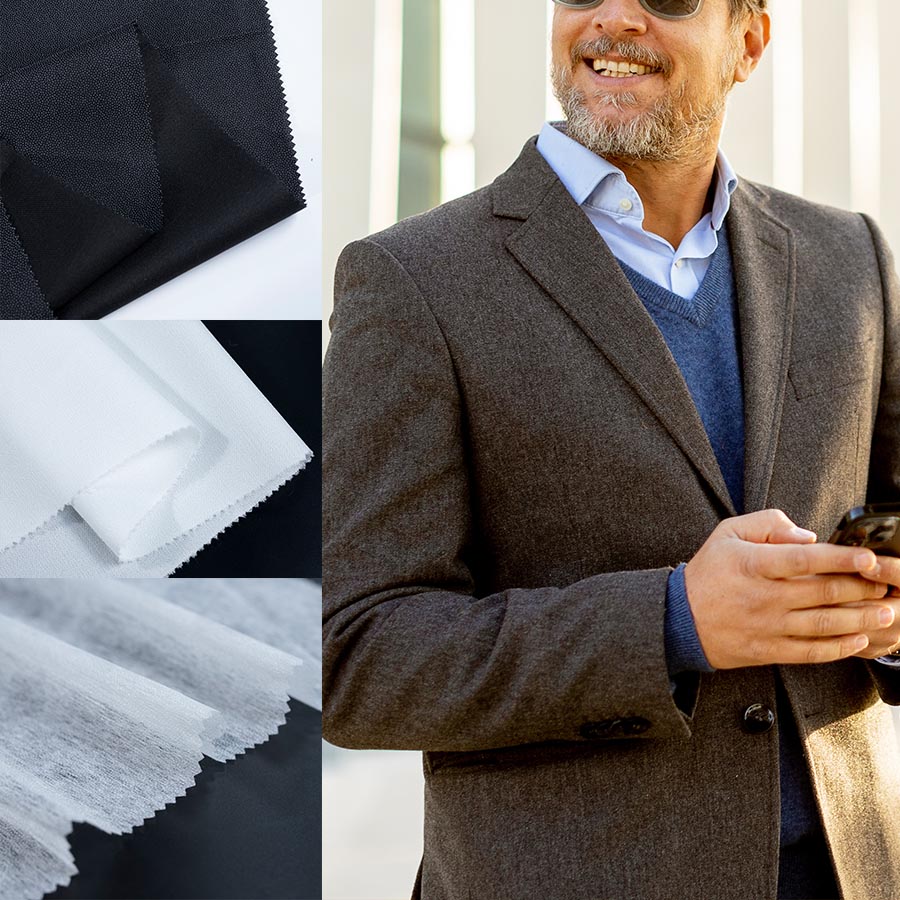
A garment factory may receive several interlining samples that look almost the same.
The weight is close. The color is similar. The price difference is not large.
But after fusing, the results can be very different.
One sample makes the fabric too hard. Another does not give enough support. A third looks fine before washing but starts to bubble later.
This is why choosing interlining fabric only by weight or price often causes problems.
The right choice depends on the outer fabric, garment part, required hand feel, washing method, and production process. A shirt collar, a suit front, and a necktie do not need the same material.
What Does Interlining Fabric Do Inside a Garment?
Interlining fabric is added inside selected parts of a garment. The customer normally cannot see it, but they can feel its effect.
It may be used to:
- help a collar keep its shape;
- support a jacket front;
- keep a cuff flat;
- add body to a coat;
- control the shape of a tie;
- reinforce a waistband or placket.
The purpose is not always to make the garment stiff.
In many orders, the buyer wants a small amount of support without changing the original hand feel. In other cases, such as suit fronts or formal shirt collars, stronger structure is required.
That is why interlining should be selected according to the finished garment, not as a separate material.
What Are the Main Types of Interlining Fabric?
There are several groups. Each one behaves differently after cutting, sewing, fusing, wearing, and washing.
Woven Interlining
Woven interlining is made from yarns arranged in a fabric structure. It normally offers good stability and is often used when the garment needs clear shape.
Common options include:
- Plain Woven Interlining
- Twill Woven Interlining
- Circular Knit Interlining
- Tricot Interlining
- Warp Knit Interlining
- Weft Insert Napping Interlining
Plain and twill products are often chosen for stable garment parts. Knit constructions are more flexible and can work better with softer or slightly stretchable fabrics.
Weft insert napping interlining has a brushed surface. It is mainly used in coats and garments with limited washing requirements. The raised surface gives the material a fuller and softer touch.
Nonwoven Interlining
Nonwoven interlining is made by bonding fibers rather than weaving yarns.
It is widely used because it is available in many weights, hand feels, and price levels. It can also be easy to cut and process in large garment orders.
The main types supplied by UNT include:
- Chemical Bond Nonwoven Interlining
- Thermal Bond Nonwoven Interlining
- Spunlace Nonwoven Interlining
- Elastic Nonwoven Interlining
Chemical bond products are often selected when a softer feel is needed. Thermal bond products usually have a more stable structure. Spunlace can provide a softer and more fabric-like touch, while elastic nonwoven is used when the garment part needs some stretch.
Hair Interlining
Hair interlining is mainly used in suits, blazers, and tailored coats.
The construction may include cotton yarns together with hair fibers and other blended materials. Horse hair interlining is one of the better-known types.
Unlike basic fusible products, hair canvas is often sewn into the garment. It gives the jacket shape without making the front feel completely fixed.
This type is normally selected for tailored garments where long-term shape and natural movement matter more than fast production.
Shirt Interlining
Shirt interlining is developed for collars, collar stands, cuffs, and plackets.
A business shirt may need a firm collar. A casual shirt may need something softer. Stretch shirts may require knit support rather than a rigid woven product.
The correct result is a collar that stays neat but still feels comfortable around the neck.
Tie Interlining
Tie interlining is placed inside a necktie to control its body, knot, and drape.
If the material is too heavy, the knot may become bulky. If it is too light, the tie may look flat and recover poorly after use.
The shell fabric and finished tie weight should therefore be checked together.
Hot Melt Adhesive Web
Hot melt adhesive web is used when two layers need to be bonded together.
It is sometimes searched as double sided interfacing because it melts between two fabrics and bonds both sides. However, it is not a conventional fabric coated with adhesive on two surfaces.
Different adhesive materials can be selected according to bonding temperature, softness, wash resistance, and the fabrics being joined.
How Do the Main Types Compare?
| Interlining Type | General Hand Feel | Support Level | Common Applications |
|---|---|---|---|
| Woven interlining | Firm and fabric-like | Medium to high | Shirts, jackets, coats |
| Knit interlining | Soft and flexible | Light to medium | Stretch shirts, dresses, light jackets |
| Nonwoven interlining | Varies by construction | Light to medium | General garments and bulk production |
| Hair interlining | Natural and structured | Medium to high | Suits, blazers, tailored coats |
| Shirt interlining | Soft to firm | Depends on shirt style | Collars, cuffs, plackets |
| Tie interlining | Full but flexible | Medium | Neckties and bow ties |
This table gives a general direction. The final result still depends on the exact fabric, weight, coating, and production conditions.
Start with the Garment, Not the Interlining Name
One of the most useful questions is:
What problem does the garment need the interlining to solve?
For Shirts
Check whether the shirt is formal, casual, heavy, light, or stretchable.
A crisp business shirt may require stronger collar support. A washed casual shirt usually needs a softer result. Using the same specification for both can lead to poor comfort or weak shape.
For Suits and Blazers
The jacket construction matters.
A fully fused jacket, half-canvas jacket, and full-canvas jacket use interlining in different ways. The supplier should know whether the material will be fused, sewn in, or combined with other chest materials.
For Coats
Coat fabric is often thick, but that does not always mean the stiffest interlining should be used.
Some wool coats need fuller support with a soft touch. A hard interlining may make the garment feel flat and unnatural.
For Stretch Garments
The support layer should not stop the outer fabric from moving.
Knit interfacing or elastic nonwoven products are often considered for these applications. Stretch direction and recovery should be checked before bulk cutting.
For Neckties
The buyer should check the shell fabric, finished tie thickness, desired knot, and recovery after tying.
Tie interlining should not be chosen by GSM alone.
Should You Choose Fusible or Sew-In Interlining?
Fusible interlining has an adhesive coating. Heat and pressure are used to attach it to the outer fabric.
It is common in garment factories because the process is fast and suitable for bulk production.
Sew-in interlining does not rely on adhesive bonding. It is stitched or held inside the garment construction.
This option is often used for:
- traditional tailoring;
- fabrics that do not react well to heat;
- garments requiring more natural movement;
- hair canvas construction.
Neither method is right for every garment.
The factory’s equipment, sewing skill, production time, and finished garment standard should all be considered.
What Should Be Tested Before a Bulk Order?
Sample testing is one of the most important parts of interlining selection.
A data sheet cannot show exactly how the finished garment will feel.
Test the Hand Feel
Fuse the sample to the actual outer fabric.
Do not judge the interlining alone. A soft sample can feel much firmer after bonding.
Check the Surface
Look for:
- bubbling;
- strike-through;
- visible adhesive marks;
- uneven areas;
- changes in fabric texture.
These problems are easier to correct during development than after production starts.
Test Bonding
The adhesive should hold properly without making the fabric hard.
Fusing temperature, pressure, and time all affect the result.
Wash the Combined Sample
Use the same washing or care method planned for the finished garment.
Check whether the bonded fabric:
- shrinks;
- curls;
- bubbles;
- separates;
- changes hand feel.
Compare the Sample with the Bulk Order
For repeat orders, consistency matters.
A change in weight, coating amount, softness, or shrinkage can affect the final garment even when the product name stays the same.
Common Interlining Selection Mistakes
Choosing by Price First
Price matters, especially in large orders.
But a small saving on interlining may lead to rejected garments, reworking, or customer complaints. The total production cost should be considered, not only the price per meter.
Using One Product for Several Fabrics
The same specification may not work on cotton, polyester, wool, and stretch fabric.
Each combination should be checked.
Looking Only at GSM
Two interlinings with the same weight can feel and perform differently.
Construction, fiber type, coating, and finish also matter.
Skipping Production Tests
A hand sample may look suitable, but the result can change after fusing and washing.
Testing with the real fabric is a safer way to make the final decision.
Questions Buyers Ask About Interlining Fabric
Is interlining fabric the same as interfacing?
In many garment markets, the two terms are used for the same or similar support materials. The preferred wording often depends on the country and application.
Which interlining is best for shirts?
It depends on the shirt fabric and collar style. Woven, knit, and nonwoven shirt products can all be used.
Can nonwoven interlining be washed?
Many types can be washed, but performance depends on the fiber bonding, adhesive, garment fabric, and washing conditions.
Is woven interlining always firmer than nonwoven?
Not always. Weight, finish, construction, and coating also affect stiffness.
Why does interlining bubble after washing?
Possible causes include unsuitable adhesive, incorrect fusing settings, fabric shrinkage, or poor compatibility between the two materials.
Can interlining specifications be customized?
Weight, width, color, coating, hand feel, and other details can often be adjusted according to the order.
Should buyers send their outer fabric for testing?
Yes. Testing with the actual fabric gives a more useful result than testing the interlining separately.
Why Choose UNT?
Shanghai Uneed Textile Co., Ltd. has worked with interlining and garment accessory products for more than ten years.
Our product range includes:
- woven interlining;
- nonwoven interlining;
- hair interlining;
- shirt and collar interlining;
- tie interlining;
- knit and elastic products;
- hot melt adhesive web.
We do not recommend one specification for every customer.
Our team first checks the garment type, outer fabric, required hand feel, washing method, and production process. Samples can then be prepared for testing before the bulk order.
Customers work with UNT for:
- stable production quality;
- sample and development support;
- different constructions and weight options;
- inspection and testing assistance;
- export packing and shipping service;
- clear communication during order follow-up.
The aim is not simply to supply a roll of material. It is to help the customer find an interlining fabric that works in the finished garment.
Contact Us
Shanghai Uneed Textile Co., Ltd
TEL: +86-21-33608891
FAX: +86-21-33608892
Email: info@uneed-tex.com
continue reading
Related Posts

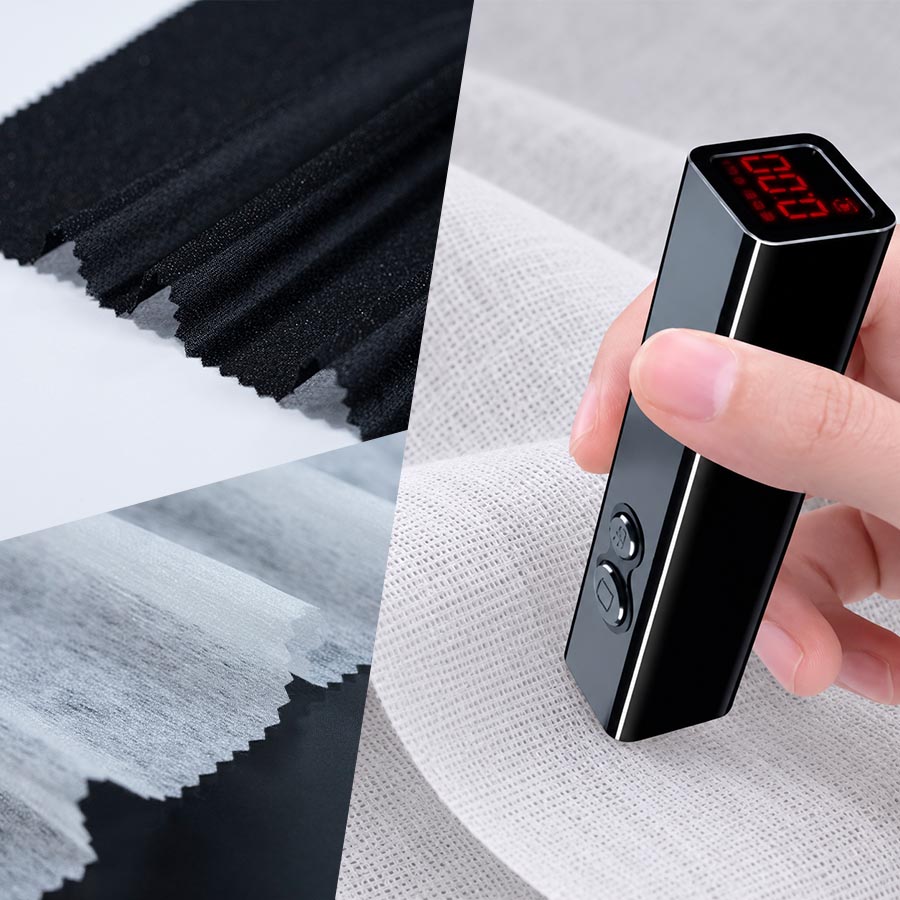
Fluorescence testing for interlining checks fluorescent whitening agents and helps buyers meet garment quality requirements.
-
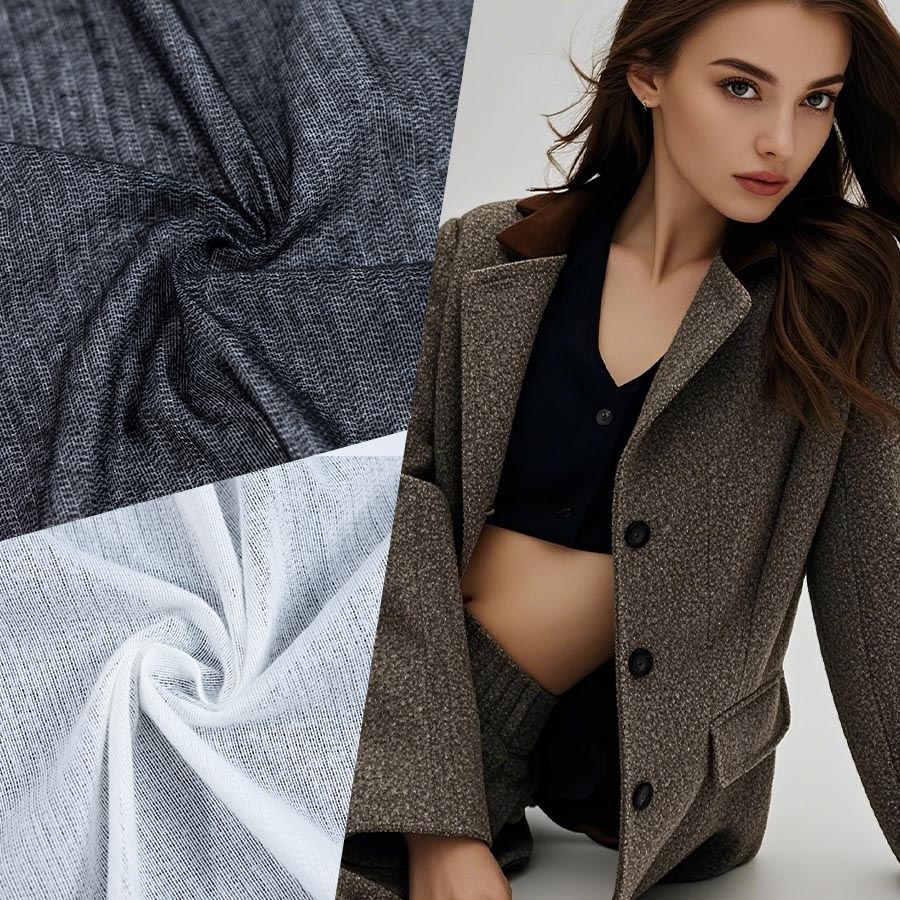
Interlining for wool coats should add shape without making the fabric stiff. Compare woven, napped, and hair interlining options.
-
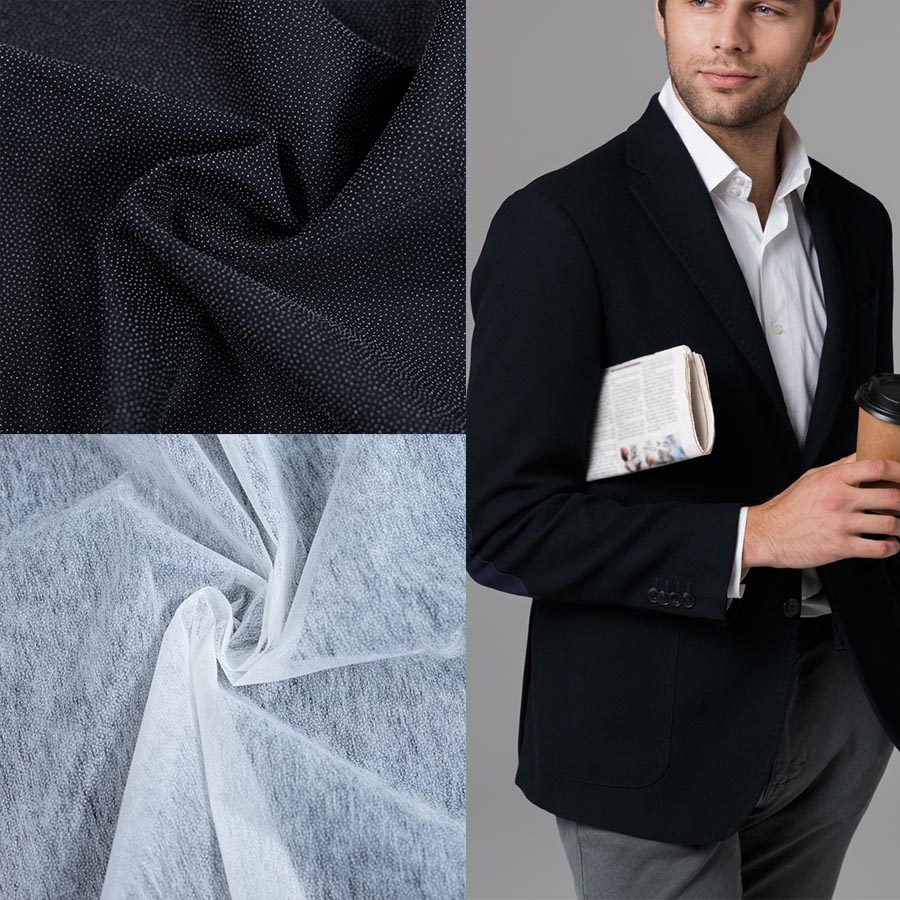
Microdot fusible interlinings use fine adhesive dots for smooth bonding, soft hand feel, and clean garment appearance.
.png)