
How Do You Choose Jacket Interlining?
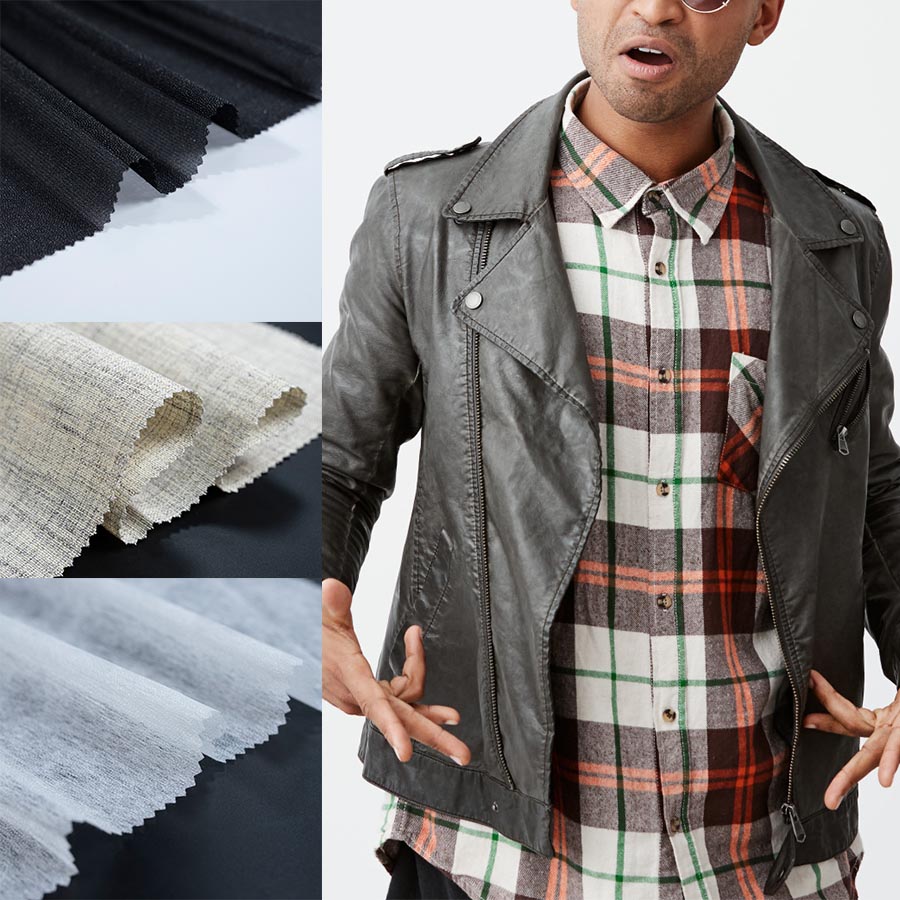
Jacket Interlining
A jacket can look good on the hanger but lose its shape after wearing.
The front may become flat, the lapel may not sit correctly, or the fabric may feel too stiff after fusing. These problems are not always caused by the outer fabric.
The jacket interlining inside the garment also plays an important role.
For buyers and garment factories, the main question is not simply woven or nonwoven. The interlining needs to match the jacket fabric, construction, required hand feel, and care method.
What Does Jacket Interlining Do?
Jacket interlining is placed between the shell fabric and lining in selected parts of a jacket.
It can help:
- support the jacket front;
- control the lapel shape;
- stabilize collars and edges;
- reduce unwanted stretching;
- give the garment more body;
- maintain shape during wearing.
Not every jacket needs the same amount of support.
A structured business jacket normally needs a different interlining from a lightweight casual blazer.
The goal is to provide enough structure without making the garment feel unnaturally hard.
Which Types of Jacket Interlining Are Common?
Several types can be used depending on the jacket construction.
| Type | Main Character | Common Jacket Use |
|---|---|---|
| Woven Fusible Interlining | Stable and fabric-like | Jacket fronts, collars and structured areas |
| Nonwoven Fusible Interlining | Available in many weights and hand feels | General jackets and cost-sensitive production |
| Knit Interlining | Softer and more flexible | Lightweight or slightly stretchable fabrics |
| Hair Interlining | Structured with natural movement | Suits, blazers and tailored jackets |
There is no single type that is suitable for every jacket.
The shell fabric should always be considered first.
Start with the Outer Fabric
The same jacket interlining can behave differently on different fabrics.
Lightweight Fabric
A heavy or firm interlining may easily overpower a lightweight shell fabric.
For softer jackets, a lighter woven, knit, or suitable nonwoven construction may give a more natural result.
Wool and Wool-Blend Fabric
For tailored jackets and blazers, woven interlining or hair canvas may be considered depending on the garment construction.
The final choice should match the drape and structure expected from the jacket.
Stretch Fabric
If the outer fabric needs movement, a rigid interlining may restrict it.
Knit or elastic constructions should be considered when stretch and recovery are important.
Firm Jacket Fabric
Heavier fabrics may need stronger support, but this does not mean that the heaviest interlining is automatically the best choice.
The combined hand feel should be tested.
Fusible or Sew-In Jacket Interlining?
Most industrial garment production uses fusible interlining because it can be bonded quickly with heat and pressure.
Fusible products are useful when:
- production speed is important;
- the shell fabric can tolerate heat;
- stable bonding is required;
- the factory has suitable fusing equipment.
Sew-in interlining is more common in traditional tailoring and some structured jacket constructions.
Hair canvas is a typical example.
It is stitched inside the jacket rather than fully bonded to the shell fabric, allowing the garment to keep more natural movement.
The right method depends on the jacket design and production process.
What Should Buyers Check Before Bulk Production?
A roll sample should not be approved only by touching it.
The interlining should be tested with the actual jacket fabric.
Hand Feel After Fusing
The combined material should still match the intended jacket style.
If the front becomes too stiff, a lighter weight or different construction may be needed.
Peel and Bonding Strength
For fusible products, the adhesive needs to hold properly after cooling and during garment use.
Shrinkage
The shell fabric and interlining should not shrink at very different rates.
Different shrinkage can lead to wrinkling or bubbling.
Surface Appearance
After fusing, check for:
- bubbling;
- adhesive marks;
- strike-through;
- uneven areas;
- changes in fabric texture.
Wash or Care Performance
Test the bonded sample according to the actual garment care method.
Problems that do not appear immediately may become visible after washing or dry cleaning.
Common Jacket Interlining Problems
The Jacket Front Feels Too Hard
The interlining may be too heavy or too firm for the shell fabric.
The adhesive coating can also affect the final hand feel.
Bubbling Appears After Fusing
Possible causes include incorrect temperature or pressure, uneven bonding, or different shrinkage between the two materials.
The Interlining Starts to Separate
Low bonding strength may result from unsuitable adhesive or incorrect fusing conditions.
This should be checked before bulk cutting.
FAQ
1. Is woven interlining better for jackets?
Not always. Woven interlining is useful for many structured jackets, but knit, nonwoven, or hair interlining may be more suitable for other constructions.
2. Can jacket interlining be used for blazers?
Yes. The specification should match the blazer fabric and the amount of structure required.
3. Is heavier interlining better for winter jackets?
Not necessarily. Outer fabric weight is important, but construction and required hand feel also matter.
4. Should the jacket fabric be sent for testing?
Yes. Testing the actual shell fabric gives a more reliable result than evaluating the interlining alone.
5. Can jacket interlining be customized?
Yes. Weight, width, color, construction, hand feel, adhesive coating, glue dot pattern, roll length and packaging can be adjusted according to the order.
Why Choose UNT for Jacket Interlining?
UNT supplies woven, nonwoven, knit and hair interlining for different jacket constructions. For fusible products, production can be adjusted for fabric weight, width, color, hand feel, adhesive coating and glue dot pattern. OEM and ODM orders are supported.
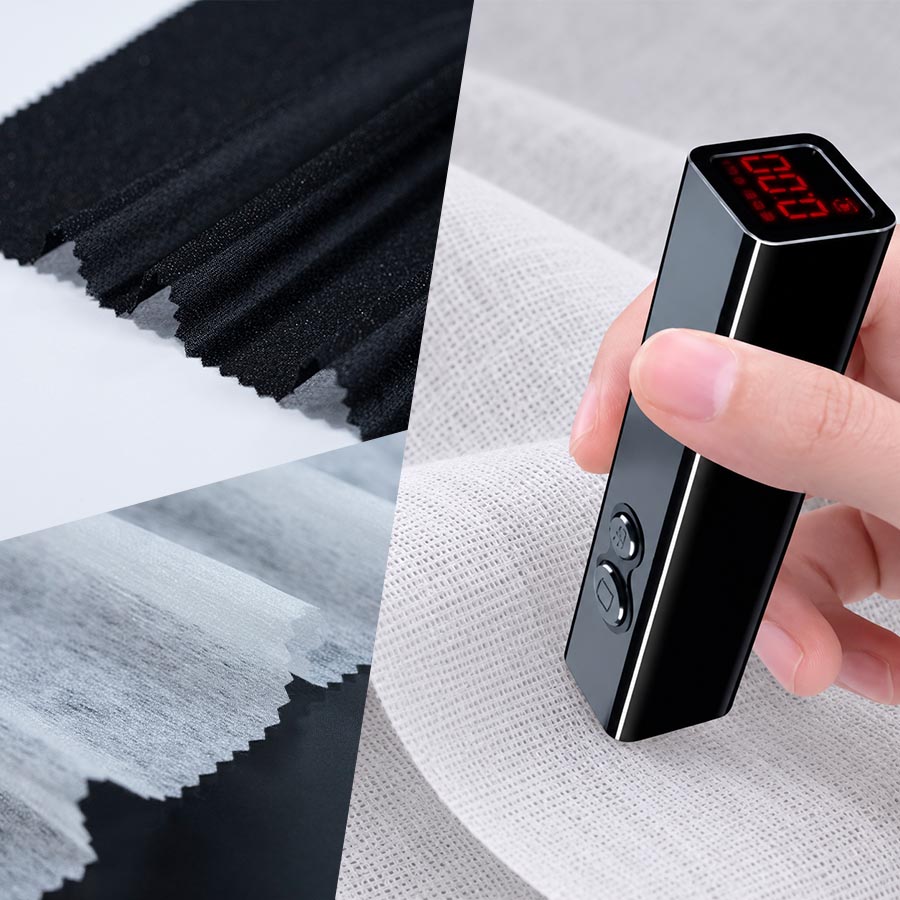
For jacket interlining, testing is available for peel strength, bonding strength, tensile strength, breaking strength, shrinkage, dimensional stability, wash performance, fusing performance and fluorescence.
- Samples: normally within 3 days
- Stock orders: normally 3–7 days
- Customized orders: normally 7–15 days
Available certification includes:
- OEKO: SH001 285226
- GRS: BVC-TE-00011147-GRS-2602-50007497-V1.0
Certificate applicability can be confirmed according to the specific product.
Contact Us
Shanghai Uneed Textile Co., Ltd
TEL: +86-21-33608891
FAX: +86-21-33608892
Email: info@uneed-tex.com
continue reading
Related Posts

Fluorescence testing for interlining checks fluorescent whitening agents and helps buyers meet garment quality requirements.
-
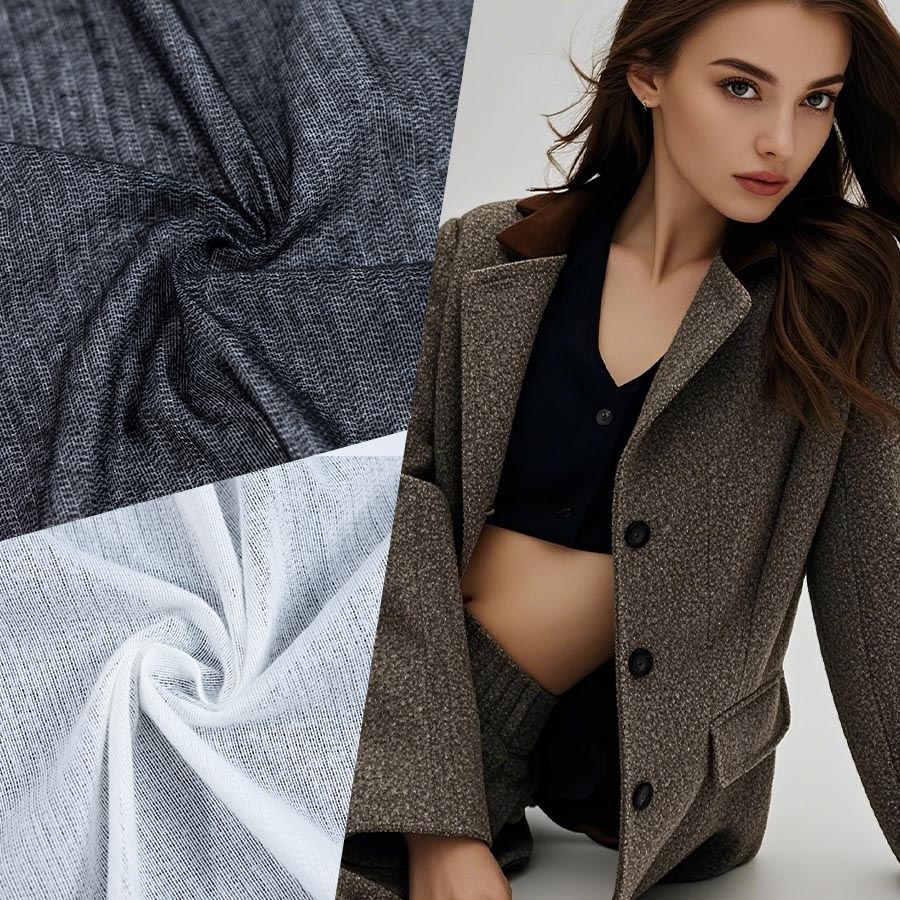
Interlining for wool coats should add shape without making the fabric stiff. Compare woven, napped, and hair interlining options.
-
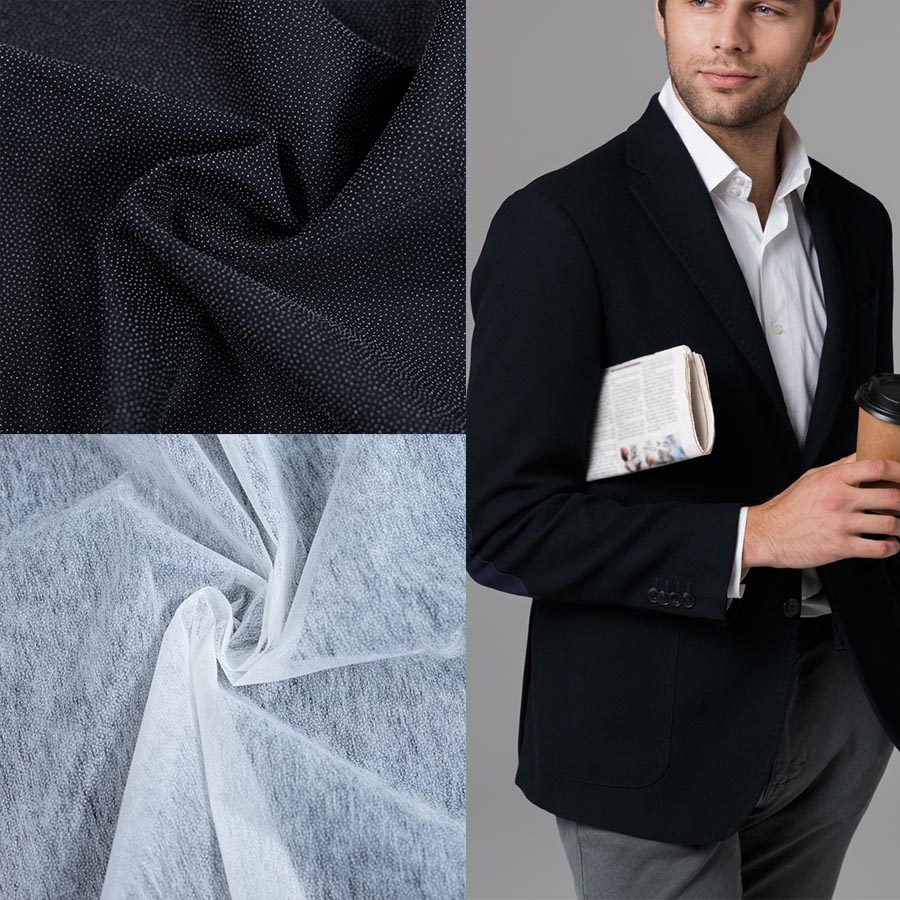
Microdot fusible interlinings use fine adhesive dots for smooth bonding, soft hand feel, and clean garment appearance.
.png)