
How Do You Choose the Right Non Woven Interfacing?
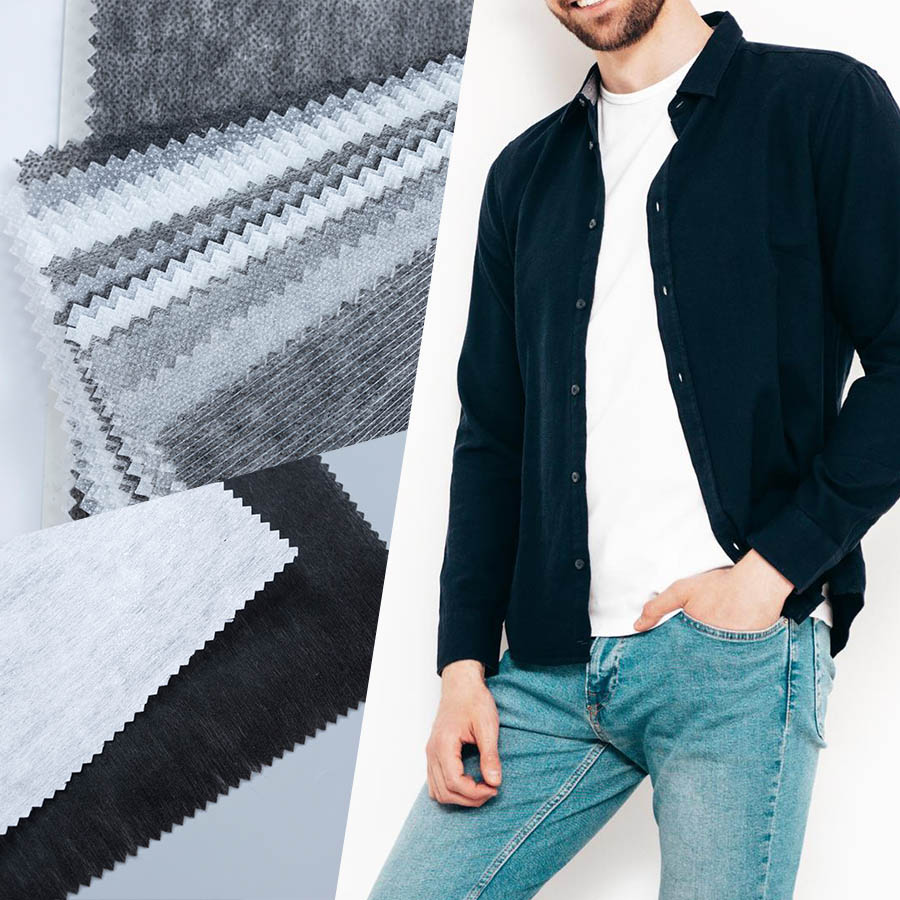
Many garments need extra support.
A collar should stay flat.
A front placket should not wrinkle.
A waistband should keep its shape.
Without the right interfacing, these small details can become quality problems.
One of the most common solutions is non woven interfacing.
It is used by garment manufacturers around the world because it is practical, easy to process, and suitable for many types of clothing.
The challenge is not deciding whether to use it.
The challenge is choosing the right one.
What Is Non Woven Interfacing?
Non woven interfacing is an interlining material made without weaving or knitting yarns together.
Instead, the fibers are bonded together through different manufacturing methods.
After applying the interfacing to the fabric, it helps improve stability while keeping the garment comfortable to wear.
Depending on the production method, non woven interfacing can offer different levels of softness, strength, and durability.
Where Is Non Woven Interfacing Commonly Used?
In our experience, buyers usually choose non woven interfacing because it works well in many everyday garments.
Typical applications include:
- shirts
- jackets
- uniforms
- trousers
- skirts
- workwear
- fashion apparel
It is often used in areas that need extra support, such as collars, cuffs, front plackets, and waistbands.
Different Types of Non Woven Interfacing
Although many buyers simply ask for “non woven interfacing,” there are several different constructions available.
| Type | Main Feature | Typical Application |
|---|---|---|
| Chemical Bond | Soft hand feel | Fashion garments |
| Thermal Bond | Stable structure | Shirts and uniforms |
| Spunlace | Soft and flexible | Lightweight garments |
| Elastic Nonwoven | Stretch support | Waistbands and stretch apparel |
Each type performs differently.
Choosing the right construction is usually more important than choosing the lowest price.
What Should You Consider Before Buying?
Different garments have different requirements.
Before placing an order, we usually recommend checking the following points.
Fabric Weight
A lightweight fabric normally requires a lighter interfacing.
A heavy fabric often needs stronger support.
Matching the two helps achieve a better appearance.
Washing Requirements
Some garments are washed frequently.
Others are dry cleaned.
The interfacing should match the expected care method.
Hand Feel
Some brands prefer a soft finish.
Others need a firmer structure.
The hand feel should fit the garment design.
Production Process
Before bulk production, check whether the interfacing is suitable for your fusing equipment and production conditions.
Sample testing is always recommended.
Common Questions from Buyers
Many purchasing teams ask similar questions before selecting non woven interfacing.
Instead of comparing products only by weight or price, they usually focus on how the garment will perform after production.
That is often the better approach.
Common Mistakes to Avoid
Some problems appear because the interfacing was selected too quickly.
For example:
- choosing only by price
- selecting one specification for every garment
- skipping sample testing
- ignoring washing performance
These issues can usually be avoided with proper evaluation before production begins.
Frequently Asked Questions
Is non woven interlining suitable for all garments?
No. The best choice depends on the fabric and garment construction.
Can non woven interlining be fused?
Yes. Many non woven interfacings are designed for fusible applications.
Which type is softer?
Spunlace and some chemical bond products generally provide a softer hand feel.
Can I customize the specifications?
Yes. Width, weight, color, and coating can often be customized.
Should I test before bulk production?
Yes. Sample testing helps confirm bonding, appearance, and washing performance.
Is non woven interfacing available in different weights?
Yes. Different weights are available for different garment applications.
Why Choose UNT?
Choosing non woven interfacing is not only about selecting a material.
It is about finding the right balance between support, appearance, and production efficiency.
At UNT, we work closely with garment manufacturers, brands, and sourcing companies to recommend suitable interlining solutions for different applications.
Why customers choose us:
- More than 10 years of industry experience
- Chemical bond, thermal bond, spunlace, and elastic nonwoven options
- Stable production quality
- Sample development support
- Flexible OEM service
- Reliable global export experience
We believe every garment performs better when the right interfacing is selected from the beginning.
Contact Us
Shanghai Uneed Textile Co., Ltd
TEL: +86-21-33608891
FAX: +86-21-33608892
Email: info@uneed-tex.com
continue reading
Related Posts

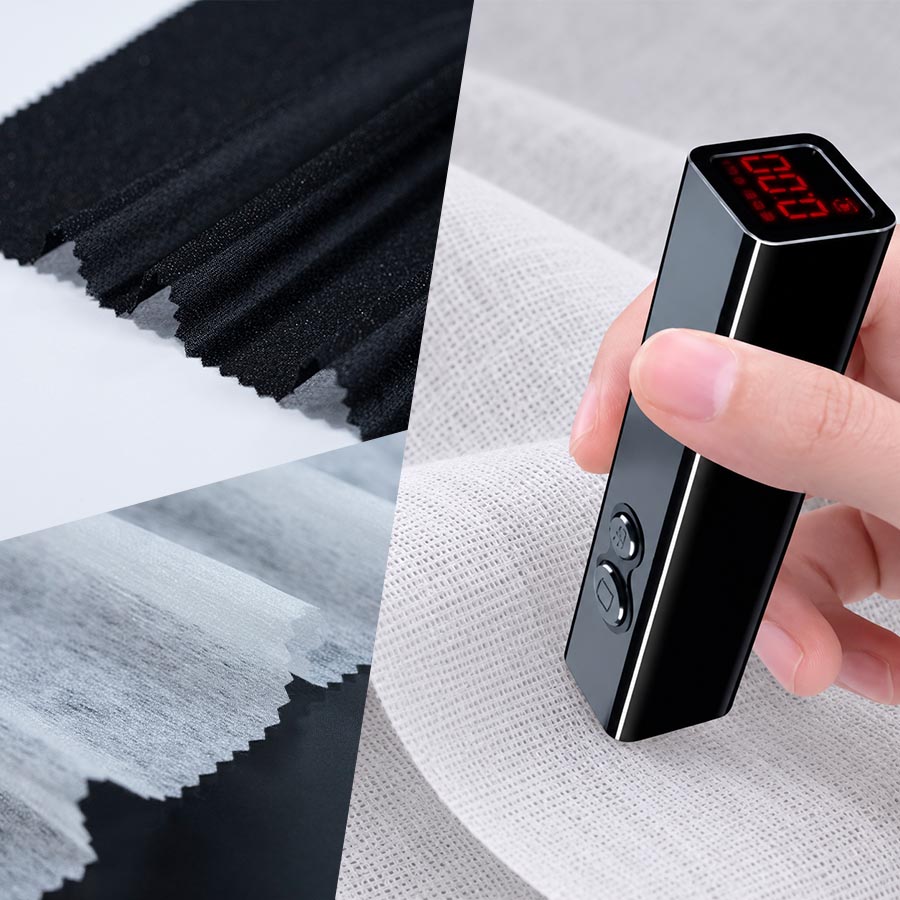
Fluorescence testing for interlining checks fluorescent whitening agents and helps buyers meet garment quality requirements.
-
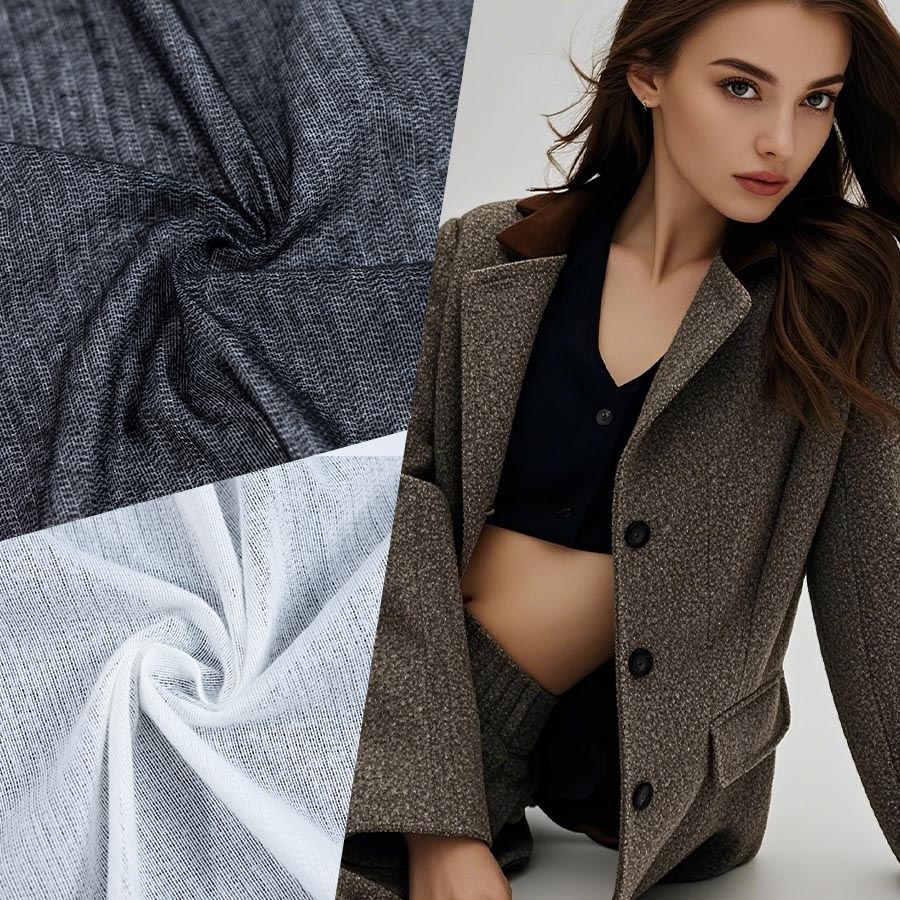
Interlining for wool coats should add shape without making the fabric stiff. Compare woven, napped, and hair interlining options.
-
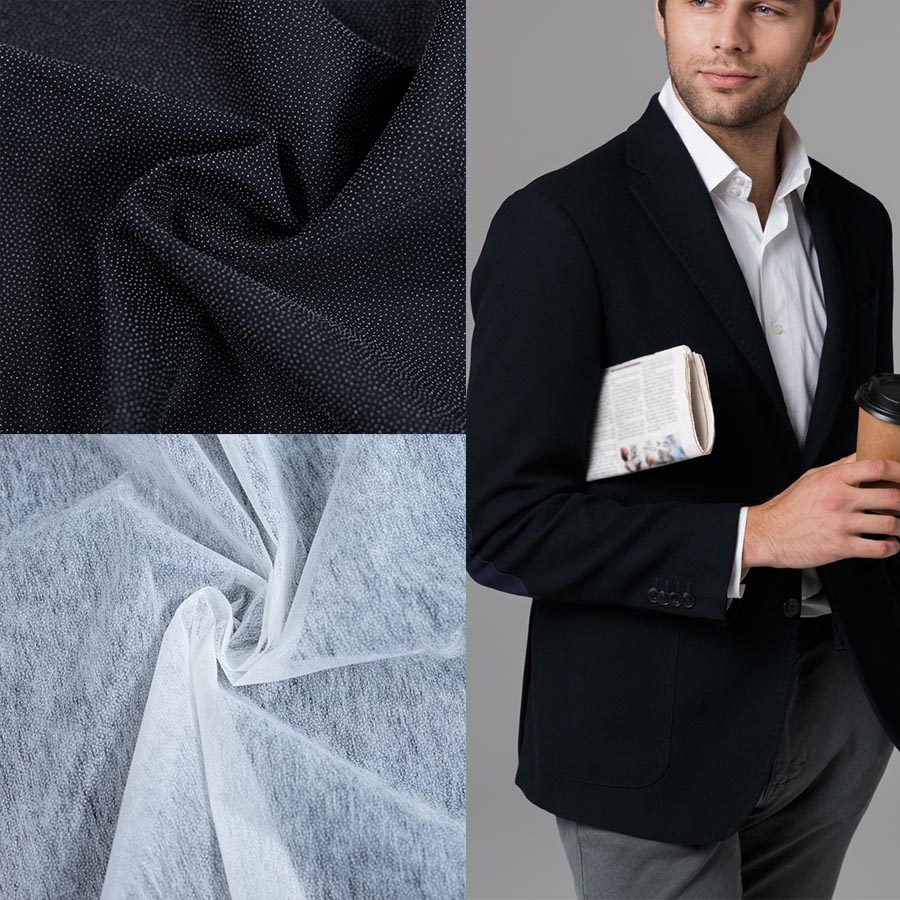
Microdot fusible interlinings use fine adhesive dots for smooth bonding, soft hand feel, and clean garment appearance.
.png)