
How Do You Choose Woven Fusible Interfacing?
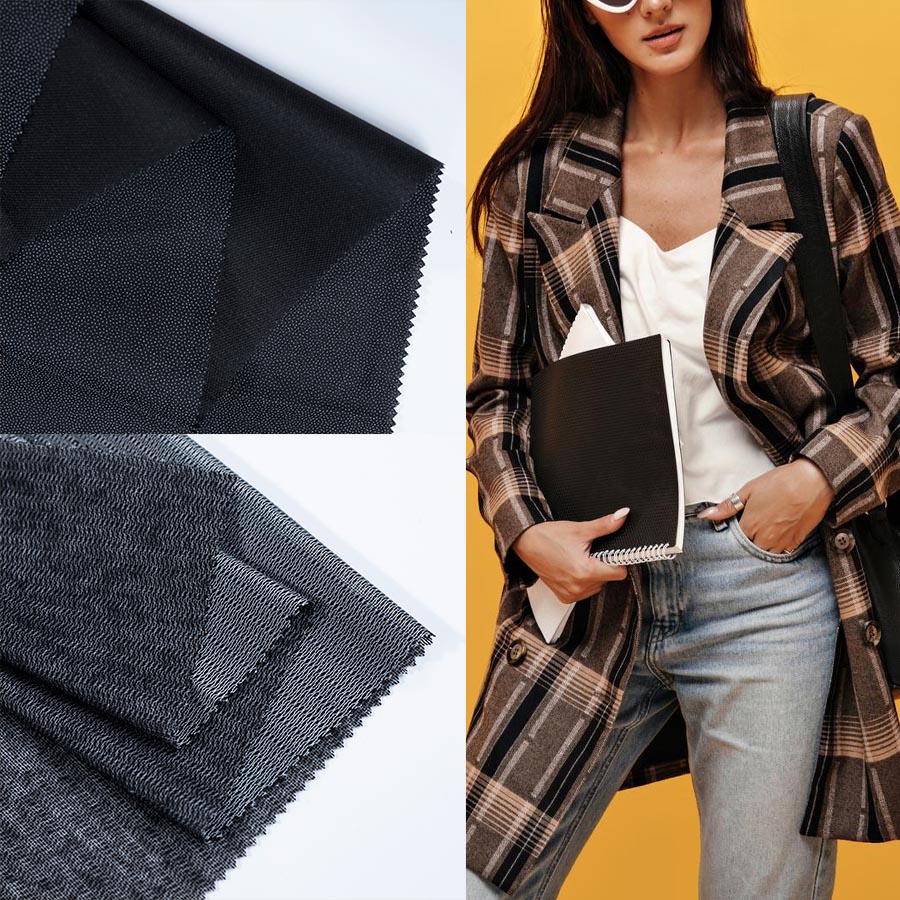
A woven interfacing sample can look perfectly fine before fusing.
The real result comes later.
After heat and pressure are applied, the garment fabric may become too hard, the surface may change, or the bond may not hold well after washing.
This is why woven fusible interfacing should not be selected only by GSM, color, or price.
The outer fabric, garment part, required hand feel, adhesive coating, and fusing conditions all matter.
For buyers, the better question is not:
“Which woven interfacing is the strongest?”
It is:
“Which one gives the right result on my fabric?”
What Is Woven Fusible Interfacing?
Woven fusible interfacing is a woven base fabric with heat-activated adhesive applied to one side.
During garment production, it is placed against the outer fabric and passed through a fusing machine or press.
Heat and pressure activate the adhesive and bond the two layers together.
Because the base is woven, the material normally has better fabric structure than many basic nonwoven products.
It is commonly used where the garment needs stable support but should still keep a fabric-like feel.
Typical areas include:
- shirt collars;
- cuffs;
- front plackets;
- jacket fronts;
- coat parts;
- some waist areas.
The exact use depends on the weight and construction.
When Does Woven Fusible Interfacing Make Sense?
Not every garment needs woven support.
In many orders, woven fusible interfacing is considered when the outer fabric already has a clear woven structure and the buyer wants the support layer to behave in a similar way.
When Shape Matters
Collars, cuffs, and jacket fronts need to stay stable.
A woven base can give more controlled support than a very soft interlining.
When the Fabric Should Still Feel Natural
Some customers do not want the garment to feel like a hard layer has been added inside.
A suitable woven construction can provide support without making the garment feel overly rigid.
When Wash Performance Is Important
Shirts and daily garments may be washed many times.
In these cases, the base fabric and adhesive system both need to be tested with the actual shell fabric.
The right product should keep bonding and shape after the planned care process.
Woven Fusible Interfacing vs Other Interfacing Types
The table below gives a simple comparison.
| Type | Main Character | Flexibility | Typical Use |
|---|---|---|---|
| Woven Fusible Interfacing | Stable, fabric-like structure | Low to medium | Shirts, jackets, structured garment parts |
| Knit Fusible Interfacing | Softer and more flexible | Medium to high | Stretch shirts, dresses, light jackets |
| Nonwoven Fusible Interfacing | Easy to process and economical | Depends on type | General garment production |
| Sew-In Interfacing | No adhesive bonding | Depends on base | Tailoring or heat-sensitive fabrics |
There is no type that is automatically better.
The outer fabric and finished garment decide which one works best.
What Should Buyers Check Before Ordering?
This is where many sourcing problems can be avoided.
1. Outer Fabric
Tell the supplier what fabric you are using.
Useful information includes:
- fiber content;
- weight;
- thickness;
- stretch;
- surface finish;
- washing method.
A cotton shirt fabric and a wool coat fabric do not need the same product.
2. Garment Part
A collar may need firmer support.
A front panel may need something softer.
Even within one shirt, the collar and placket may use different specifications.
3. Required Hand Feel
Words such as soft, medium, firm, or crisp are useful.
If you already have an approved sample, sending it to the supplier is even better.
That gives a clearer target than discussing GSM alone.
4. Adhesive Coating
The coating must work with the outer fabric.
Different dot patterns and coating amounts can change bonding strength and hand feel.
More adhesive does not always mean better performance.
Too much can make the fabric hard or cause adhesive to show through on thin materials.
5. Fusing Conditions
The product has to match the factory’s equipment.
Temperature, pressure, and pressing time all affect the result.
A product that bonds well under one setting may perform poorly under another.
That is why the first bulk production should never start without a fusing test.
Why Is the Woven Direction Important?
This is one difference buyers should not ignore.
Woven fabrics have yarn direction.
The interfacing should be cut and placed correctly according to the garment pattern and outer fabric.
If the direction is wrong, the two layers may behave differently during wearing or washing.
This can affect:
- shape;
- shrinkage;
- stretch;
- surface appearance.
For collars, cuffs, and front panels, correct cutting direction is especially important.
How Should You Test a Sample?
A simple test gives more useful information than touching the roll.
First, fuse the interfacing to the actual garment fabric.
Then check the following points.
Hand Feel
Does the fabric still feel right?
If the garment becomes much harder than expected, the specification may be too heavy or the coating may be too strong.
Surface Appearance
Look for:
- bubbles;
- marks;
- adhesive showing through;
- uneven areas;
- changes in fabric texture.
Bonding
After the sample cools, check whether the layers are firmly bonded.
Do not judge it immediately while the adhesive is still hot.
Washing
Wash the sample according to the garment’s real care method.
Then check:
- peeling;
- bubbling;
- shrinkage;
- curling;
- change in hand feel.
For an important order, testing a complete collar or garment part is better than testing only a small square.
Common Problems and Possible Causes
The Fabric Becomes Too Stiff
The base material may be too heavy, or the adhesive coating may not match the required hand feel.
The Interfacing Peels After Washing
Possible reasons include unsuitable adhesive, low fusing temperature, short pressing time, or poor fabric compatibility.
Bubbles Appear on the Surface
This can come from different shrinkage between the outer fabric and interfacing, poor fusing conditions, or uneven bonding.
The Outer Fabric Looks Different After Fusing
Some thin or sensitive fabrics react to heat and pressure.
This should be checked during sampling, not after the bulk order is finished.
FAQ
1. Is woven fusible interfacing suitable for shirts?
Yes. It is commonly used in collars, cuffs, plackets, and other shirt parts when stable support is required.
2. Is woven fusible interfacing always stiff?
No. Different weights and constructions give different hand feels.
3. Can it be used on stretch fabric?
Sometimes, but knit interfacing may be a better match when the outer fabric needs more flexibility.
4. Does GSM decide how firm the interfacing feels?
Not by itself. Base construction, yarn, finish, and adhesive coating also affect the final result.
5. Why should I send my fabric for testing?
Because the same interfacing can give different results on different outer fabrics.
6. Can width, color, and adhesive coating be customized?
Yes. These details can be discussed according to the garment, order quantity, and production requirement.
Why Choose UNT?
For woven fusible interfacing, buyers usually care about more than the material itself. Sample speed, delivery time, customization, payment, and shipping all affect the order.
Here are the actual services available from Shanghai Uneed Textile Co., Ltd.
Sample Development
Samples can normally be prepared within 3 days, depending on the requested construction and specification.
Customers can send an existing sample or provide details such as fabric type, weight, width, color, hand feel, and coating requirement.
Delivery Time
- Stock items: about 3–7 days
- Customized orders: about 7–15 days
Final timing depends on quantity and specification.
Customization
We support OEM and ODM orders.
Customization can include:
- material;
- fabric weight;
- width;
- color;
- adhesive dot pattern;
- coating requirement;
- roll length;
- packing and labeling.
Certificates
Available certificates include:
- GRS: BVC-TE-00011147-GRS-2602-50007497-V1.0
- OEKO: SH001 285226
Certificate applicability should be confirmed according to the specific product being ordered.
Payment Methods
Available payment methods can include:
- L/C
- D/A
- D/P
- T/T
- Western Union
The final payment arrangement is confirmed according to the order.
Shipping Options
Orders can be shipped by:
- sea freight;
- air freight;
- international express.
The most suitable method depends on quantity, destination, and delivery time.
Trade Terms
Available trade terms include:
- FOB
- EXW
- DAP
- DDP
Other terms can be discussed when required.
Pricing
UNT provides competitive pricing based on specification, quantity, packaging, and order requirements.
For an accurate quotation, it is better to provide the outer fabric information and intended garment use together with the required specification.
Contact Us
Shanghai Uneed Textile Co., Ltd
TEL: +86-21-33608891
FAX: +86-21-33608892
Email: info@uneed-tex.com
continue reading
Related Posts

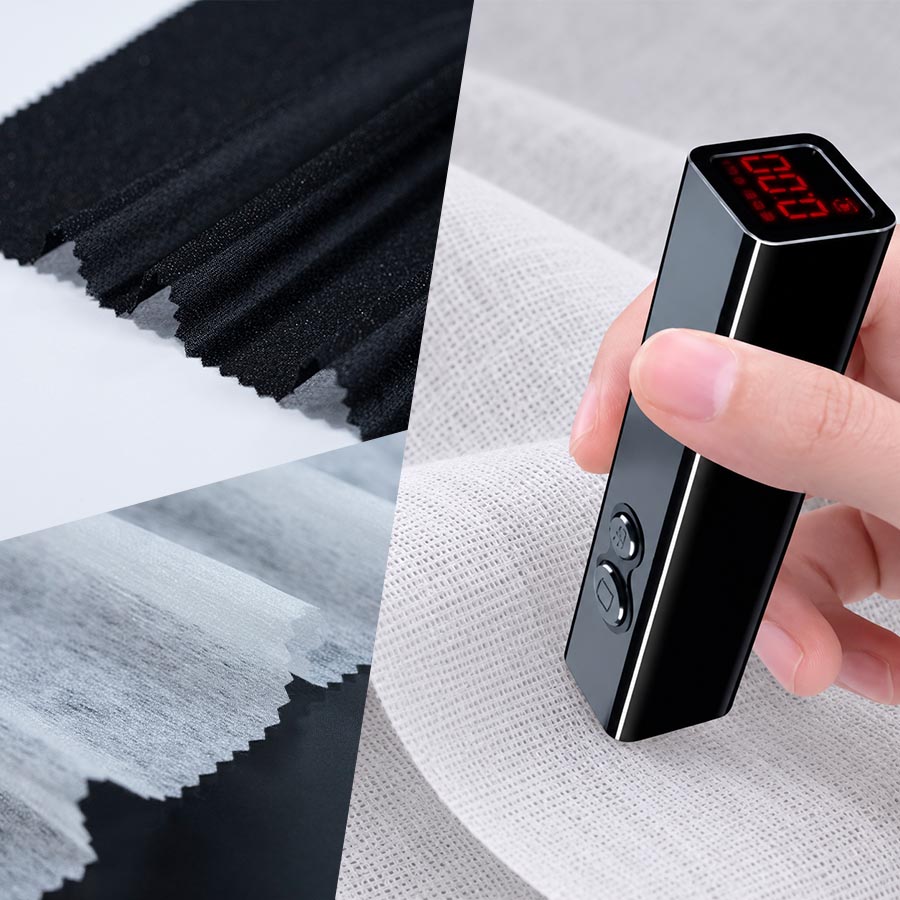
Fluorescence testing for interlining checks fluorescent whitening agents and helps buyers meet garment quality requirements.
-
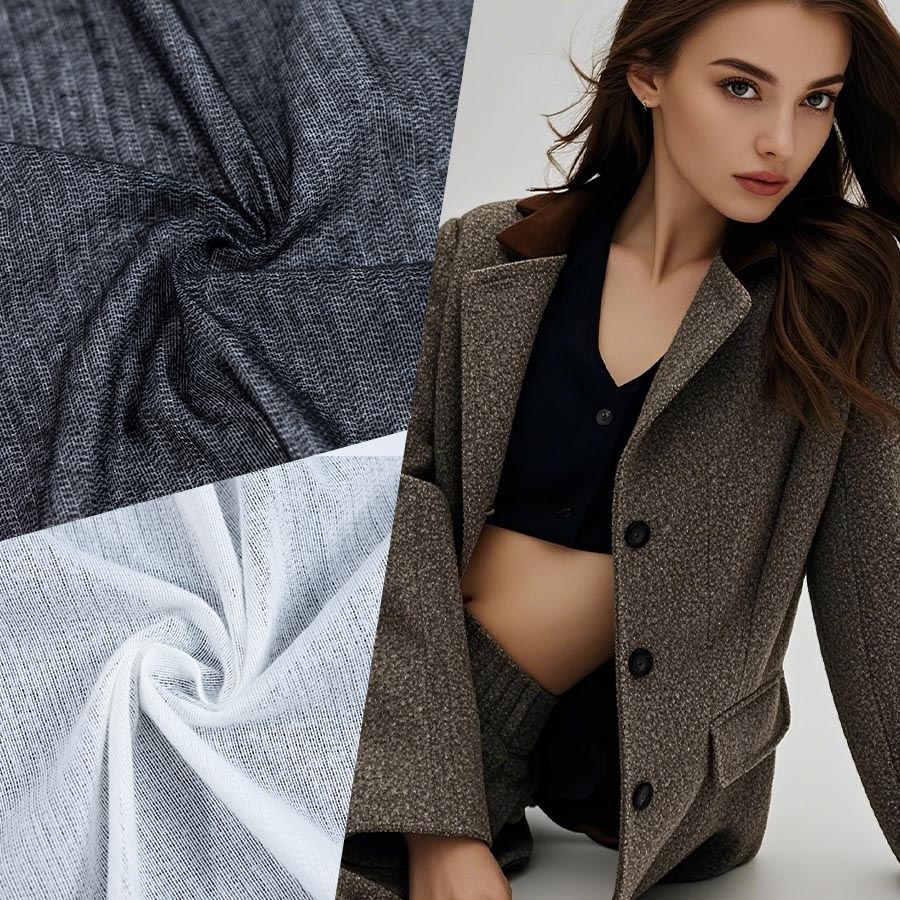
Interlining for wool coats should add shape without making the fabric stiff. Compare woven, napped, and hair interlining options.
-
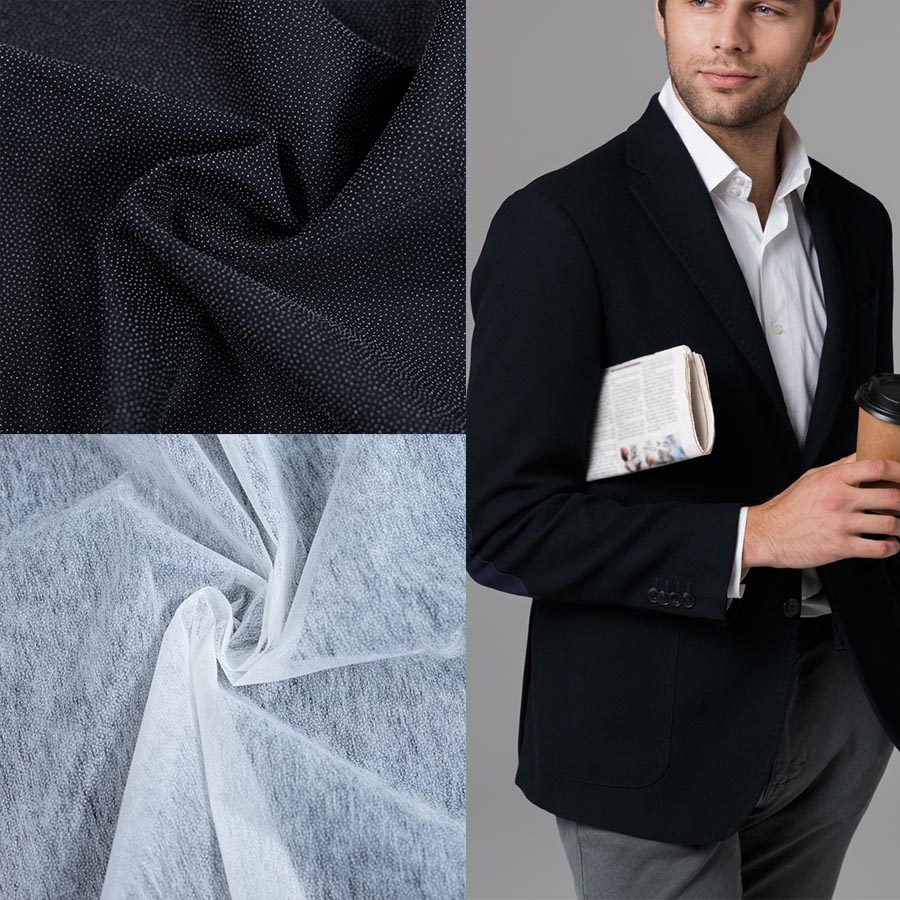
Microdot fusible interlinings use fine adhesive dots for smooth bonding, soft hand feel, and clean garment appearance.
.png)