
Looking for a Pellon Fusible Interfacing Alternative?
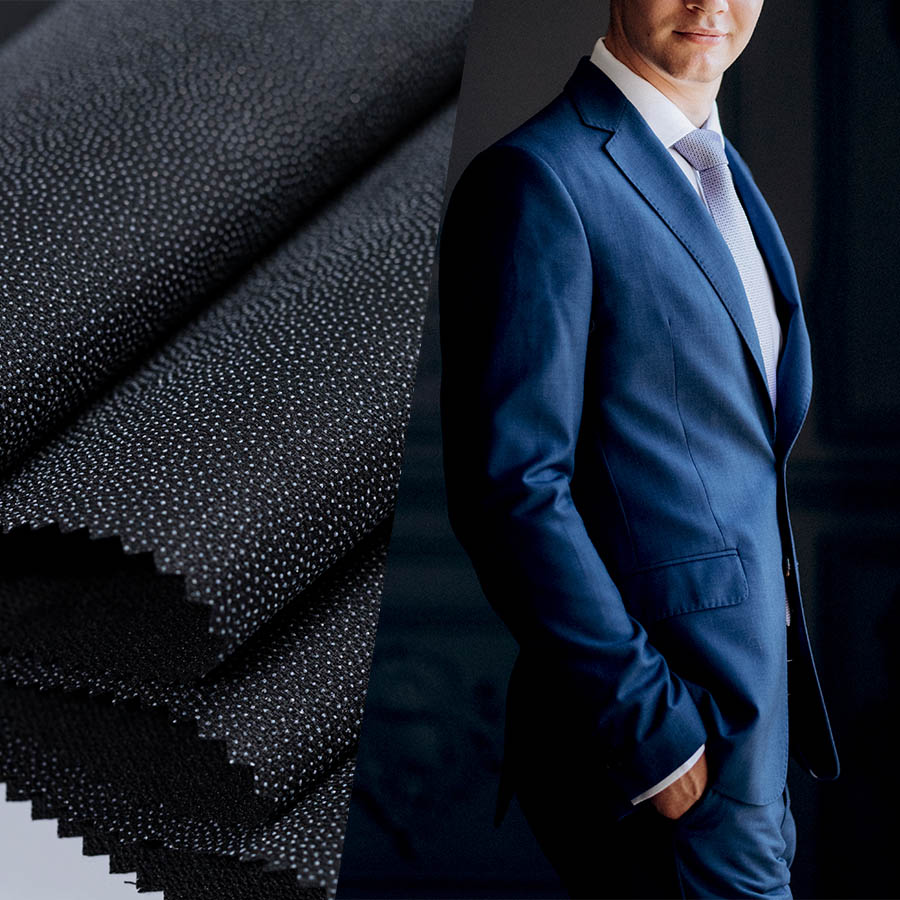
Many buyers are not searching for a different product.
They are searching for a different supplier.
This happens for several reasons.
Some need bulk quantities instead of retail packaging.
Some want factory pricing.
Others are developing their own garment brand and need OEM production.
If you have been using Pellon products and are now looking for another source, there are several things worth comparing before making a decision.
Why Do Buyers Look for Alternatives?
In our experience, buyers usually are not replacing a product because it performs poorly.
The reason is often related to purchasing.
For example:
- buying directly from a manufacturer
- reducing purchasing costs
- ordering custom specifications
- private label production
- stable long-term supply
For garment factories and apparel brands, these factors are often more important than the brand name itself.
Is There a Universal Replacement?
Not exactly.
“Pellon fusible interfacing” covers many different products.
Different weights, constructions and adhesive systems are designed for different fabrics.
Instead of looking for one replacement, it is better to compare several technical points, including:
- fabric construction
- weight
- hand feel
- adhesive performance
- washing requirements
Choosing according to the application usually gives better results than choosing only by brand.
What Should Buyers Compare?
Before changing suppliers, we recommend comparing the product rather than the logo.
Fabric Construction
Is it woven?
Nonwoven?
Or knit?
Different constructions behave differently after fusing.
Weight
A heavier interfacing does not always provide better performance.
It should match the garment fabric.
Adhesive Performance
Good bonding is important.
The adhesive should remain stable after pressing and washing.
Hand Feel
The finished garment should still feel natural.
Too much stiffness can affect comfort.
Production Consistency
For factories, consistency from one order to the next is just as important as the product itself.
Brand Purchase vs Factory Direct Purchase
| Comparison | Retail Brand | Factory Direct Supplier |
|---|---|---|
| Order Quantity | Small orders | Flexible for bulk production |
| Customization | Limited | Width, weight and coating can often be customized |
| Packaging | Retail packaging | Industrial packaging |
| Supply | Standard products | OEM and customized specifications |
| Target Customers | Home sewing and small projects | Garment factories, brands and distributors |
Neither option is better for every customer.
The right choice depends on how you purchase and use the product.
Who Usually Needs a Factory Alternative?
Factory-direct sourcing is often suitable for:
- garment manufacturers
- apparel brands
- wholesalers
- distributors
- sourcing companies
If production requires stable quality over many orders, working directly with a manufacturer may provide more flexibility.
Questions Worth Asking Before Ordering
Changing suppliers should not be based on price alone.
Ask questions such as:
- Does the interfacing match my fabric?
- Can I receive samples before bulk production?
- Is technical support available?
- Can specifications be customized?
- Is quality consistent between orders?
These questions often save more time than comparing prices alone.
Frequently Asked Questions
Is there one product that replaces every Pellon fusible interfacing?
No. Different applications require different constructions and weights.
Can factory suppliers provide customized specifications?
Yes. Many manufacturers can adjust width, weight and coating according to customer requirements.
Should I test samples before ordering?
Yes. Sample testing is always recommended before bulk production.
Is factory-direct sourcing suitable for small orders?
It depends on the supplier. Many factories have minimum order quantities.
What matters most when comparing interfacing?
Matching the product to your fabric and application is usually more important than comparing brand names.
Why Choose UNT?
At UNT, we focus on garment interlining and garment accessories for apparel manufacturers around the world.
Instead of recommending one product for every project, we help customers choose materials that match their fabrics and production requirements.
Customers work with us because we provide:
- More than 10 years of industry experience
- Woven, nonwoven and knit interlining solutions
- Sample development support
- Stable production quality
- Flexible OEM service
- Reliable international shipping
We believe the right interfacing starts with understanding the application, not simply choosing a brand.
Contact Us
Shanghai Uneed Textile Co., Ltd
TEL: +86-21-33608891
FAX: +86-21-33608892
Email: info@uneed-tex.com
Trademark Notice
Pellon® is a registered trademark of its respective owner. This article is provided for informational and comparison purposes only. Shanghai Uneed Textile Co., Ltd. is not affiliated with, endorsed by, or authorized by Pellon®.
continue reading
Related Posts

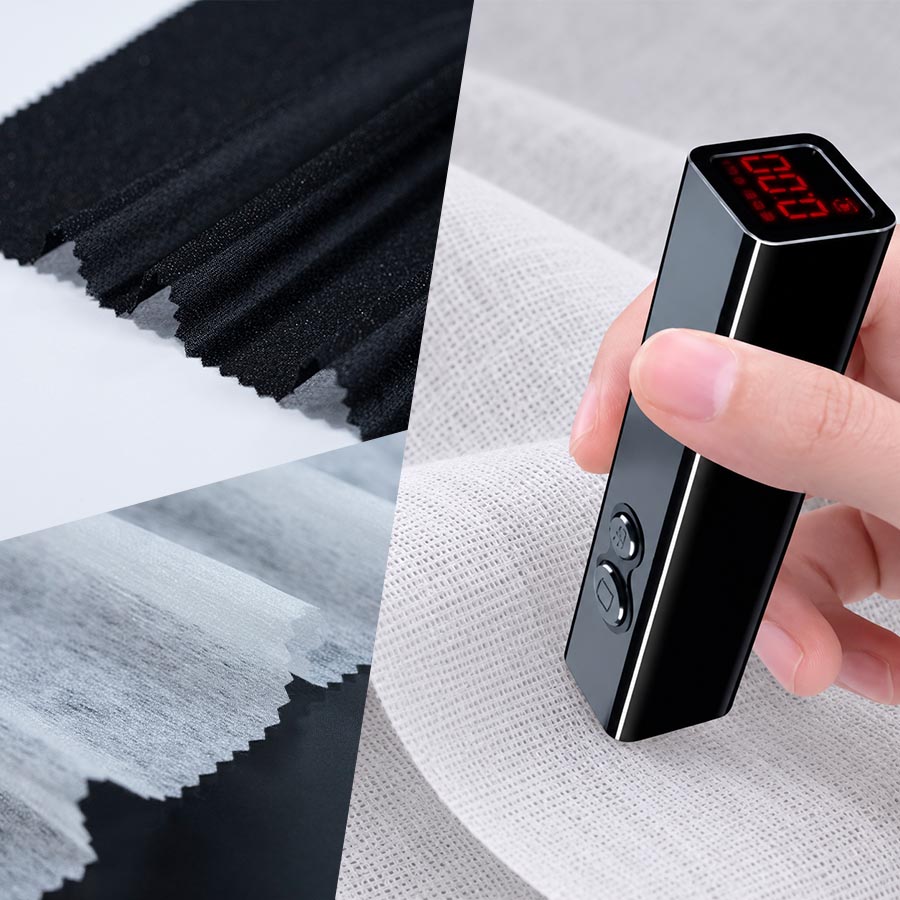
Fluorescence testing for interlining checks fluorescent whitening agents and helps buyers meet garment quality requirements.
-
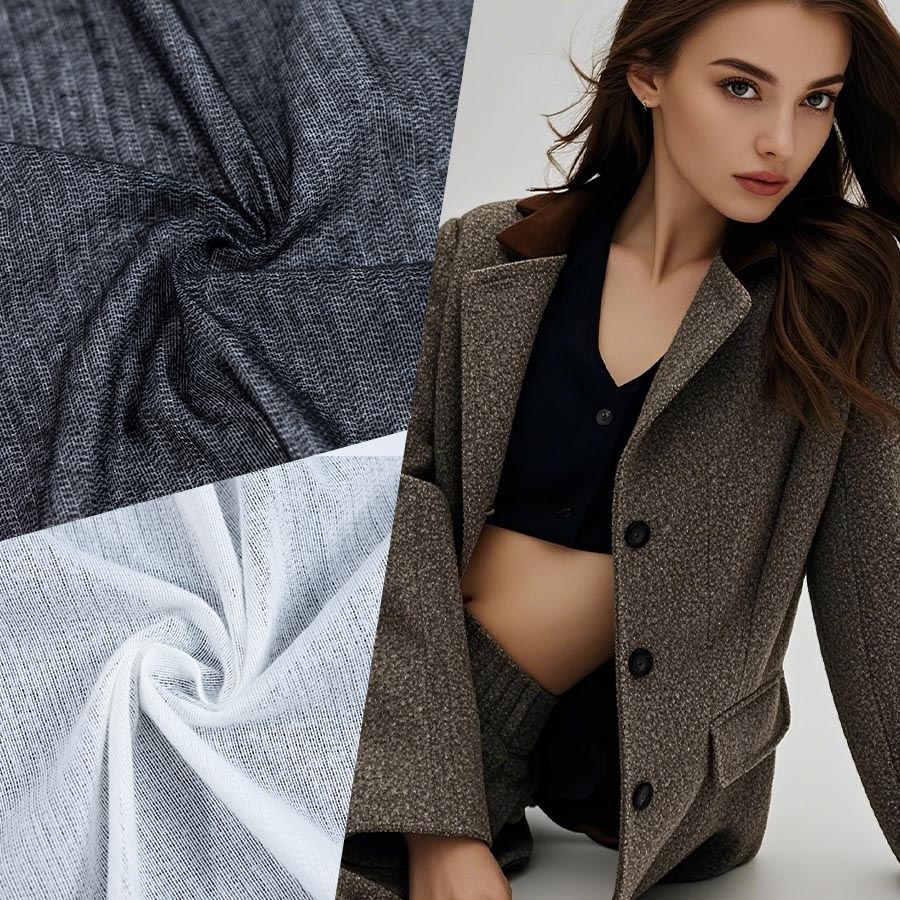
Interlining for wool coats should add shape without making the fabric stiff. Compare woven, napped, and hair interlining options.
-
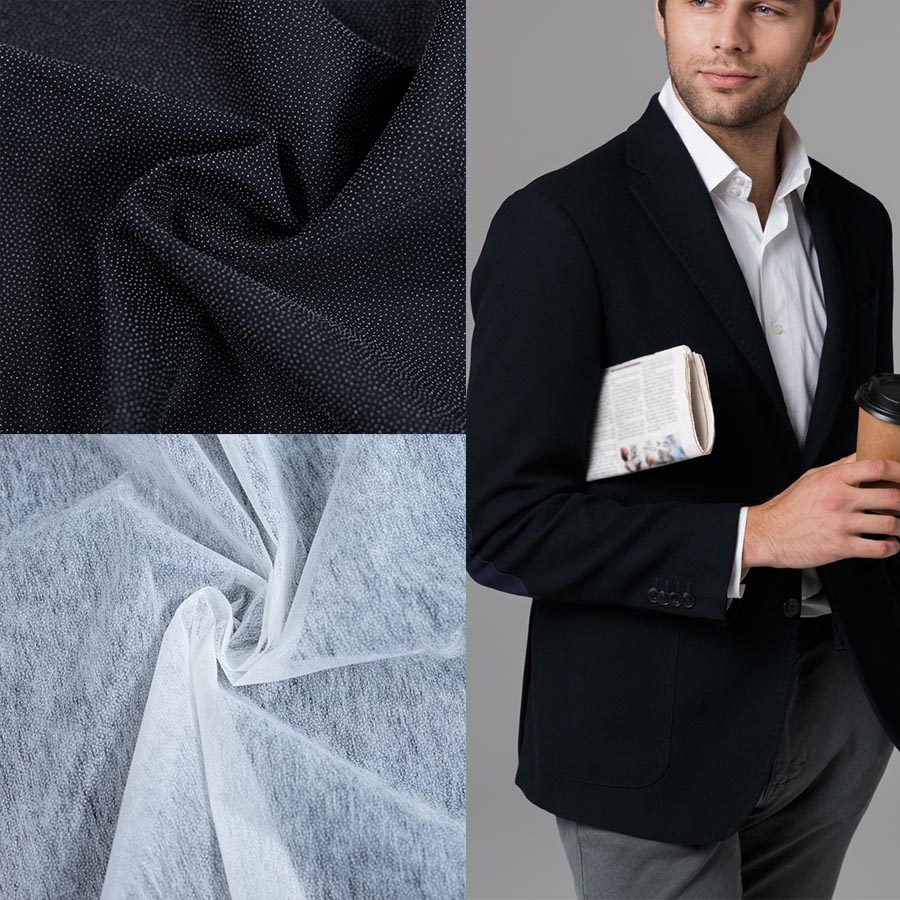
Microdot fusible interlinings use fine adhesive dots for smooth bonding, soft hand feel, and clean garment appearance.
.png)