
What Is Canvas Interfacing and When Do Garments Need It?
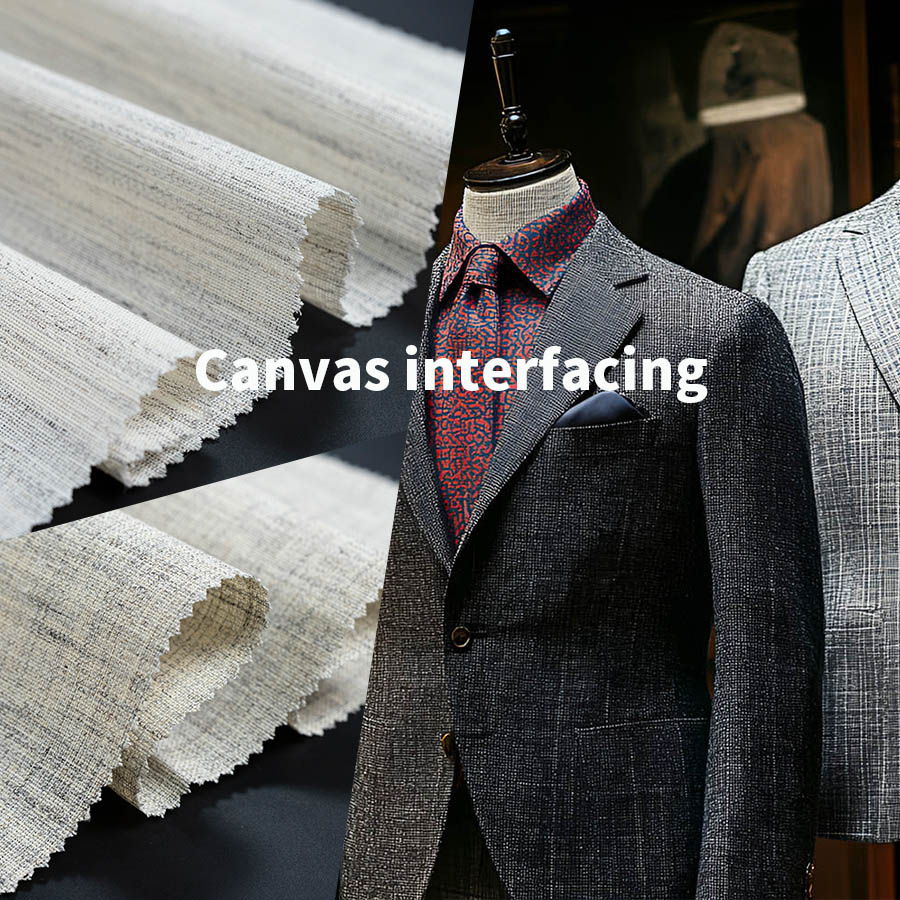
What Is Canvas Interfacing?
Canvas interfacing is a woven support material used inside garments to add body and structure.
Compared with lightweight interfacings, it is thicker and more supportive.
Many canvas interfacing products are made from blends such as:
- cotton
- wool
- horsehair
- synthetic fibers
Depending on the construction, it can feel softer or firmer.
But the main purpose stays the same: support the garment from the inside.
Why Do Buyers Choose Canvas Interfacing?
This is usually not a “feel” decision.
It’s a “structure” decision.
1. The Garment Needs More Body
This is the most common reason.
Without enough internal support, some garments look flat.
Canvas interfacing helps build shape into:
- lapels
- fronts
- collars
- chest areas
2. Better Long-Term Shape
A garment may look good after pressing.
But what happens after repeated wear?
That’s where stronger interfacing matters.
Canvas interfacing helps garments hold their intended shape longer.
3. More Premium Appearance
Even if customers don’t know what’s inside, they can often feel the difference.
Garments supported by proper canvas usually:
- sit better on the body
- look more tailored
- feel more substantial
Where Is Canvas Interfacing Commonly Used?
This type is mainly used where shape matters.
Typical applications:
- suit jackets
- blazers
- structured coats
- formal uniforms
Sometimes used in:
- handbags
- garment accessories
- structured fashion pieces
Not suitable for:
- soft blouses
- lightweight dresses
- garments designed to drape naturally
👉 Simple rule:
if the garment needs to “stand,” canvas interfacing helps
Canvas Interfacing vs Regular Interfacing
Many buyers compare these during development.
| Feature | Canvas Interfacing | Regular Interfacing |
|---|---|---|
| Structure Support | High | Medium to low |
| Thickness | Higher | Lower |
| Hand Feel | Firmer | Softer |
| Typical Use | Tailoring | General garments |
| Cost | Higher | Lower |
How to Choose the Right Canvas Interfacing?
Not every garment needs the same level of support.
1. Match It to Fabric Weight
Heavy fabrics usually need stronger support.
Light fabrics may feel too stiff with heavy canvas.
2. Decide the Final Shape
Do you want:
- a sharp tailored look?
or - a softer silhouette?
That changes the choice.
3. Check Construction Method
Some canvas products are sewn in.
Others can be partially fused.
Always confirm what your production line can handle.
Common Problems Buyers Run Into
1. Choosing Canvas That Is Too Heavy
This can make the garment feel uncomfortable.
2. Using It on Soft Garments
Then the garment may lose its intended drape.
3. Ignoring Factory Capability
Some factories are better at fusible production than traditional tailoring.
That matters.
FAQ
1. What is canvas interlining?
It’s a woven interfacing used to add strong support and structure.
2. Is canvas interlining the same as hair canvas?
Sometimes. Hair canvas is one type of canvas interfacing.
3. Is it used in suits?
Yes, very commonly.
4. Can it be fused?
Some types can, but many are sewn in.
5. Is it stiff?
Usually firmer than regular interfacing.
6. Is it suitable for lightweight garments?
Usually no.
7. Why is it used in lapels?
To help them hold shape.
8. How do I choose the right type?
Match it with garment weight, fabric, and desired structure.
Why Choose UNT (Shanghai Uneed Textile Co., Ltd)?
For canvas interfacing, structure consistency is critical.
A small difference in stiffness can change the final garment shape.
At UNT, we help customers match the right canvas to the right garment.
- Over 10 years of experience in interlining and tailoring materials
- Stable woven and canvas production
- Sampling support for garment testing
- Reliable export service
- Experience with premium garment applications
We help customers choose based on actual use—not just specifications.
Contact Us
Shanghai Uneed Textile Co., Ltd
TEL: +86-21-33608891
FAX: +86-21-33608892
Email: info@uneed-tex.com
continue reading
Related Posts

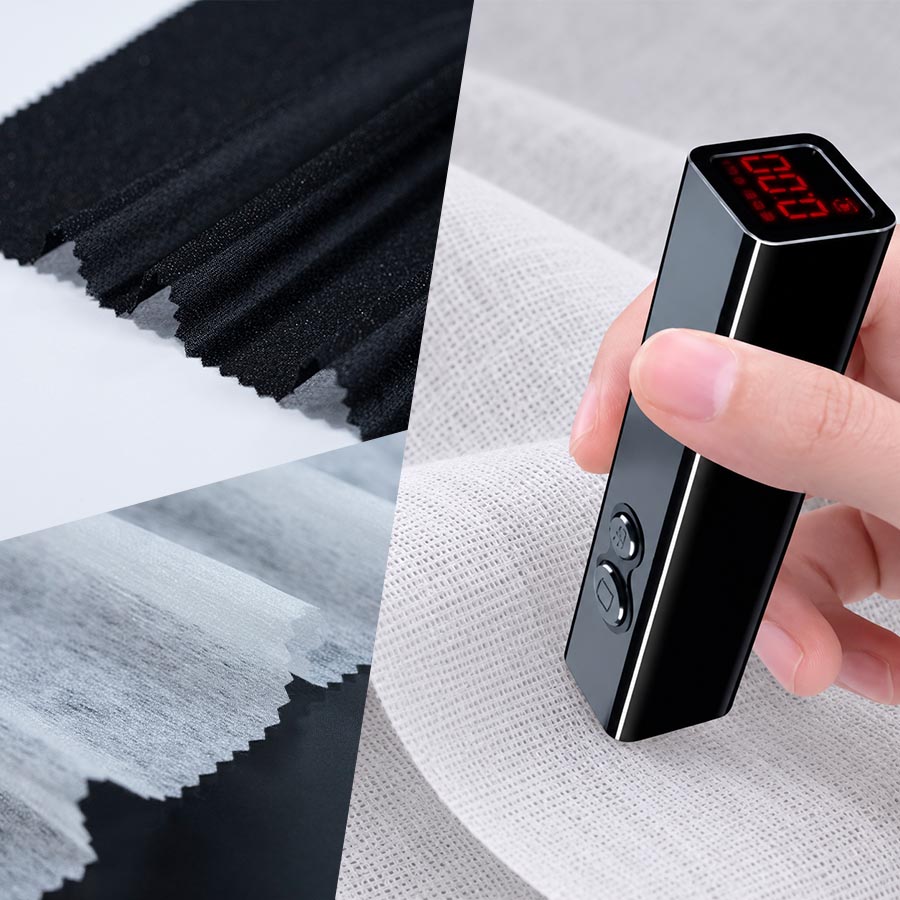
Fluorescence testing for interlining checks fluorescent whitening agents and helps buyers meet garment quality requirements.
-
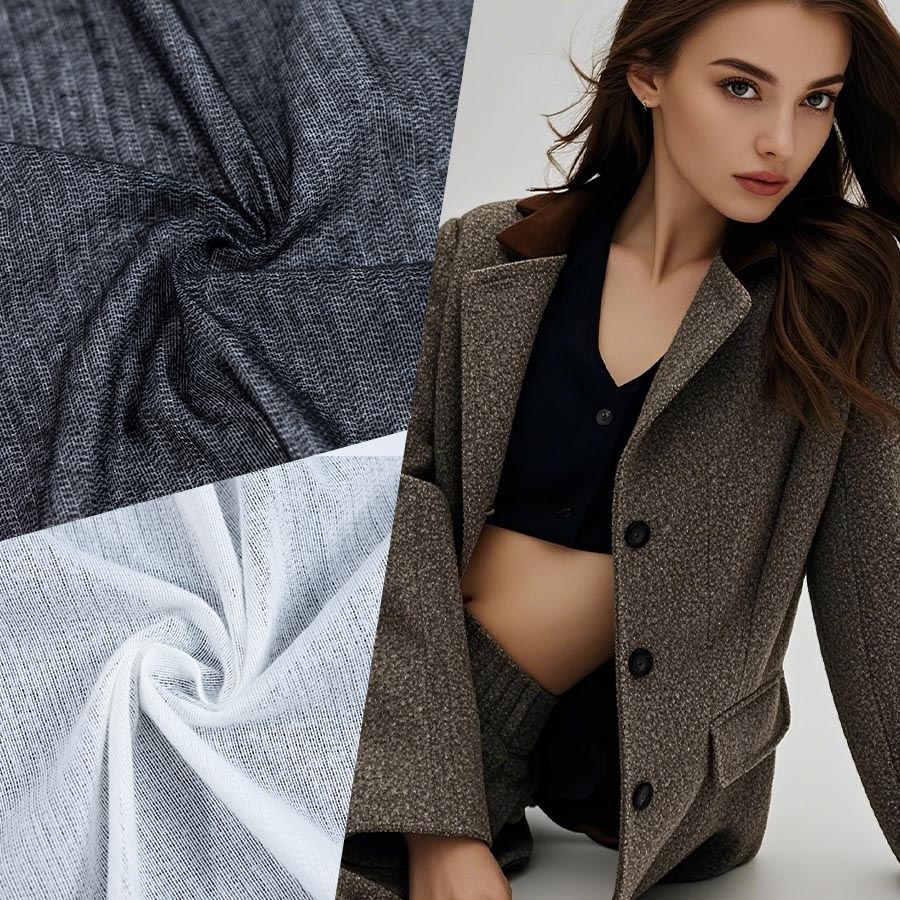
Interlining for wool coats should add shape without making the fabric stiff. Compare woven, napped, and hair interlining options.
-
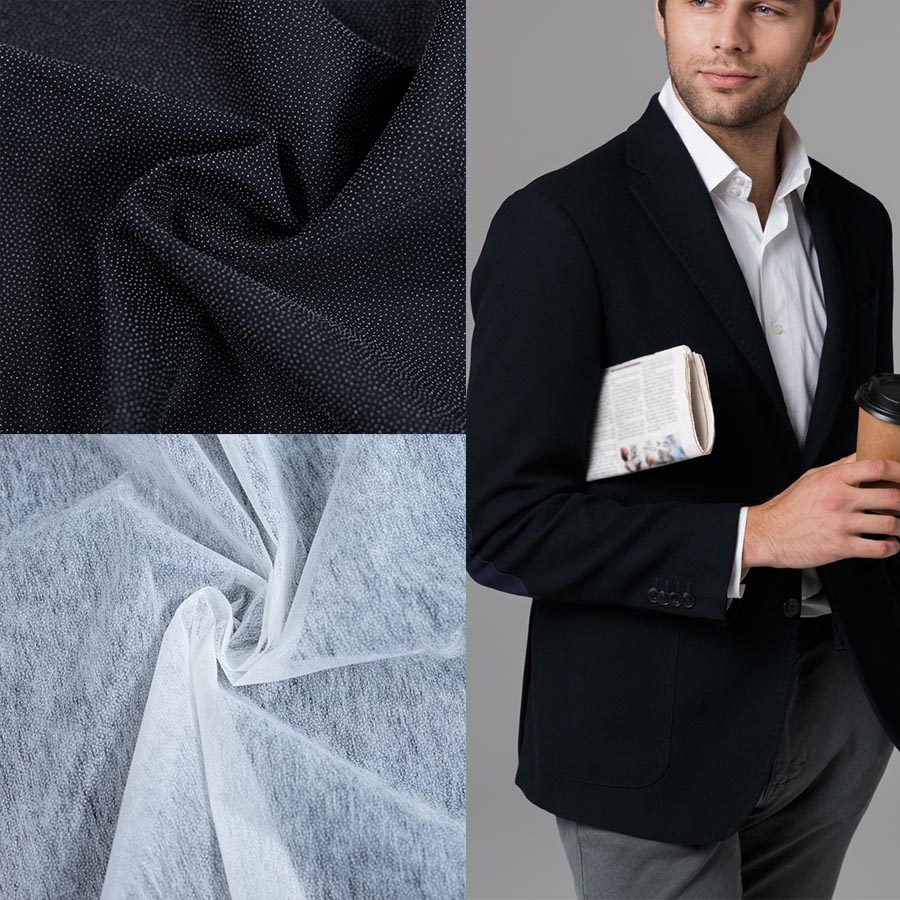
Microdot fusible interlinings use fine adhesive dots for smooth bonding, soft hand feel, and clean garment appearance.
.png)