What Is Cotton Interfacing and Why Do Some Buyers Prefer It?
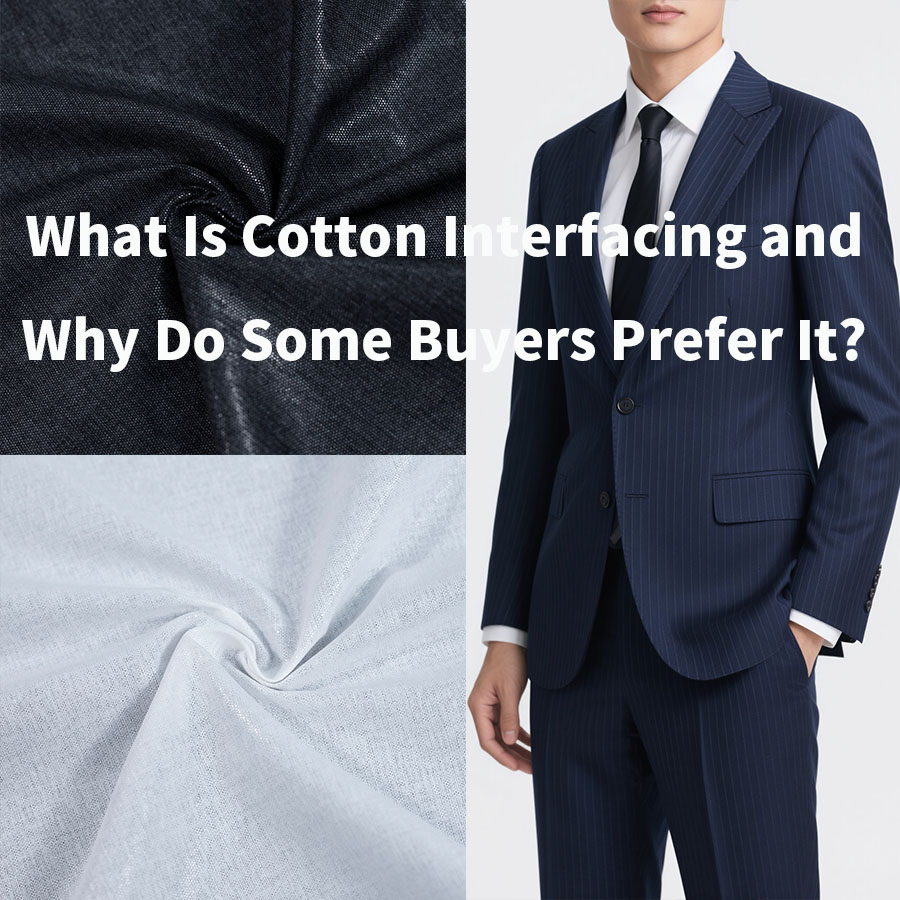
Not every customer chooses interfacing based only on weight or thickness.
Some buyers start with a different question:
What is it made of?
That’s why cotton interfacing remains popular.
Even though synthetic options are everywhere, many garment makers still choose cotton—especially when fabric feel matters.
Sometimes the inside material changes the whole garment experience.
What Is Cotton Interfacing?
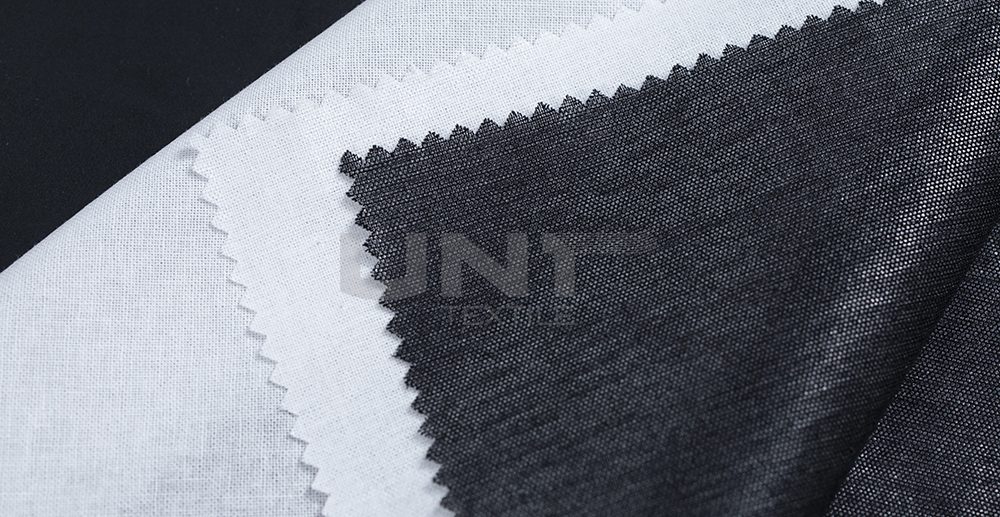
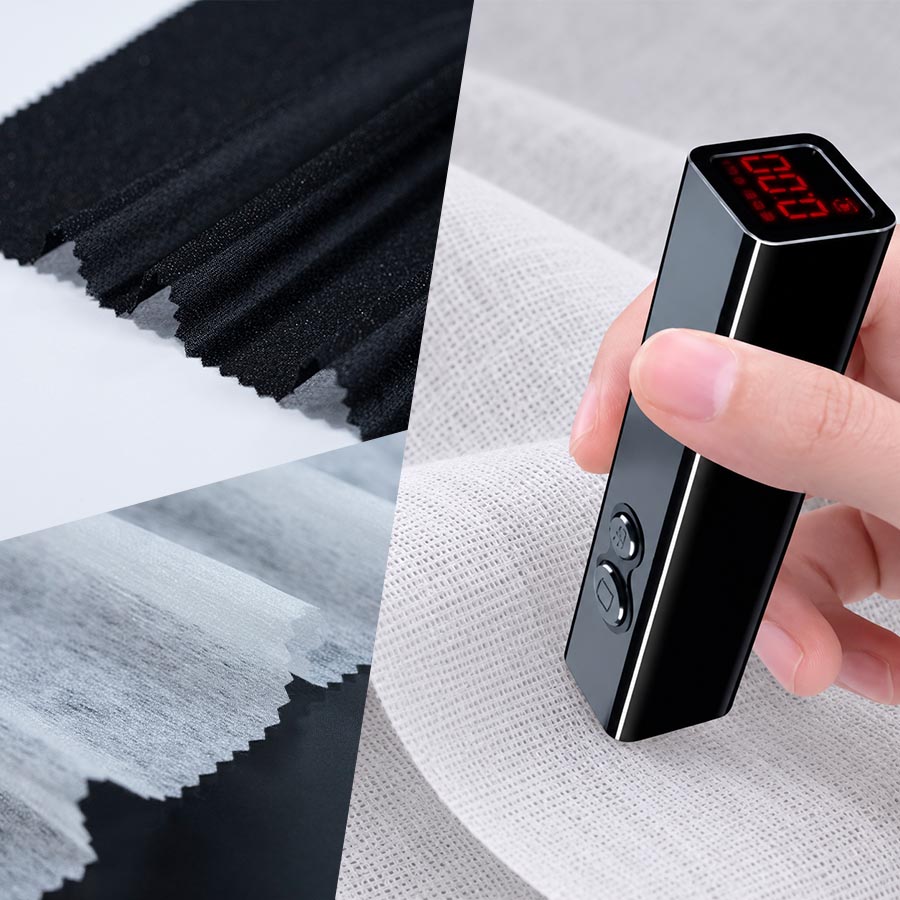
Cotton interlining is an interfacing made fully or partly from cotton fibers.
It is used inside garments to add support and shape.
Compared with synthetic options, cotton usually feels:
- softer
- more natural
- easier to match with natural fabrics
Depending on construction, it can be:
- woven
- knitted
The material is the same idea—the structure may change.
Why Do Buyers Choose Cotton Interfacing?
Usually for one reason:
they want the garment to feel natural.
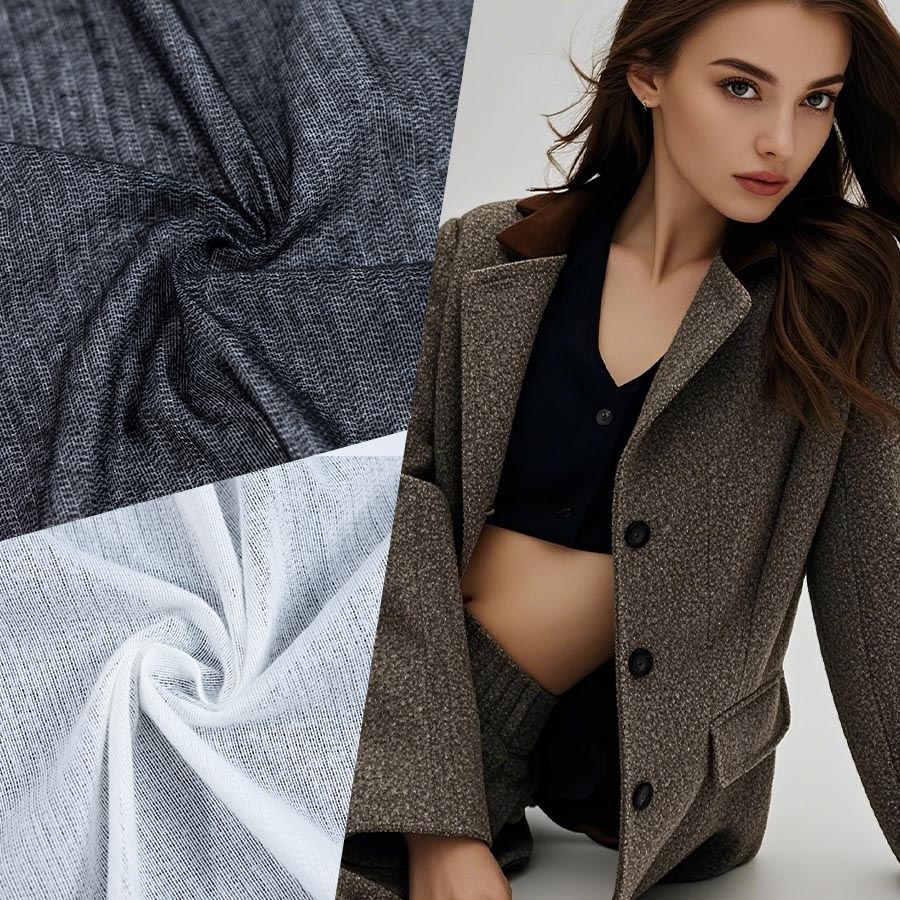
1. Better Match for Natural Fabrics
This is very common.
If the shell fabric is:
- cotton
- linen
- wool
many buyers prefer cotton interfacing inside.
Why?
Because the materials behave more similarly.
That usually gives a more balanced result.
2. Softer Hand Feel
Some synthetic interfacings support well—but can feel too stiff.
Cotton usually feels softer.
That matters in:
- shirts
- dresses
- light jackets
especially where comfort is important.
3. Better Breathability
Cotton naturally allows better airflow.
That can help improve:
- comfort
- moisture control
- overall wearability
Especially in warmer climates, this matters.
Where Is Cotton Interfacing Commonly Used?
This depends on the construction type, but common uses include:
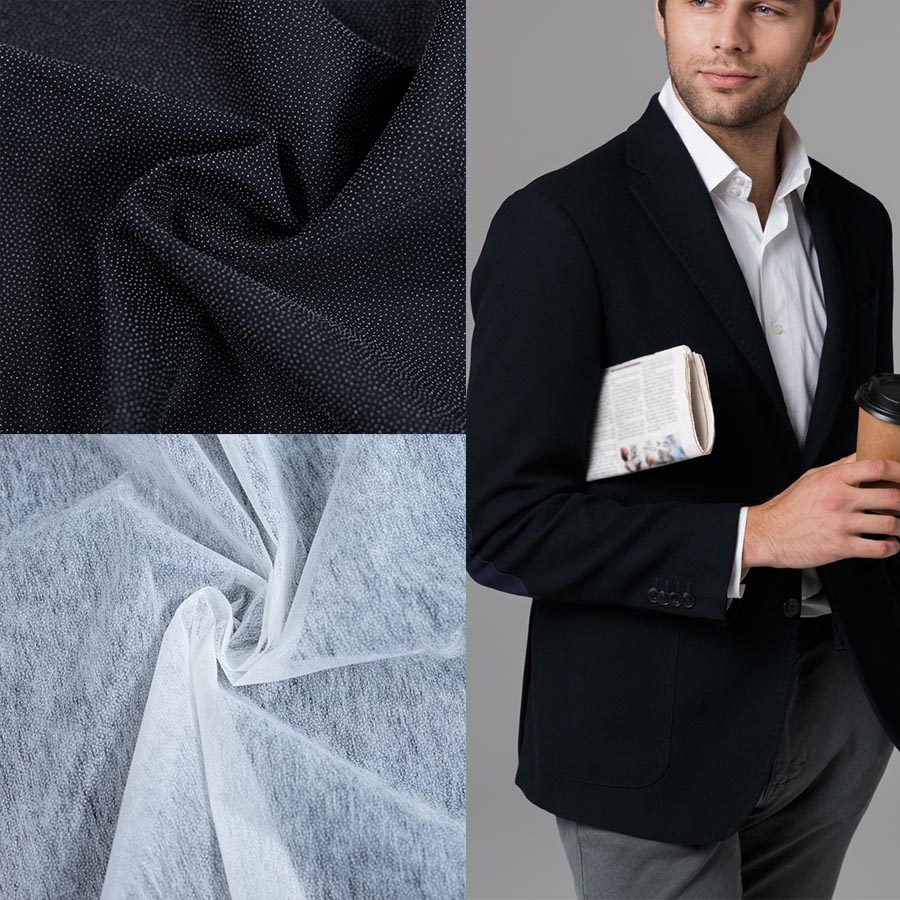
Garments:
- shirts
- blouses
- dresses
- jackets
- uniforms
Garment parts:
- collars
- cuffs
- plackets
- front panels
Also used in:
- sewing projects
- quilting
- craft applications
👉 Simple rule:
if natural fabric feel matters, cotton interfacing is often a good choice
Cotton Interfacing vs Polyester Interfacing
This is one of the most common comparisons.
| Feature | Cotton Interfacing | Polyester Interfacing |
|---|---|---|
| Material Feel | Natural | More synthetic |
| Softness | Higher | Usually firmer |
| Breathability | Better | Lower |
| Cost | Usually higher | Usually lower |
| Common Use | Premium/natural fabrics | General garments |
How to Choose the Right Cotton Interfacing?
Not all cotton interlining is the same.
1. Check Construction Type
Woven cotton:
- more stable
- more structured
Knit cotton:
- more flexible
Choose based on garment type.
2. Match Fabric Weight
Heavy interfacing on light fabric can feel wrong.
Always match weight.
3. Test Shrinkage
This is important.
Because cotton is a natural fiber, pre-testing helps avoid surprises after washing.
Common Problems Buyers Run Into
1. Ignoring Shrinkage
Always test before bulk production.
2. Choosing by Material Only
Cotton matters—but structure matters too.
3. Using Heavy Cotton on Light Fabrics
That can damage hand feel.
FAQ
1. What is cotton interfacing?
It is an interfacing made fully or partly from cotton fibers.
2. Is cotton interfacing better than polyester?
Not always. It depends on the garment and desired feel.
3. Is it breathable?
Yes, usually more breathable than synthetic options.
4. Can it shrink?
Yes, some cotton products may shrink, so testing is recommended.
5. Is it good for shirts?
Yes, very commonly used in shirts.
6. Is soft?
Usually yes.
7. Can it be fused?
Some types can; others are sew-in.
8. How do I choose the right one?
Match it with fabric type, weight, and garment use.
Why Choose UNT (Shanghai Uneed Textile Co., Ltd)?
For cotton interlining, consistency matters.
Small differences in weight or finish can change garment feel.
At UNT, we help customers choose the right interfacing based on real garment applications.
- Over 10 years of experience in interlining and interfacing
- Multiple woven and nonwoven options
- Sample testing support
- Stable production quality
- Reliable export and delivery
We focus on helping customers choose materials that work in real production.
Contact Us
Shanghai Uneed Textile Co., Ltd
TEL: +86-21-33608891
FAX: +86-21-33608892
Email: info@uneed-tex.com
continue reading
Related Posts
- Published On: 2026-05-20
Cotton interfacing offers natural support, soft hand feel, and reliable structure for garments and sewing applications.
- Published On: 2026-05-18
Hair canvas gives suits natural shape, structure, and long-lasting performance in premium tailoring.
- Published On: 2026-05-14
Weft interfacing adds soft structure and better hand feel, often used in coats and outerwear fabrics.


.png)