
What Is Elastic Nonwoven Interlining?
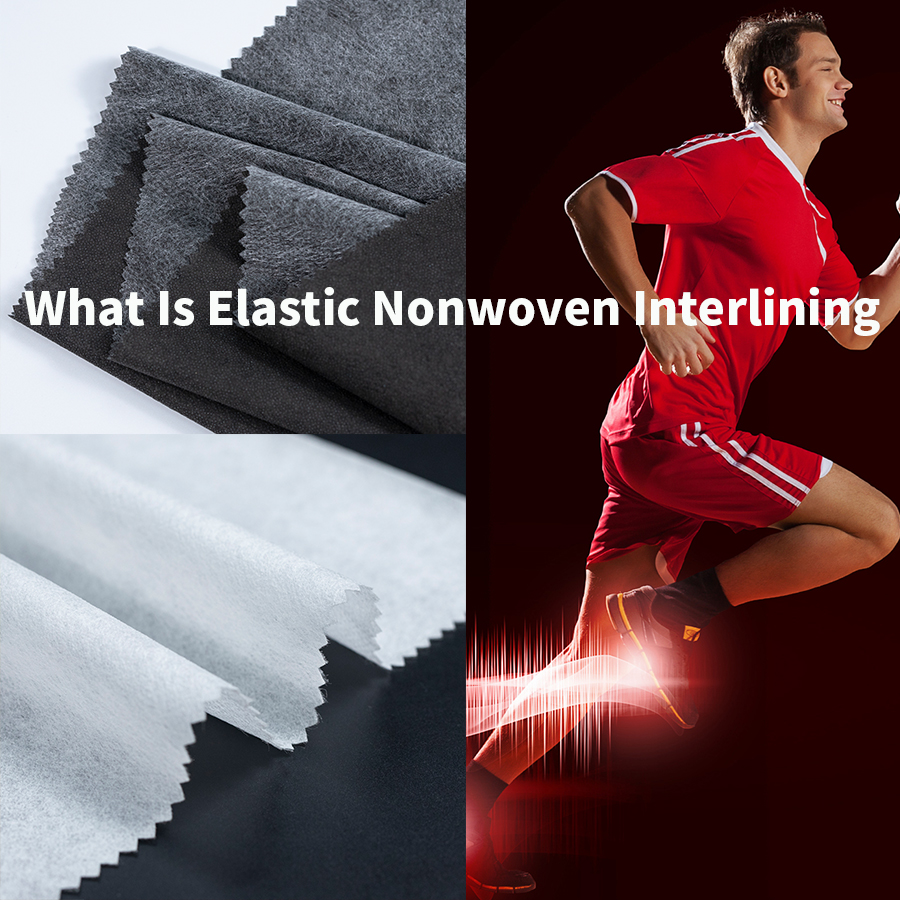
What Is Elastic Nonwoven Interlining?
It’s a type of nonwoven interlining designed to have a certain level of stretch.
Unlike standard nonwoven types, this one can move with the fabric instead of staying completely rigid.
In practice, that means:
- It stretches to a certain degree
- It recovers better after movement
- It doesn’t fight against the outer fabric
You won’t see a big difference just by looking at it, but you can feel it when you pull it slightly.
Why Do Buyers Choose Elastic Nonwoven Interlining?
This usually comes from a problem, not from planning ahead.
1. Fabric and Interlining Don’t Match
A common situation:
- Outer fabric has stretch
- Interlining does not
After fusing, the garment feels restricted.
Switching to elastic interlining helps balance that.
2. Garment Feels Tight in Movement
Even if the fit is correct, lack of flexibility inside can affect comfort.
This is especially noticeable in areas like:
- Waistbands
- Cuffs
- Fitted garments
3. Shape Needs to Stay but Still Move
Some garments need light support, but not stiffness.
Elastic nonwoven interlining gives a middle option.
Where Is It Commonly Used?
This type is not for all products, but in the right place, it makes a clear difference.
Typical applications:
- Stretch garments
- Knitwear
- Fashion apparel with elastane
- Waistbands and fitted areas
Not ideal for:
- Heavy structured garments
- Non-stretch fabrics
- Products where rigidity is required
👉 A simple way to judge:
if the fabric stretches, the interlining should not stop it
How to Choose the Right Elastic Nonwoven Interlining?
This is where some buyers get it wrong.
1. Check Stretch Direction
Some interlinings stretch only in one direction.
You need to match it with your fabric behavior.
2. Don’t Focus Only on Elasticity
Too much stretch can reduce support.
You still need a balance between flexibility and structure.
3. Test with Actual Fabric
This is important.
Even if the interlining itself is elastic, the final result depends on how it bonds with your fabric.
Quick Comparison Table
| Feature | Elastic Nonwoven | Regular Nonwoven | Woven Interlining |
|---|---|---|---|
| Flexibility | Higher | Low | Low |
| Stretch | Yes | No | No |
| Structure Support | Light to medium | Medium | High |
| Best Use | Stretch garments | Basic garments | Structured wear |
| Comfort Level | Higher | Medium | Lower |
Common Problems Buyers Run Into
1. Using Regular Interlining on Stretch Fabric
This leads to restriction and discomfort.
2. Choosing Too Soft
If support is too low, the garment may lose shape.
3. Ignoring Direction of Stretch
Mismatch can affect how the garment behaves after wearing.
FAQ
1. What is elastic nonwoven interlining?
It’s a nonwoven interlining that has stretch to match flexible fabrics.
2. When should I use it?
When your outer fabric has stretch or needs flexibility.
3. Is it stronger than regular nonwoven?
Not necessarily. It’s designed for flexibility, not strength.
4. Can it be used for shirts?
Only if the shirt fabric has stretch.
5. Does it affect garment comfort?
Yes, it improves comfort in movement.
6. Is it suitable for heavy garments?
No, it’s better for lightweight to medium garments.
7. How do I test it?
Fuse it with your fabric and check both stretch and recovery.
8. What is the biggest mistake when using it?
Ignoring the stretch direction.
Why Choose UNT (Shanghai Uneed Textile Co., Ltd)?
For elastic interlining, consistency is even more important than usual.
If the stretch varies between batches, it can affect garment performance.
At UNT, we focus on stable performance, not just specifications.
- Over 10 years of experience in interlining
- Consistent stretch and bonding performance
- Sample testing support with your fabric
- Wide range of nonwoven solutions
- Reliable export and delivery
We help you match the right interlining to how your garment is actually used.
Contact Us
Shanghai Uneed Textile Co., Ltd
TEL: +86-21-33608891
FAX: +86-21-33608892
Email: info@uneed-tex.com
continue reading
Related Posts

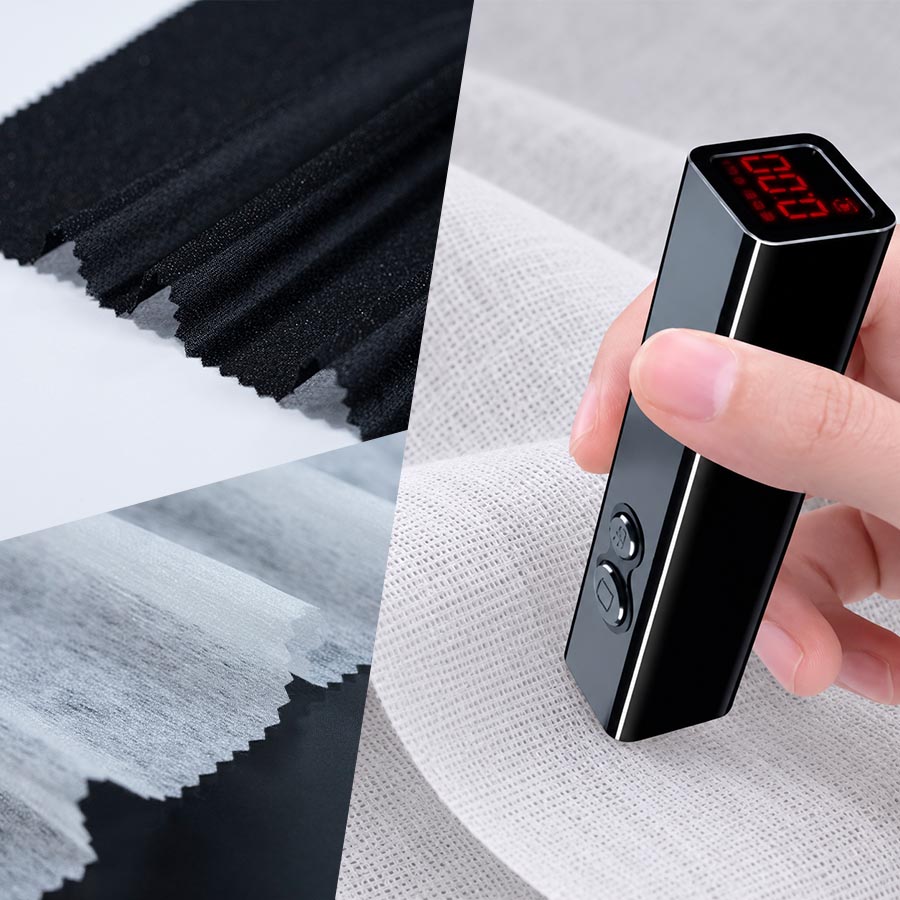
Fluorescence testing for interlining checks fluorescent whitening agents and helps buyers meet garment quality requirements.
-
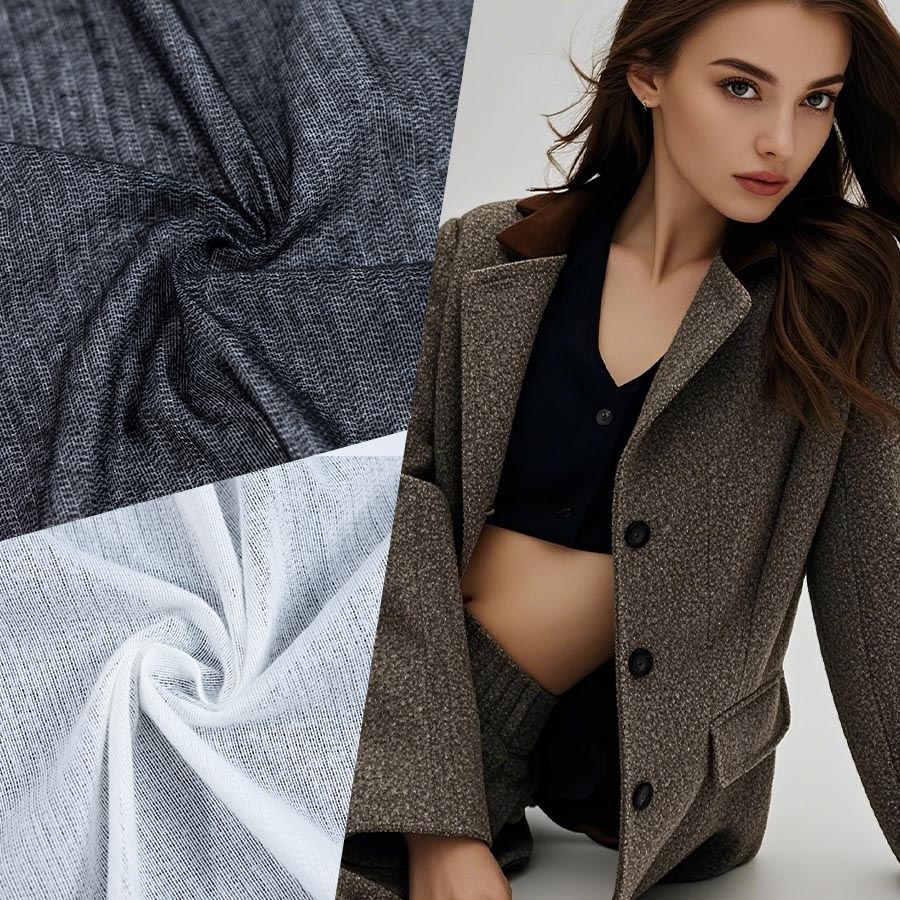
Interlining for wool coats should add shape without making the fabric stiff. Compare woven, napped, and hair interlining options.
-
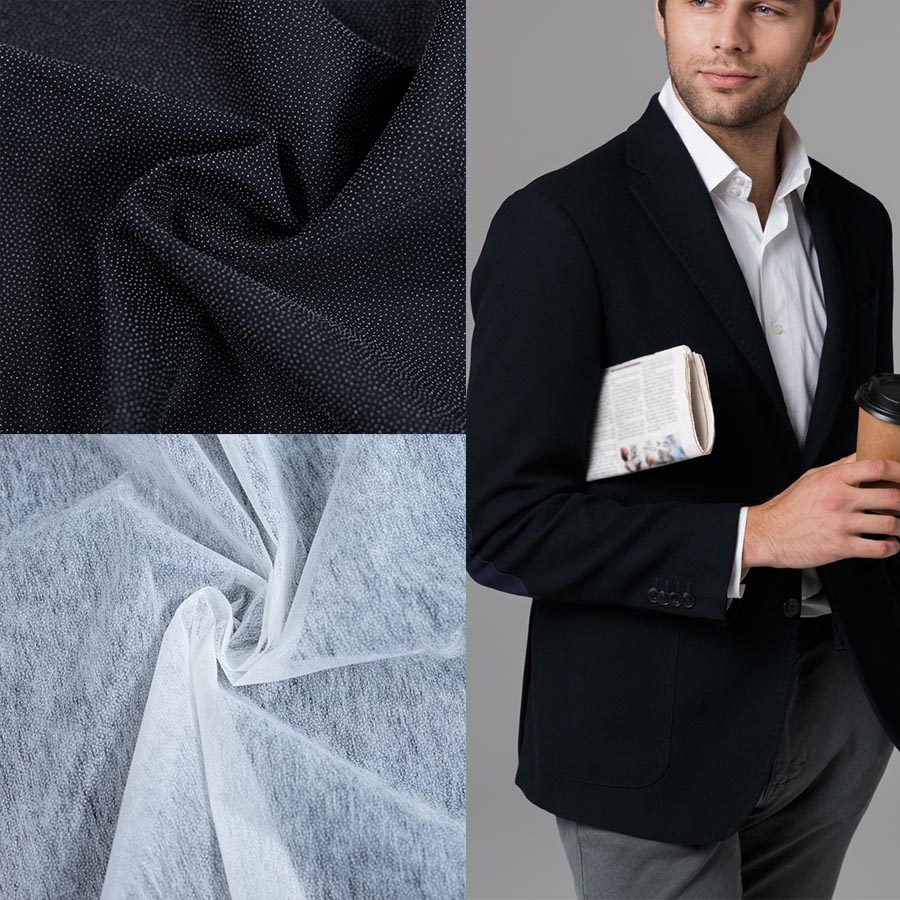
Microdot fusible interlinings use fine adhesive dots for smooth bonding, soft hand feel, and clean garment appearance.
.png)