
What Is Elastic Waistband Interfacing?
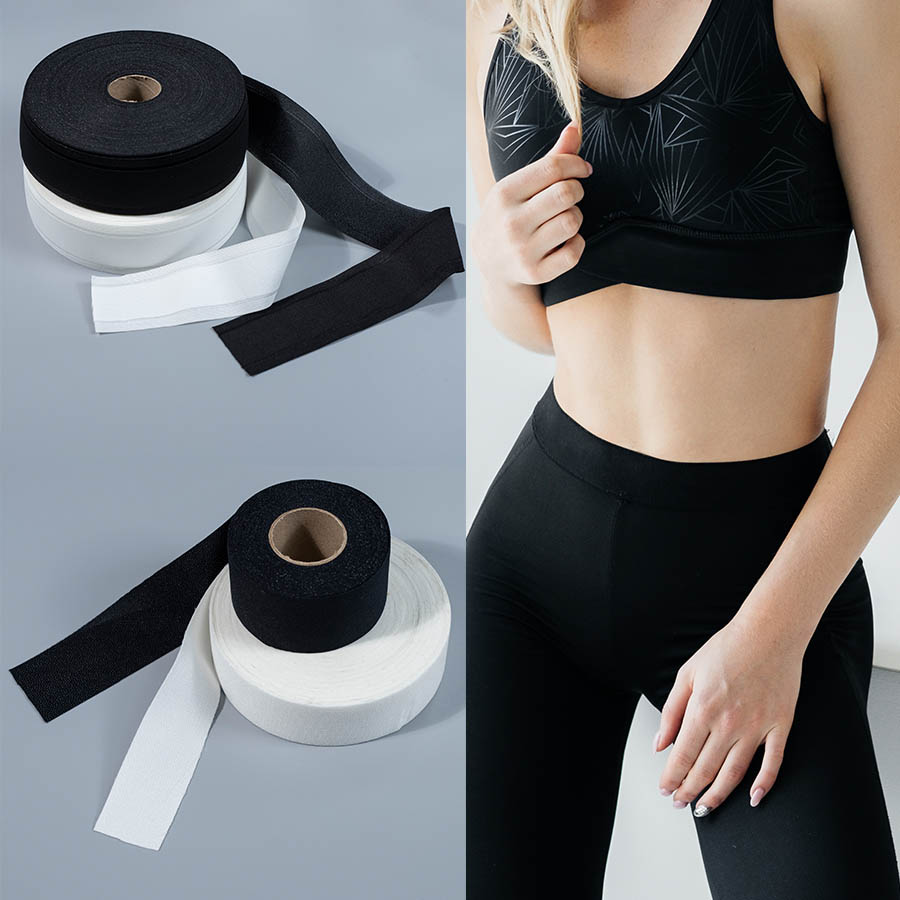
A lot of waistband problems start after the garment is finished.
The waistband looks fine at first.
Then after wearing or washing, problems begin:
- it twists
- it rolls
- it stretches out
- it does not return to shape
Many factories see this.
In many cases, the issue is not the outer fabric.
It is the inside support.
That support is often elastic waistband interfacing.
It helps the waistband stretch when needed, but still stay stable.
That is why it is widely used in modern garment production.
What Is Elastic Waistband Interfacing Used For?
Elastic waistband interfacing is made for waist areas that need both:
- flexibility
- support
A normal rigid interlining can make the waistband too stiff.
A normal elastic tape may stretch, but may not provide enough structure.
Elastic waistband interfacing combines both.
It helps the waistband:
- move with the body
- keep shape
- recover after stretching
That is its main job.
Where Is Elastic Waistband Interfacing Used?
It is mainly used in garments with elastic or semi-elastic waistbands.
Common applications include:
Trousers
Very common in casual and work pants.
Helps the waistband stay flat.
Skirts
Prevents rolling at the waist.
Improves appearance.
Uniforms
Useful when durability matters.
Sportswear
Helps support flexible waist designs.
Children’s Wear
Children’s garments often need comfort and stretch.
This product works well here.
Why Do Garment Factories Use It?
In our experience, buyers usually care about three things:
comfort,
shape,
and durability.
Elastic waistband interfacing helps with all three.
Better Wearing Comfort
The waistband can stretch naturally.
That makes the garment easier to wear.
Especially when sitting or moving.
Better Shape Retention
A waistband should not collapse.
This material helps it stay flat.
Better Recovery
After stretching, it should return.
Good elastic waistband interfacing helps that happen.
Less Waistband Twisting
This is a common complaint.
The right waistband tape helps reduce it.
Our Elastic Waistband Interfacing Types
At UNT, we mainly supply two types.
Overlocked Edge
This type has stitched edges.
Advantages:
- cleaner edge
- less fraying
- easier to handle
Often used in higher-end garments.
Plain Edge
This type has no edge stitching.
Advantages:
- more economical
- easy to cut
- suitable for large production
Very common in mass production.
Product Comparison
| Type | Edge Style | Main Benefit | Common Use |
|---|---|---|---|
| Overlocked Edge | stitched | cleaner finish | premium garments |
| Plain Edge | unstitched | lower cost | mass production |
Common Colors and Sizes
The most common colors are:
- white
- black
These are standard in most factories.
Width can also be customized.
Different waistband designs need different widths.
That is normal.
How to Choose the Right Elastic Waistband Interfacing
Different garments need different specifications.
There is no single standard.
Check Stretch Level
Some garments need more stretch.
Others need less.
Always confirm stretch requirement first.
Check Width
Width matters.
A narrow waistband and a wide waistband need different tapes.
Always match the pattern.
Check Fabric Type
Heavy fabrics usually need stronger support.
Light fabrics usually need softer support.
Always Test After Washing
This is important.
We always recommend checking:
- recovery
- shrinkage
- twisting
- edge stability
before bulk production.
This avoids problems later.
Common Buyer Mistakes
Many problems happen because of simple mistakes.
Choosing Only by Price
Low price can look attractive.
But unstable elastic creates complaints later.
Ignoring Recovery
Stretch is not enough.
Recovery matters more.
It must return.
Not Testing Width
Wrong width causes sewing problems.
This happens often.
Skipping Wash Test
A sample may look good.
After washing, it may change.
Always test.
FAQ
1. What is elastic waistband interfacing?
It is a waistband support tape with stretch.
2. Is it the same as elastic tape?
No.
It provides support as well as stretch.
3. Is it used in trousers?
Yes, very commonly.
4. Can it be used in skirts?
Yes.
Many skirt waistbands use it.
5. Do you offer black and white?
Yes.
Both are standard.
6. Do you offer overlocked edge?
Yes.
We supply that.
7. Can width be customized?
Yes.
Custom width is available.
8. Should it be wash tested?
Yes.
Always recommended before bulk orders.
Why Choose UNT?
We do not treat elastic waistband interfacing as just another tape.
We understand how it performs inside real garments.
That matters.
At UNT, we have over 10 years of interlining experience.
Customers work with us because we offer:
- stable product quality
- black and white options
- overlocked and plain edge options
- sample support
- fast response
- reliable export service
Our goal is simple:
help customers avoid production problems before bulk order.
Contact Us
Shanghai Uneed Textile Co., Ltd
TEL: +86-21-33608891
FAX: +86-21-33608892
Email: info@uneed-tex.com
continue reading
Related Posts

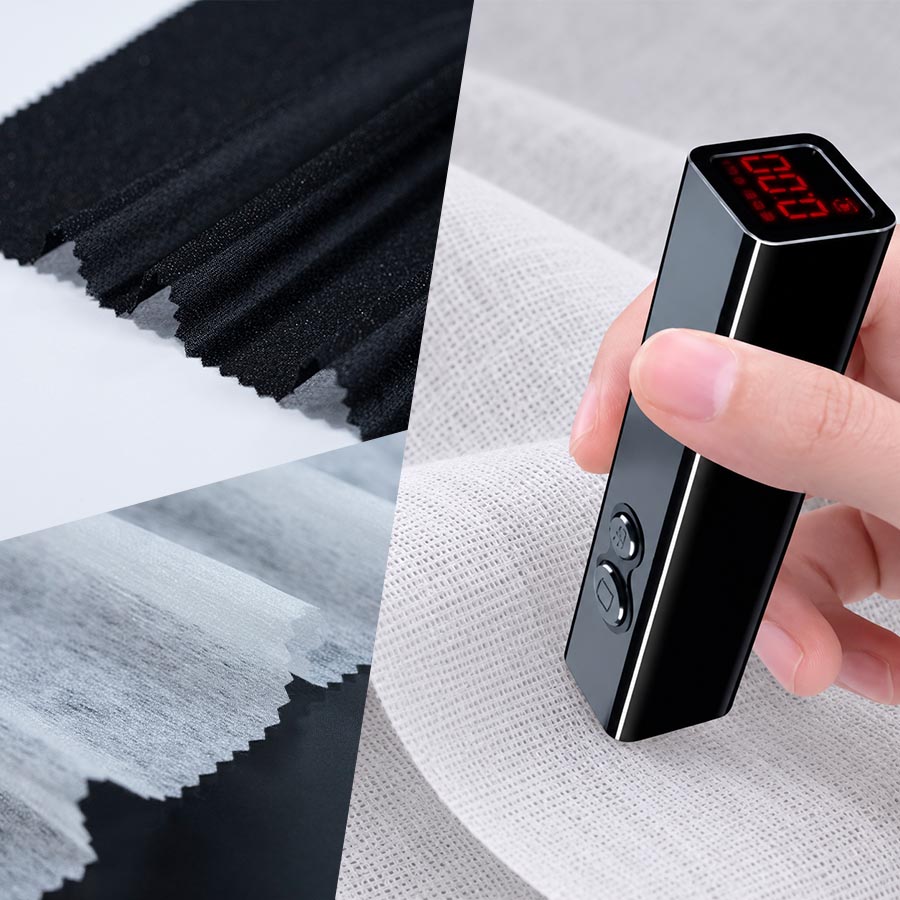
Fluorescence testing for interlining checks fluorescent whitening agents and helps buyers meet garment quality requirements.
-
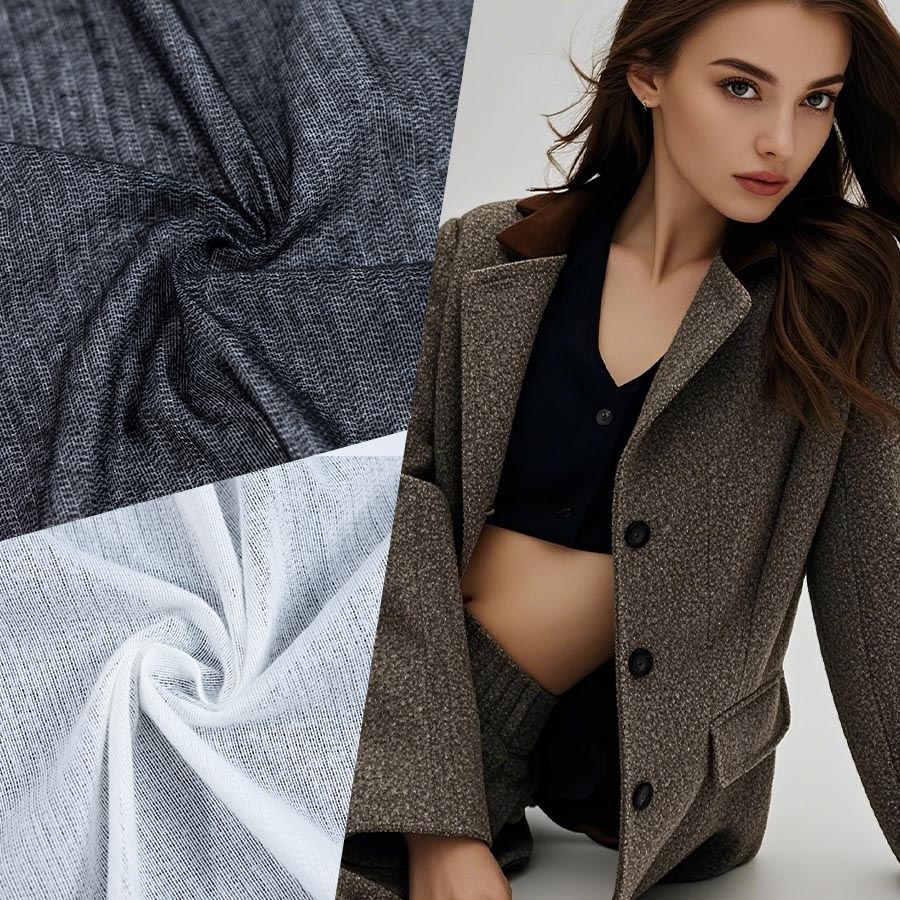
Interlining for wool coats should add shape without making the fabric stiff. Compare woven, napped, and hair interlining options.
-
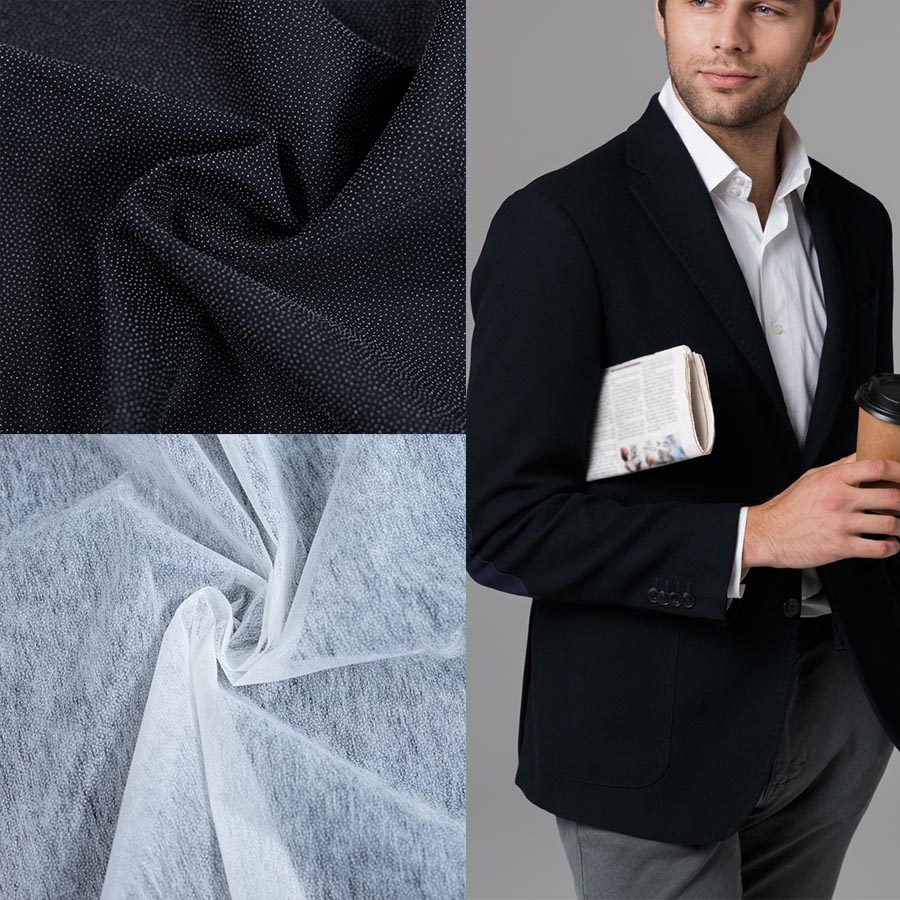
Microdot fusible interlinings use fine adhesive dots for smooth bonding, soft hand feel, and clean garment appearance.
.png)