
What Is Hair Canvas Interfacing?
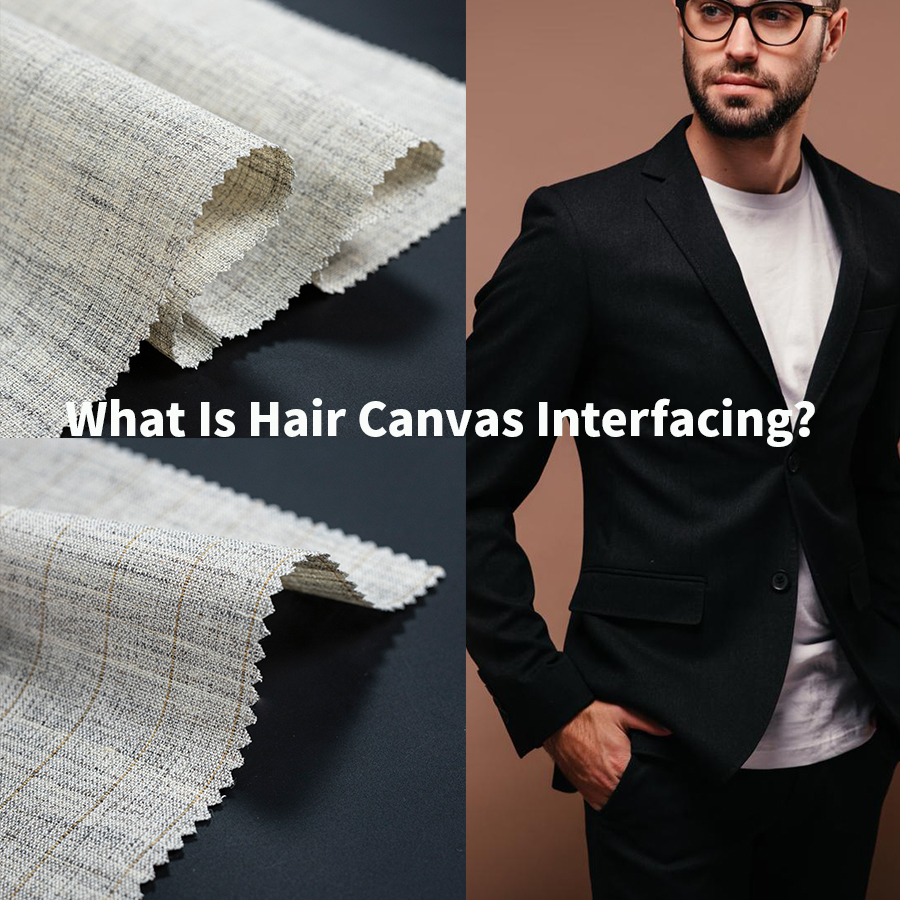
If you’ve ever compared a cheap suit with a high-end one, the difference is not just the outer fabric.
One holds its shape over time. The other starts to look flat after wearing.
A big part of that difference comes from what’s inside —
hair canvas interfacing.
In many tailoring orders, this is not something optional. It’s what gives the garment its structure.
What Is Hair Canvas Interfacing?
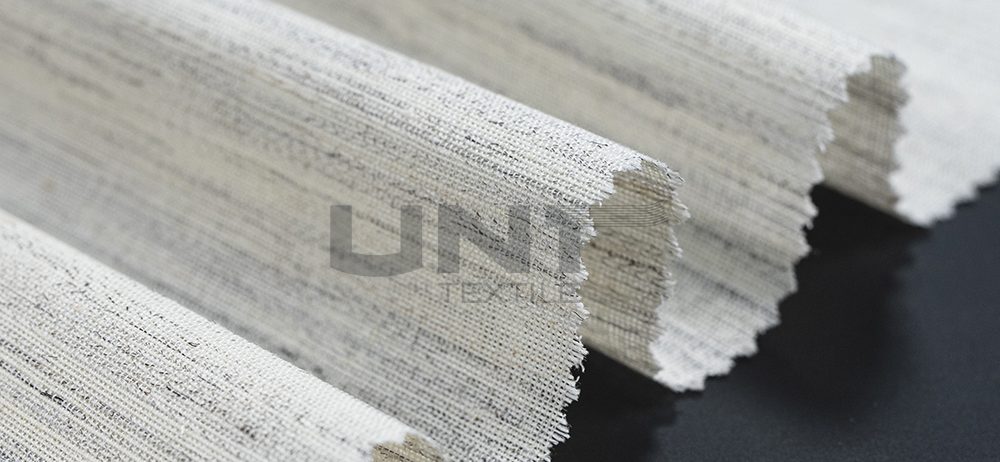
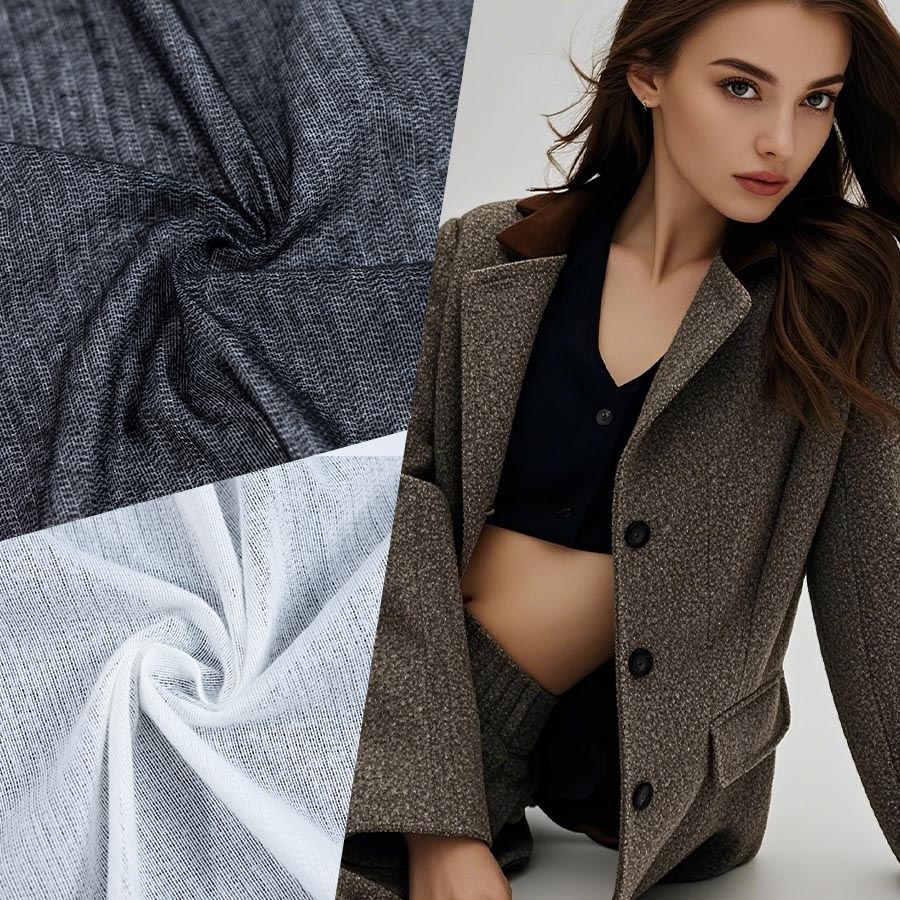
Hair canvas interfacing (also known in the trade as hair interlining) is a woven material made from a mix of natural fibers.
Typical blends include:
- Horsehair
- Wool
- Cotton
- Sometimes synthetic fibers for stability
Unlike nonwoven types, this is a real fabric with structure.
When used inside a garment, it doesn’t just “support” — it helps shape the garment over time.
Why Do Tailors and Brands Use Hair Canvas?
This is not a cost-driven choice. It’s a result-driven one.
1. It Creates Natural Shape
Instead of forcing the fabric to stay stiff, it works with the fabric.
That’s why high-end suits don’t look “hard,” but still hold their form.
2. It Ages Better
In real use, cheaper interlinings can break down or lose structure after washing or wearing.
Hair canvas behaves differently.
With proper use, it actually molds slightly to the wearer’s body over time.
3. It Improves Breathability
Because of the fiber blend and woven structure, it allows better air movement compared to fully fused constructions.
Where Is Hair Canvas Interfacing Used?
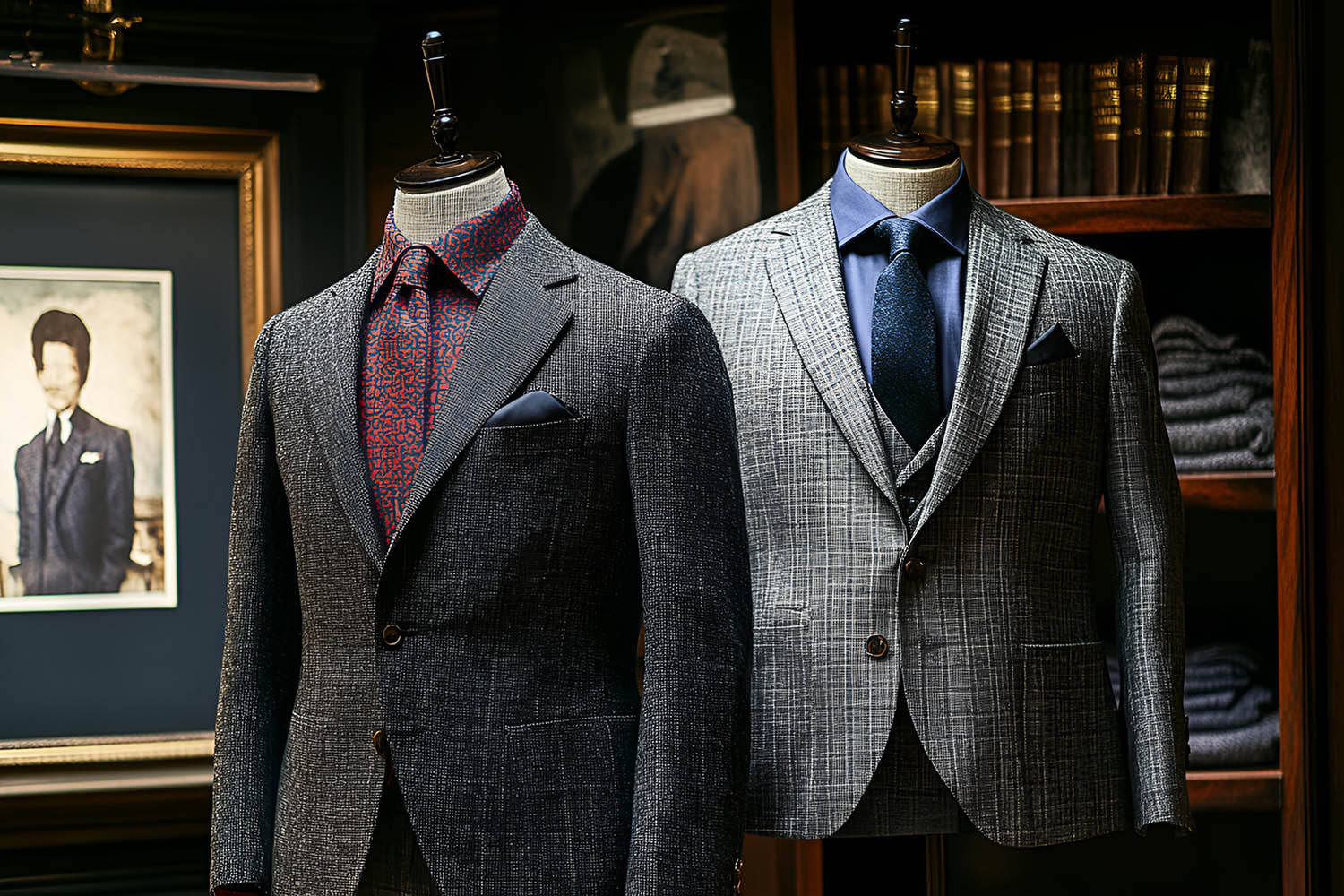
This type is mainly used in higher-end garments.
Common applications:
- Suit jackets
- Blazers
- Tailored coats
- Formal wear
Not suitable for:
- Low-cost garments
- Lightweight casual wear
- Mass production products
👉 In simple terms:
this is for garments where structure and quality matter more than cost
How Is It Different from Regular Interfacing?
Many buyers compare this with fusible interfacings.
The biggest difference is how it works inside the garment.
Hair Canvas Interfacing:
- Usually sewn in (not just fused)
- Moves naturally with fabric
- Creates long-term shape
Regular Fusible Interfacing:
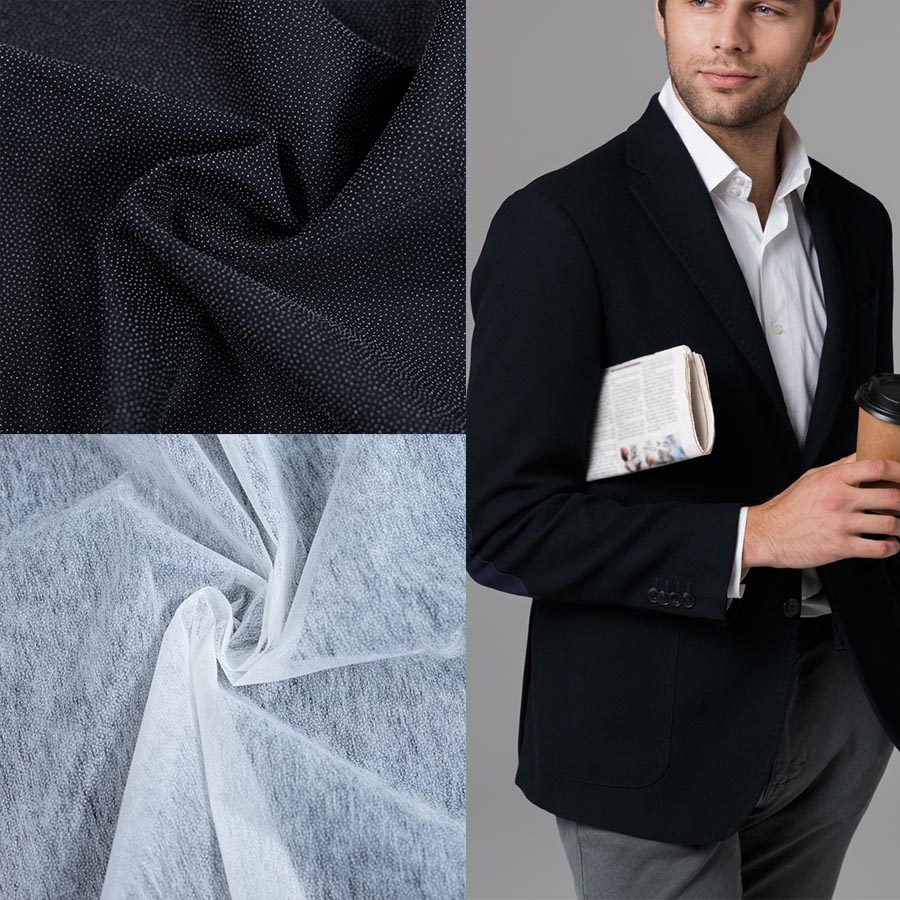
- Bonded with adhesive
- Faster in production
- More cost-efficient
Quick Comparison Table
| Feature | Hair Canvas Interfacing | Regular Fusible Interfacing |
|---|---|---|
| Structure | Woven | Nonwoven / knit |
| Application | Sewn or partially sewn | Fused |
| Hand Feel | Natural | Can feel stiff |
| Durability | High | Medium |
| Cost | High | Lower |
| Best Use | Suits, tailoring | Mass garments |
When Should You Choose Hair Canvas?
In real orders, the decision usually comes down to positioning.
Choose it when:
- You are producing high-end suits
- The garment needs long-term shape
- You want a more natural look and feel
Avoid it when:
- Cost is the main concern
- Production speed is critical
- The garment is simple or casual
Common Mistakes Buyers Make
1. Using It for the Wrong Product Level
This material is often unnecessary for basic garments.
2. Ignoring Construction Method
Hair canvas usually requires more skilled sewing, not just fusing.
3. Expecting It to Behave Like Fusible Interfacing
It works differently and needs to be handled differently.
FAQ
1. What is hair canvas interfacing?
It’s a woven interfacing made from natural fibers like horsehair and wool, used in tailored garments.
2. Is it the same as hair interlining?
Yes, they refer to the same type of material, just different naming.
3. Why is it used in suits?
It helps create natural shape and long-term structure.
4. Is it better than fusible interfacing?
For high-end garments, yes. For cost and speed, no.
5. Does it require sewing?
Yes, in most cases it is sewn in, not just fused.
6. Is it suitable for shirts?
No, it’s too heavy and not needed.
7. Why is it more expensive?
Because of material composition and more complex application.
8. How do I know if I need it?
If your product is positioned as premium tailoring, it’s worth considering.
Why Choose UNT (Shanghai Uneed Textile Co., Ltd)?
For products like hair canvas, consistency and material quality matter more than anything.
At UNT, we focus on stable composition and reliable supply.
- Over 10 years of experience in interlining and interfacing
- Stable fiber blends and weaving quality
- Support for sampling and testing
- Experience with export markets
- Reliable production and delivery
We understand that for tailoring products, small material differences can affect the final garment.
Contact Us
Shanghai Uneed Textile Co., Ltd
TEL: +86-21-33608891
FAX: +86-21-33608892
Email: info@uneed-tex.com
continue reading
Related Posts

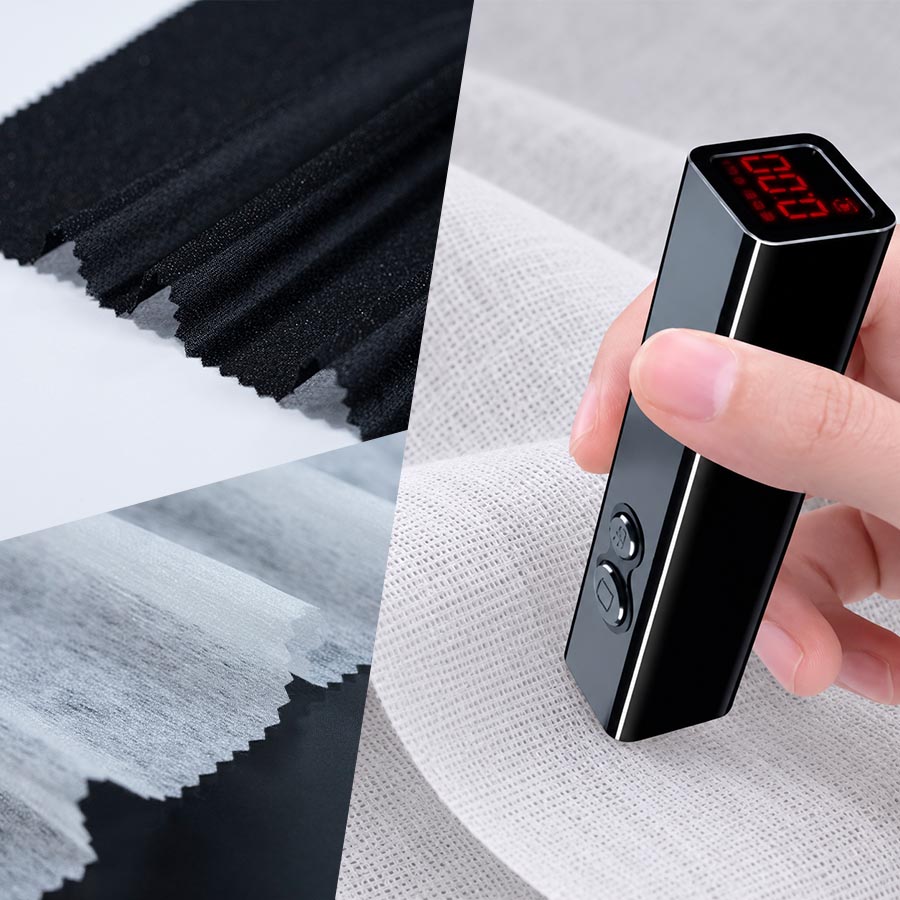
Fluorescence testing for interlining checks fluorescent whitening agents and helps buyers meet garment quality requirements.
-
Interlining for wool coats should add shape without making the fabric stiff. Compare woven, napped, and hair interlining options.
-
Microdot fusible interlinings use fine adhesive dots for smooth bonding, soft hand feel, and clean garment appearance.
.png)