
What Is Horse Hair Interfacing?
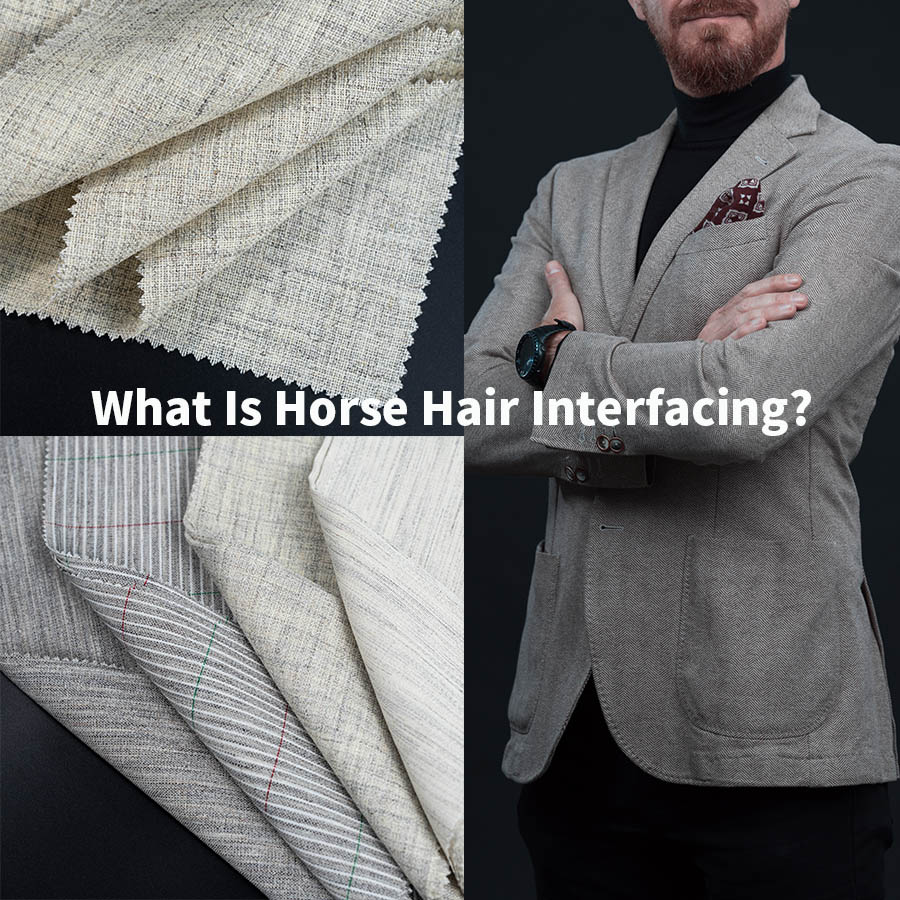
Horse hair interfacing is a structured garment support material made with natural horsehair fibers blended with other materials.
Typical components include:
- horsehair
- wool
- cotton
- support fibers when needed
It is mainly used in tailoring and structured garments.
Its purpose is not only to add support—but to help the garment move naturally while keeping shape.
Why Choose Horse Hair Instead of Synthetic Materials?
This is where the main difference appears.
1. Natural Resilience
Horsehair bends differently.
After pressure or movement, it naturally tends to recover.
Inside a garment, that helps maintain shape over time.
This is especially useful in:
- suit fronts
- lapels
- chest areas
2. More Natural Garment Movement
Synthetic materials can sometimes feel rigid.
Horse hair interfacing usually feels more flexible and responsive.
That creates a more natural wearing experience.
3. Traditional Tailoring Performance
There is a reason this material has stayed in tailoring for decades.
Not because it is trendy.
Because it works.
Many traditional tailoring methods were designed around materials like this.
Where Is Horse Hair Interfacing Used?
It is mainly used in higher-end garments.
Typical applications:
- tailored suits
- blazers
- formal coats
- bespoke garments
Less common in:
- casualwear
- fast fashion
- low-cost garments
👉 Simple rule:
if garment quality matters more than production speed, horse hair is worth considering
Horse Hair Interfacing vs Synthetic Interfacing
This is a common sourcing decision.
| Feature | Horse Hair Interfacing | Synthetic Interfacing |
|---|---|---|
| Main Material | Natural fibers | Synthetic fibers |
| Shape Recovery | High | Medium |
| Garment Movement | More natural | More fixed |
| Cost | Higher | Lower |
| Typical Use | Premium tailoring | Mass production |
How to Choose the Right Horse Hair Interfacing?
Not every garment needs it.
The right decision depends on your product.
1. Define Your Market Position
Premium market? → strong option.
Price-driven market? → may not be necessary.
2. Match It to Garment Type
It works best in garments that need shape and long-term performance.
3. Confirm Tailoring Method
Most horse hair interfacing is used in sewn constructions.
Production capability matters.
Common Problems Buyers Run Into
1. Choosing It Only Because It Sounds Premium
It should solve a garment problem—not just add cost.
2. Ignoring Construction Skill
Good material still needs proper tailoring.
3. Comparing Only Price
Performance matters more than unit cost in this category.
FAQ
1. What is horse hair interfacing?
It is a natural-fiber interfacing used in premium tailoring.
2. Is it the same as hair canvas?
Often yes, depending on construction.
3. Why use horsehair?
Because it gives natural resilience and shape recovery.
4. Is it better than synthetic interfacing?
For premium tailoring, often yes.
5. Is it expensive?
Usually more expensive than synthetic options.
6. Is it used in suits?
Yes, very commonly.
7. Does it improve comfort?
Yes, especially in tailored garments.
8. How do I know if I need it?
If your product is premium and structured, it may be the right choice.
Why Choose UNT (Shanghai Uneed Textile Co., Ltd)?
Natural tailoring materials require consistency.
Small differences in horsehair content can affect final garment shape.
At UNT, we focus on stable material quality and practical garment use.
- Over 10 years of experience in interlining and tailoring materials
- Stable horse hair interfacing production
- Sampling and testing support
- Reliable export service
- Experience serving premium garment manufacturers
We help customers choose materials that match real production needs.
Contact Us
Shanghai Uneed Textile Co., Ltd
TEL: +86-21-33608891
FAX: +86-21-33608892
Email: info@uneed-tex.com
continue reading
Related Posts

Fluorescence testing for interlining checks fluorescent whitening agents and helps buyers meet garment quality requirements.
-
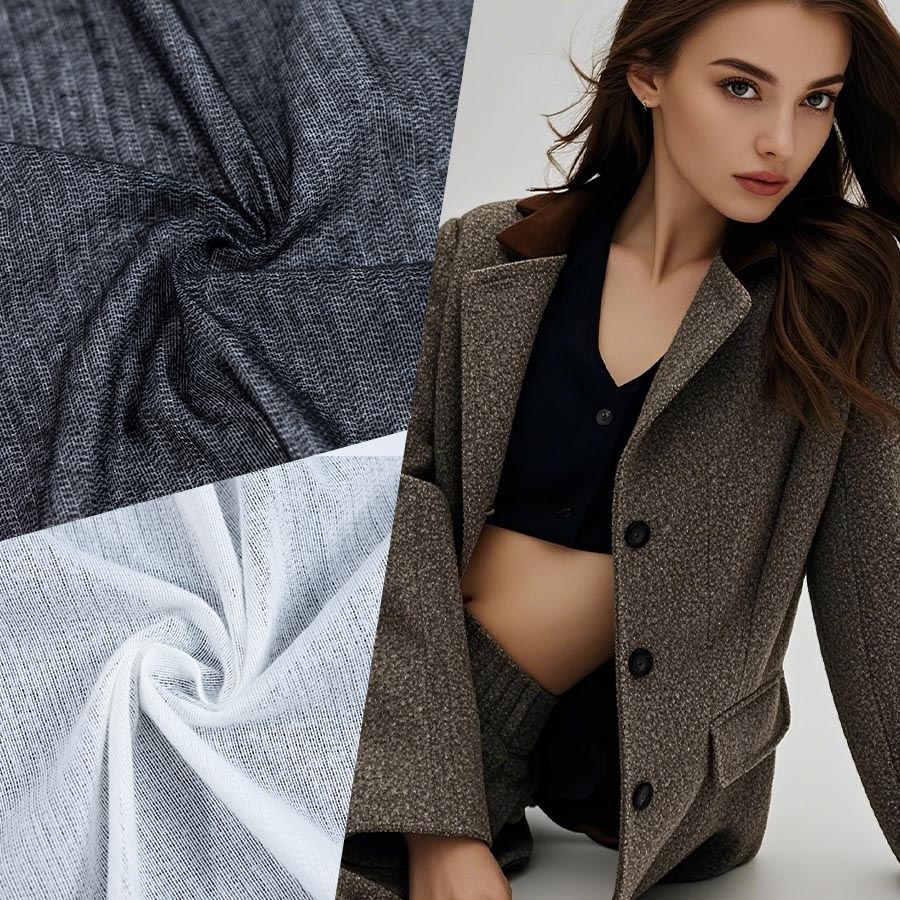
Interlining for wool coats should add shape without making the fabric stiff. Compare woven, napped, and hair interlining options.
-
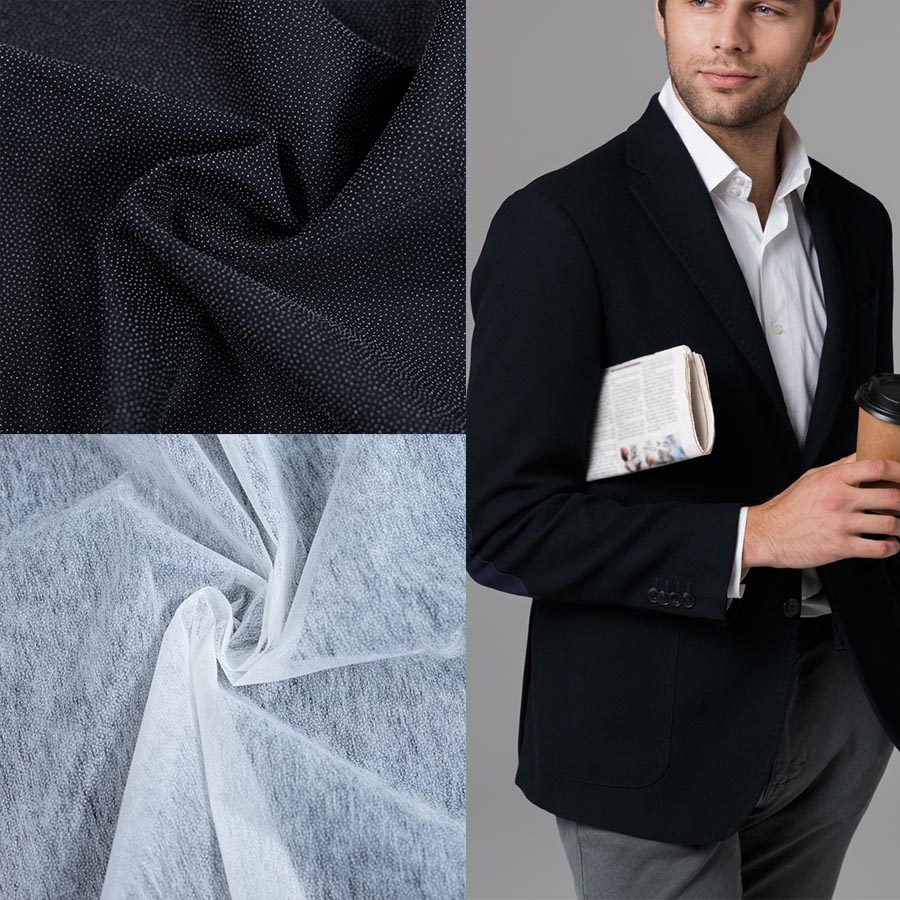
Microdot fusible interlinings use fine adhesive dots for smooth bonding, soft hand feel, and clean garment appearance.
.png)