
What Is Sew in Interlining and How Is It Used in Garments?
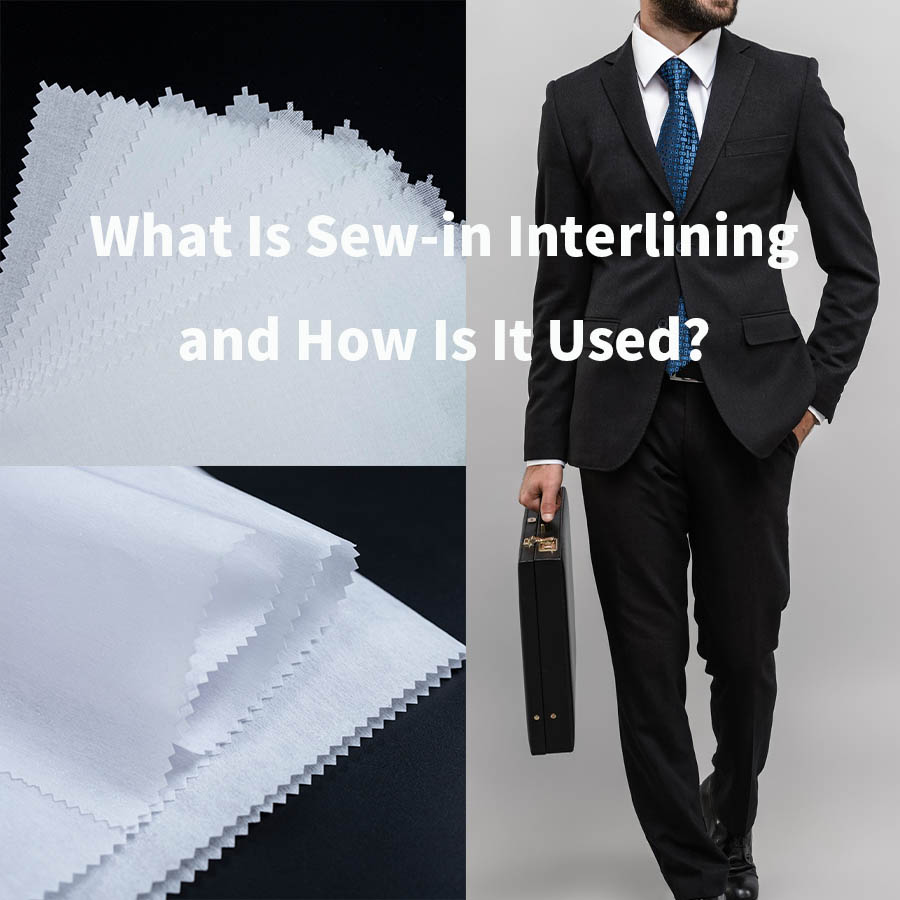
Some garment fabrics cannot be fused safely with heat and pressure. Others need support without losing their natural movement or surface appearance. In these cases, garment manufacturers may choose Sew in Interlining instead of a fusible product.
In general garment sourcing, this term usually refers to an uncoated interlining that is fixed inside the garment by stitching. A common example is chemical bond nonwoven interlining without a hot-melt adhesive coating.
Some buyers also use the term when looking for non-fusible shirt interlining. However, specialist products such as hair interlining and tie interlining are normally purchased under their own product names.
What Is Sew in Interlining?
Sew-in interlining is a supporting material placed between the outer fabric and the garment lining, or sewn directly onto a specific garment part.
Unlike fusible interlining, it does not have a heat-activated adhesive coating on its surface. The material is secured by sewing, edge stitching, overlocking or other garment construction methods.
Its main functions include:
- Supporting the outer fabric
- Improving garment shape
- Stabilizing collars, cuffs and plackets
- Reducing unwanted stretching
- Strengthening small garment parts
- Helping the garment keep a clean appearance
The final result depends on the interlining weight, thickness, fiber composition and hand feel.
Why Is Chemical Bond Nonwoven Commonly Used?
Chemical bond nonwoven is one of the most common base materials used for general-purpose Sew-in Interlining.
During production, short fibers are formed into a web. A chemical binder is then applied to hold the fibers together. After drying and curing, the fabric gains enough strength and stability for cutting and sewing.
It is important to understand the difference between a chemical binder and a fusible adhesive.
Chemical Binder
The binder is used inside the nonwoven structure. Its purpose is to connect the fibers and form a stable fabric.
Fusible Adhesive
A fusible adhesive is applied to the surface of the interlining. It melts under heat and pressure, allowing the interlining to bond with the garment fabric.
Therefore, chemical bond nonwoven does not automatically mean fusible interlining.
An uncoated chemical bond nonwoven can be used as a sew-in product. The same type of base fabric can also receive a hot-melt adhesive coating and become fusible interlining.
How Is Sew in Nonwoven Interlining Produced?
The exact production process may vary, but a typical chemical bond nonwoven product goes through the following stages.
1. Fiber Opening and Blending
Polyester or other staple fibers are opened and mixed evenly. Fiber selection affects softness, strength, thickness and surface appearance.
2. Web Formation
The prepared fibers are formed into a uniform web. Good web formation helps keep the weight and thickness consistent across the width.
3. Binder Application
A chemical binder is applied to the fiber web. The binder formula and application amount influence the final stiffness and durability.
4. Drying and Curing
The treated web passes through a drying system. Heat removes moisture and cures the binder so that the fibers remain connected.
5. Finishing
The fabric may be finished to achieve a soft, medium, firm or crisp hand feel, depending on the garment application.
6. Inspection and Packing
The finished rolls are inspected for weight, width, appearance and roll condition before packing.
For a sew-in grade, no hot-melt adhesive dots or fusible coating are added to the surface.
What Materials Are Commonly Used?
Polyester is widely used because it offers stable quality, good strength and flexible hand-feel options.
Depending on the product requirement, sew in nonwoven interlining may be made from:
- 100% polyester
- Polyester and viscose blends
- Customized staple fiber blends
Sew-in shirt interlining may use a woven construction instead of a nonwoven structure. Common shirt interlining materials include cotton, polyester and polyester-cotton blends.
Buyers should always confirm whether they need a nonwoven garment interlining or a woven shirt interlining before placing an order.
What Are the Main Advantages?
No Fusing Process Is Required
The interlining is attached by stitching, so the garment factory does not need to bond it over a large area with heat and pressure.
This can be useful when the outer fabric cannot tolerate standard fusing conditions.
Natural Fabric Movement
A fusible product creates a bonded structure between the outer fabric and interlining. A sew-in product remains more independent inside the garment.
This can help preserve a softer drape and more natural movement.
Suitable for Heat-Sensitive Fabrics
Some fabrics may shrink, shine, discolor or change texture during pressing. A non-fusible product reduces the need for direct fusing.
However, normal garment pressing may still be required during sewing and finishing.
Flexible Support
The garment maker can control where and how the interlining is attached. It may be fixed along selected edges or seams instead of being bonded over the entire surface.
Different Hand Feels Are Available
Sew-in products can be developed with soft, medium or firm support.
A lightweight dress fabric may need a soft and flexible grade, while a collar or pocket flap may require more body and stability.
Where Is Sew in Interlining Used?
Applications depend on the product weight, stiffness and garment design.
Common uses include:
- Jacket front parts
- Dress panels
- Collars
- Cuffs
- Front plackets
- Pocket openings
- Pocket flaps
- Hems
- Facings
- Uniforms
- Costumes
- Small garment components
A single specification is not suitable for every application. Collar interlining, for example, usually needs more shape retention than a lightweight dress panel.
Testing the interlining together with the outer fabric is the safest way to confirm the correct combination.
Sew in Interlining vs. Fusible Interlining
Both types are used to improve garment structure, but their application methods are different.
| Feature | Sew in Interlining | Fusible Interlining |
|---|---|---|
| Surface adhesive | No heat-activated adhesive coating | Hot-melt adhesive coating |
| Application method | Fixed by sewing | Bonded with heat and pressure |
| Common base material | Often chemical bond nonwoven | Nonwoven, woven or knitted |
| Effect on outer fabric | Usually keeps more natural movement | Forms a bonded composite structure |
| Equipment requirement | Sewing and positioning equipment | Fusing press and controlled settings |
| Suitable fabrics | Heat-sensitive or special fabrics | Fabrics compatible with the adhesive |
| Main quality factors | Weight, thickness, stiffness and sewability | Base fabric, adhesive and fusing performance |
Neither type is automatically better.
Fusible interlining is efficient for large-scale garment production and can provide stable bonding. Sew-in products are useful when the fabric, garment structure or production method makes fusing unsuitable.
Is Shirt Interlining Available in Sew-in Form?
Yes. Some traditional, casual and specialty shirts use non-fusible woven interlining in collars, collar bands, cuffs and plackets.
A woven shirt interlining may be loosely secured inside the garment instead of being bonded to the shirt fabric.
This construction can create a more natural collar appearance and allow the shell fabric to move more freely. It is also useful when the shirt fabric is sensitive to heat or when the manufacturer wants to avoid adhesive showing through a thin fabric.
When a buyer asks for shirt Sew-in Interlining, the supplier should confirm:
- Woven or nonwoven construction
- Fiber composition
- Fabric weight
- Required stiffness
- Collar or cuff application
- Washing requirements
- Shrinkage tolerance
Are Hair Interlining and Tie Interlining Included?
Hair interlining, hair canvas and tie interlining are also non-fusible materials in terms of application. They are normally sewn or enclosed inside the finished garment or tie.
However, buyers usually search for these materials by their specific product names.
For this reason, the general term Sew-in Interlining is more often used for uncoated chemical bond nonwoven interlining or, in some cases, non-fusible shirt interlining.
Treating these products as separate categories makes product communication clearer.
How Do You Select the Right Product?
Choosing only by weight is not enough. Two interlinings with the same weight may have very different stiffness, thickness and recovery.
Several factors should be checked before production.
Garment Part
A jacket front, collar, cuff and pocket flap require different levels of support.
Outer Fabric
The interlining should match the weight, stretch, texture and drape of the outer fabric.
Hand Feel
Buyers should state whether they need a soft, flexible, medium, firm or crisp result.
Thickness
A heavier product is not always thicker, and a thicker product is not always stiffer. Physical samples are useful when comparing options.
Care Method
The supplier should know whether the finished garment will be machine washed, dry cleaned, garment washed or industrially laundered.
Shrinkage
The interlining and outer fabric should have compatible dimensional stability. Excessive shrinkage differences may affect the garment after washing.
Sewing Performance
The material should be easy to cut and sew without excessive fiber loss, deformation or edge damage.
Why Choose Uneed?
Uneed supplies interlining and garment support materials for different clothing applications.
Our service can include:
- Uncoated chemical bond nonwoven options
- Different weights, widths and hand feels
- Soft, medium and firm support levels
- Woven shirt interlining options
- Color and roll-length customization
- Sample matching based on reference quality
- Support for garment application selection
- Inspection of weight, width and roll condition
- Export packing for international delivery
Because garment fabrics and construction methods vary, we recommend sample testing before bulk production.
Frequently Asked Questions
Does sew in interlining contain glue?
It does not have a heat-activated fusible adhesive coating. Chemical bond nonwoven grades may still contain a binder inside the fabric to hold the fibers together.
Is chemical bond nonwoven always non-fusible?
No. Chemical bond describes how the base nonwoven fabric is formed. It can be supplied without coating for sewing or coated with hot-melt adhesive for fusing.
Is sew in interlining the same as non-fusible interlining?
The two terms are often used with the same general meaning. “Sew-in” describes how the material is attached, while “non-fusible” means it is not bonded with a heat-activated adhesive.
Can it be used for collars and cuffs?
Yes, but the weight and stiffness must match the garment design. Shirt collars may use woven sew-in shirt interlining, while other garments may use nonwoven grades.
Is sew in interlining suitable for washable garments?
It can be used in washable garments when the fiber, binder and finishing are suitable. Washing and shrinkage tests should be completed before bulk production.
What information should buyers provide?
Buyers should provide the material, weight, width, color, hand feel, garment application, washing method, order quantity and any available reference sample.
Conclusion
Sew in Interlining is a practical choice for garments that need support without a heat-activated adhesive coating.
In most general garment inquiries, the term refers to uncoated chemical bond nonwoven interlining. Some buyers may also use it for non-fusible woven shirt interlining.
The correct product should be selected according to the outer fabric, garment part, required hand feel and care method. Sample testing helps confirm that the interlining provides enough support without changing the garment’s intended appearance or movement.
Contact Uneed to discuss your fabric, garment application and required interlining performance.
continue reading
Related Posts

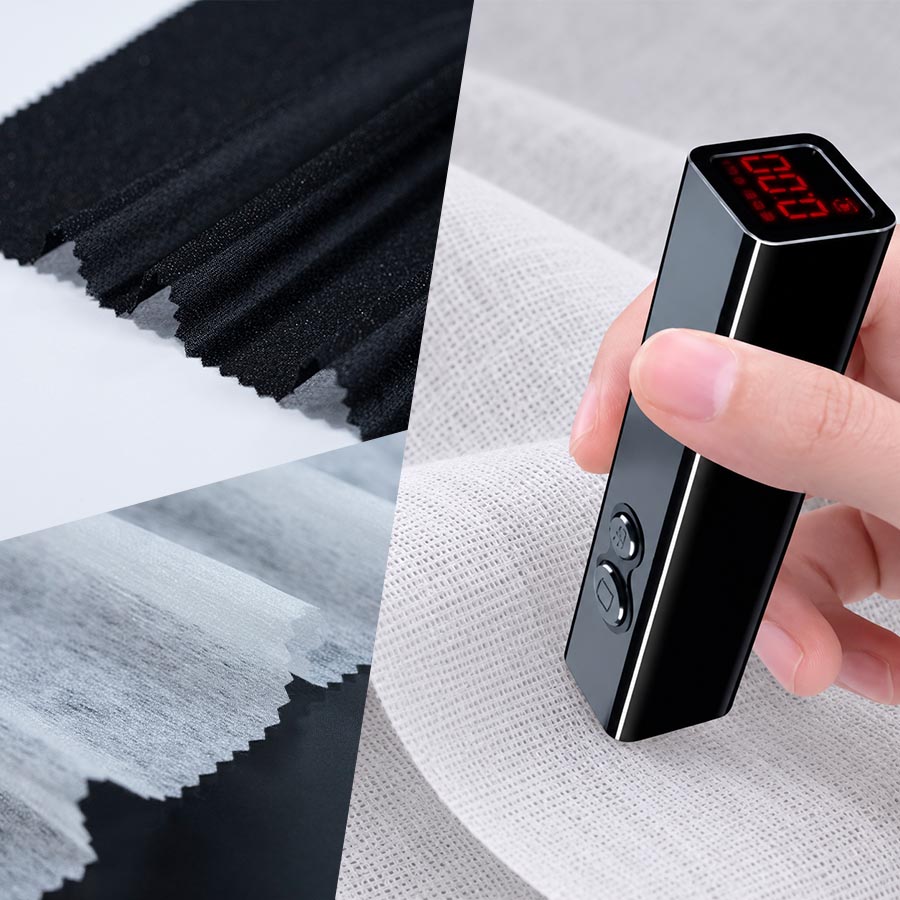
Fluorescence testing for interlining checks fluorescent whitening agents and helps buyers meet garment quality requirements.
-
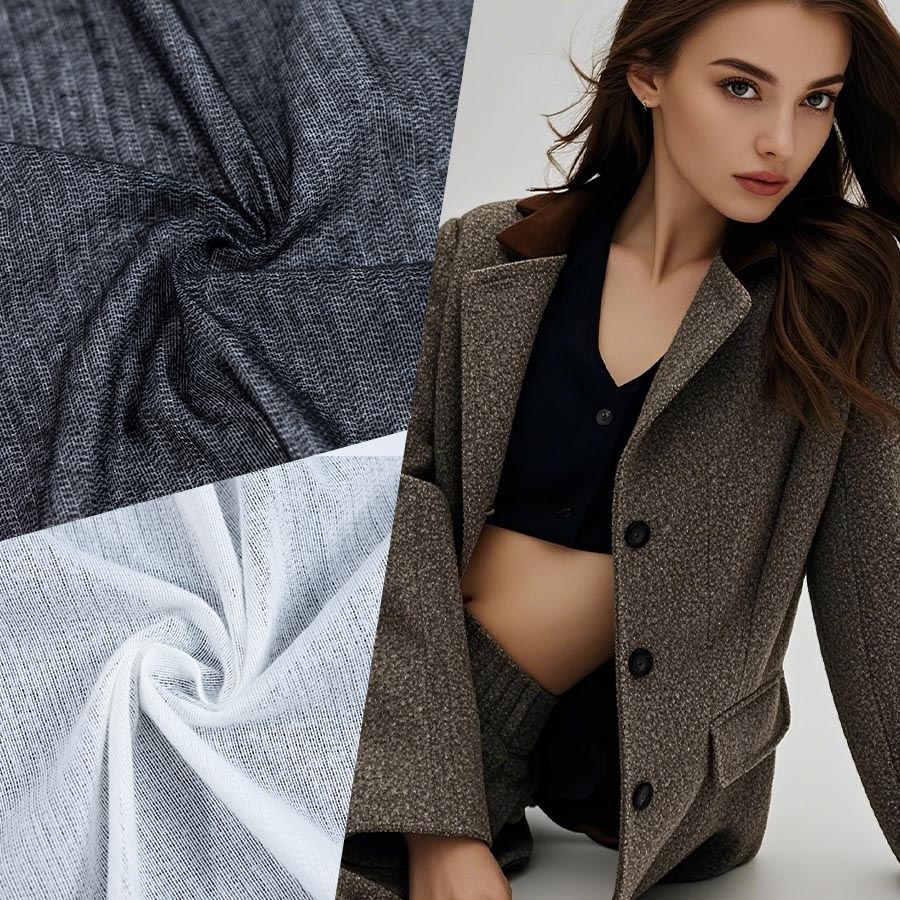
Interlining for wool coats should add shape without making the fabric stiff. Compare woven, napped, and hair interlining options.
-
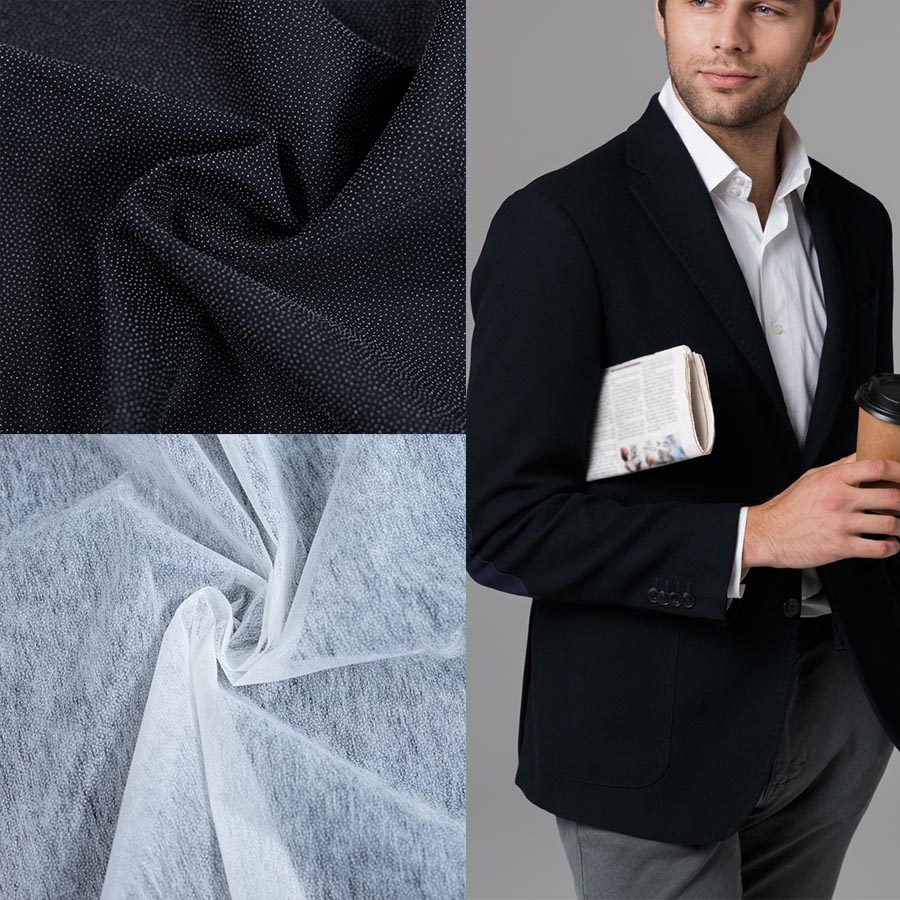
Microdot fusible interlinings use fine adhesive dots for smooth bonding, soft hand feel, and clean garment appearance.
.png)