
What Is Stretch Interfacing?
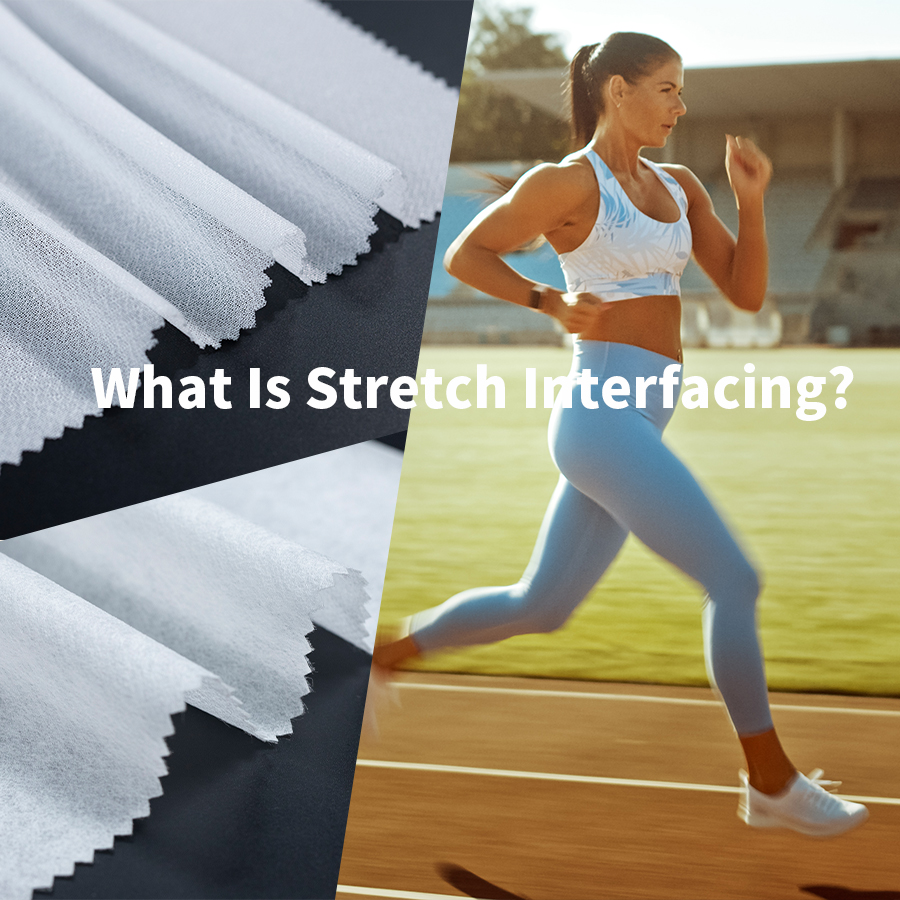
What Is Stretch Interfacing and Why Does Fabric Flexibility Matter?
Stretch interfacing is designed to support fabric without completely restricting movement.
Unlike regular woven or rigid nonwoven types, it can move together with the fabric to a certain degree.
In actual production, this makes a big difference in areas like:
- Collars
- Waistbands
- Front panels
- Stretch fashion garments
Without stretch compatibility, the garment may lose comfort even if the fit itself is correct.
Why Do Buyers Choose Stretch Interfacing?
Most buyers don’t start by searching for “stretch interfacing.”
Usually, they run into a production problem first.
1. The Garment Feels Too Tight After Fusing
This is very common with stretch fabrics.
The outer fabric stretches, but the inside layer stays rigid.
As a result:
- Movement feels restricted
- The garment loses flexibility
- Some parts may wrinkle unnaturally
2. Regular Interfacing Changes the Fabric Feel
Some fabrics are chosen specifically because they feel soft and flexible.
Adding a stiff interfacing can completely change that.
Stretch interfacing helps keep the original fabric character.
3. Better Comfort for Fitted Garments
For modern garments with slimmer cuts, flexibility matters more than before.
This is especially true in:
- Women’s fashion
- Knitwear
- Stretch uniforms
- Casual apparel
Main Types of Stretch Interfacing
Different garments need different types of stretch support.
At UNT, the two most common options are:
Both belong to the stretch interfacing category, but they behave differently.
Circular Knit Interfacing
Circular knit interfacing is made with a knitted structure, which gives it natural flexibility.
Compared with regular woven interfacing, it feels softer and follows fabric movement better.
When Is Circular Knit Interfacing Used?
This type is often chosen for garments that need:
- Better comfort
- Smooth appearance
- Light to medium structure
Common applications:
- Knit garments
- Stretch jackets
- Fashion apparel
- Softer collars and fronts
Why Do Buyers Like Circular Knit Interfacing?
In many orders, it provides a good balance.
Not too stiff, but still supportive enough for garment shaping.
Another advantage is appearance.
Because it moves more naturally with fabric, it can help reduce:
- Bubbling
- Surface tension
- Hard edges after fusing
Elastic Nonwoven Interfacing
Elastic nonwoven interfacing is different.
Instead of using a knitted structure, it uses elastic fibers inside a nonwoven construction.
The result is:
- More flexibility than standard nonwoven
- Better cost control compared with knit types
- Easier production handling
Where Is Elastic Nonwoven Interfacing Commonly Used?
This type is widely used in:
- Stretch garments
- Casual apparel
- Waistbands
- Lightweight fashion items
It works well when the garment needs movement, but not heavy structure.
Circular Knit vs Elastic Nonwoven Interfacing
This is a question buyers often ask during sampling.
| Feature | Circular Knit Interfacing | Elastic Nonwoven Interfacing |
|---|---|---|
| Structure | Knitted | Nonwoven |
| Flexibility | Higher | Medium |
| Hand Feel | Softer | Slightly firmer |
| Appearance After Fusing | Smoother | More stable |
| Cost | Higher | Lower |
| Best Use | Premium stretch garments | Basic stretch garments |
How to Choose the Right Stretch Interfacing?
In real orders, this depends more on the garment than the specs.
Choose Circular Knit Interfacing When:
- Fabric softness matters a lot
- Appearance is important
- The garment is positioned higher-end
Choose Elastic Nonwoven Interfacing When:
- Cost control matters more
- Basic flexibility is enough
- Production efficiency is important
Common Problems Buyers Run Into
1. Using Regular Interfacing on Stretch Fabric
This is still the most common mistake.
The garment loses flexibility immediately.
2. Choosing Too Much Stretch
Too much elasticity can reduce garment stability.
3. Ignoring Fabric Direction
Stretch direction matters during production and cutting.
FAQ
1. What is stretch interlining?
It’s an interfacing designed to move together with stretch fabric.
2. Is circular knit interfacing stretchy?
Yes, its knitted structure gives it natural flexibility.
3. What is elastic nonwoven interfacing used for?
Mainly for stretch garments and flexible garment parts.
4. Which type feels softer?
Circular knit interfacing usually feels softer.
5. Which type is more economical?
Elastic nonwoven interfacing is generally more cost-effective.
6. Can stretch interfacing be used for collars?
Yes, especially for stretch shirts and fashion garments.
7. Does stretch interlining affect comfort?
Yes, using the right type improves movement and wear comfort.
8. What is the biggest mistake when choosing stretch interlining?
Using rigid interfacing on stretch fabrics.
Why Choose UNT (Shanghai Uneed Textile Co., Ltd)?
Stretch garments require more than just basic support.
If the interfacing doesn’t match the fabric properly, the final garment performance changes completely.
At UNT, we help customers choose the right stretch interfacing based on actual garment use.
- Over 10 years of experience in interlining and interfacing
- Stable quality across production batches
- Support for sample testing with your fabric
- Circular knit and elastic nonwoven options available
- Reliable export and delivery support
We focus on helping garments keep both shape and comfort.
Contact Us
Shanghai Uneed Textile Co., Ltd
TEL: +86-21-33608891
FAX: +86-21-33608892
Email: info@uneed-tex.com
continue reading
Related Posts
 Published On: 2026-10-12
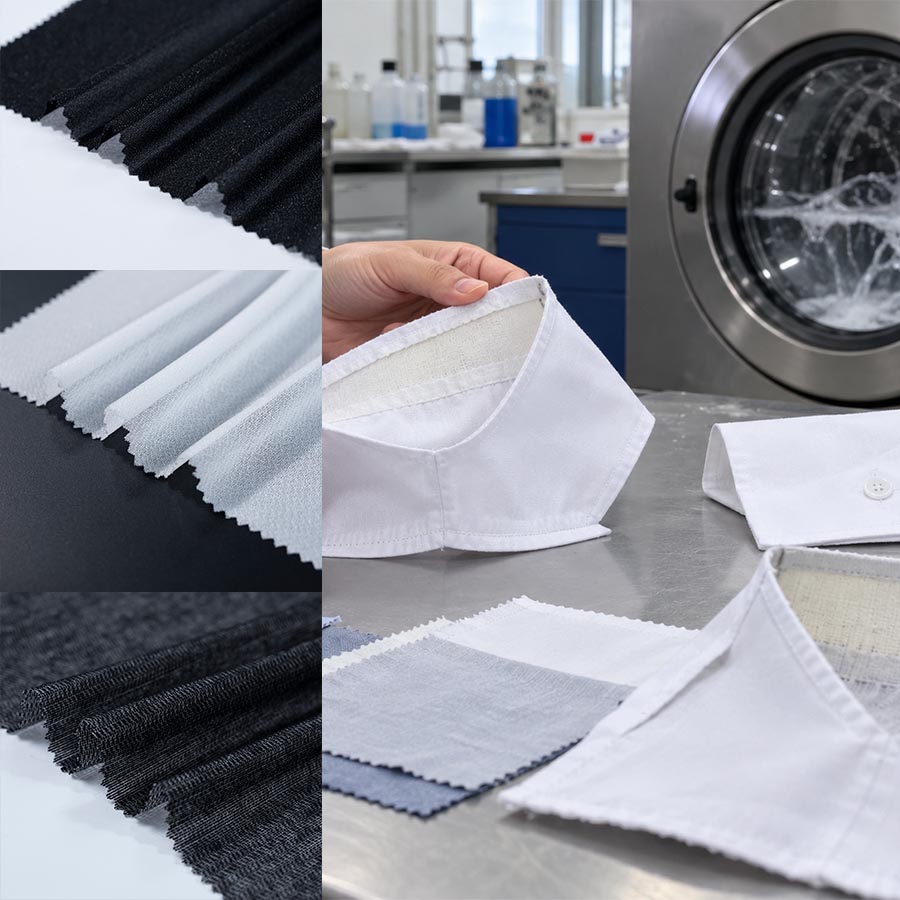
Interlining wash test checks bonding, shrinkage, bubbling, and shape after washing. Learn what buyers should inspect before production.
-
Published On: 2026-10-08
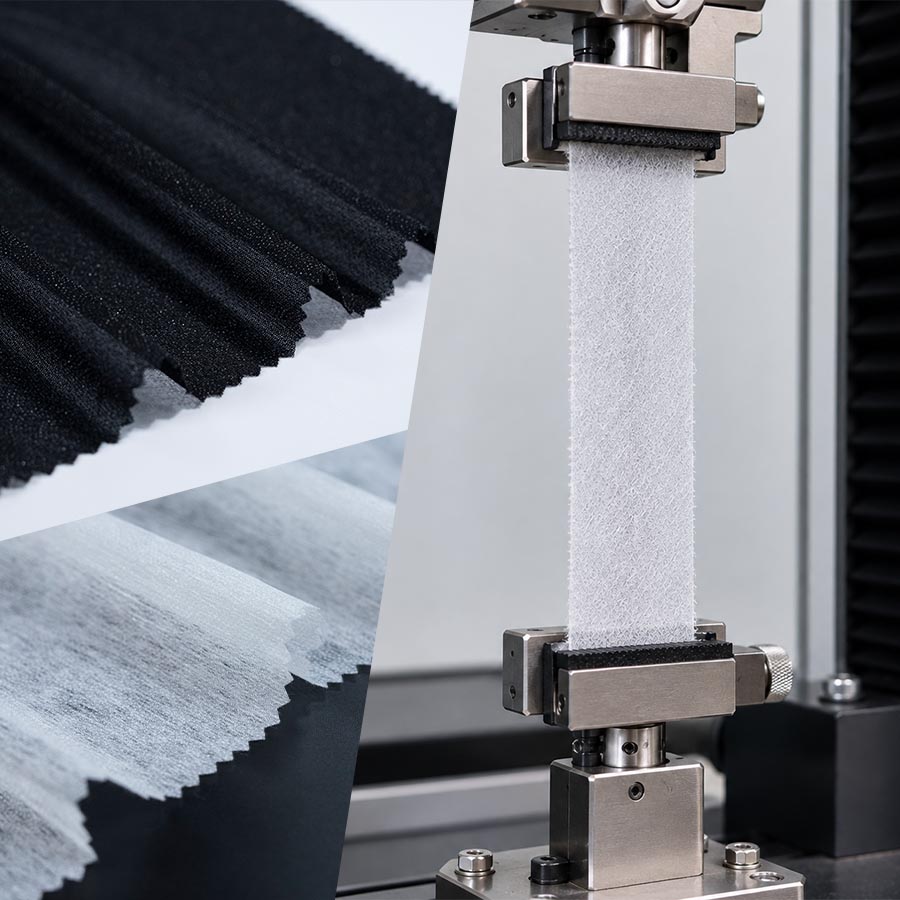
Interlining breaking strength testing measures the force needed to break a sample and helps buyers check fabric quality and consistency.
-
Published On: 2026-09-28
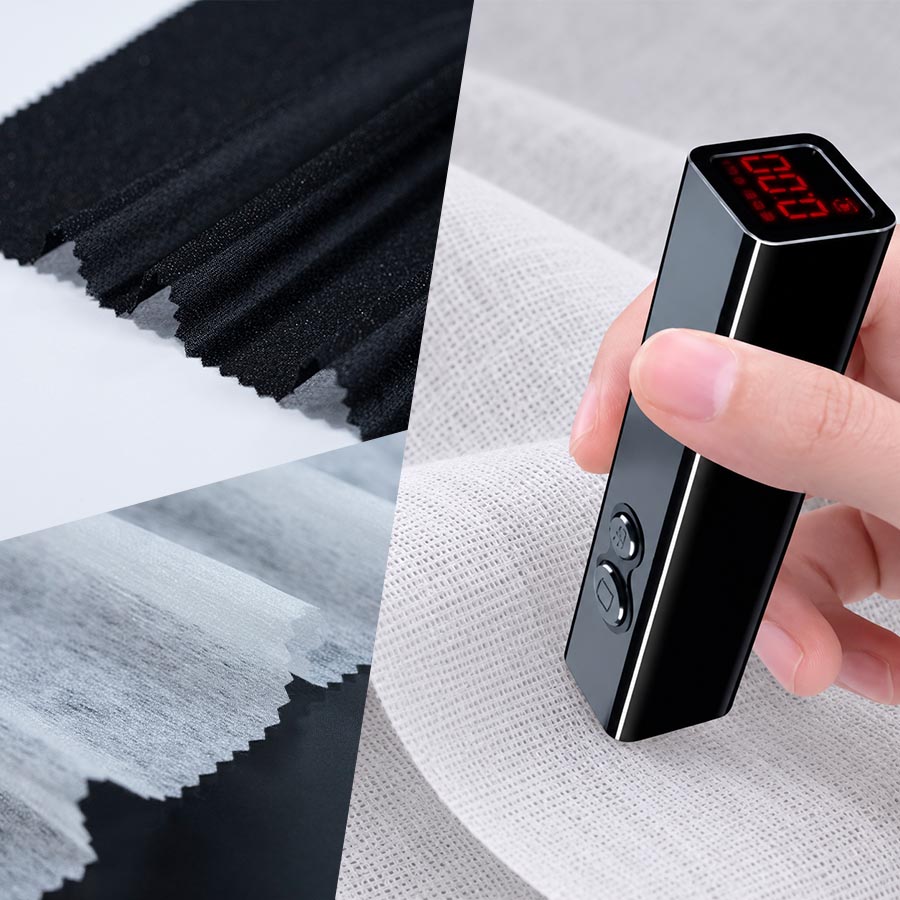
Fluorescence testing for interlining checks fluorescent whitening agents and helps buyers meet garment quality requirements.
.png)