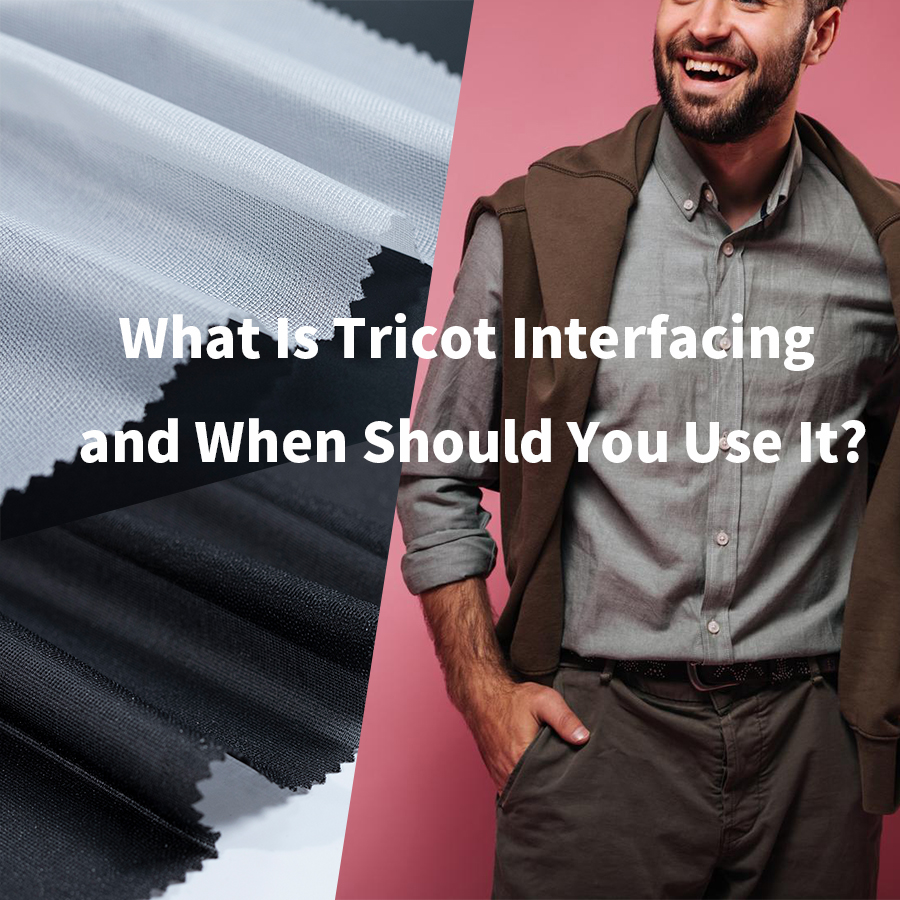
Tricot interfacing is a knitted type of interfacing.
Unlike woven interfacing, it is made with a tricot knitting structure, which gives it more flexibility and a softer hand feel.
When you handle it, you’ll usually notice:
- it bends more easily
- it feels smoother
- it follows fabric movement better
That’s why it’s often used in garments where comfort matters.
Why Do Buyers Choose Tricot Interfacing?
In many orders, buyers don’t start with tricot.
They usually switch to it after another option feels too stiff.
1. To Keep the Garment Soft
This is the main reason.
If the outer fabric is soft, using rigid interfacing can completely change the final hand feel.
Tricot helps avoid that.
2. To Reduce Bubbling After Fusing
This is another common reason.
Because tricot has more flexibility, it often adapts better to the fabric surface.
That can help reduce:
- bubbling
- surface tension
- hard edges
3. To Improve Wearing Comfort
Some garments look fine on a hanger but feel uncomfortable when worn.
A softer interfacing often fixes that problem.
Where Is Tricot Interfacing Commonly Used?
This type is usually chosen for garments that need light to medium support.
Typical applications:
- Women’s fashion
- Blouses
- Dresses
- Light jackets
- Soft tailoring
Also used in:
- Knit garments
- Stretch fabrics
- Fashion collars and fronts
Not ideal for:
- Heavy coats
- Very structured jackets
- Garments needing strong stiffness
👉 Simple rule:
if the garment needs comfort and shape, tricot is worth considering
Tricot Interfacing vs Woven Interfacing
This comparison comes up often during sampling.
| Feature |
Tricot Interfacing |
Woven Interfacing |
| Structure |
Knitted |
Woven |
| Hand Feel |
Softer |
Firmer |
| Flexibility |
Higher |
Lower |
| Shape Support |
Medium |
High |
| Best Use |
Soft garments |
Structured wear |
How to Choose the Right Tricot Interfacing?
A lot of problems happen because buyers only look at weight.
That’s not enough.
1. Match It with the Fabric
Soft fabrics usually pair well with tricot.
Heavy fabrics usually need something stronger.
2. Check the Stretch Direction
Some tricot products stretch more in one direction.
That can affect garment performance.
3. Test After Fusing
This is important.
Before placing bulk orders, always test:
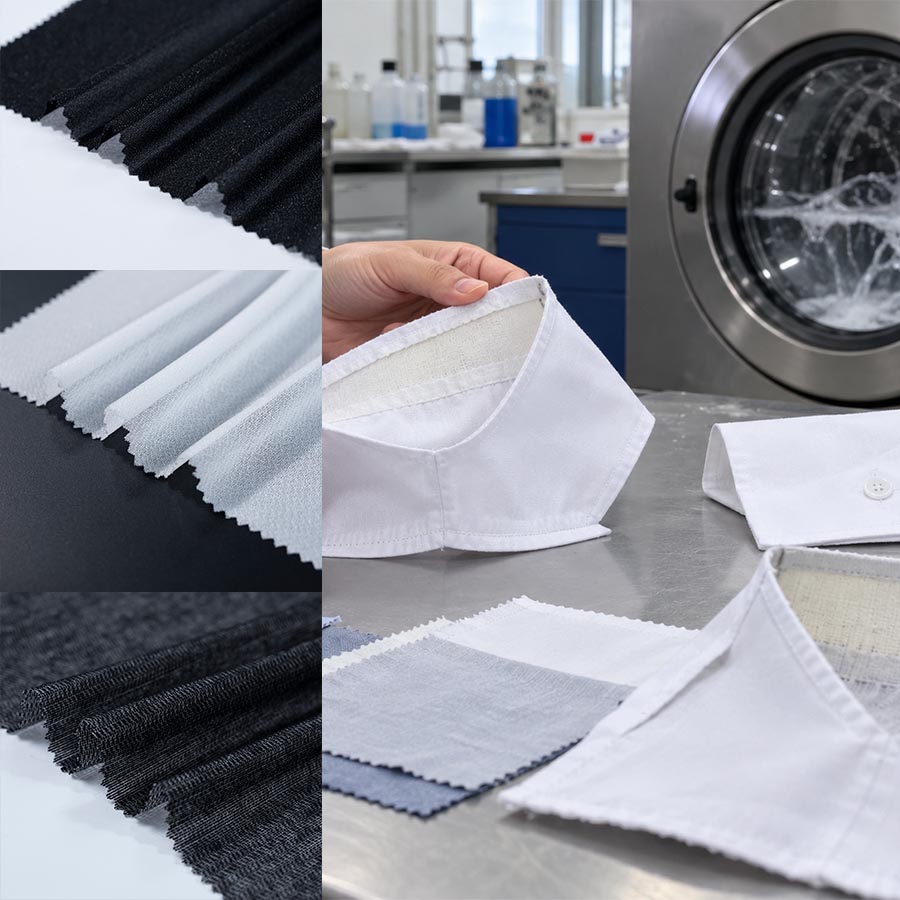
- hand feel
- appearance
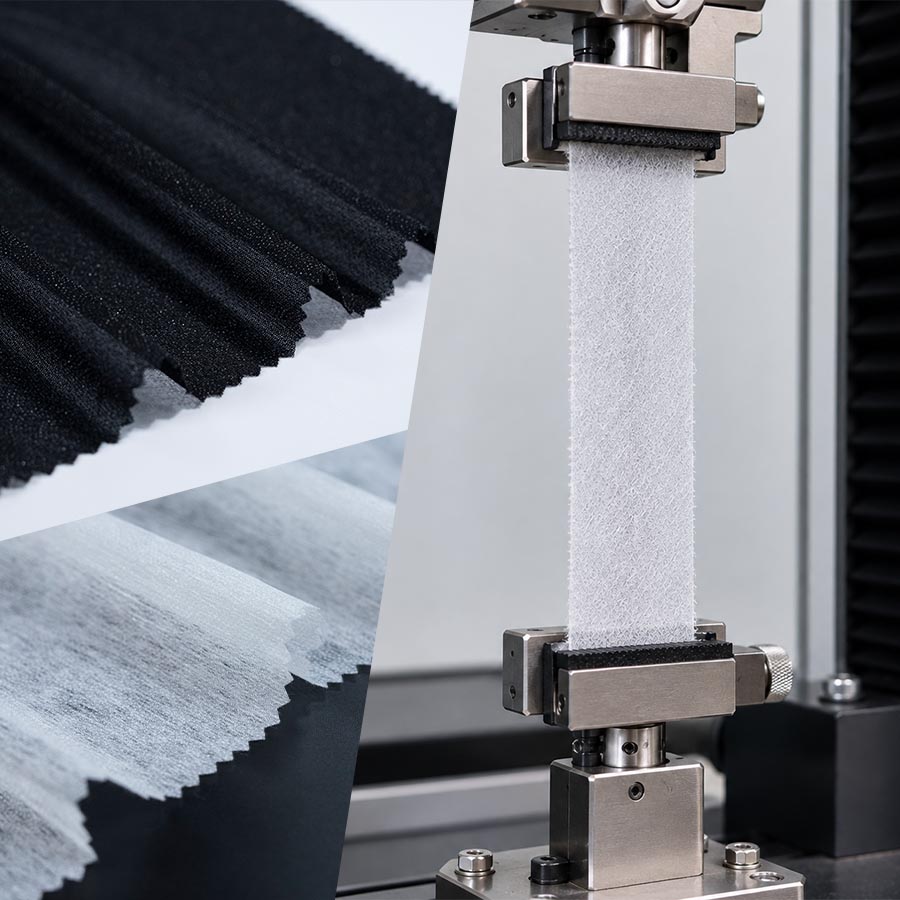
- bonding strength
That saves problems later.
Common Problems Buyers Run Into
1. Choosing It for Heavy Garments
Then support may not be enough.
2. Ignoring Fabric Compatibility
Even good interfacing can perform badly on the wrong fabric.
3. Only Looking at Price
A cheaper option may cost more later if quality complaints appear.
FAQ
1. What is tricot interfacing?
It’s a knitted interfacing used for garments that need soft support.
2. Is tricot interfacing stretchy?
Yes, it usually has more flexibility than woven interfacing.
3. Is it suitable for dresses?
Yes, especially for dresses needing light support.
4. Can it be used for jackets?
Yes, for light jackets or soft tailoring.
5. Is it better than woven interfacing?
Not better—just different. It depends on the garment.
6. Does it reduce bubbling?
In many cases, yes, because it adapts better to fabric.
7. Is it good for stretch fabrics?
Yes, it usually performs well with stretch materials.
8. How do I choose the right one?
Test it with your actual fabric before production.
Why Choose UNT (Shanghai Uneed Textile Co., Ltd)?
For tricot interfacing, small differences in softness and stretch can change the final garment.
That’s why consistency matters.
At UNT, we focus on making sure your sample matches your bulk order.
- Over 10 years of experience in interlining and interfacing
- Stable quality across production batches
- Support for sample testing
- Full range of woven, knit, and nonwoven options
- Reliable export and delivery
We help customers choose the right interfacing based on real garment needs.
Contact Us
Shanghai Uneed Textile Co., Ltd
TEL: +86-21-33608891
FAX: +86-21-33608892
Email: info@uneed-tex.com


.png)