
What Is Warp Knit Interlining and When Should You Use It?
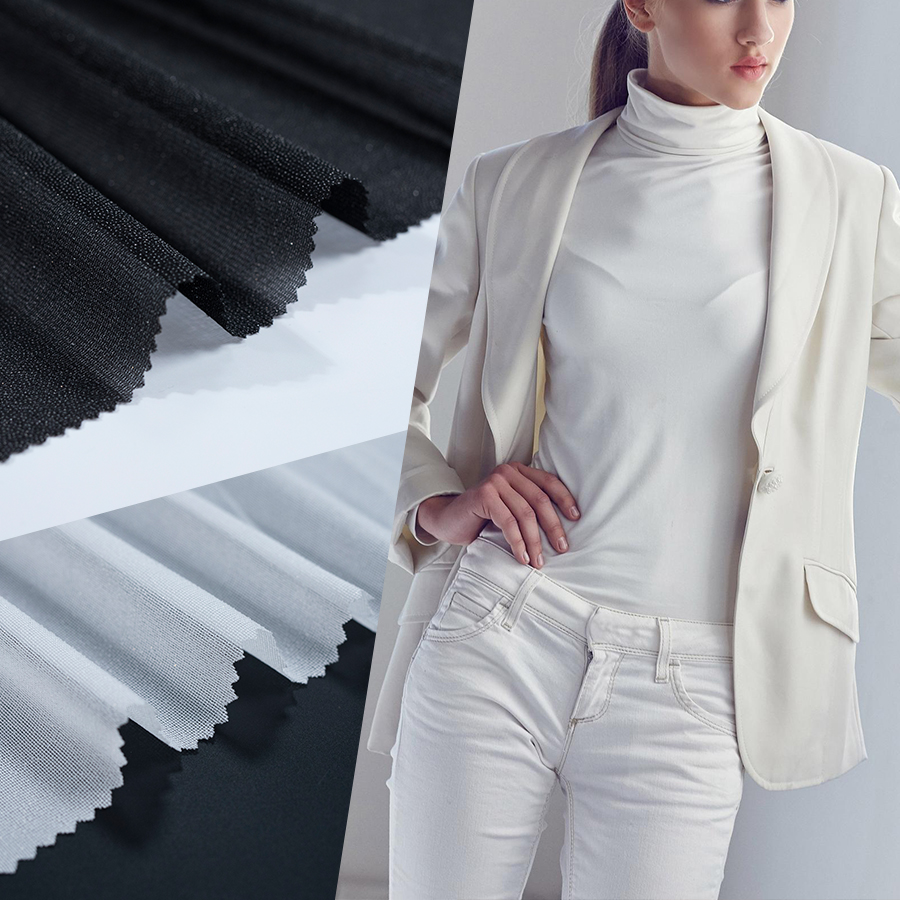
What Is Warp Knit Interlining?
Simply put, warp knit interlining is made using a knitting structure, not traditional weaving.
That means the yarns are looped together instead of crossing like woven fabric.
Because of this structure, it has two clear characteristics:
- It has a bit of stretch (especially in one direction)
- It feels smoother and more flexible
Compared with woven interlining, it’s easier to handle during garment production.
Why Do Some Garments Use Warp Knit Interlining?
This usually comes down to balance.
Some customers don’t want the garment to feel too rigid, but they still need support inside.
1. Better Flexibility
Garments move with the body. If the interlining is too stiff, it can feel uncomfortable.
Warp knit gives a bit more movement.
2. Smoother Appearance
In some fabrics, especially lighter suiting materials, stiff interlining can create a “hard edge.”
Warp knit helps avoid that.
3. Easier Processing
During fusing and sewing, it’s more forgiving compared to rigid woven types.
This can reduce production issues.
Where Is It Commonly Used?
Warp knit interlining is quite versatile, but it’s not for everything.
Typical applications:
- Suit jackets
- Blazers
- Light coats
- Fashion garments
Less suitable for:
- Very structured garments (like heavy coats)
- Very low-cost products (nonwoven is cheaper)
👉 In simple words:
used when you want both shape and comfort
How to Choose Warp Knit Interlining?
If you’re considering this type, these are the key points to check.
1. Fabric Type
Works well with medium-weight fabrics.
If the fabric is too heavy, support may not be enough.
2. Stretch Requirement
Some warp knit interlinings have more stretch than others.
You should match it with your fabric behavior.
3. Coating Type
Like other interlinings, it can come with different adhesive coatings.
This affects bonding strength and washing performance.
Quick Comparison Table
| Feature | Warp Knit Interlining | Woven Interlining | Nonwoven Interlining |
|---|---|---|---|
| Structure | Knitted | Woven | Bonded fibers |
| Flexibility | Medium to high | Low | Low to medium |
| Hand Feel | Soft | Firm | Varies |
| Best Use | Suits, fashion wear | Structured garments | Mass production |
| Processing Ease | Easy | Medium | Easy |
Common Issues to Watch Out For
1. Not Enough Support for Heavy Fabrics
If used in thick coats, it may not hold shape well.
2. Mismatch in Stretch
If the fabric has no stretch but interlining does, it can affect the final look.
3. Bonding Problems
Like all interlinings, wrong fusing temperature or pressure can cause issues.
FAQ
1. What is the main advantage of warp knit interlining?
It provides a good balance between flexibility and support.
2. Is it better than woven interlining?
Not better, just different. It depends on the garment.
3. Can it be used for suits?
Yes, especially for lighter or more comfortable suits.
4. Does it stretch?
Yes, usually in one direction.
5. Is it suitable for shirts?
Not really. Shirt interlining is more specialized.
6. How does it compare to nonwoven interlining?
It’s more flexible and generally gives a better hand feel.
7. Is it easy to use in production?
Yes, it’s easier to handle than rigid woven types.
8. How do I test it?
Always fuse it with your fabric and check hand feel and bonding.
Why Choose UNT (Shanghai Uneed Textile Co., Ltd)?
When choosing warp knit interlining, small differences can affect the final garment.
At UNT, we focus on consistency and practical performance.
- Over 10 years of experience in interlining
- Stable quality for repeat orders
- Sample support before bulk production
- Wide range of interlining options
- Export experience with different markets
We don’t just supply products, we help you avoid production problems.
Contact Us
Shanghai Uneed Textile Co., Ltd
TEL: +86-21-33608891
FAX: +86-21-33608892
Email: info@uneed-tex.com
continue reading
Related Posts

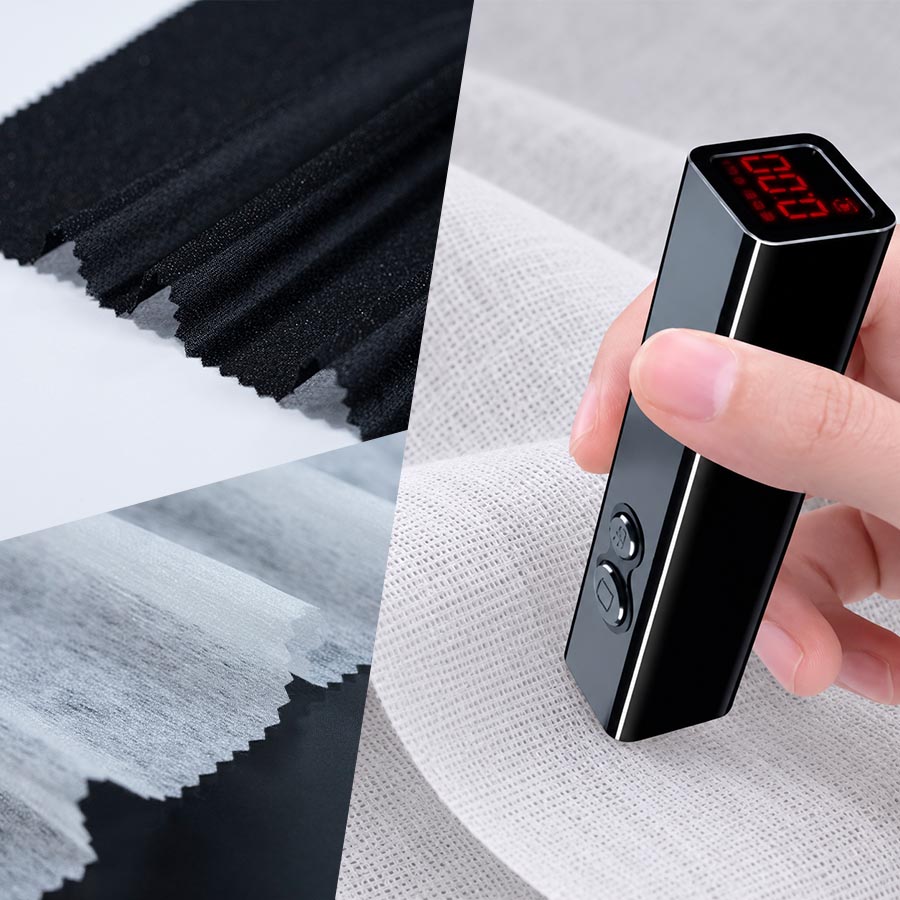
Fluorescence testing for interlining checks fluorescent whitening agents and helps buyers meet garment quality requirements.
-
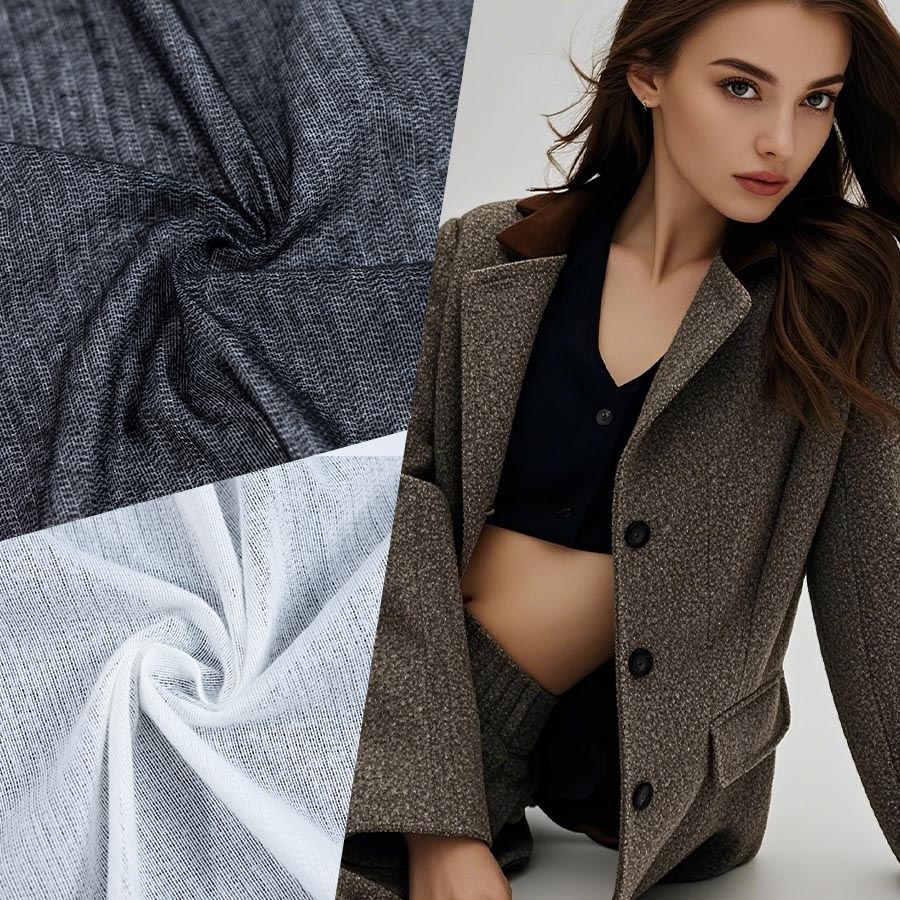
Interlining for wool coats should add shape without making the fabric stiff. Compare woven, napped, and hair interlining options.
-
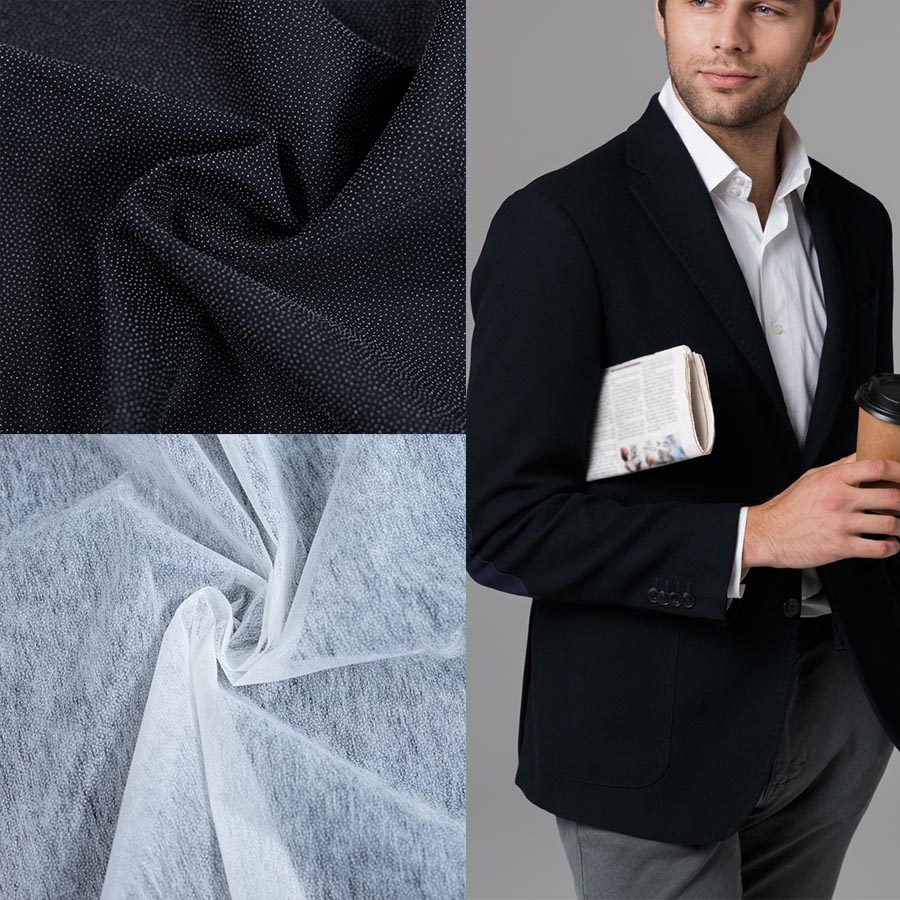
Microdot fusible interlinings use fine adhesive dots for smooth bonding, soft hand feel, and clean garment appearance.
.png)