
What Is Water Soluble Interfacing?
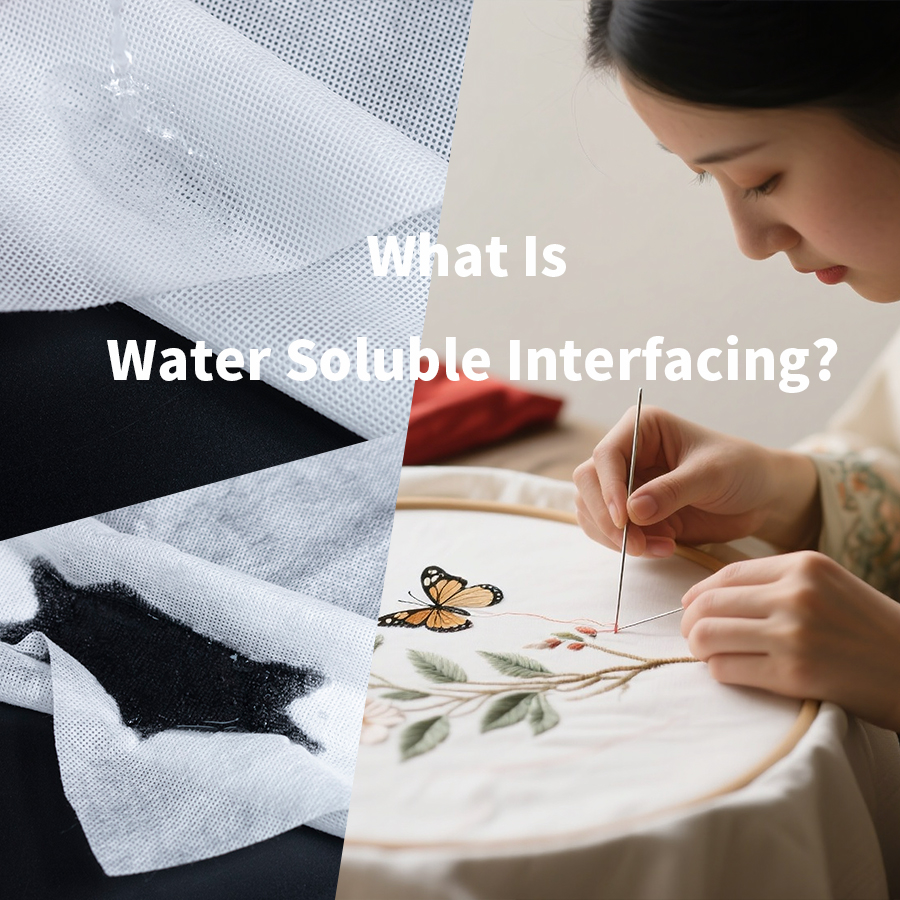
In embroidery orders, there’s one situation that comes up quite often.
You finish the embroidery, but the backing is still visible. Or the fabric feels stiff because of the support layer.
That’s when people start looking for something that can disappear after use.
This is where water soluble interfacing comes in.
In many factories, it’s also called water soluble embroidery backing.
What Is Water Soluble Interfacing and When Should You Use It?
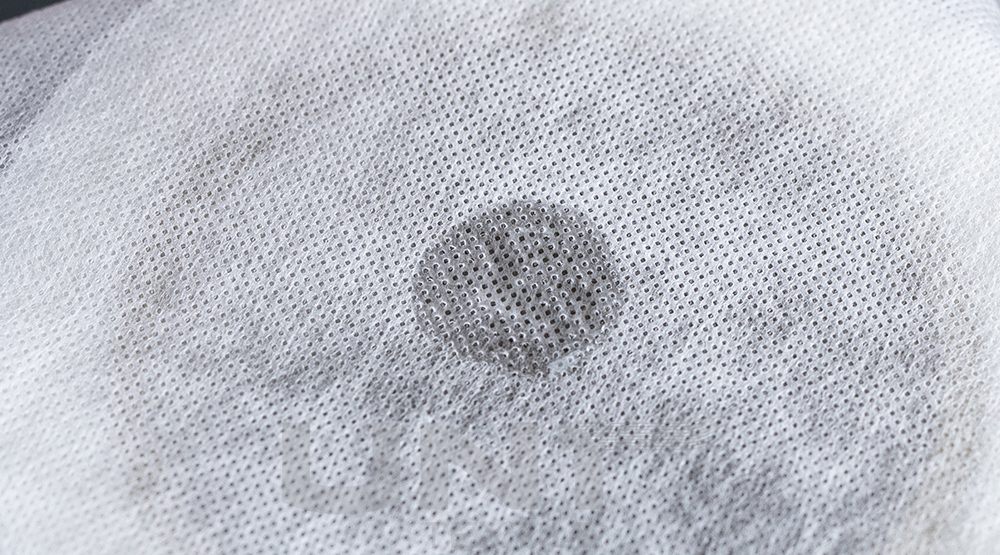
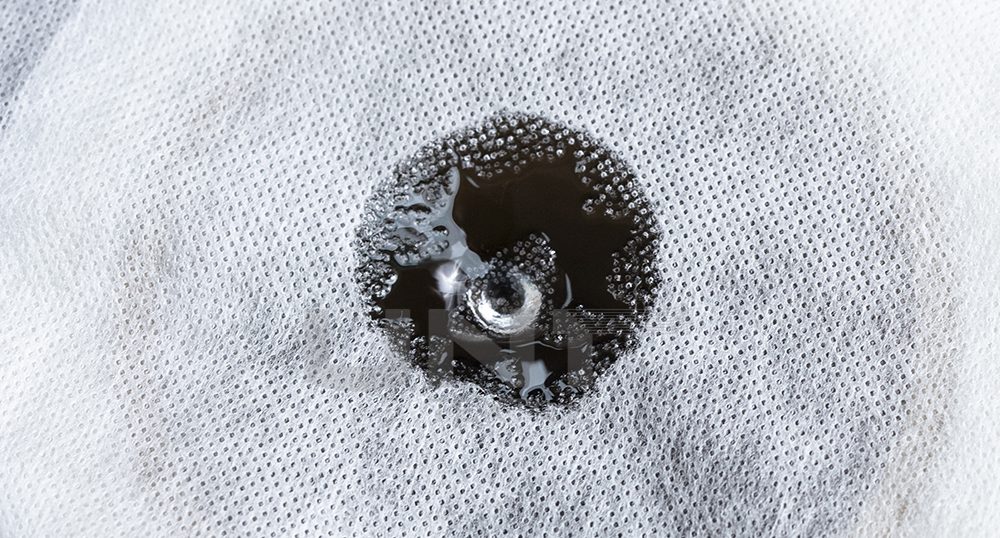
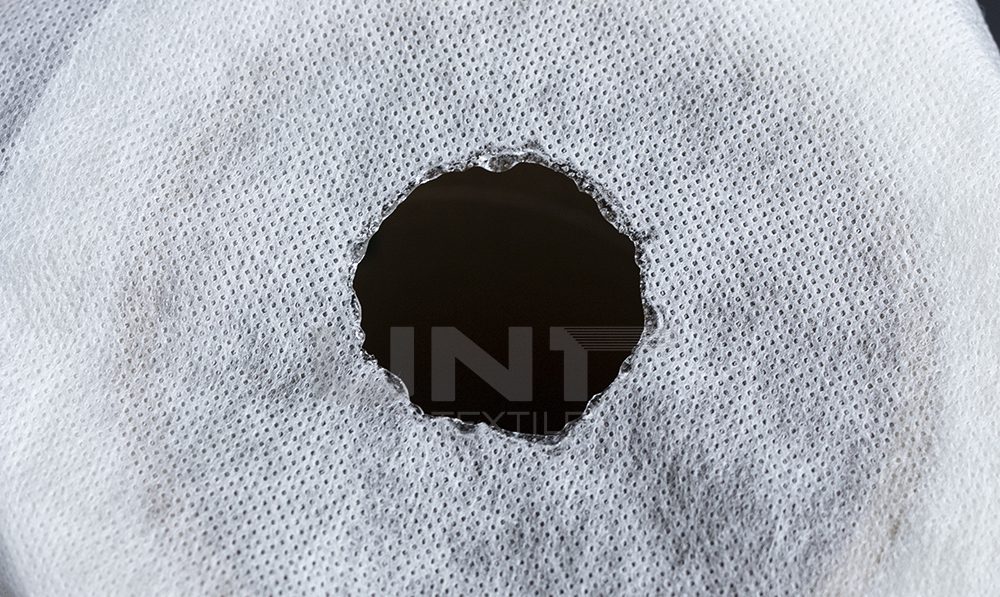
This type of interfacing is made from PVA materials that dissolve in water.
After embroidery or stitching, you can wash it away, leaving almost nothing behind.
In practical terms:
- It provides temporary support
- It disappears after washing
- It doesn’t affect the final hand feel
That’s why it’s widely used in embroidery work where appearance matters.
Why Do Embroidery Factories Use It?
In most embroidery processes, backing is necessary.
But not all backings are suitable, especially for delicate fabrics.
1. No Residue After Removal
With regular backing, you often need to tear or cut it off.
Here, you simply wash it away.
This helps avoid:
- Rough edges
- Visible backing
- Extra trimming work
2. Better for Lightweight Fabrics
Thin fabrics can be easily damaged by tearing backing.
Water soluble types are much safer in these cases.
3. Cleaner Embroidery Result
For lace, logos, or decorative embroidery, the backing should not be visible at all.
This type solves that problem directly.
Where Is It Commonly Used?
This is one of the most widely used materials in embroidery-related applications.
Typical uses:
- Lace embroidery
- Logo embroidery
- Sheer or lightweight fabrics
- Decorative stitching
Also used in:
- Home textiles
- Craft projects
- Some garment accessories
Not suitable for:
- Applications that don’t involve washing
- Heavy fabrics needing strong support
- Situations requiring permanent structure
👉 Simple rule:
if you need the backing to disappear, this is the right choice
Different Types of Water Soluble Interfacing
Not all water soluble products are the same.
1. Cold Water Soluble
- Dissolves in cold water
- Faster removal
- Used for delicate fabrics
2. Hot Water Soluble
- Requires warm or hot water
- Usually stronger during use
- Better for more complex embroidery
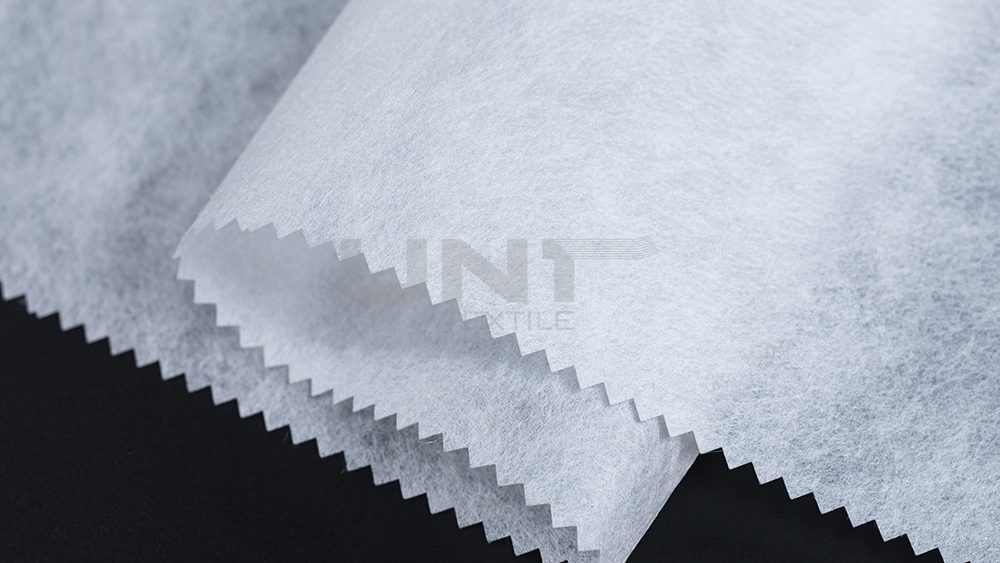
👉 In real orders, the choice depends on how strong the support needs to be before dissolving.
How to Choose the Right One?
This is where buyers often make mistakes.
1. Check Fabric Type
For very light fabrics → choose softer, easier dissolving types
For more complex embroidery → choose stronger types
2. Consider Embroidery Density
Dense embroidery needs stronger support.
Otherwise, the fabric may shift during stitching.
3. Think About Washing Process
If your production already includes washing, this type fits naturally.
If not, you need to add that step.
Quick Comparison Table
| Feature | Water Soluble Interfacing | Tear Away Backing | Cut Away Backing |
|---|---|---|---|
| Removal Method | Wash away | Tear | Cut |
| Residue | None | Possible | Remains |
| Best For | Delicate embroidery | Simple designs | Heavy embroidery |
| Fabric Compatibility | Lightweight fabrics | Medium fabrics | Heavy fabrics |
| Final Hand Feel | Soft | Medium | Firm |
Common Problems Buyers Run Into
1. Dissolves Too Fast
If the material is too weak, it may not hold during embroidery.
2. Doesn’t Fully Dissolve
This can happen if water temperature is not correct.
3. Wrong Type for Fabric
Using a strong type on very light fabric can still affect the final result.
FAQ
1. What is water soluble interfacing?
It’s a temporary support material that dissolves in water after use.
2. Is it the same as embroidery backing?
Yes, in embroidery applications, it is commonly called water soluble embroidery backing.
3. Can it be used for all fabrics?
No, it works best for lightweight or delicate fabrics.
4. Does it leave residue?
No, if properly dissolved.
5. What temperature water should I use?
It depends on the type—some dissolve in cold water, others need warm water.
6. Is it strong enough for dense embroidery?
Only certain types. You need to choose based on design density.
7. Can it be used without washing?
No, washing is required to remove it.
8. What is the biggest mistake when using it?
Choosing the wrong strength for the embroidery design.
Why Choose UNT (Shanghai Uneed Textile Co., Ltd)?
For water soluble products, consistency is very important.
If dissolving behavior changes from batch to batch, it can affect production.
At UNT, we focus on stable performance in real use.
- Over 10 years of experience in interlining and embroidery backing
- Stable dissolving performance
- Support for sampling and testing
- Different types for different applications
- Reliable export and delivery
We help you choose the right type based on your actual embroidery process.
Contact Us
Shanghai Uneed Textile Co., Ltd
TEL: +86-21-33608891
FAX: +86-21-33608892
Email: info@uneed-tex.com
continue reading
Related Posts

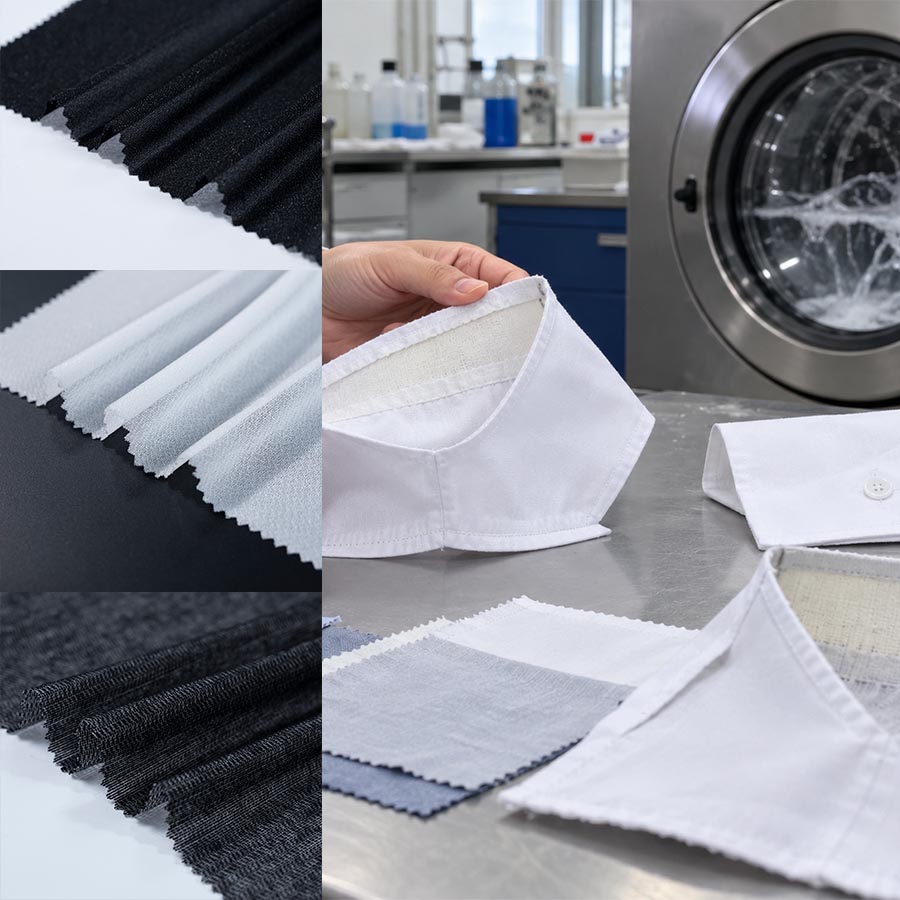
Interlining wash test checks bonding, shrinkage, bubbling, and shape after washing. Learn what buyers should inspect before production.
-
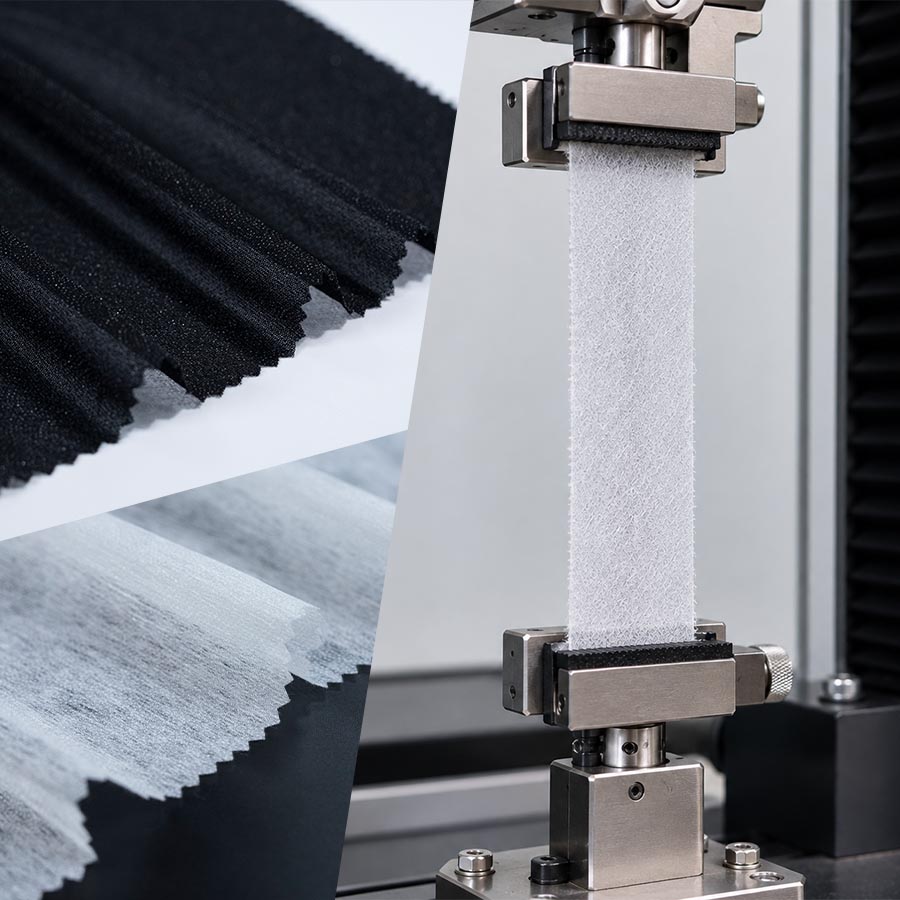
Interlining breaking strength testing measures the force needed to break a sample and helps buyers check fabric quality and consistency.
-
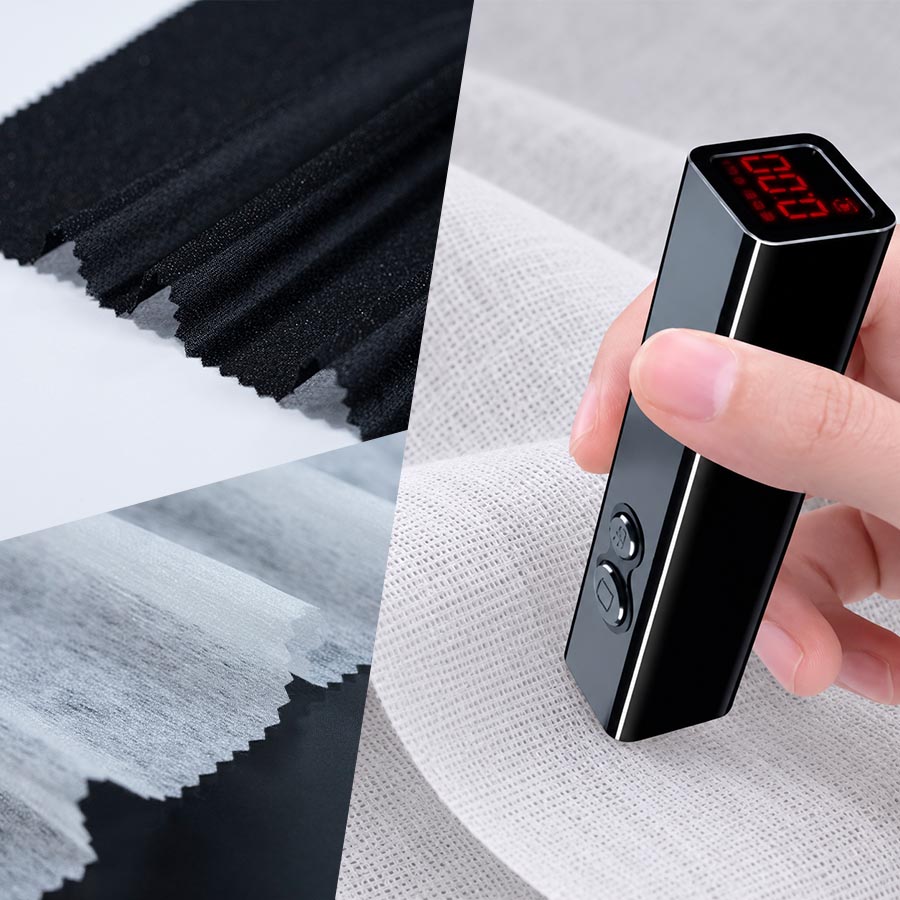
Fluorescence testing for interlining checks fluorescent whitening agents and helps buyers meet garment quality requirements.
.png)