
What Is Weft Interfacing and When Should You Use It?
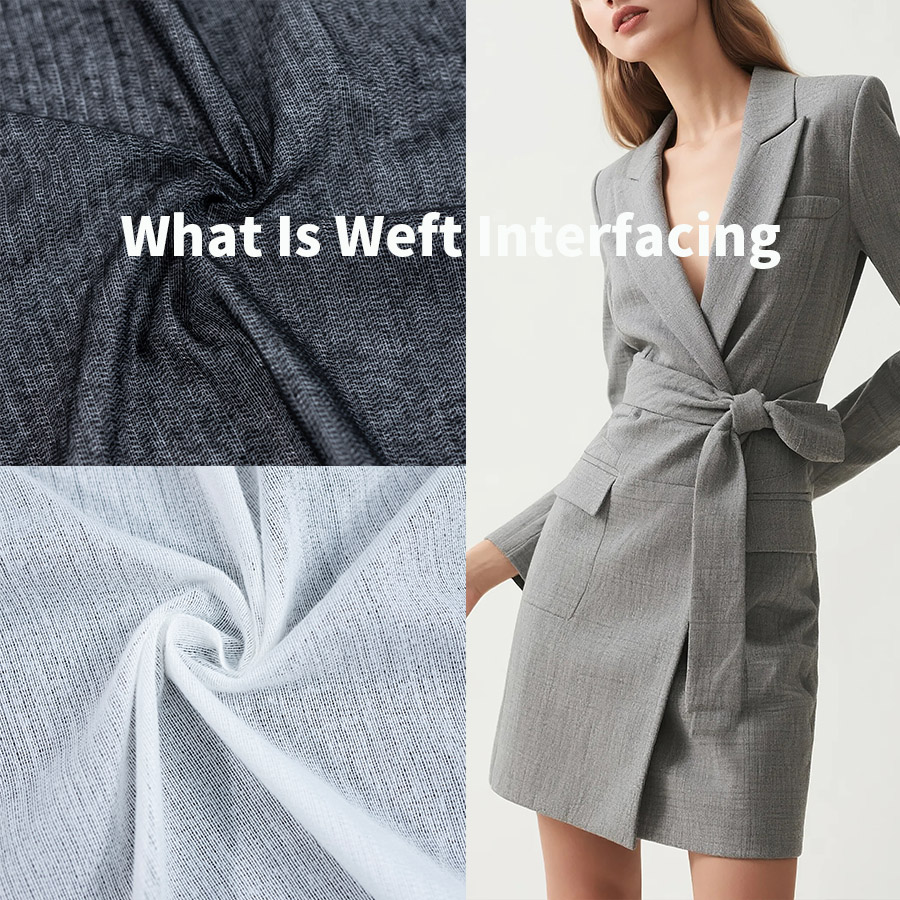
What Is Weft Interfacing?
Weft interfacing is a woven interfacing made with inserted weft yarns and a lightly brushed surface.
That brushed surface is important.
It gives the material:
- a softer hand feel
- slightly more volume
- a warmer touch
If you compare it with regular woven interfacing, the difference is easy to feel by hand.
It doesn’t feel flat. It feels fuller.
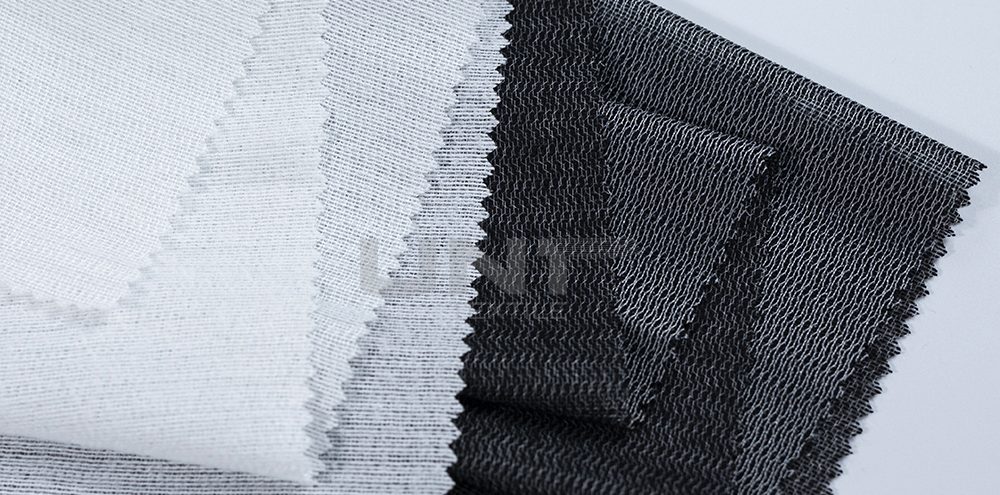
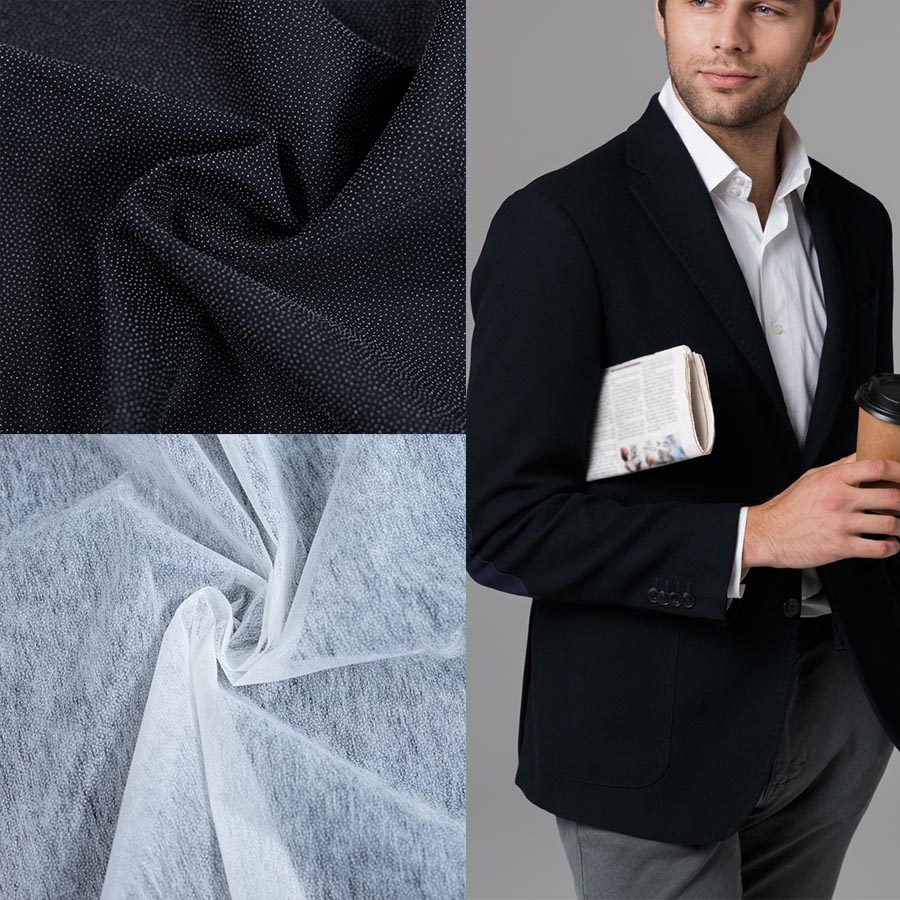
Weft interfacing adds soft structure and better hand feel
Why Do Buyers Choose Weft Interfacing?
In most cases, buyers don’t choose this because they need more structure.
They choose it because they want better balance.
1. The Garment Feels Too Hard with Standard Woven Interfacing
This is probably the most common reason.
A regular woven interfacing can support well, but sometimes it makes the garment too stiff.
Switching to weft interfacing helps soften that feeling.
2. Better Match for Wool and Coat Fabrics
Heavy outer fabrics, especially wool blends, often need something that feels more natural inside.
A flat interfacing can feel disconnected.
Weft interfacing usually matches better.
3. Adds Body Without Making the Garment Rigid
Some customers want shape, but not a “board-like” feel.
This is where this product works well.
Where Is Weft Interfacing Commonly Used?
This is not an all-purpose product.
It’s mostly used in garments where hand feel matters.
Typical applications:
- Coats
- Wool jackets
- Outerwear
- Structured fashion garments
Less suitable for:
- Shirts
- Lightweight garments
- Products needing frequent washing
👉 A simple way to think about it:
good for shape and feel, not for heavy washing
What Makes It Different from Regular Woven Interfacing?
This is a common question during sampling.
| Feature | Weft Interfacing | Regular Woven Interfacing |
|---|---|---|
| Surface | Lightly brushed | Smooth |
| Hand Feel | Softer | Firmer |
| Thickness Feel | Fuller | Flatter |
| Best Use | Coats, outerwear | General garments |
| Washing Resistance | Lower | Higher |
How to Choose the Right Weft Interfacing?
Buyers usually look at weight first, but that’s not enough.
1. Match It with Outer Fabric
This type works best with medium to heavy fabrics.
Using it on thin fabric usually feels wrong.
2. Think About Final Hand Feel
Ask yourself:
Should the garment feel structured?
Or should it feel softer and more premium?
That usually answers the question.
3. Check Washing Requirements
This is important.
Because of the napping effect, this type is usually better for garments that are not washed frequently.
Common Problems Buyers Run Into
1. Using It on Lightweight Fabric
The garment may feel bulky.
2. Expecting High Wash Performance
This is not its main advantage.
Its advantage is hand feel.
3. Skipping Sample Testing
With this type, touching the sample matters more than reading the spec sheet.
FAQ
1. What is weft interfacing?
It’s a woven interfacing designed to provide soft support and better hand feel.
2. Is it the same as weft insert napping interlining?
Yes. In many factories, they refer to the same product.
3. Why is the surface brushed?
To improve softness and give a fuller feel.
4. Is it suitable for coats?
Yes, that’s one of its main uses.
5. Can it be used for shirts?
Not recommended. It’s usually too thick.
6. Is it washable?
Light washing is fine, but it’s not ideal for frequent washing.
7. Does it add stiffness?
It adds support, but less stiffness than regular woven interfacing.
8. How do I choose the right type?
Test it with your actual outer fabric and compare the final hand feel.
Why Choose UNT (Shanghai Uneed Textile Co., Ltd)?
For products like weft interfacing, feel matters just as much as specifications.
A small difference in brushing or thickness can change the whole garment.
At UNT, we focus on consistency from sample to bulk.
- Over 10 years of experience in interlining and interfacing
- Stable woven and specialty interlining production
- Sample support for fabric matching
- Reliable export and delivery
- Practical product advice based on garment use
We help customers choose based on how the garment should feel—not just how the material looks on paper.
Contact Us
Shanghai Uneed Textile Co., Ltd
TEL: +86-21-33608891
FAX: +86-21-33608892
Email: info@uneed-tex.com
continue reading
Related Posts

Fluorescence testing for interlining checks fluorescent whitening agents and helps buyers meet garment quality requirements.
-
Interlining for wool coats should add shape without making the fabric stiff. Compare woven, napped, and hair interlining options.
-
Microdot fusible interlinings use fine adhesive dots for smooth bonding, soft hand feel, and clean garment appearance.
.png)