Which Interlining Is Used in Trench Coats?
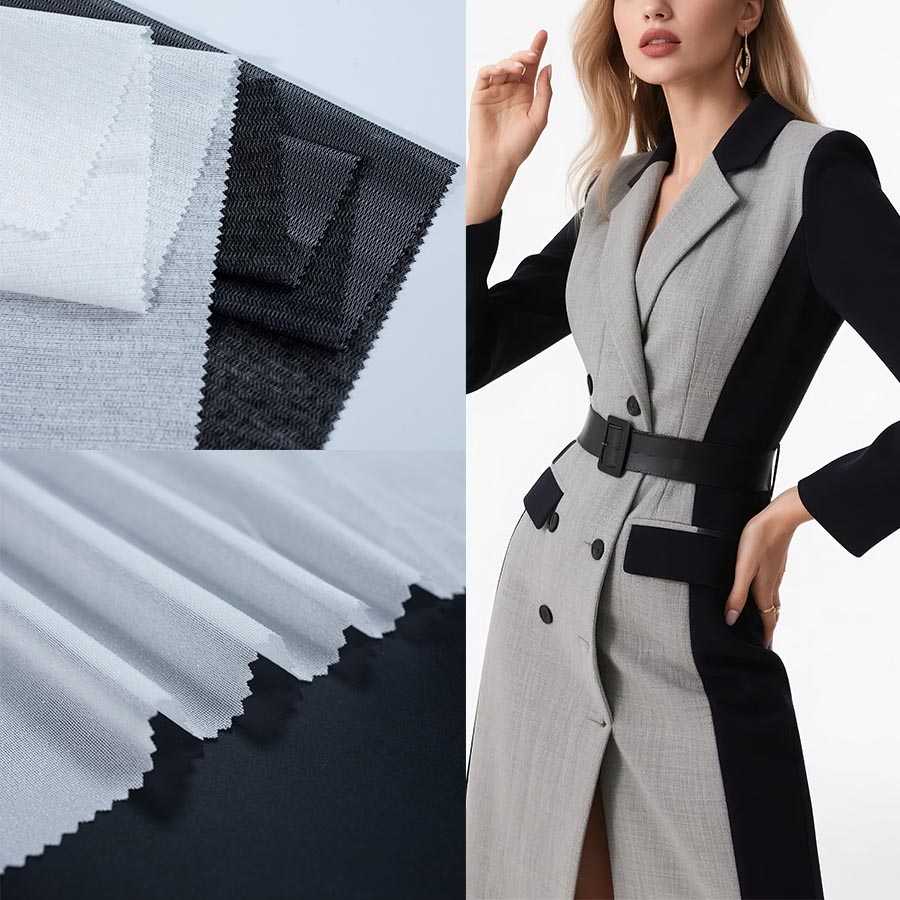
A thick wool coat and a lightweight trench coat need different interlining materials.
Wool and cashmere coats usually need fuller support to keep their shape without feeling too hard. Lightweight trench coats need a thinner material that supports the fabric without affecting its drape.
For these applications, two products are worth considering: Weft Insert Napping Interlining and Warp Knit Interlining.
Other woven and nonwoven products are also used in coat production, especially around collars, plackets, cuffs, and pocket flaps.
What Does Trench Coat Interlining Do?
Interlining is placed inside selected parts of the coat to give the outer fabric more support.
Common areas include:
- Front panels
- Collars and lapels
- Front plackets
- Cuffs
- Pocket flaps
- Shoulder details
- Belts and belt tabs
These parts do not all need the same material.
The front panels need enough body to hang smoothly. Collars and plackets need more stability, while other parts should remain flexible.
Using one heavy interlining throughout a lightweight trench coat can make the garment feel stiff.
Weft Insert Napping Interlining for Wool and Cashmere Coats
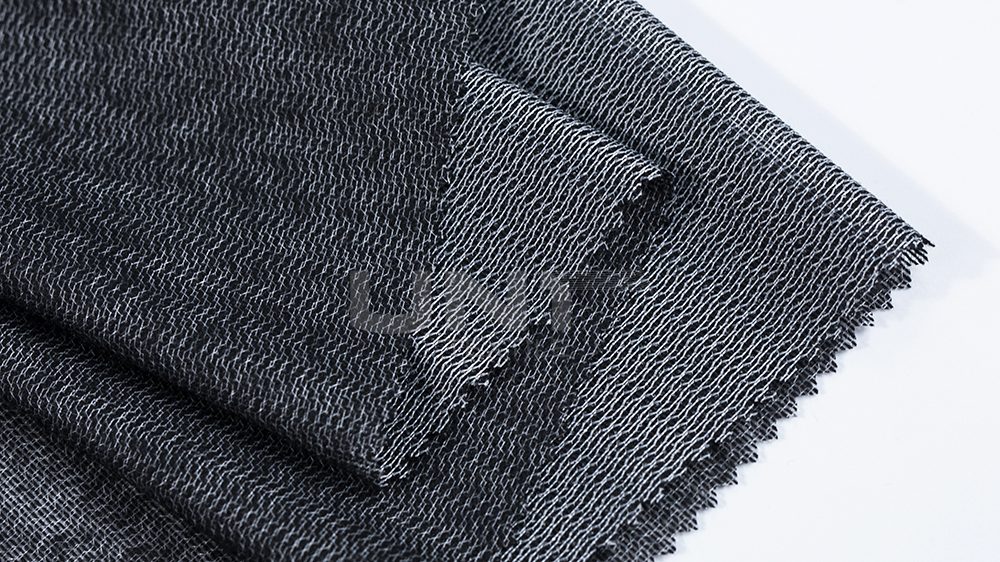
Weft Insert Napping Interlining
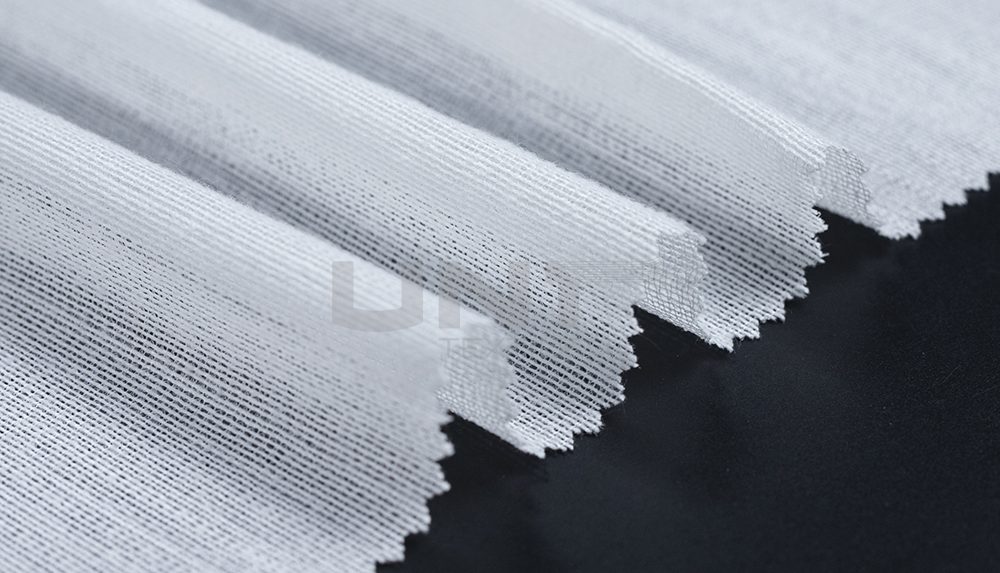
Weft Insert Napping Interlining-white
Weft Insert Napping Interlining is commonly used in wool coats, cashmere coats, and other thick outerwear.
The fabric has a napped surface that gives it a fuller, softer feel. It provides support without making the coat feel like a hard board when the correct specification is used.
It is especially useful for:
- Wool overcoats
- Cashmere coats
- Wool-blend coats
- Heavy trench-style coats
- Other structured winter outerwear
The raised surface works well with thicker coat fabrics that need body while keeping a soft touch.
This type of interlining is more suitable for coats with limited washing requirements, including many wool and cashmere garments intended for dry cleaning.
For coats that require frequent home washing, wash performance should be confirmed before production.
Warp Knit Interlining for Lightweight Trench Coats
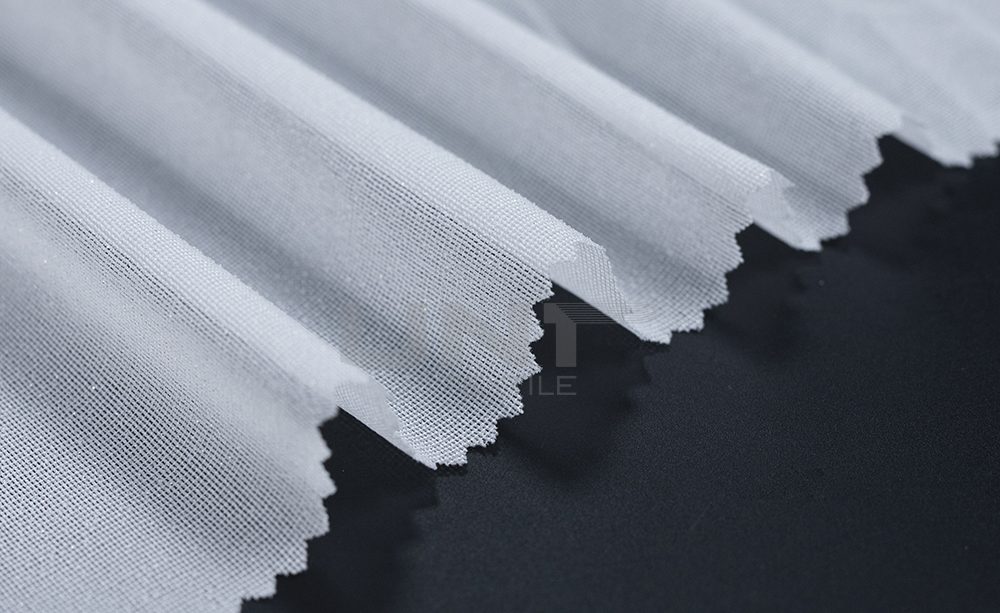
Warp Knit Interlining
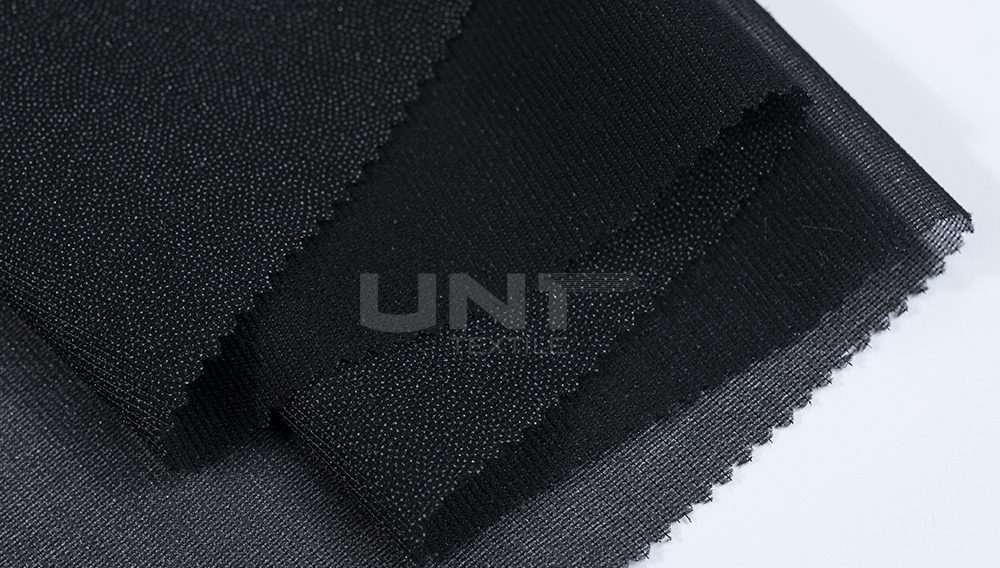
Warp Knit Interlining-black
Lightweight trench coats need a different approach.
A thick or firm interlining can change the hand feel of cotton gabardine, polyester, or lightweight blended fabrics.
Warp Knit Interlining is a useful option for these garments.
Its knitted construction provides flexibility while adding support to selected garment areas.
It is commonly considered for:
- Lightweight trench coats
- Spring and autumn coats
- Casual trench coats
- Polyester and blended-fabric coats
- Softer coat fronts and facings
Warp knit interlining helps keep the outer fabric flexible. It is also useful when the garment design requires more movement than a firm woven interlining provides.
For lightweight trench coats, check the finished hand feel after fusing. The material should support the fabric without making the panels noticeably harder.
What About Other Interlining Types?
Weft insert napping and warp knit interlining are important options, but coat manufacturers also use other materials.
Woven Fusible Interlining provides stable support for collars, plackets, facings, and structured coat sections.
Nonwoven Fusible Interlining is used for selected reinforced areas. Different weights and bonding methods give different levels of firmness.
For rainwear with water-repellent or coated outer fabric, the adhesive system needs special attention. Some rainwear applications use interlining with water-repellent finishes or other bonding solutions.
These materials should be tested with the actual outer fabric before bulk production.
Which Interlining Fits Different Coat Fabrics?
| Coat Fabric or Style | Interlining to Consider | Main Requirement |
|---|---|---|
| Wool overcoat | Weft Insert Napping Interlining | Fuller support and soft hand feel |
| Cashmere coat | Weft Insert Napping Interlining | Shape without excessive stiffness |
| Heavy trench-style coat | Weft Insert Napping or Woven Interlining | Support for thicker fabric |
| Lightweight trench coat | Warp Knit Interlining | Flexibility and light support |
| Cotton or polyester trench coat | Warp Knit or Lightweight Woven Interlining | Smooth appearance and stable bonding |
| Water-repellent trench coat | Compatible woven, knit, or specialized interlining | Bonding without damaging the finish |
The table gives a starting point. Test the interlining on the actual coat fabric before approving the specification.
What Should You Check Before Production?
Hand Feel and Drape
Fuse the sample to the outer fabric and check how it hangs.
A wool coat should keep its fuller feel. A lightweight trench coat should still move naturally.
Bonding Strength
For fusible interlining, check peel strength after the sample has cooled.
If the bond is weak, review the adhesive coating and fusing settings.
Fusing Temperature and Pressure
Wool and cashmere can be affected by excessive heat, moisture, and pressure.
For coated or water-repellent trench fabrics, check the surface finish carefully. Heat can leave marks or affect the coating.
Shrinkage and Care Performance
Check dimensional stability after the intended care process.
For wool coats, dry-cleaning performance is often important. For washable trench coats, the bonded sample should be tested after washing.
Common Problems with Trench Coat Interlining
The Coat Feels Too Stiff
The interlining is too firm for the outer fabric. Try a softer construction or a lighter specification.
The Wool Surface Becomes Flat
Excessive pressing temperature or pressure can flatten raised wool surfaces. Adjust the fusing conditions and test again.
Bubbles Appear After Cleaning
Check bonding strength, shrinkage differences, and adhesive compatibility.
The Coat Front Loses Shape
The selected interlining does not provide enough support. Compare the stiffness and structure of different samples.
FAQ
What interlining is commonly used for wool coats?
Weft Insert Napping Interlining is a common choice for thicker wool and cashmere coats. It provides fuller support with a softer hand feel.
Is warp knit interlining suitable for trench coats?
Yes. Warp Knit Interlining is useful for lightweight trench coats that need support without excessive stiffness.
Can nonwoven interlining be used in trench coats?
Yes. Suitable nonwoven products are used in collars, plackets, and other reinforced sections.
Does every trench coat need heavy interlining?
No. Lightweight coats often need thinner, more flexible materials. Heavy interlining can make the garment unnecessarily stiff.
Can fusible interlining be used on water-repellent fabric?
Yes, when the adhesive and fusing conditions are compatible with the outer fabric. Bonding and surface appearance should be tested before production.
Why Choose UNT?
Shanghai Uneed Textile Co., Ltd. supplies Weft Insert Napping Interlining, Warp Knit Interlining, and other woven and nonwoven interlining for coat production.
Our production supply covers fabric knitting and finishing, adhesive dot coating, width setting, slitting, and inspection. OEM and ODM customization includes GSM, width, color, hand feel, and coating requirements.
Testing is available for peel strength, shrinkage, dimensional stability, tensile strength, fusing performance, wash and dry-cleaning resistance, and fluorescence.
- Samples: normally within 3 days
- Stock orders: 3–7 days
- Customized orders: 7–15 days
Available certifications include OEKO (SH001 285226) and GRS (BVC-TE-00011147-GRS-2602-50007497-V1.0), subject to product applicability.
Contact Us
Shanghai Uneed Textile Co., Ltd.
TEL: +86-21-33608891
FAX: +86-21-33608892
Email: info@uneed-tex.com
continue reading
Related Posts
-
Trench coat interlining for wool, cashmere, and lightweight coats. Compare napped, warp knit, and other interlining options.

Handbag interfacing helps soft and structured handbags hold their shape. Compare materials for panels, flaps, and handles.
-
Bag interfacing supports handbags, backpacks, totes, and travel bags. Learn how to match woven, nonwoven, and felt materials.