
Why Should You Choose Low Formaldehyde Interlining?
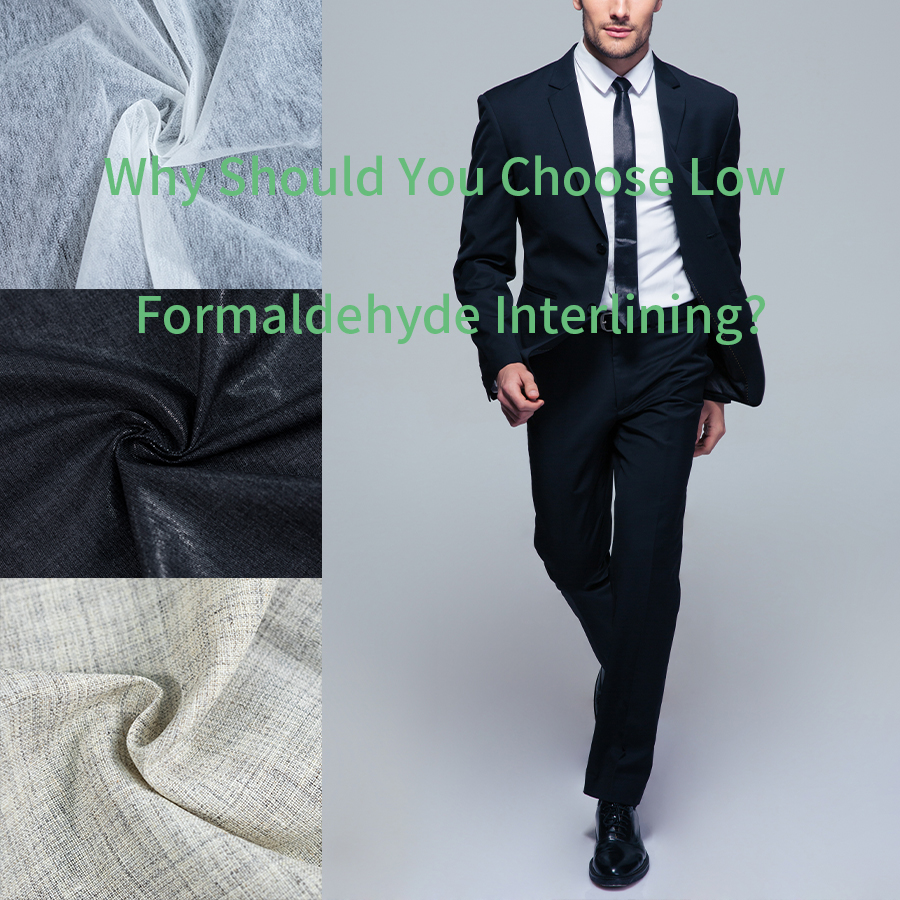
What Is Low Formaldehyde Interlining?
Formaldehyde is commonly found in textile finishing and adhesive treatments used in fabrics and interlinings. While it improves durability and wrinkle resistance, excessive formaldehyde can be harmful to human health.
Low formaldehyde interlining uses modified resins or adhesives designed to reduce formaldehyde emission to safer levels, making garments more comfortable and eco-friendly without compromising performance.
Why Should Manufacturers Use Low Formaldehyde Interlining?
Brings several advantages both for textile producers and garment consumers.
-
Health and Safety Assurance
Interlinings with low formaldehyde help prevent allergic reactions, skin irritation, and respiratory discomfort, especially for sensitive users and children. -
Regulatory Compliance
Many countries now impose strict limits on formaldehyde levels in textiles. Choosing low formaldehyde interlining ensures garments meet international standards such as OEKO-TEX® and REACH. -
Improved Product Value
Garments labeled “low formaldehyde” or “eco-friendly” appeal more to consumers concerned about safety and sustainability. -
Enhanced Comfort and Freshness
Fabrics fused with low formaldehyde interlining have a cleaner feel and no chemical odor, improving wearing comfort.
What Are the Drawbacks of Regular Formaldehyde Interlining?
Despite being widely used in older production methods, high-formaldehyde interlining has several disadvantages:
-
Potential Health Risks: Prolonged exposure may cause allergies or irritation.
-
Odor Issues: Garments may carry a noticeable chemical smell.
-
Compliance Problems: Many export markets reject products exceeding formaldehyde limits.
-
Environmental Impact: Formaldehyde contributes to volatile organic compound emissions.
How Does Low Formaldehyde Interlining Perform?
Modern low-formaldehyde interlinings are engineered to maintain the same strength, adhesion, and shape retention as traditional types. Manufacturers achieve this using advanced adhesive formulations that reduce or eliminate harmful chemicals while preserving functionality.
Tests show that low-formaldehyde versions can achieve similar peel strength, washing durability, and fusing stability when bonded under correct temperature and pressure conditions.
What Fabrics Benefit Most from Low Formaldehyde Interlining?
-
Children’s Clothing: Skin-friendly and safe for prolonged contact.
-
Shirts and Blouses: Offers comfort and crispness without odor.
-
Uniforms and Workwear: Reduces exposure risk for daily wearers.
-
Eco-Friendly Garments: Ideal for sustainable fashion brands focused on health and safety.
How Can Manufacturers Ensure Low Formaldehyde Quality?
-
Source Certified Materials
Always buy interlining from suppliers that provide formaldehyde test reports or certifications. -
Monitor Production Parameters
Control bonding temperature and dwell time to prevent chemical decomposition. -
Regular Quality Testing
Conduct laboratory tests for formaldehyde release, wash fastness, and adhesive stability. -
Maintain Storage Conditions
Keep interlining in dry, ventilated areas away from moisture and direct heat to preserve chemical stability.
FAQ (Frequently Asked Questions)
Q1: What level qualifies as “low formaldehyde”?
A: Typically, textiles under 75–100 ppm or certified by OEKO-TEX® Standard 100 are considered low formaldehyde.
Q2: Does low formaldehyde interlining affect bonding strength?
A: Not if correct fusing conditions are used. Modern adhesives maintain excellent peel strength and durability.
Q3: How can brands confirm compliance?
A: Request supplier certification and third-party test results before bulk purchasing.
Q4: Is low formaldehyde interlining more expensive?
A: Slightly, due to eco-friendly processing, but it adds significant brand and safety value.
Q5: Can low formaldehyde interlining be used in all fabrics?
A: Yes, with proper adhesive selection and bonding settings suited to fabric type and temperature tolerance.
Why Choose Shanghai Uneed Textile Co., Ltd.
At Shanghai Uneed Textile Co., Ltd., we control the product from material selection and finishing to coating, curing, rolling, and final inspection.
Formaldehyde Testing Available
For low formaldehyde interlining orders, we can provide formaldehyde content testing according to customer requirements.
Testing can also include:
- Peel strength
- Bonding strength
- Tensile strength
- Breaking strength
- Shrinkage
- Dimensional stability
- Fabric weight
- Width
- Fluorescence
- Fusing performance
- Wash performance
For customers with their own testing standards or target values, samples can be prepared and tested before bulk production.
Production Control for Low Formaldehyde Interlining
Low formaldehyde performance depends not only on the base fabric but also on the chemicals, binder system, finishing process, coating, and curing conditions used during production.
Our production process can be adjusted according to the required product specification, with control over:
- Base fabric material
- Fabric weight
- Binder and finishing requirements
- Adhesive coating
- Glue dot pattern
- Curing conditions
- Width
- Color
- Hand feel
- Roll length and packing
OEM and ODM production are available.
Fast Sampling and Delivery
- Sample preparation: normally within 3 days
- Stock products: normally 3–7 days
- Customized orders: normally 7–15 days
For low formaldehyde projects, we recommend confirming the test requirement before bulk production so that the sample and production standard remain consistent.
Certification Support
Available certification includes:
OEKO
Certificate No.: SH001 285226
GRS
Certificate No.: BVC-TE-00011147-GRS-2602-50007497-V1.0
Certificate applicability can be confirmed according to the specific interlining product.
Flexible Payment and Shipping
Available payment methods include:
- L/C
- D/A
- D/P
- T/T
- Western Union
Orders can be shipped by sea freight, air freight, or international express.
Available trade terms include:
- FOB
- EXW
- DAP
- DDP
Competitive Pricing
UNT provides competitive pricing according to the interlining type, weight, width, coating, formaldehyde requirement, order quantity, and packaging.
If you have a specific formaldehyde limit or testing standard, send us your requirement together with the garment application. We can prepare a suitable sample for evaluation before bulk production.
Contact Us
Shanghai Uneed Textile Co., Ltd
TEL: +86-21-33608891
FAX: +86-21-33608892
Email: info@uneed-tex.com
continue reading
Related Posts

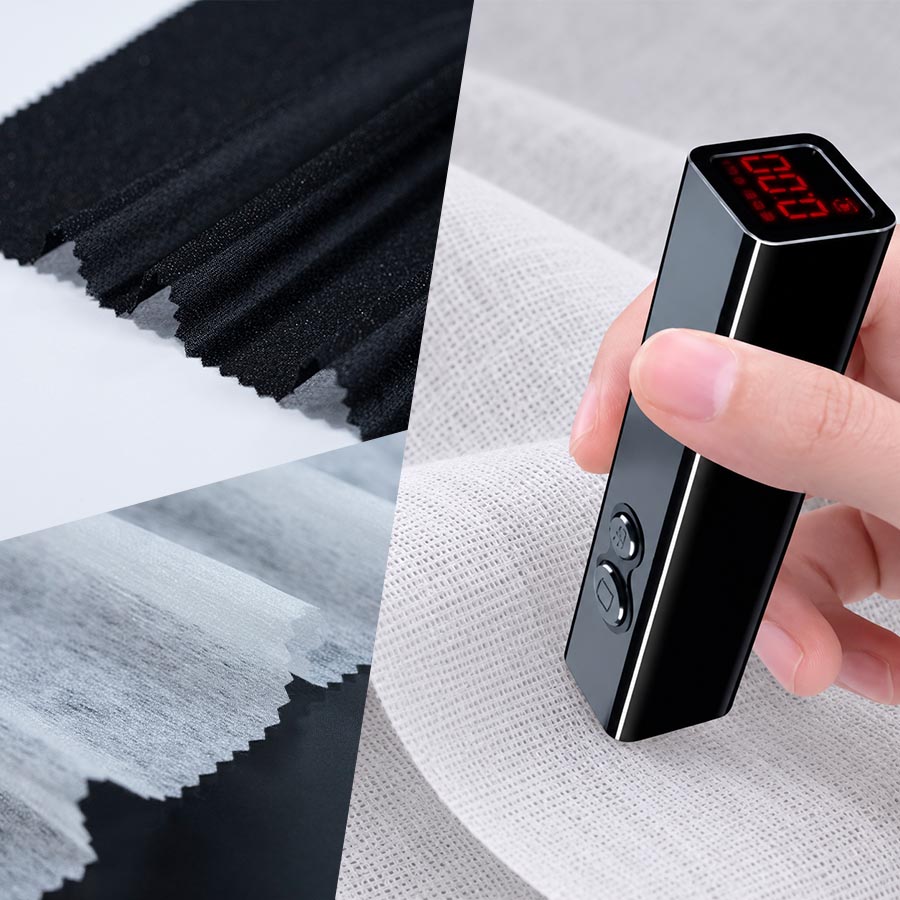
Fluorescence testing for interlining checks fluorescent whitening agents and helps buyers meet garment quality requirements.
-
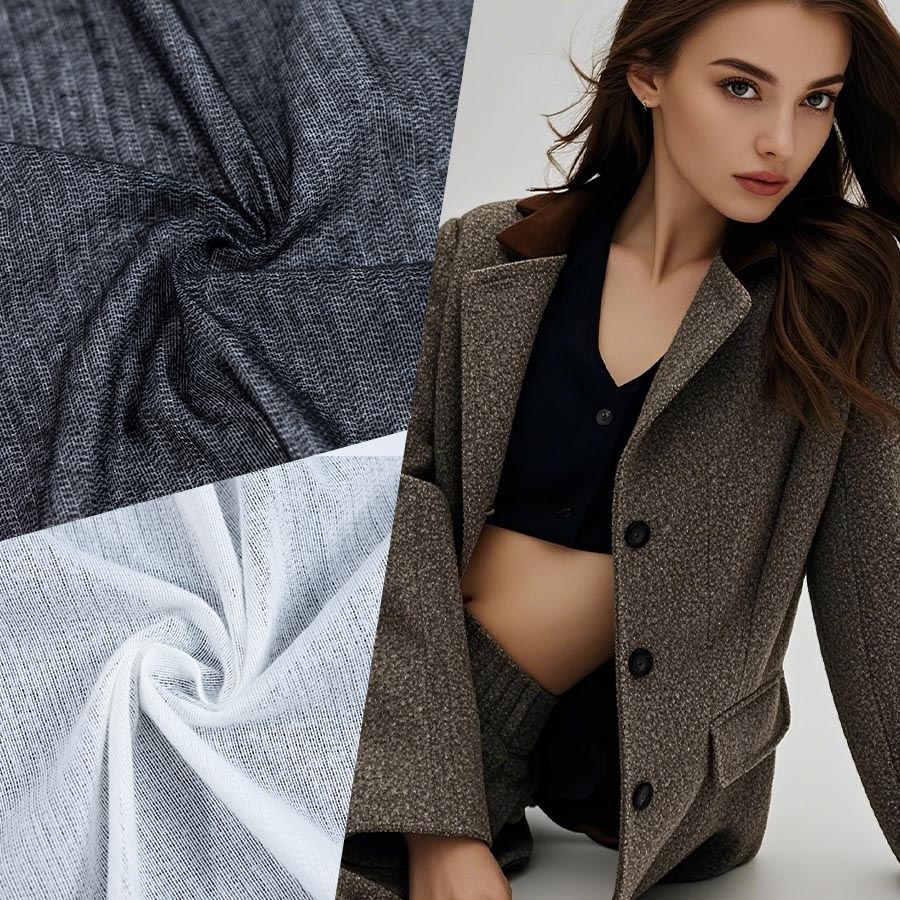
Interlining for wool coats should add shape without making the fabric stiff. Compare woven, napped, and hair interlining options.
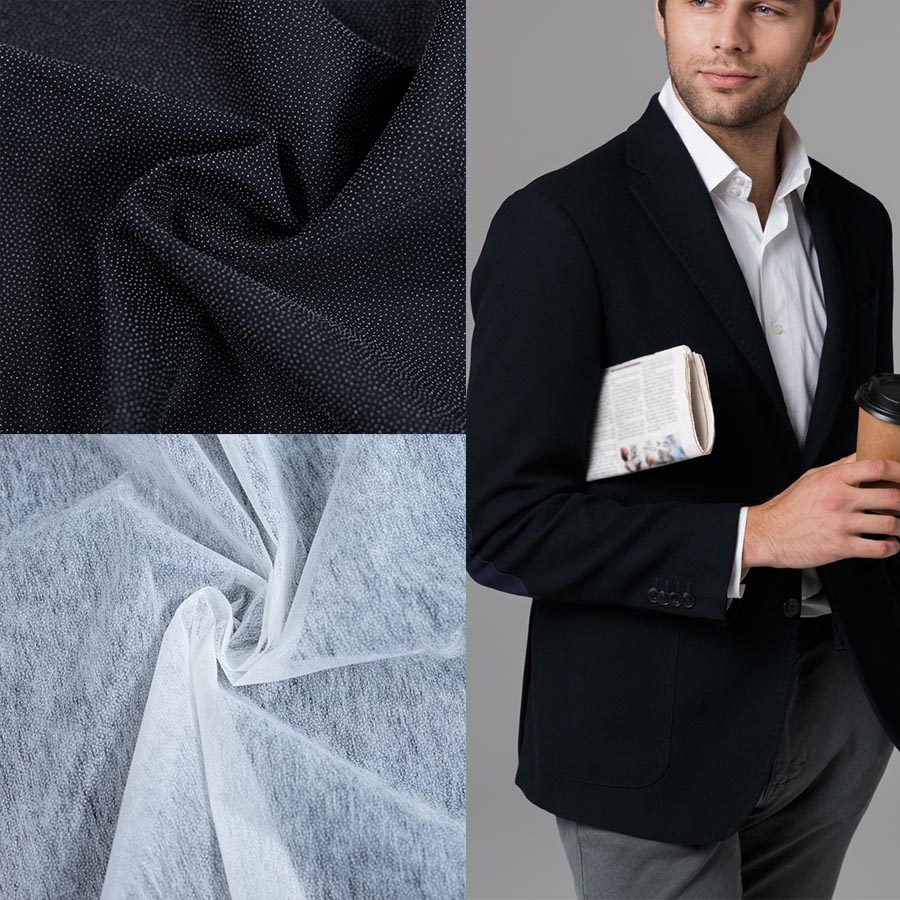
Microdot fusible interlinings use fine adhesive dots for smooth bonding, soft hand feel, and clean garment appearance.
.png)