What Are the Different Types of Interlining?
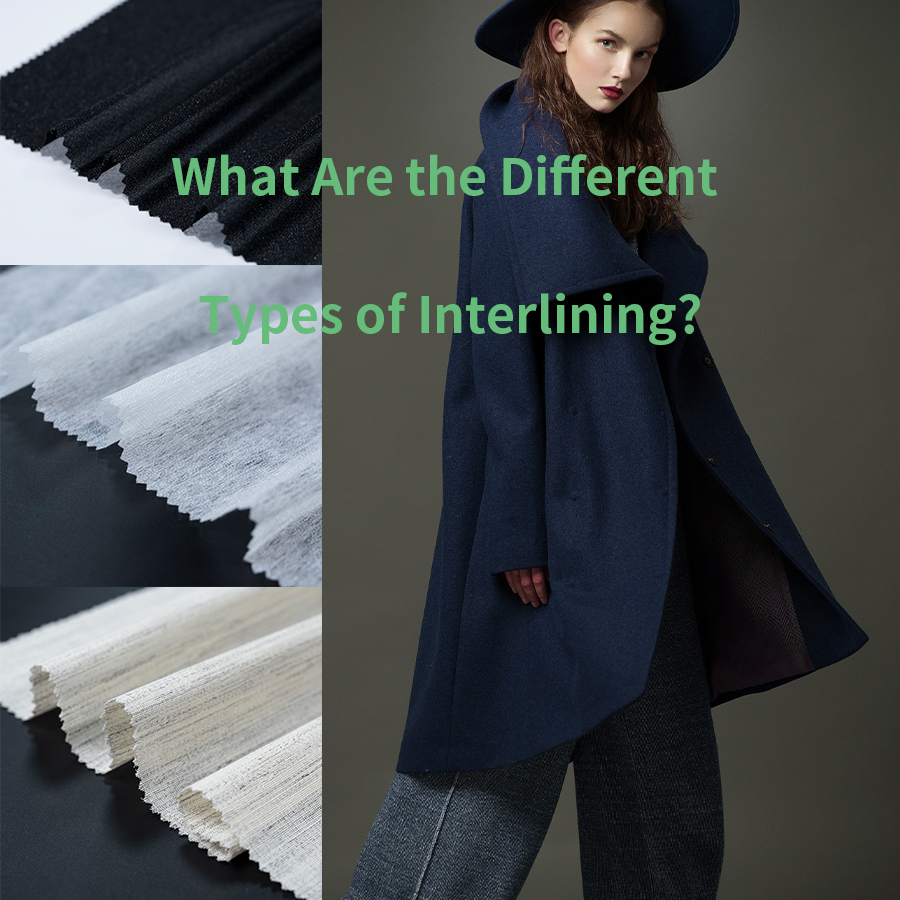
This article explains the main types of interlining used in garment manufacturing, how they differ, and how to choose the right one for various clothing applications.
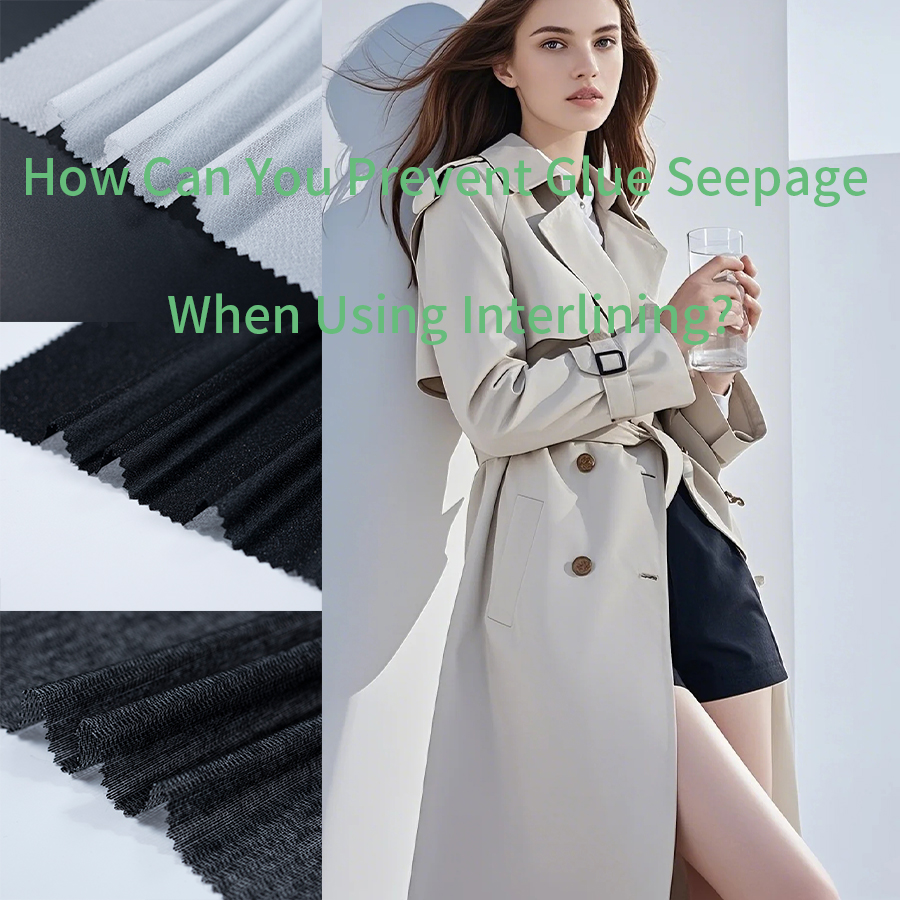
This article explains why glue seepage happens during fusible interlining bonding and offers practical solutions to prevent it through proper heat, pressure, and material selection.
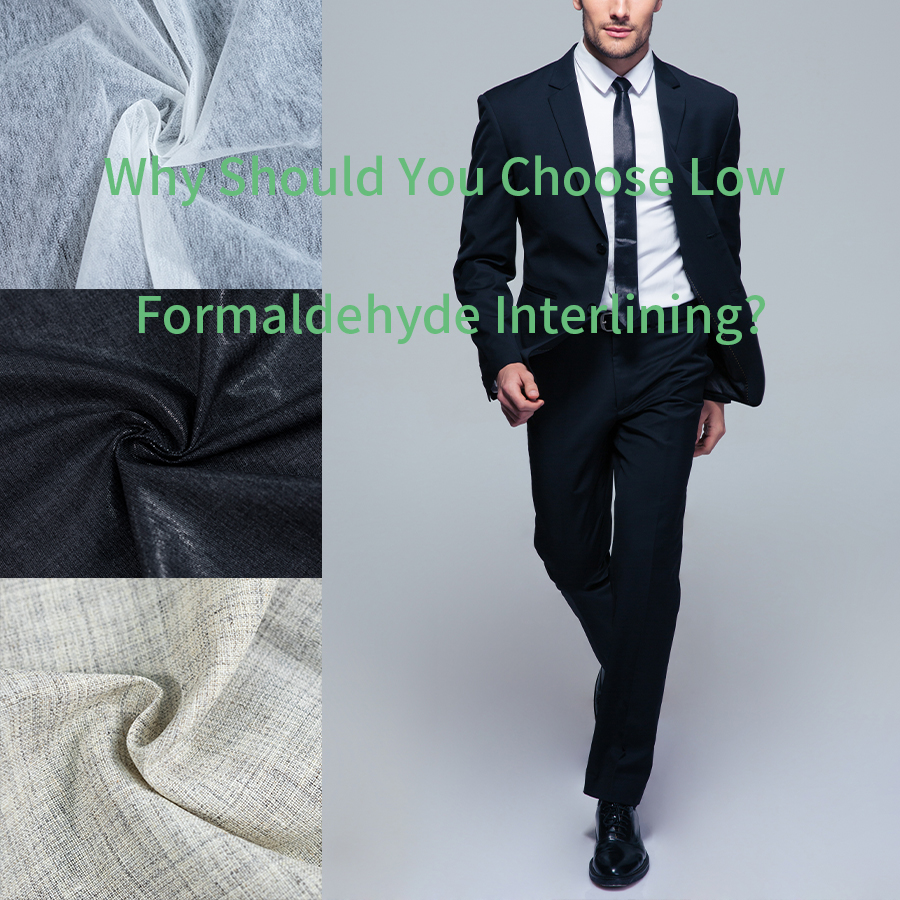
Discover the benefits of using low formaldehyde interlining for safer, eco-friendly garments that meet international standards. Ideal for comfort, health, and quality.
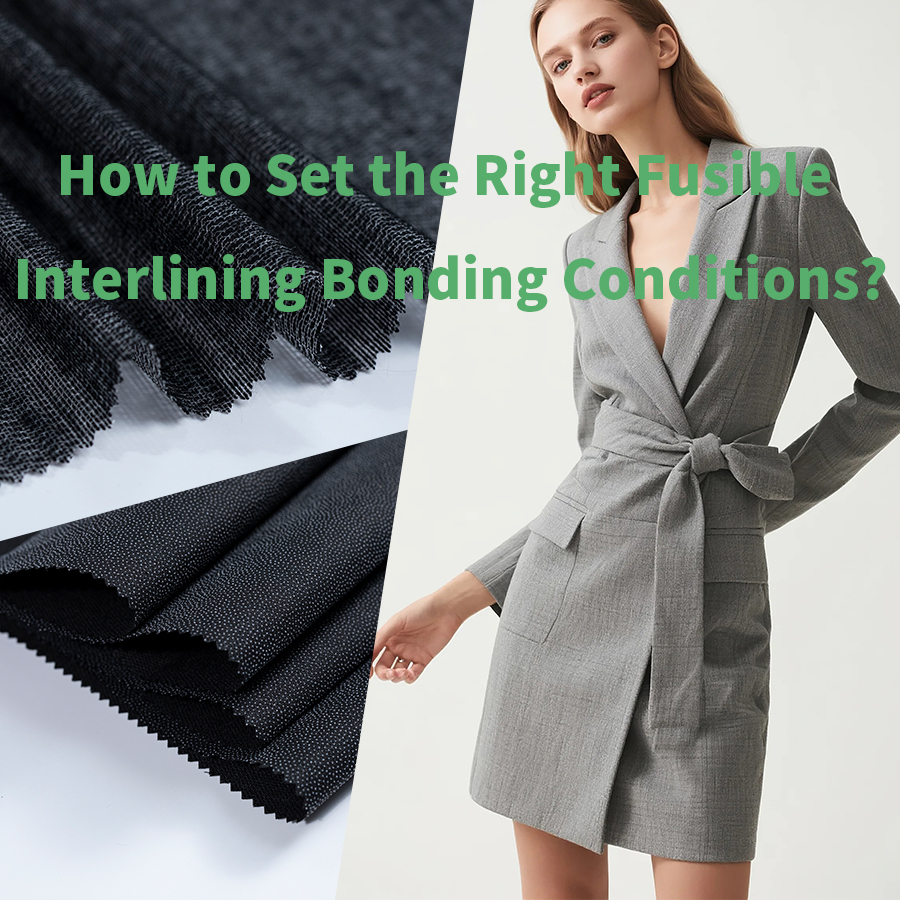
This article explains how to set temperature, pressure, and time for fusible interlining bonding to ensure strong adhesion and smooth garment results.
This article explains everything you need to know about nonwoven interlining, including its structure, advantages, disadvantages, and differences from woven interlining.
Learn how lining and interlining differ and why both are essential in garment construction.
This article explores why interlining bubbles after bonding and how proper bonding methods help prevent it.
Discover why the peel strength of fusible interlining is crucial for garment durability and appearance. Learn the key factors affecting adhesion
Selecting the right adhesive for fusible interlining is key to garment quality. This guide explains the four main types—PE, PA, PES, and PU—and their unique properties.
This article explores the critical role of interlining shrinkage in garment manufacturing, detailing its causes, impact on apparel quality, and providing professional control and testing methods to ensure a garment's shape and durability.